Old Maps of Box Butte County, Nebraska for Metal Detecting
Plan your next treasure hunt with 159 historic maps of Box Butte County. Find old homesites, ghost towns, trails, and gathering spots that may be lost to time — perfect for identifying promising metal detecting locations.
- Locate forgotten sites: Uncover places like long-lost settlements, abandoned rail lines, or gathering spots.
- Plan better hunts: Use map overlays combined with LiDAR or satellite views to narrow in on historically rich areas.
- Made for detectorists: Thousands of hobbyists use these maps to discover relics, coins, and hidden history.
Use these historic maps to boost your research and find new opportunities beneath the surface of Box Butte County.
Box Butte County, NE maps
(159)- 1946 Map of Nonpareil, 1966 Print
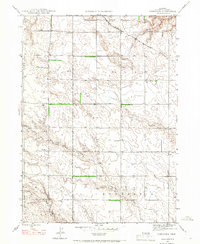 1946 Nonpareil1966 Print · USGSBox Butte County was a landscape of remote farmsteads and rural school districts in the years following World War II. Researchers can trace the path of the Chicago Burlington and Quincy railroad and locate local landmarks like Prairie Flower Sch and Nonpareil.
 - 1946 Map of Berea Creek East, 1977 Print
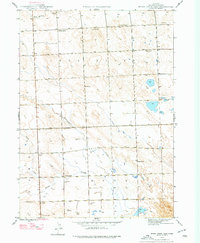 1946 Berea Creek East1977 Print · USGSBox Butte County in the mid-forties reveals a classic Nebraska Panhandle ranching landscape marked by a network of rural schoolhouses. Genealogists can locate family landmarks like Plainview Cem or trace the early paths of Hemingford Creek and School No 78.
 - 1946 Map of Box Butte Reservoir West, 1978 Print
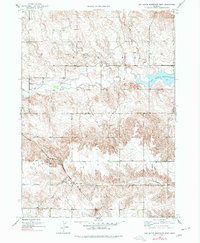 1946 Box Butte Reservoir West1978 Print · USGSThe Nebraska Panhandle's ranching country comes into focus in this mid-century survey, documenting the early years of the Box Butte Reservoir. Genealogists and local historians can locate remote landmarks such as Sch No 62, Sch No 50, and the breaks of Sand Canyon.
 - 1947 Map of Alliance, 1967 Print
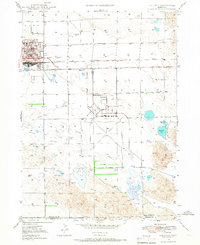 1947 Alliance1967 Print · USGSAlliance emerges as a bustling panhandle hub in the late 1940s, balancing its railroad roots with new aviation infrastructure. Researchers can locate the Courthouse, trace the Chicago Burlington and Quincy rail lines, and find rural landmarks like Greenwood Cem.2 unique versions available
 - 1947 Map of Bronco Lake, 1970 Print
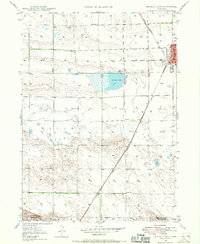 1947 Bronco Lake1970 Print · USGSThe Nebraska panhandle comes into focus in the late 1940s as the rail lines and rural school districts of Box Butte County are mapped in detail. Genealogists can trace the rural landscape through landmarks like Letan Sch, St Josephs Hospital, and the small settlement of Letan.2 unique versions available
 - 1947 Map of Box Butte NE, 1976 Print
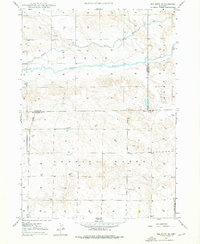 1947 Box Butte NE1976 Print · USGSNorthwestern Nebraska at the end of the 1940s reveals a ranching landscape shaped by the Niobrara River and early irrigation projects. Researchers can locate remote homestead Windmills and the site of School No 80 near the Irrigation Canal.2 unique versions available
 - 1947 Map of Box Butte, 1977 Print
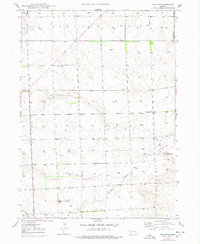 1947 Box Butte1977 Print · USGSThe Nebraska panhandle landscape comes into focus just after the war, showing the rural townships of Running Water and Box Butte. Genealogists and researchers can trace the locations of historic rural schools like School No 46 and the winding path of Box Butte Creek.
 - 1947 Map of Box Butte NW, 1977 Print
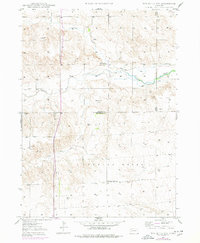 1947 Box Butte NW1977 Print · USGSThe Niobrara River valley in the late 1940s reveals a high plains landscape shaped by early irrigation and ranching. Genealogists and historians can trace local landmarks like Kattn Cem, the Dunlap Sch, and scientific sites including the Fossil Beds.
 - 1948 Map of Box Butte Reservoir West
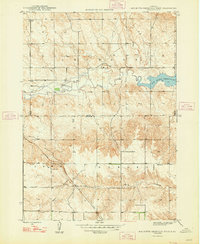 1948 Box Butte Reservoir West1948 Print · USGSThe Nebraska high plains meet the headwaters of the Niobrara River in the late 1940s, just as the reservoir began to transform the local landscape. Researchers can locate remote rural schoolhouses like Sch No 52 and trace the early route of the Chicago Burlington and Quincy railroad.2 unique versions available
 - 1948 Map of Hemingford
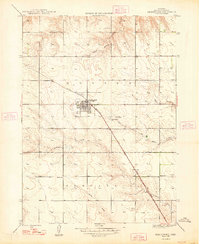 1948 Hemingford1948 Print · USGSThe Nebraska panhandle town of Hemingford is captured shortly after the war, showing its role as a vital rail-side agricultural center. Genealogists and researchers can locate several rural schoolhouses, St Johns Cem, and the path of the Chicago Burlington and Quincy railroad.2 unique versions available
 - 1948 Map of Hemingford 4 SW
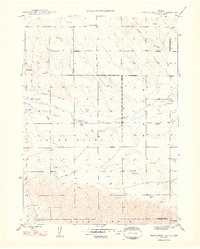 1948 Hemingford 4 SW1948 Print · USGSBox Butte and Morrill counties appear here in the late forties, revealing a working landscape of prairie ranching and isolated schoolhouses. Genealogists can locate family landmarks like School No 36 or trace the path of an Abandoned Canal and Snake Creek.4 unique versions available
 - 1948 Map of Hemingford 4 SE
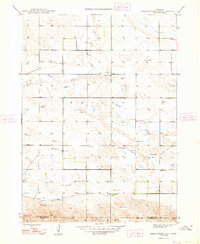 1948 Hemingford 4 SE1948 Print · USGSWestern Nebraska's ranching country comes into focus in the late 1940s, showing a landscape defined by water management and rural schooling. Genealogists can locate Hagaman Cem and trace the exact positions of School No 9 and School No 16 among the high plains.3 unique versions available
 - 1948 Map of Berea Creek West
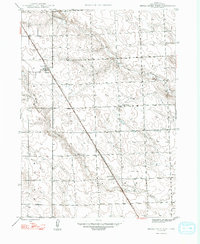 1948 Berea Creek West1948 Print · USGSBox Butte County was a landscape of rail-dependent prairie settlements in the years following World War II. Genealogists and local historians can locate rural landmarks like School No 45, the tiny community of Berea, and the Yale Siding railroad stop.2 unique versions available
 - 1948 Map of Berea Creek East
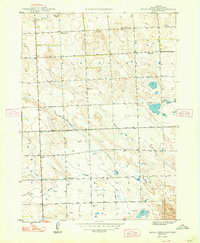 1948 Berea Creek East1948 Print · USGSBox Butte County was a landscape of remote farmsteads and rural schoolhouses just after the war. Researchers can trace the placement of local landmarks like School No 78, Plainview Cem, and the headwaters of Berea Creek.2 unique versions available
 - 1948 Map of Hemingford 4 NE
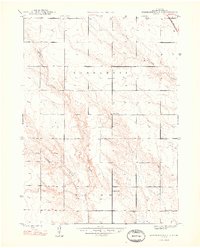 1948 Hemingford 4 NE1948 Print · USGSBox Butte County farmland and prairie drainages are captured here in the late 1940s. Genealogists can locate rural school districts like School No 7 and School No 58 or trace the early path of the C B and Q railroad.4 unique versions available
 - 1948 Map of Hemingford 4 NW
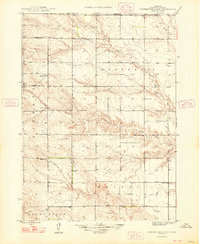 1948 Hemingford 4 NW1948 Print · USGSBox Butte County was a landscape of isolated homesteads and country schoolhouses shortly after the war. Local historians can trace the exact locations of rural education centers like School No 27 and landmarks such as Point of Rocks.3 unique versions available
 - 1948 Map of Nonpareil
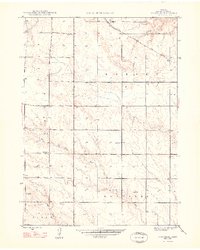 1948 Nonpareil1948 Print · USGSBox Butte County is shown in the late 1940s, highlighting a high-plains landscape shaped by the Chicago Burlington and Quincy railroad. Genealogists can locate rural schoolhouses like Prairie Flower Sch and trace the drainage of Point of Rocks Creek.2 unique versions available
 - 1948 Map of Box Butte Reservoir East
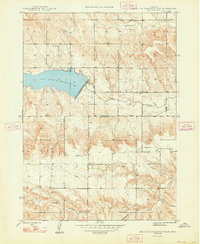 1948 Box Butte Reservoir East1948 Print · USGSThe Nebraska panhandle comes into focus just after the war as the Box Butte Dam begins to reshape the Niobrara River valley. Researchers can trace rural school districts like Sch No 17 and explore the rugged breaks of Sand Canyon.
 - 1948 Map of Alliance
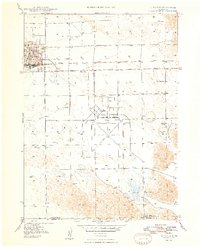 1948 Alliance1948 Print · USGSAlliance emerges as a bustling post-war rail and aviation hub in the Nebraska panhandle during the late forties. Genealogists and researchers can trace local landmarks like Greenwood Cem, East Point Sch, and the expansive Alliance Airport.2 unique versions available
 - 1948 Map of Antioch, 1966 Print
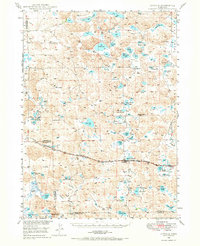 1948 Antioch1966 Print · USGSThe Nebraska sandhills near Antioch are captured here in the late 1940s, showing a landscape defined by alkali lakes and ranching. Genealogists can locate family holdings like Johnston Ranch and Bower Ranch, or trace school districts from School No 117 to School No 130.
 - 1949 Map of Box Butte NE
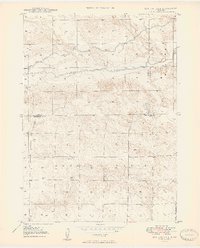 1949 Box Butte NE1949 Print · USGSNorthwest Nebraska's high plains meet the winding Niobrara River during the late 1940s, a time when water meant survival for remote ranching families. Researchers can trace rural school districts like School No 80 and identify dozens of historic Windmill sites across Pepper Creek.2 unique versions available
 - 1949 Map of Box Butte SW
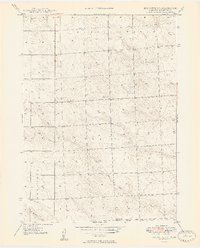 1949 Box Butte SW1949 Print · USGSBox Butte County, Nebraska, is captured here in the late 1940s, showing a rural landscape organized by section lines and prairie drainage. Genealogists and local historians can locate early educational landmarks like School No 30 and School No 10 or trace the paths of Box Butte Creek and Hemingford Creek.2 unique versions available
 - 1949 Map of Bronco Lake
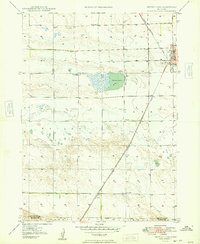 1949 Bronco Lake1949 Print · USGSNorthwestern Nebraska ranching and rail commerce take center stage in the late 1940s as the High Plains landscape begins its post-war shift. Trace the early footprint of Alliance or locate rural landmarks like Letan Sch and the namesake Bronco Lake.2 unique versions available
 - 1949 Map of Antioch
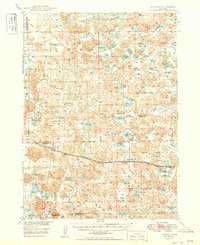 1949 Antioch1949 Print · USGSSheridan County ranching and rail life are documented here in the late 1940s, just after the post-war aerial surveys. Researchers can trace rural school districts like School No 128 and the rail-side operations at Antioch and Hoffland.2 unique versions available
 - 1949 Map of Box Butte
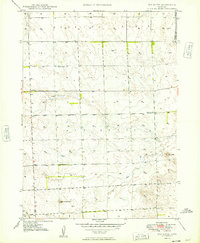 1949 Box Butte1949 Print · USGSBox Butte County and Sheridan County were largely defined by isolated ranching outposts and small rural school districts during the late 1940s. Genealogists and local historians can trace the exact locations of School No 46, School No 15, and landmarks like Wild Horse Butte.2 unique versions available
Showing maps 1-25 of 159
Top cities of Box Butte County
Frequently asked questions
- What are the different types of historical maps available for Box Butte County?
- What is the oldest map of Box Butte County?
- Where can I purchase historical maps of Box Butte County for my home or office?
- Where can I download high-res historical maps of Box Butte County?
- Are there historical topographic maps available for Box Butte County?
- Is there historical aerial imagery available for Box Butte County?
- Where are historical maps of Box Butte County sourced from?