Old Maps of Randolph, New Hampshire for Academic Research
Study the evolution of Randolph with 55 high-resolution historic maps. Whether you're teaching, researching, or modeling changes in land use, these maps provide essential visual documentation of urban, environmental, and geographic change.
- Analyze long-term change: Track patterns in development, transportation, and natural features.
- Ideal for environmental or urban studies: Support academic projects with primary historical map data.
- Use in the classroom or lab: Educators and researchers rely on these maps to bring historical context to life.
These maps are a powerful tool for teaching, research, and visualizing how Randolph has changed over the decades.
Randolph, NH maps
(55)- 1893 Map of Mt. Washington
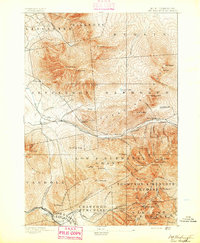 1893 Mt. Washington1893 Print · USGSThe Presidential Range and its grand hotels are captured here during the peak of the late-Victorian mountain tourism era. Trace the path of the Mt. Washington Railway or locate early alpine landmarks like Fabyan House, Halfway House, and the AMC Camp.
 - 1893 Map of Gorham
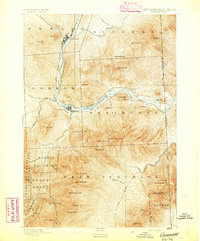 1893 Gorham1893 Print · USGSThe northern White Mountains at the height of the 1890s show a landscape shaped by early tourism and the timber industry. Genealogists and hikers can trace historic routes like Madison Path and locate vanished landmarks such as Glen House or the rail yards at Berlin Fall.8 unique versions available
 - 1896 Map of Mt. Washington
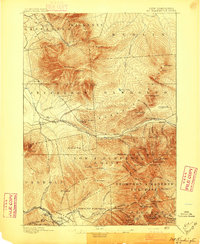 1896 Mt. Washington1896 Print · USGSThe Presidential Range at the height of the Victorian tourism era shows a landscape of grand hotels and pioneering alpine engineering. Trace the historic Mt. Washington Railroad to the summit or locate early hospitality landmarks like the Fabyan House and Ravine House.7 unique versions available
 - 1896 Map of Gorham
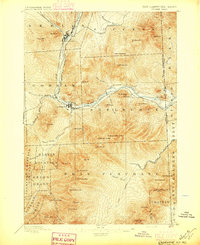 1896 Gorham1896 Print · USGSThe White Mountains were a bustling hub of rail activity and early tourism in the 1890s as industry met the wilderness. Genealogists and hikers can trace the original routes of the Grand Trunk Railroad, find the historic Glen House, and locate landmarks like Berlin Falls.
 - 1935 Map of Mt. Washington
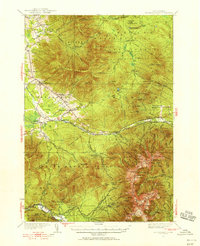 1935 Mt. Washington1935 Print · USGSCoos County at the height of the Great Depression shows a landscape where mountain rail tourism and rugged hiking trails intersect. Trace the path of the Mount Washington Cog Railway or locate old valley sites like Ravine House and the Gore Sch.4 unique versions available
 - 1937 Map of Gorham
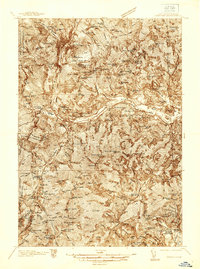 1937 Gorham1937 Print · USGSNew Hampshire's high peaks and river valleys are shown in detail during the late 1930s as the regional economy balanced rail industry with forest conservation. Genealogists and hikers can trace the Appalachian Trail, locate Civilian Conservation Corps sites like CCC Camp Gorham, and study the industrial corridors of the Grand Trunk Railway.6 unique versions available
 - 1938 Map of Mt. Washington
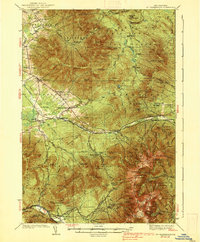 1938 Mt. Washington1938 Print · USGSThe White Mountains in the late 1930s reveal a landscape of mountain resorts and rugged timber camps. Trace the Mount Washington Cog RR, find the Gore Sch, or explore early trail networks like the Crawford Path and Gulfside Trail.4 unique versions available
 - 1942 Map of Gorham
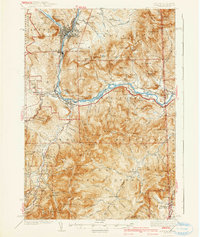 1942 Gorham1942 Print · USGSIn the early 1940s, the high peaks of the New Hampshire border region were already a hub for hikers and rail travel. Trace the historical routes of the Appalachian Trail and find landmarks like the Mascot Mine, the Glen House, and the Grand Trunk railroad.3 unique versions available
 - 1950 Map of Lewiston
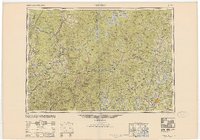 1950 Lewiston1950 Print · USGSThe Maine and New Hampshire borderlands come alive in this post-war survey of the White Mountains and Androscoggin valley. Genealogists and historians can trace rail lines like the Maine Central Railroad and find high-altitude landmarks from Mount Washington to Bretton Woods.2 unique versions available
 - 1956 Map of Lewiston, 1975 Print
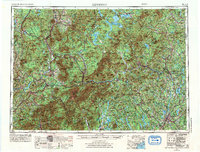 1956 Lewiston1975 Print · USGSThe Northern New England interior is documented here in the mid-fifties, from the industrial Androscoggin River to the high peaks of the White Mountains. Trace the Grand Trunk Railway through mountain passes or locate family landmarks near Sabbathday Lake and Bretton Woods.
 - 1961 Map of Lewiston
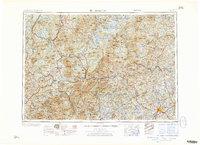 1961 Lewiston1961 Print · USGSWestern Maine and the White Mountains appear here during the early sixties, showing the industrial river towns and vast timberlands before the modern interstate era. Genealogists and historians can trace the Grand Trunk RR through Berlin or locate landmarks like Old Speck Mountain and Elephant Mountain.
 - 1962 Map of Lewiston
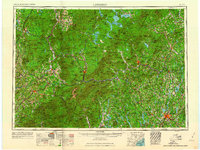 1962 Lewiston1962 Print · USGSThe industrial river valleys and high peaks of Maine and New Hampshire define the region in the early sixties. Trace the rail-and-river network from Lewiston to the White Mountains, passing through mill towns like Berlin and Rumford.
 - 1969 Map of Lewiston
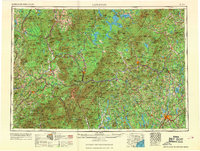 1969 Lewiston1969 Print · USGSThe northern New England highlands come into focus during the mid-fifties, showing the vital rail and river networks connecting industrial centers to the deep woods. Researchers can trace the path of the Grand Trunk RR or locate landmarks like Mt Washington and Rangeley Lake.
 - 1970 Map of Carter Dome, 1972 Print
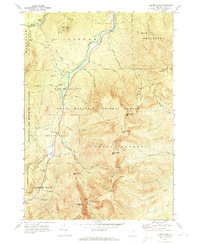 1970 Carter Dome1972 Print · USGSCoos County, New Hampshire, is captured here in the early 1970s as its peaks became central to Eastern mountaineering and recreation. Researchers can trace the legendary Appalachian Trail, the historic Glen House site, and the high-altitude Carter Notch trails.3 unique versions available
 - 1970 Map of Berlin, 1972 Print
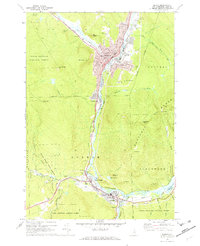 1970 Berlin1972 Print · USGSBerlin and Gorham sat at a busy industrial crossroads in the early seventies, where the timber-rich mountains met the rail lines of the Androscoggin Valley. Researchers can trace family history at St Kieran Cem, locate Libby Airfield, or follow the Grand Trunk tracks.4 unique versions available
 - 1982 Map of Pliny Range, 1983 Print
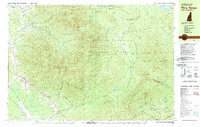 1982 Pliny Range1983 Print · USGSCoos County, New Hampshire, is captured in the early 1980s as a high-altitude landscape of small mountain villages and expansive forest. Genealogists and hikers can trace old family sites near Jefferson Highland or locate the Forest Vale Cem and St Johns Ch.
 - 1982 Map of Mt. Washington, 1983 Print
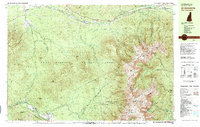 1982 Mt. Washington1983 Print · USGSThe Presidential Range and its iconic summit are captured here in the early eighties, showing the region as a mature hub for mountain tourism and transit. Trace the historic paths of the Mount Washington Cog Railway, explore the high-altitude Lakes of the Clouds, and locate the Lady of the Mountain Ch at Bretton Woods.2 unique versions available
 - 1986 Map of Mount Washington
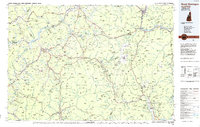 1986 Mount Washington1986 Print · USGSThe northern New England highlands are shown here in the mid-eighties, centered on the high peaks and river valleys of the New Hampshire borderlands. Researchers can trace historic transportation lines like the Mount Washington Cog Railway and the Maine Central Railroad near Gorham and Lancaster.
 - 1988 Map of Mount Washington, 1989 Print
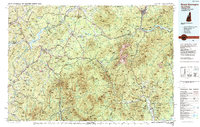 1988 Mount Washington1989 Print · USGSThe New Hampshire high country in the late 1980s is defined by its iconic peaks and the legacy of mountain tourism. Trace the routes of the historic Mount Washington Cog Railway and the Maine Central RR through the gaps of Crawford Notch State Park.
 - 1995 Map of Mount Washington, 1999 Print
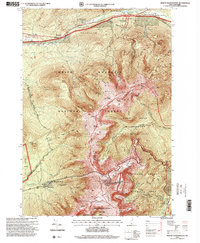 1995 Mount Washington1999 Print · USGSThe Presidential Range in the mid-1990s is captured here in detail, showcasing the iconic Cog Railroad and the high-alpine terrain of the Great Gulf Wilderness. Researchers can trace historic hiking routes like the Appalachian Trail and locate remote landmarks such as Lakes of the Clouds Hut and Madison Hut.
 - 1995 Map of Mount Crescent, 1999 Print
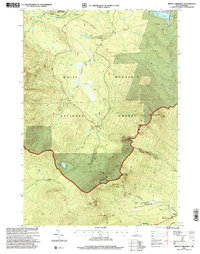 1995 Mount Crescent1999 Print · USGSThe White Mountains in the mid-1990s showcase a high-elevation landscape of state hatcheries and historic hill settlements. Researchers can trace local landmarks like the Randolph Church, the remote Pond of Safety, and the dramatic terrain of Ice Gulch.
 - 1995 Map of Mount Dartmouth, 2000 Print
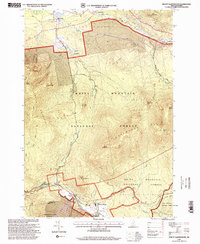 1995 Mount Dartmouth2000 Print · USGSThe high peaks and resort valleys of the White Mountains are shown here in the mid-1990s as the regional landscape balanced tourism and conservation. Researchers can trace historic land grants and local landmarks like Bretton Woods, Fabyan, and Mount Dartmouth.
 - 1995 Map of Carter Dome, 2000 Print
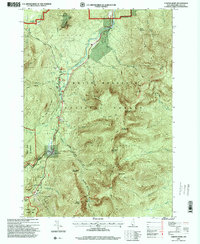 1995 Carter Dome2000 Print · USGSThe high peaks and forest grants of the White Mountains are shown here in the mid-nineties, capturing a landscape of alpine recreation and timber-era boundaries. Researchers can trace the Appalachian National Scenic Trail past the Carter Notch Hut and locate historical landmarks like Glen House.
 - 1995 Map of Jefferson, 2000 Print
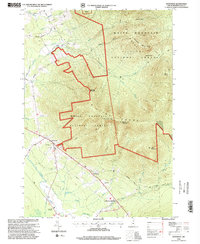 1995 Jefferson2000 Print · USGSThe northern reaches of the White Mountains are captured here in the mid-nineties, showing the valley communities of Jefferson and Jefferson Highland tucked against the high peaks. Genealogists and hikers can trace local roots at Forest Vale Cemetery or follow historic paths through Bunnell Notch.
 - 1995 Map of Berlin, 2001 Print
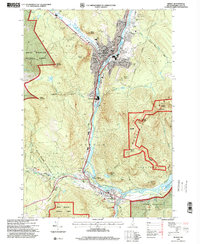 1995 Berlin2001 Print · USGSThe industrial corridor of the North Country comes into sharp focus during the 1990s as the Androscoggin River winds through the mill towns. Genealogists and local historians can trace the foundations of these communities through landmarks like Notre Dame High Sch, City Cemetery, and the St Lawrence and Atlantic RR.
Showing maps 1-25 of 55
Top cities near Randolph
- Berlin historical maps
- Lancaster historical maps
- Gorham historical maps
- Whitefield historical maps
- Northumberland historical maps
- Milan historical maps
See more
Top neighborhoods of Randolph
Frequently asked questions
- What are the different types of historical maps available for Randolph?
- What is the oldest map of Randolph?
- Where can I purchase historical maps of Randolph for my home or office?
- Where can I download high-res historical maps of Randolph?
- Are there historical topographic maps available for Randolph?
- Is there historical aerial imagery available for Randolph?
- Where are historical maps of Randolph sourced from?