1900s (20th Century) Maps of Andover, New Hampshire
Explore 21 historic maps of Andover from the 1900s (20th Century). These maps offer a rare glimpse into what life looked like during the 1900s — showing old roads, neighborhoods, homes, and landmarks that have changed or disappeared over time.
Whether you're researching your family's past, planning a metal detecting trip, or studying how Andover's landscape evolved across the 1900s, these high-resolution maps are a powerful tool for exploring the history of this region.
- Focus on a specific era: All maps on this page are from the 1900s, giving you a focused view of this time period.
- See what’s changed: Compare century-old streets, trails, and buildings to today's modern landscape using overlays and satellite layers.
- Research with precision: Use these maps for genealogy, historical research, land use analysis, or educational projects.
- View, download, or print: Maps are fully viewable online in high resolution, and can be downloaded or printed for your own records.
Start exploring Andover's history through authentic maps from the 1900s. This is your window into the past.
Andover, NH maps
(21)- 1925 Map of Holderness, 1956 Print
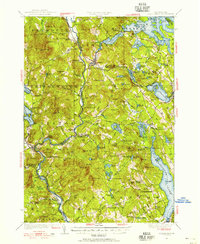 1925 Holderness1956 Print · USGSCentral New Hampshire in the mid-twenties centers on the Pemigewasset River and the bustling rail corridor. Genealogists can trace a network of rural schoolhouses like Sargent School and landmarks including Profile Falls and the Bay Meeting House.
 - 1927 Map of Penacook
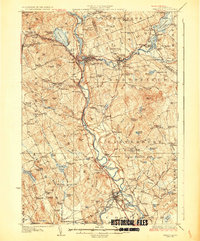 1927 Penacook1927 Print · USGSThe Merrimack and Winnipesaukee valleys in the mid-1920s reveal a landscape of river-powered industry and rural school districts. Researchers can trace dozens of family-named landmarks and institutions, from Kezer Seminary to the Soldiers Home and Swetts Mills.8 unique versions available
 - 1927 Map of Holderness
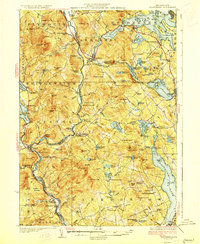 1927 Holderness1927 Print · USGSThe Lakes Region in the late twenties reveals a landscape of small hill-town schools and winding river valleys. Genealogists can locate family landmarks like Sargent School, Dana Church, and numerous small waters from Squam Lake to Wickwas Pond.6 unique versions available
 - 1928 Map of Mount Kearsarge
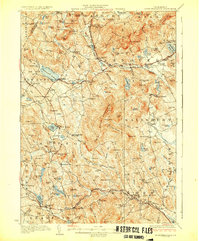 1928 Mount Kearsarge1928 Print · USGSMerrimack County and the surrounding highlands are captured in the late 1920s as the rail-and-river economy flourished. Genealogists and historians can trace defunct schools and rural crossroads like Scribners Corner, the BOSTON AND MAINE RR corridor, and the COAL HEARTH CEMETERY.5 unique versions available
 - 1931 Map of Mount Kearsarge
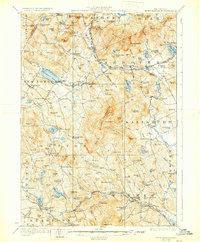 1931 Mount Kearsarge1931 Print · USGSMerrimack County during the interwar years shows a New Hampshire landscape of river-powered hamlets and rail depots. Genealogists can trace family roots through specific sites like Coalhearth Cemetery, the Langley School, and junctions like Scribners Corner.
 - 1949 Map of Portland
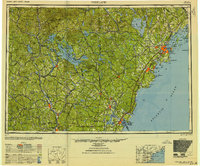 1949 Portland1949 Print · USGSCoastal Maine and the New Hampshire interior are shown in detail during the late forties, from the bustling harbors to the lakeside villages. Researchers can trace historical rail networks like the Boston & Maine RR and locate coastal defenses such as Fort Preble.3 unique versions available
 - 1956 Map of Penacook, 1959 Print
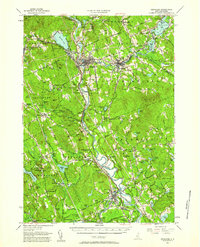 1956 Penacook1959 Print · USGSMerrimack County’s river valleys and rail lines are captured here in the mid-fifties, showing the industrial and civic hubs of Franklin and Penacook. Genealogists can locate family landmarks like Snyders Mill and Gerrish Corner or historic sites like the Daniel Webster Birthplace.3 unique versions available
 - 1956 Map of Holderness, 1959 Print
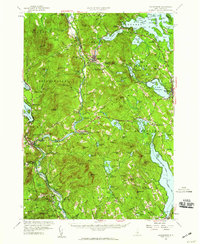 1956 Holderness1959 Print · USGSNew Hampshire’s Lakes Region and the Pemigewasset valley are captured here in the mid-fifties as the area’s rail-and-road network supported growing tourism and local industry. Genealogists can trace family sites at the Bay Meetinghouse, North Sanbornton, and small rural schoolhouses like River Road Sch.3 unique versions available
 - 1956 Map of Mt. Kearsarge, 1959 Print
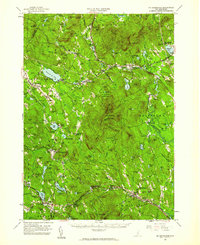 1956 Mt. Kearsarge1959 Print · USGSMerrimack County’s upland terrain and valley settlements are captured in the mid-1950s, showing the height of the region’s rail-and-resort character. Researchers can trace the Boston & Maine RR line through Potter Place and locate historic markers like Colby Jr College and Lake Massasecum.4 unique versions available
 - 1956 Map of Portland, 1963 Print
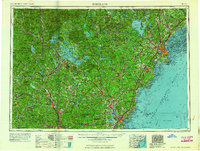 1956 Portland1963 Print · USGSSouthern Maine and eastern New Hampshire are captured here in the mid-fifties, during a time of major highway expansion and military growth. You can trace the path of the Maine Turnpike and locate landmarks like the Portsmouth Naval Shipyard and Sebago Lake.4 unique versions available
 - 1959 Map of Portland
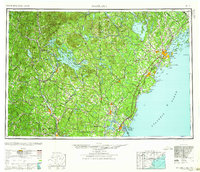 1959 Portland1959 Print · USGSThe Maine and New Hampshire coastlines meet in this mid-century portrait of maritime commerce and inland rail networks. Researchers can trace the legacy of coastal defense at Fort Williams and follow the historic path of the Maine Central RR through the White Mountain National Forest.2 unique versions available
 - 1963 Map of Portland
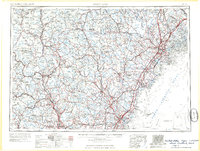 1963 Portland1963 Print · USGSCoastal Maine and New Hampshire thrived as maritime and industrial hubs during the mid-sixties, linked by a dense network of rail and river. Researchers can trace historic transit corridors like the Maine Central RR and locate key sites such as the Portsmouth Naval Shipyard or Pease Air Force Base.3 unique versions available
 - 1986 Map of Lake Winnipesaukee
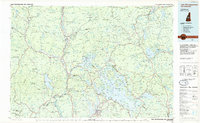 1986 Lake Winnipesaukee1986 Print · USGSThe Lakes Region in the mid-eighties shows a landscape of dense water bodies and mountain ranges at the peak of its twentieth-century character. Trace the legacy of old rail lines like the Boston and Maine RR and locate historic centers from Rumney Depot to Melvin Village.2 unique versions available
 - 1986 Map of Concord
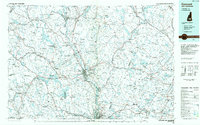 1986 Concord1986 Print · USGSCentral New Hampshire in the mid-eighties shows a landscape of river-valley cities and rural villages connected by the growing interstate system. Genealogists and historians can trace old community centers like Gilmanton Ironworks or follow the Boston and Maine Railroad through Concord and Tilton.
 - 1987 Map of Bristol
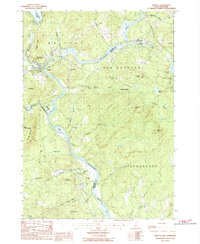 1987 Bristol1987 Print · USGSCentral New Hampshire in the late eighties reveals a landscape of river valleys and timbered peaks across Grafton and Belknap counties. Genealogists and hikers can trace family-named landmarks like Huses Mountain or explore Sugar Hill State Forest and New Hampton.
 - 1987 Map of Franklin
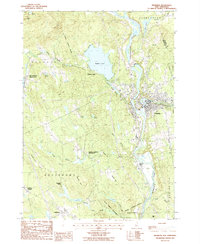 1987 Franklin1987 Print · USGSMerrimack County at the end of the 1980s shows a landscape defined by its famous river forks and the legacy of its early statesmen. Genealogists and historians can trace family-named sites from Webster Place to the Daniel Webster Birthplace, while mapping the development around Webster Lake and Franklin.
 - 1987 Map of New London
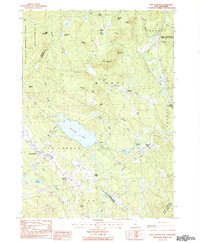 1987 New London1987 Print · USGSMerrimack County in the late eighties shows a landscape of established lakeside villages and upland forests. Researchers can trace the layout of Colby Jr College, find old landings at Pleasant Lake, and locate the historic South Danbury (Converse Sta).
 - 1987 Map of Andover
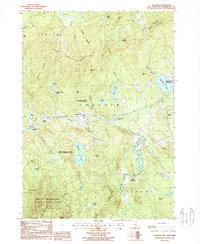 1987 Andover1987 Print · USGSMerrimack County comes into focus in the late eighties, documenting the enduring rural character of Andover and West Salisbury. Genealogists and historians can trace small communities like Cilleyville, Potter Place, and the old station at East Andover.
 - 1988 Map of Concord
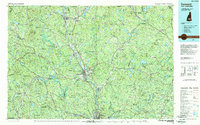 1988 Concord1988 Print · USGSCentral New Hampshire in the late eighties centers on the industrial and political hub of Concord. Researchers can trace the Boston and Maine RR along the Merrimack River or locate recreation landmarks like Bear Brook State Park and Massabesic Lake.
 - 1998 Map of New London, 2001 Print
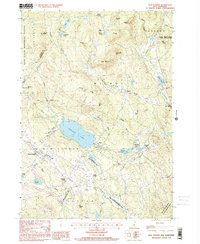 1998 New London2001 Print · USGSNew London and the surrounding hill towns are shown at the close of the twentieth century. Researchers can trace the layout of Colby Jr College, the historic station at South Danbury, and the village at Wilmot Flat.
 - 1998 Map of Andover, 2001 Print
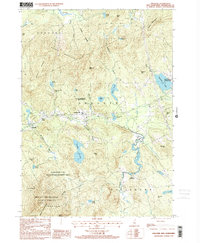 1998 Andover2001 Print · USGSMerrimack County at the close of the twentieth century shows a landscape of mountain forests and clustered lakeside villages. Genealogists and local historians can trace the foundations of Potter Place, Cilleyville, and East Andover alongside the slopes of Mount Kearsarge.
End of results
Showing maps 1-21 of 21
Top cities near Andover
- Concord historical maps
- Franklin historical maps
- Hopkinton historical maps
- Northfield historical maps
- New London historical maps
- Tilton historical maps
See more
Top neighborhoods of Andover
- Cilleyville historical maps
- Potter Place historical maps
- West Andover historical maps
- East Andover historical maps
Frequently asked questions
- What are the different types of historical maps available for Andover?
- What is the oldest map of Andover?
- Where can I purchase historical maps of Andover for my home or office?
- Where can I download high-res historical maps of Andover?
- Are there historical topographic maps available for Andover?
- Is there historical aerial imagery available for Andover?
- Where are historical maps of Andover sourced from?