Old Maps of Augusta, New York for Hiking & Exploration
Hike through history with 50 historic maps of Augusta. Explore old trails, ghost towns, and forgotten backroads — perfect for outdoor adventurers and local explorers.
- Rediscover forgotten places: Map out old mining camps, roads, and footpaths that no longer exist on modern maps.
- Layer with modern tools: Combine with LiDAR or satellite views to plan hikes through historical terrain.
- Made for exploration: Popular among hikers, overlanders, and local history lovers.
Use these maps to find adventure and explore the hidden past of Augusta.
Augusta, NY maps
(50)- 1895 Map of Oriskany
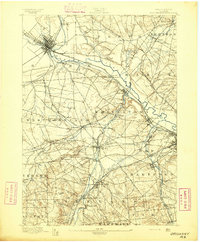 1895 Oriskany1895 Print · USGSOneida County at the end of the nineteenth century reveals a landscape defined by the great Mohawk valley canals and emerging industrial hamlets. Researchers can trace the path of the Erie Canal, find the Franklin Iron Works, and locate early educational landmarks like College Hill.
 - 1895 Map of Oneida
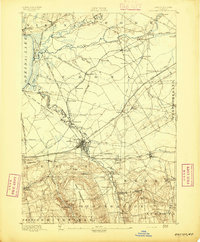 1895 Oneida1895 Print · USGSIn the 1890s, the landscape around Oneida was a busy hub of canal engineering and railway expansion. Genealogists and historians can trace the evolution of the Erie Canal, find the storied Oneida Community, or locate the historic site of Fort Bull.
 - 1898 Map of Oneida
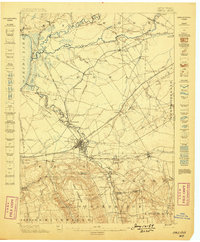 1898 Oneida1898 Print · USGSCentral New York at the end of the nineteenth century served as a vital crossroads of early American industry and canal technology. Genealogists and historians can trace the footprint of the Oneida Community, the fortifications of Fort Bull, and the intricate paths of the Erie Canal and Old Oneida Lake Canal.
 - 1898 Map of Oriskany
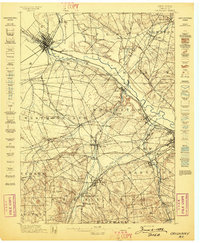 1898 Oriskany1898 Print · USGSOneida County at the close of the nineteenth century reveals a landscape defined by the intersection of the Erie Canal and major rail lines. Genealogists can trace family homes in Spencer Settlement, locate industrial sites like Hecla Works, or find the historic Oriskany Battle Monument.10 unique versions available
 - 1902 Map of Morrisville
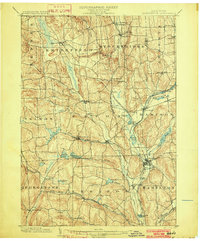 1902 Morrisville1902 Print · USGSMadison County at the turn of the century was a complex network of upland valleys shaped by the Chenango Canal and three major railroads. Genealogists and historians can trace old homesteads and local infrastructure near Morrisville, Hamilton, and the New York Ontario and Western RR.8 unique versions available
 - 1902 Map of Oneida
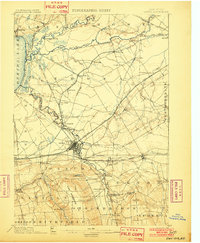 1902 Oneida1902 Print · USGSMadison and Oneida Counties at the turn of the century show a landscape defined by utopian heritage and a complex network of waterways. Genealogists and historians can trace the foundations of the Oneida Community, the path of the Erie Canal, and landmarks like Fort Bull.6 unique versions available
 - 1907 Map of Sangerfield
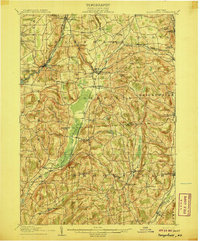 1907 Sangerfield1907 Print · USGSOneida and Madison counties meet at the height of the central New York hills in the early twentieth century. Genealogists and local historians can trace the positions of the Budlong Schoolhouse, the industrial activity at Mains Mills, and the path of the Cherry Valley Turnpike.6 unique versions available
 - 1939 Map of Oneida
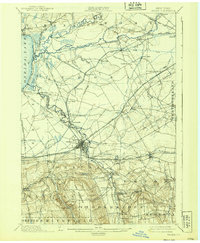 1939 Oneida1939 Print · USGSMadison and Oneida Counties are shown during a period of transition for New York's vital inland waterways and rail lines. Genealogists and historians can trace the paths of the Erie Canal and Old Oneida Lake Canal through settlements like Oneida Castle, Durhamville, and Verona.
 - 1943 Map of Sangerfield, 1960 Print
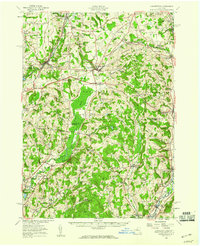 1943 Sangerfield1960 Print · USGSCentral New York's dairy and rail heartland is meticulously documented here during the mid-forties. Genealogists and local historians can trace family-named crossroads and rural schoolhouses like Doolittle Sch, Brothertown, and Greens Crossing.
 - 1943 Map of Munnsville, 1960 Print
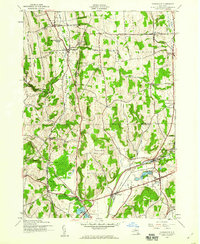 1943 Munnsville1960 Print · USGSMadison County's valley floor and upland ridges are captured here during the 1940s, showing a landscape defined by old transit routes. You can trace the Chenango Canal and the New York Ontario and Western RR past Bouckville and Solsville.2 unique versions available
 - 1943 Map of Oriskany Falls, 1960 Print
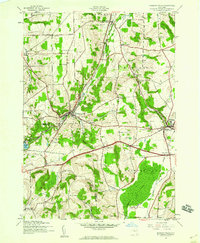 1943 Oriskany Falls1960 Print · USGSThe valleys of Oneida and Madison Counties were defined by a dual-railroad economy during the Second World War. Researchers can trace historic family lineages through sites like Thistle Cem, find rural schoolhouses like School No 10, or explore the village layouts of Waterville and Oriskany Falls.3 unique versions available
 - 1944 Map of Munnsville
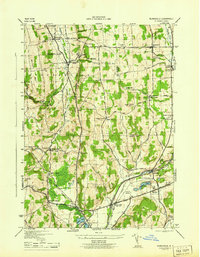 1944 Munnsville1944 Print · USGSMadison County during the mid-forties is depicted here as a landscape of established rail towns and hillside dairy farms. Genealogists can locate family landmarks like Cummings Cem and trace the paths of the New York Ontario and Western RR through Pratts Hollow and Bouckville.
 - 1944 Map of Oriskany Falls, 1957 Print
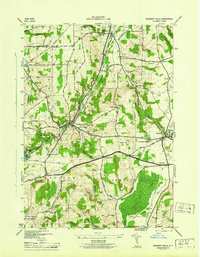 1944 Oriskany Falls1957 Print · USGSOneida and Madison counties are shown here during the mid-1940s, where rural industry and rail lines intersected the high country. Researchers can locate family landmarks like St Bernards Cem, the settlement at Forge Hollow, and the expanse of Nine Mile Swamp.2 unique versions available
 - 1946 Map of Oneida, 1952 Print
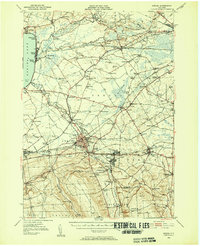 1946 Oneida1952 Print · USGSIn the mid-1940s, the corridor between Oneida Lake and the Erie Canal was a landscape of manufacturing towns and lakeside resorts. Genealogists and historians can trace the foundations of local communities through named landmarks like Oneida Castle, Irish Ridge Ch, and the Indian Sch.3 unique versions available
 - 1947 Map of Rome, 1952 Print
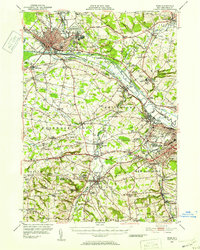 1947 Rome1952 Print · USGSMid-century Oneida County is captured here during the height of its industrial and military significance. Researchers can trace the paths of the Old Erie Canal, locate family roots near St Johns Cem, or study the grounds of Hamilton College.3 unique versions available
 - 1948 Map of Vernon
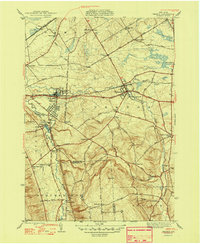 1948 Vernon1948 Print · USGSThe communities of Oneida and Madison counties thrive along the Seneca Turnpike in the late 1940s. Genealogists can trace family lines through Valley View Cem or locate old schoolhouses like the Indian Sch and Willow Valley Sch.2 unique versions available
 - 1948 Map of Binghamton, 1980 Print
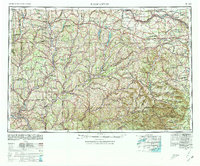 1948 Binghamton1980 Print · USGSCentral New York and the Southern Tier thrive in the late 1940s as a hub of rail traffic and mountain industry. Researchers can trace historic transit lines like the Erie Railroad through Binghamton or find old valley settlements near Oneonta and Delhi.
 - 1949 Map of Clinton
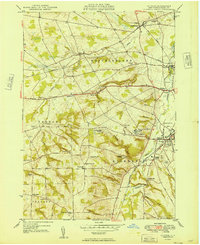 1949 Clinton1949 Print · USGSOneida County at mid-century reveals a landscape defined by the Oriskany Creek valley and the prominent campus of Hamilton College. Researchers can trace old family lines through Evergreen Cem or locate former mill sites near Farmers Mills and Franklin Springs.
 - 1950 Map of Binghamton
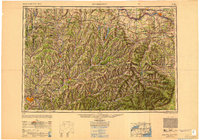 1950 Binghamton1950 Print · USGSBinghamton and the surrounding Southern Tier are shown in the mid-century era, highlighting the intricate rail and river networks that drove local industry. Researchers can trace the path of the Erie Railroad and locate landmarks from Otsego Lake to Sidney Mountain.2 unique versions available
 - 1950 Map of Utica, 1951 Print
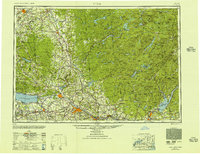 1950 Utica1951 Print · USGSCentral New York in the post-war era showcases the industrial Mohawk Valley and the pristine Adirondack interior. Researchers can trace transportation networks like the New York Central Railroad and find early Cold War sites such as Griffiss Air Force Base.
 - 1955 Map of Clinton, 1957 Print
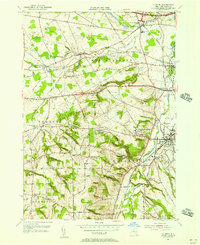 1955 Clinton1957 Print · USGSOneida County's educational and transit hubs are captured in the mid-1950s, featuring the extensive campus of Hamilton College. Researchers can locate old family burial sites like Bronson Cem and trace historic routes such as the Seneca Turnpike.2 unique versions available
 - 1955 Map of Vernon, 1957 Print
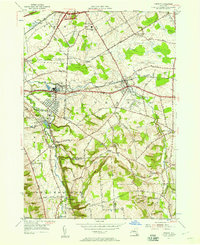 1955 Vernon1957 Print · USGSOneida and Madison Counties meet along Oneida Creek during the mid-1950s, showing a landscape defined by historic hamlets and the expanding New York Thruway. Researchers can trace family roots at Valley View Cemetery or locate the Indian Church and old landmarks like Valley Mills.2 unique versions available
 - 1957 Map of Utica
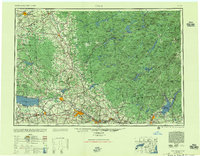 1957 Utica1957 Print · USGSCentral New York and the Adirondack foothills are captured here in the mid-fifties, showing a landscape defined by the Mohawk River corridor and the growing highway system. Genealogists and researchers can trace the rail lines of the New York Central and locate communities from Lowville to Gloversville.
 - 1958 Map of Binghamton
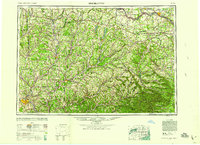 1958 Binghamton1958 Print · USGSCentral New York in the late fifties was a network of manufacturing cities and river valleys connected by vital rail lines. Genealogists and historians can trace family roots in Oneonta, Norwich, and Cooperstown or locate long-standing farms along Schoharie Creek.
 - 1962 Map of Utica
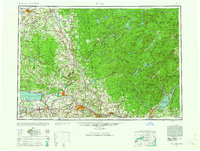 1962 Utica1962 Print · USGSCentral New York and the Adirondack wilderness are captured here during the mid-century era of highway and industrial expansion. Genealogists and historians can trace the development of the New York State Thruway and local rail lines connecting Utica, Rome, and Gloversville.3 unique versions available
Showing maps 1-25 of 50
Top cities near Augusta
- Utica historical maps
- Rome historical maps
- New Hartford historical maps
- Whitestown historical maps
- Oneida historical maps
- Kirkland historical maps
See more
Top neighborhoods of Augusta
Frequently asked questions
- What are the different types of historical maps available for Augusta?
- What is the oldest map of Augusta?
- Where can I purchase historical maps of Augusta for my home or office?
- Where can I download high-res historical maps of Augusta?
- Are there historical topographic maps available for Augusta?
- Is there historical aerial imagery available for Augusta?
- Where are historical maps of Augusta sourced from?