Old Maps of Pine Hill, Shandaken for Hiking & Exploration
Hike through history with 22 historic maps of Pine Hill. Explore old trails, ghost towns, and forgotten backroads — perfect for outdoor adventurers and local explorers.
- Rediscover forgotten places: Map out old mining camps, roads, and footpaths that no longer exist on modern maps.
- Layer with modern tools: Combine with LiDAR or satellite views to plan hikes through historical terrain.
- Made for exploration: Popular among hikers, overlanders, and local history lovers.
Use these maps to find adventure and explore the hidden past of Pine Hill.
Pine Hill, Shandaken maps
(22)- 1900 Map of Phoenicia, 1963 Print
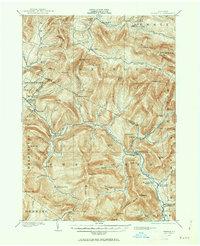 1900 Phoenicia1963 Print · USGSThe high Catskills at the turn of the century are captured here in a moment of emerging tourism and mountain settlement. Genealogists and hikers can trace the original locations of the Grand Hotel, the remote Winnisook Lodge, and the rail stops at Mt Pleasant Station.
 - 1903 Map of Phoenicia
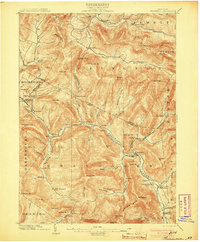 1903 Phoenicia1903 Print · USGSThe Catskills come alive at the turn of the century, showing the mountain rail corridor and early grand resorts. Researchers can trace the Ulster and Delaware line through Phoenicia to the Highmount Grand Hotel and Winnisook Lodge.9 unique versions available
 - 1945 Map of West Kill, 1946 Print
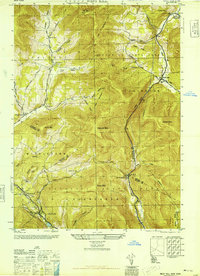 1945 West Kill1946 Print · USGSThe High Peaks region of the Catskills is captured here at the close of the 1940s, showing a landscape defined by deep valleys and timbered ridges. Genealogists can trace family names and sites like Halcott Cem, Bushnellsville, and several local schoolhouses including School No 2.
 - 1946 Map of Shandaken
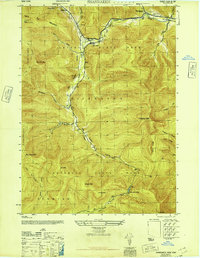 1946 Shandaken1946 Print · USGSThe central Catskills in the mid-1940s were defined by a rail-and-river economy tightly constrained by some of the region's highest peaks. Genealogists and historians can trace the early infrastructure of Big Indian and Oliverea or locate rural landmarks like School No 4 and the Belleayr Lookout Tower.2 unique versions available
 - 1948 Map of Binghamton, 1980 Print
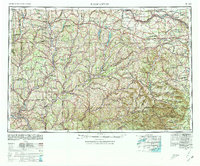 1948 Binghamton1980 Print · USGSCentral New York and the Southern Tier thrive in the late 1940s as a hub of rail traffic and mountain industry. Researchers can trace historic transit lines like the Erie Railroad through Binghamton or find old valley settlements near Oneonta and Delhi.
 - 1950 Map of Binghamton
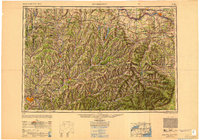 1950 Binghamton1950 Print · USGSBinghamton and the surrounding Southern Tier are shown in the mid-century era, highlighting the intricate rail and river networks that drove local industry. Researchers can trace the path of the Erie Railroad and locate landmarks from Otsego Lake to Sidney Mountain.2 unique versions available
 - 1958 Map of Binghamton
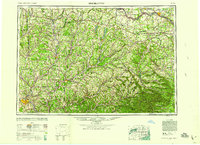 1958 Binghamton1958 Print · USGSCentral New York in the late fifties was a network of manufacturing cities and river valleys connected by vital rail lines. Genealogists and historians can trace family roots in Oneonta, Norwich, and Cooperstown or locate long-standing farms along Schoharie Creek.
 - 1960 Map of Shandaken, 1961 Print
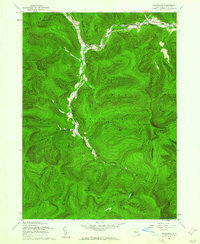 1960 Shandaken1961 Print · USGSThe northern Catskills appear in great detail during the early sixties, showing the rail-and-river corridor through Big Indian and Shandaken. Trace the high-altitude Winnisook Club near Slide Mtn or follow the New York Central line as it snakes along Esopus Creek.4 unique versions available
 - 1960 Map of West Kill, 1962 Print
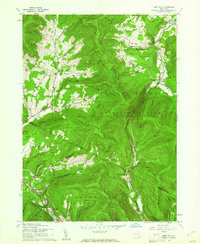 1960 West Kill1962 Print · USGSThe high Catskills of Greene, Ulster, and Delaware counties appear in this mid-century survey as a landscape of isolated mountain hollows and narrow valley roads. Genealogists and local historians can locate Halcott Cem, trace the New York Central rail line near Highmount, and find early school sites like the Hunter Tannersville Central Sch.3 unique versions available
 - 1963 Map of Binghamton
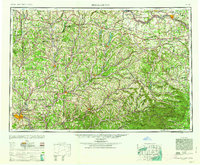 1963 Binghamton1963 Print · USGSThe Southern Tier and Catskill peaks are shown in the early sixties as new reservoirs reshaped the valleys. Trace historic rail corridors like the Erie Lackawanna RR and explore lakeside settlements such as Cooperstown and Oneonta.
 - 1986 Map of Pepacton Reservoir
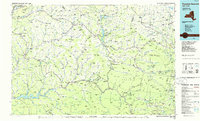 1986 Pepacton Reservoir1986 Print · USGSThe Catskills in the mid-eighties show a landscape shaped by the Pepacton Reservoir and protected wilderness. Local historians can trace mountain rail corridors like the Delaware & Ulster RR and locate high-elevation landmarks from Slide Mountain to Hunter Mountain.2 unique versions available
 - 1997 Map of Shandaken, 2001 Print
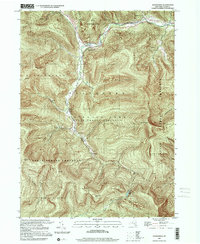 1997 Shandaken2001 Print · USGSHigh peaks and deep hollows define this Ulster County landscape in the late nineties, where mountain hamlets sit within protected forest land. Trace the steep terrain between Slide Mtn and Panther Mtn or find old valley markers like Winnisook Lake and Big Indian.
 - 2010 Map of Shandaken, 2010 Print
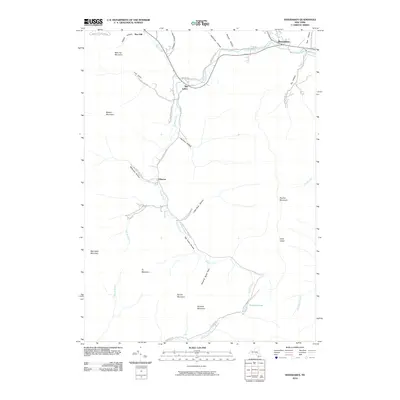 2010 Shandaken2010 Print · USGSThe high peaks and deep valleys of the Catskills define the landscape of Ulster County during the early twenty-first century. Researchers can trace the narrow settlement patterns along Esopus Creek and locate remote landmarks like Winnisook Lake and Giant Ledge.
 - 2010 Map of West Kill, 2010 Print
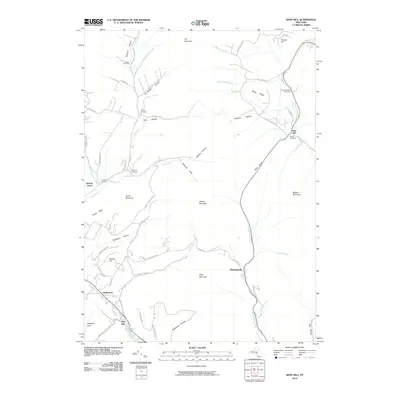 2010 West Kill2010 Print · USGSThe high Catskill valleys of Delaware and Greene Counties appear in detail in the early twenty-first century. Researchers can trace remote family burial sites like Schermerhorn Cemetery and Elk Creek Cemetery or explore the rugged passes of Deep Notch.
 - 2013 Map of West Kill, 2013 Print
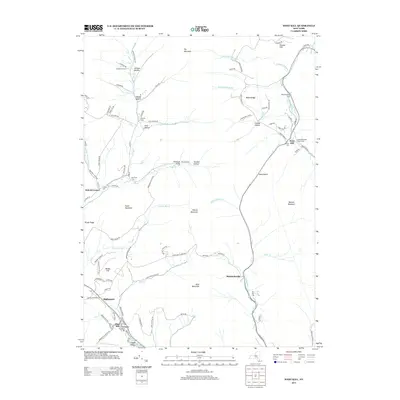 2013 West Kill2013 Print · USGSThe high peaks and deep hollows of the Catskills are meticulously detailed in this 2013 survey of Delaware County and its neighbors. Genealogists and hikers can trace historic burial sites like Schermerhorn Cem or follow the old Ulster & Delaware rail route near Pine Hill.
 - 2013 Map of Shandaken, 2013 Print
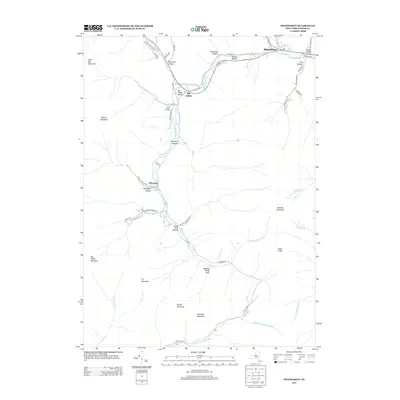 2013 Shandaken2013 Print · USGSThe Catskill high peaks and narrow valley settlements of Ulster County are shown here in the early twenty-first century. Genealogists and hikers can trace local routes like Fox Hollow Rd and locate landmarks such as Winnisook Lake or Hanging Birds Nest.
 - 2016 Map of West Kill, 2016 Print
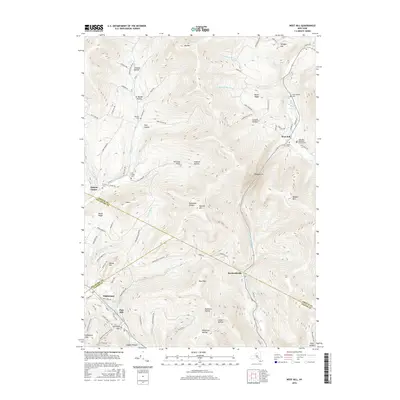 2016 West Kill2016 Print · USGSThe high peaks and deep hollows of the Catskills are captured in the late 2010s. Researchers can locate numerous family burial grounds like Schermerhorn Cem, the Ulster rail corridor near Pine Hill, and the steep pass of Deep Notch.
 - 2016 Map of Shandaken, 2016 Print
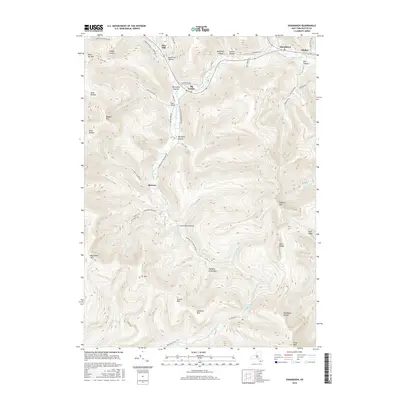 2016 Shandaken2016 Print · USGSShandaken and the high peaks of Ulster County are mapped here in the mid-2010s, showing the intersection of mountain hamlets and wilderness. Genealogists and hikers can trace paths through Big Indian, Oliverea, and Woodland Valley, or locate landmarks like Winnisook Lake.
 - 2019 Map of West Kill, 2019 Print
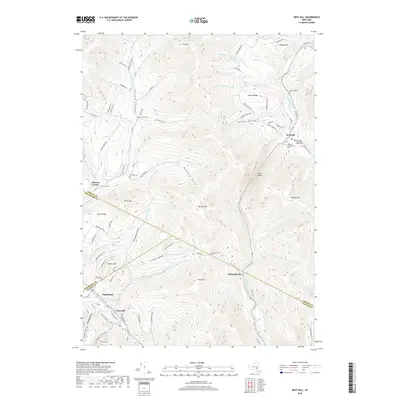 2019 West Kill2019 Print · USGSThe Catskill high country comes into focus in this late twenty-first-century survey of the Delaware, Greene, and Ulster county borders. Genealogists can locate family names at the Schermerhorn Cem or trace the rural history of Halcott Center and West Kill.
 - 2019 Map of Shandaken, 2019 Print
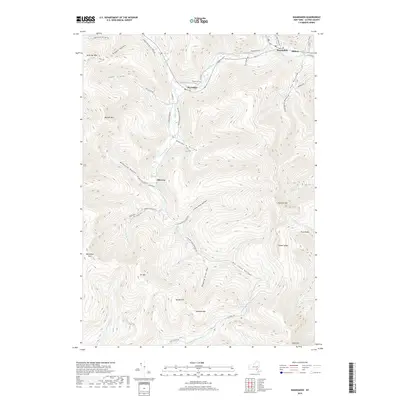 2019 Shandaken2019 Print · USGSThe high Catskill peaks of Ulster County are shown in detail here during the late twenty-teens. Genealogists and hikers can trace the mountain hamlets of Big Indian and Oliverea or locate high-elevation landmarks like Winnisook Lake and the slopes of Slide Mtn.
 - 2023 Map of Shandaken, 2023 Print
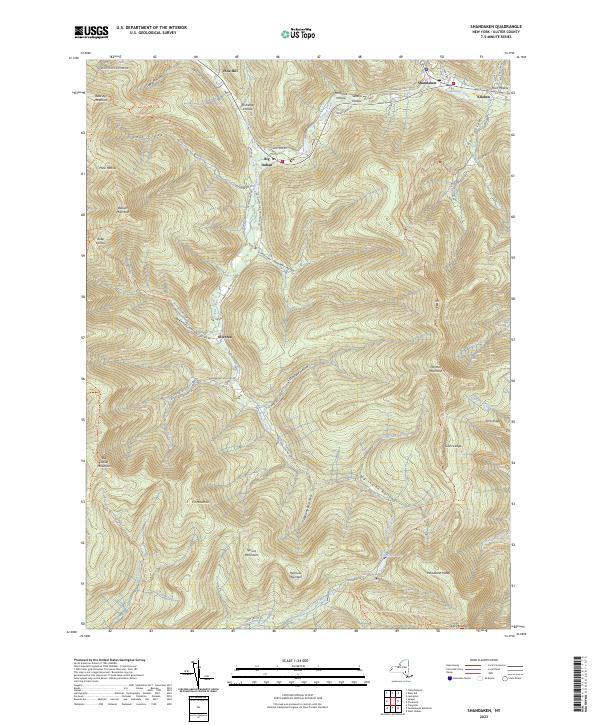 2023 Shandaken2023 Print · USGSThe high peaks of Ulster County are captured here in the early twenty-first century, showing the enduring hamlets and summits of the Catskills. Genealogists and hikers can trace the geography of Big Indian, Oliverea, and the high ridges of Slide Mountain.
 - 2023 Map of West Kill, 2023 Print
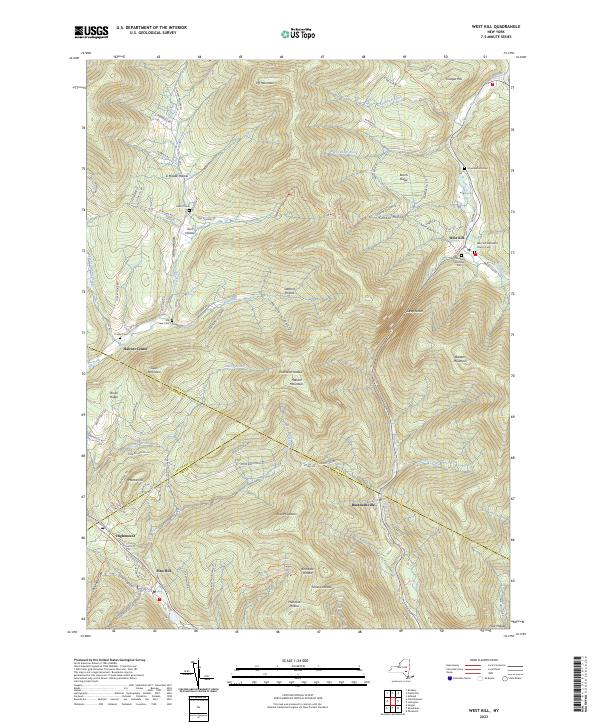 2023 West Kill2023 Print · USGSThe High Peaks of the Catskills meet at the Greene, Delaware, and Ulster county lines in this modern topographic study. Genealogists can locate family landmarks like the Schermerhorn Cem, Halcott Cem, and the village of Bushnellsville.
End of results
Showing maps 1-22 of 22
Top cities near Pine Hill
- Rochester historical maps
- Woodstock historical maps
- Marbletown historical maps
- Olive historical maps
- Neversink historical maps
- Middletown historical maps
See more
Top neighborhoods of Pine Hill
Frequently asked questions
- What are the different types of historical maps available for Pine Hill?
- What is the oldest map of Pine Hill?
- Where can I purchase historical maps of Pine Hill for my home or office?
- Where can I download high-res historical maps of Pine Hill?
- Are there historical topographic maps available for Pine Hill?
- Is there historical aerial imagery available for Pine Hill?
- Where are historical maps of Pine Hill sourced from?