Old Maps of Ossining, New York for Hiking & Exploration
Hike through history with 39 historic maps of Ossining. Explore old trails, ghost towns, and forgotten backroads — perfect for outdoor adventurers and local explorers.
- Rediscover forgotten places: Map out old mining camps, roads, and footpaths that no longer exist on modern maps.
- Layer with modern tools: Combine with LiDAR or satellite views to plan hikes through historical terrain.
- Made for exploration: Popular among hikers, overlanders, and local history lovers.
Use these maps to find adventure and explore the hidden past of Ossining.
Ossining, NY maps
(39)- 1892 Map of Tarrytown
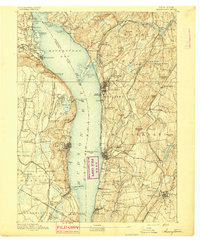 1892 Tarrytown1892 Print · USGSThe Hudson River valley in the late nineteenth century was a corridor of engineering and industrial growth. Researchers can trace the path of the Croton Aqueduct, locate the State Prison at Sing Sing, or find family names near Merritts Corners and Samsondale.
 - 1893 Map of Tarrytown
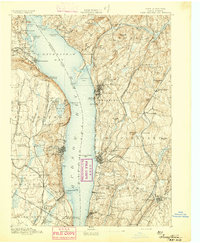 1893 Tarrytown1893 Print · USGSThe Hudson Valley was a powerhouse of transit and utility in the late 1800s, serving as the corridor for New York’s water and rail networks. Genealogists can trace family names and old landings from Haverstraw to Tarrytown, including features like the State Prison and the massive Croton Dam.3 unique versions available
 - 1902 Map of Tarrytown
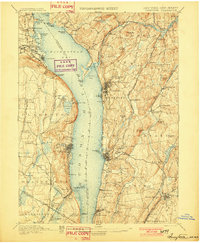 1902 Tarrytown1902 Print · USGSThe Hudson River valley at the turn of the century shows a landscape of busy river landings and nascent suburbs. Genealogists and historians can trace old homesteads and landmarks like Waldberg Landing, the State Prison at Ossining, and the Croton Aqueduct.11 unique versions available
 - 1932 Map of White Plains
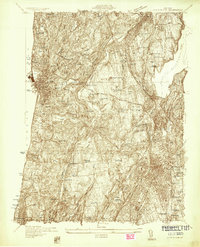 1932 White Plains1932 Print · USGSWestchester County's evolving landscape is captured here in the early thirties, showing the dense growth of the county seat alongside massive institutional estates. Genealogists and historians can locate families in White Plains or trace the early grounds of Marymount College and Sleepy Hollow Cemetery.
 - 1936 Map of Ossining
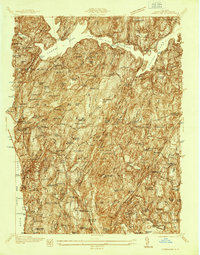 1936 Ossining1936 Print · USGSWestchester County in the mid-thirties exhibits a landscape of growing suburban centers and massive public works. Genealogists and historians can trace the foundations of Briarcliff Manor and Pleasantville, alongside landmarks like Sing Sing State Prison and the Croton Dam.
 - 1937 Map of Tarrytown
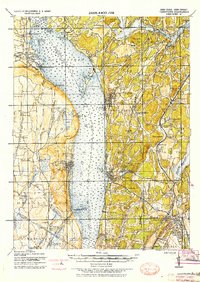 1937 Tarrytown1937 Print · USGSThe Hudson River valley during the 1930s serves as a busy corridor of rail, water, and infrastructure. Genealogists and local historians can trace the old landings at Waldberg Landing, the grounds of the State Prison in Ossining, and the rail lines through Nyack.
 - 1938 Map of Haverstraw
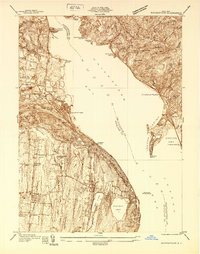 1938 Haverstraw1938 Print · USGSThe lower Hudson River corridor comes alive in this late 1930s survey of the bustling industrial and commuter towns along the riverbanks. Researchers can trace the path of the West Shore RR, find family roots at St Peters Cem, or locate the New York Reconstruction Home.
 - 1938 Map of White Plains
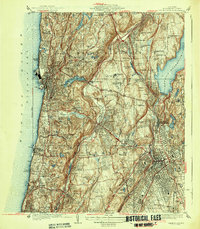 1938 White Plains1938 Print · USGSWestchester County in the late 1930s is a landscape of grand estates, institutional campuses, and thriving commuter rail towns. Researchers can trace family history through the Gate of Heaven Cemetery, locate historic sites like Kykuit, or study the grounds of Marymount College and the Bloomingdale Asylum.3 unique versions available
 - 1943 Map of Haverstraw
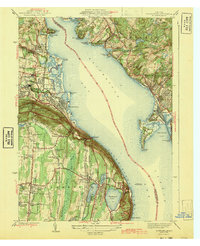 1943 Haverstraw1943 Print · USGSThe Hudson River's wide reach at the Tappan Zee is documented here during the early years of the war. Researchers can trace local heritage through the Rockland Lighthouse, family-named landings like Snedeker Landing, and early aviation at Christie Airport.2 unique versions available
 - 1943 Map of Ossining
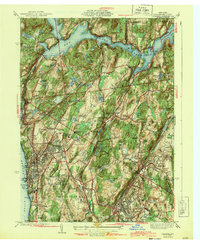 1943 Ossining1943 Print · USGSMid-century Westchester County comes into focus as the riverfront villages expand into the surrounding hills. Genealogists and historians can trace the grounds of Sing Sing Prison, the Maryknoll Seminary, and the storied Sleepy Hollow Country Club.4 unique versions available
 - 1947 Map of White Plains
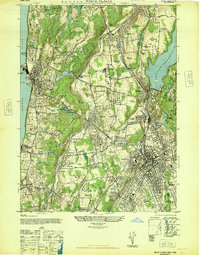 1947 White Plains1947 Print · USGSMid-century Westchester County comes alive in this survey of the riverfront and inland townships during the post-war building boom. Genealogists and historians can locate prominent institutions and landmarks like the Bloomingdale Asylum, Marymount College, and Sleepy Hollow Cem.
 - 1947 Map of Hartford, 1955 Print
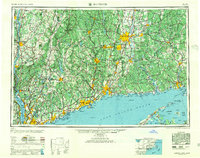 1947 Hartford1955 Print · USGSSouthern New England and the Hudson Valley are shown in detail during the post-war expansion era. Genealogists and researchers can trace local landmarks from the State Capitol and Yale University to the Stratford Lighthouse and Woodlawn Cem.2 unique versions available
 - 1948 Map of Hartford
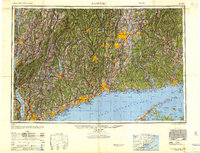 1948 Hartford1948 Print · USGSSouthern New England is captured here in the late 1940s, showcasing a landscape of thriving industrial cities and developing parkways. Genealogists and historians can trace the rail networks of the New York New Haven and Hartford RR or locate coastal defense sites like Fort Terry and Camp Shanks.2 unique versions available
 - 1955 Map of Ossining, 1958 Print
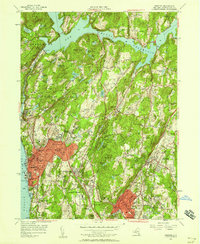 1955 Ossining1958 Print · USGSWestchester County's riverfront and wooded interior are shown here during the mid-fifties, just as suburban expansion began to accelerate. Researchers can trace the grounds of Sing Sing Prison, local family landmarks like Barnum Cem, and the historic campus of Briarcliff Manor.2 unique versions available
 - 1955 Map of Haverstraw, 1958 Print
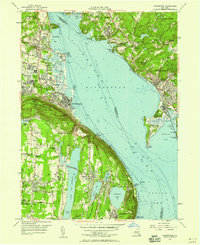 1955 Haverstraw1958 Print · USGSThe Hudson River valley during the mid-1950s shows a region of rising suburban life and deep-seated river history. Genealogists and local historians can locate the State Rehabilitation Hospital, Mount Repose Cemetery, and the riverfront Rockland Lighthouse.2 unique versions available
 - 1957 Map of White Plains, 1959 Print
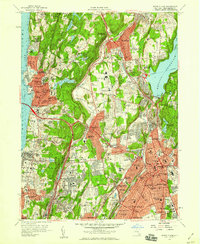 1957 White Plains1959 Print · USGSMid-century Westchester County is undergoing a massive transformation with the arrival of the Tappan Zee Bridge and the expansion of the regional parkway system. Genealogists and local historians can trace old family names and institutions across Philipse Manor, Kensico Cemetery, and Marymount College.2 unique versions available
 - 1961 Map of Hartford
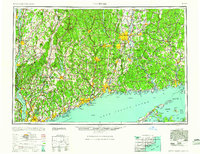 1961 Hartford1961 Print · USGSSouthern New England and the Hudson Valley are shown here in the mid-fifties, capturing a landscape of booming coastal cities and interior hill towns. Researchers can trace the legacy of the New York New Haven and Hartford rail corridor and find strategic sites like Camp Shanks and Fort Michie.
 - 1962 Map of Hartford, 1971 Print
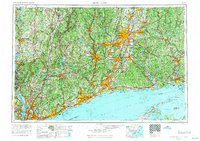 1962 Hartford1971 Print · USGSSouthern New England and the Hudson Valley are shown in the early sixties, as suburban growth reached into the foothills. Trace the path of the New York New Haven & Hartford RR and find landmarks like Camp Nathan Hale and Gillette Castle State Park.3 unique versions available
 - 1965 Map of Hartford
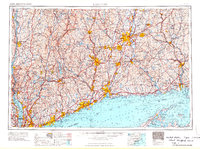 1965 Hartford1965 Print · USGSSouthern New England and the Hudson Valley are shown here during the mid-sixties expansion of the Interstate era. Trace the path of the New York New Haven & Hartford RR or locate historic landmarks like West Point Military Reservation and the Merritt Parkway.2 unique versions available
 - 1967 Map of Ossining, 1969 Print
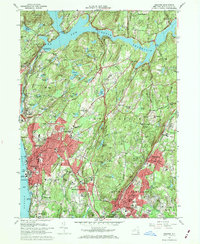 1967 Ossining1969 Print · USGSWestchester County in the mid-sixties reveals a landscape of massive civil engineering and academic institutions. Trace the historic Old Croton Aqueduct, locate the riverside Sing Sing Prison, and explore old landmarks like Maryknoll Seminary and the Emery Mines.4 unique versions available
 - 1967 Map of White Plains, 1969 Print
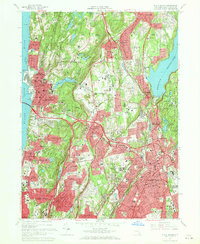 1967 White Plains1969 Print · USGSSuburban Westchester County comes into focus in the late sixties as new parkways and residential developments expand between the Hudson River and White Plains. Trace family sites at Sleepy Hollow Cemetery, Marymount College, and the sprawling Kensico Cemetery.3 unique versions available
 - 1967 Map of Haverstraw, 1969 Print
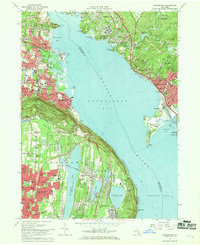 1967 Haverstraw1969 Print · USGSThe Hudson River's wide Haverstraw Bay is captured here in the late sixties, showing the suburban growth of Rockland and Westchester counties. Genealogists can locate family landmarks like Hillside Cem, Mount Repose Cemetery, and the Stony Point Lighthouse.
 - 1979 Map of Haverstraw
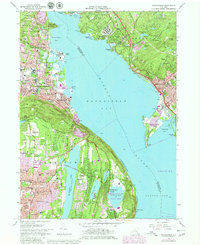 1979 Haverstraw1979 Print · USGSHaverstraw and the Hudson River banks show significant suburban and institutional growth by the late seventies. Researchers can locate family sites and landmarks like the Stony Point Lighthouse, Mount Repose Cemetery, and the F D Roosevelt VA Hospital.
 - 1986 Map of Bridgeport
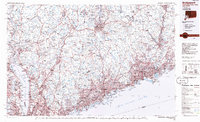 1986 Bridgeport1986 Print · USGSSpanning the New York and Connecticut border in the mid-eighties, this survey shows the dense rail and parkway network connecting the Hudson to the Sound. Researchers can trace the massive New Croton Reservoir system or locate landmarks like the West Point U.S. Military Academy.3 unique versions available
 - 2010 Map of Haverstraw, 2010 Print
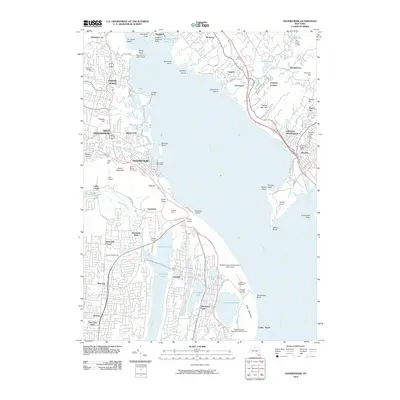 2010 Haverstraw2010 Print · USGSThe Hudson River shoreline and its steep ridges are captured here during the first decade of the new millennium. Researchers can trace the legacy of the riverfront through sites like the Stony Point Light House, Treason Hill, and Mount Repose Cemetery.
Showing maps 1-25 of 39
Top cities near Ossining
- Oyster Bay historical maps
- Yonkers historical maps
- Ramapo historical maps
- Greenburgh historical maps
- Clarkstown historical maps
- New Rochelle historical maps
See more
Top neighborhoods of Ossining
Frequently asked questions
- What are the different types of historical maps available for Ossining?
- What is the oldest map of Ossining?
- Where can I purchase historical maps of Ossining for my home or office?
- Where can I download high-res historical maps of Ossining?
- Are there historical topographic maps available for Ossining?
- Is there historical aerial imagery available for Ossining?
- Where are historical maps of Ossining sourced from?