Old Maps of Pound Ridge, New York for Academic Research
Study the evolution of Pound Ridge with 29 high-resolution historic maps. Whether you're teaching, researching, or modeling changes in land use, these maps provide essential visual documentation of urban, environmental, and geographic change.
- Analyze long-term change: Track patterns in development, transportation, and natural features.
- Ideal for environmental or urban studies: Support academic projects with primary historical map data.
- Use in the classroom or lab: Educators and researchers rely on these maps to bring historical context to life.
These maps are a powerful tool for teaching, research, and visualizing how Pound Ridge has changed over the decades.
Pound Ridge, NY maps
(29)- 1892 Map of Stamford
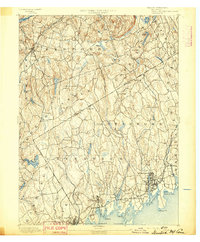 1892 Stamford1892 Print · USGSThe Connecticut and New York borderlands meet in the late nineteenth century, showing a coastal landscape defined by early rail lines and maritime harbors. Genealogists and local historians can trace family-named sites and vanished post offices from Banksville and Stanwich to the docks of Coscob Harbor.
 - 1892 Map of Carmel
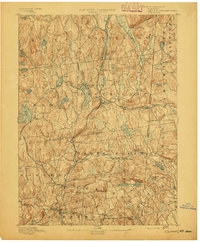 1892 Carmel1892 Print · USGSThe Putnam and Westchester borderlands are captured here in the late 1800s, showcasing a landscape of critical rail junctions and expanding reservoirs. Genealogists and historians can trace family-named sites like Coles Mills and Towner, or follow the industrial activity at the Tilly Foster Mine.
 - 1893 Map of Carmel
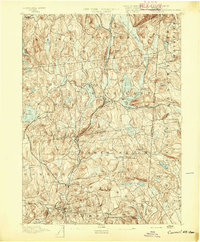 1893 Carmel1893 Print · USGSLower New York and western Connecticut appear here in the final decade of the nineteenth century, as the Croton watershed was being engineered for the city. Genealogists and historians can trace rail lines like the Mahopac Branch and find local landmarks such as the Tilly Foster Mine and Somers Center.
 - 1893 Map of Stamford
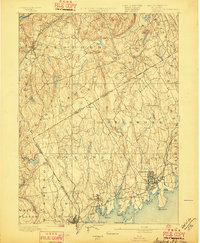 1893 Stamford1893 Print · USGSThe Connecticut and New York borderlands near the Long Island Sound come alive in this late nineteenth-century study of maritime and rail connectivity. Genealogists and local historians can trace the early development of Stamford, Greenwich, and Port Chester along the shoreline, or locate inland crossroads like Armonk and Banksville.
 - 1894 Map of Carmel
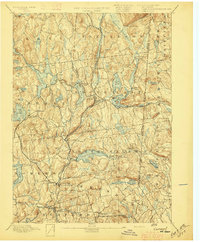 1894 Carmel1894 Print · USGSLower New York and western Connecticut appear here in the late nineteenth century as the Croton watershed was being heavily reshaped. Researchers can trace the early footprints of Brewster, the depths of the Tilly Foster Mine, and the original rail paths of the Mahopac Branch.8 unique versions available
 - 1899 Map of Stamford
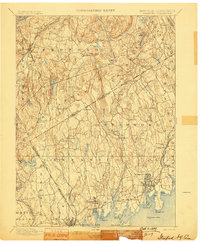 1899 Stamford1899 Print · USGSCoastal Connecticut and southeastern New York thrive at the turn of the century as the rail networks expand through the hills and shorelines. Researchers can trace historic property boundaries and early village sites like Banksville, Scott Corners, and the maritime approaches near Stamford Harbor L.H.13 unique versions available
 - 1928 Map of Carmel
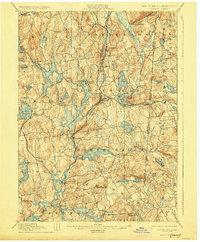 1928 Carmel1928 Print · USGSNear the New York and Connecticut border during the late 1920s, this landscape shows a network of massive reservoirs built to serve the city. Genealogists and historians can trace rail-era developments like the New York and Harlem RR and locate sites such as the Tilly Foster Mine and Farmers Mills.5 unique versions available
 - 1945 Map of Peach Lake
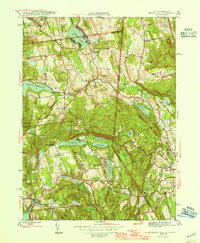 1945 Peach Lake1945 Print · USGSThe hills of Westchester and Fairfield counties appear in the mid-1940s, revealing a landscape defined by glacial lakes and old turnpike crossings. Genealogists can trace family lines through June Cem, the Peach Lake Meeting House, and landmarks in South Salem.3 unique versions available
 - 1946 Map of Peach Lake
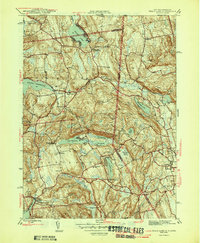 1946 Peach Lake1946 Print · USGSThe New York and Connecticut border country comes alive in the mid-1940s, showing a landscape of lakeside hamlets and rising reservoirs. Genealogists and historians can trace local roots through landmarks like the Peach Lake Meeting House, Lewisboro Sch, and Drews Cliff Cem.2 unique versions available
 - 1947 Map of Pound Ridge
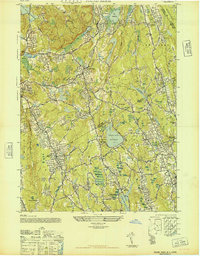 1947 Pound Ridge1947 Print · USGSThe Westchester and Fairfield county line was a landscape of estates and massive reservoirs in the late 1940s. Genealogists and historians can trace the foundations of Scott Corners, the historic Sunset Home (County Poor Farm), and the grounds of the Childs Estate.
 - 1947 Map of Hartford, 1955 Print
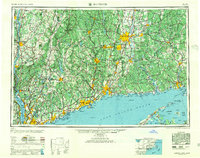 1947 Hartford1955 Print · USGSSouthern New England and the Hudson Valley are shown in detail during the post-war expansion era. Genealogists and researchers can trace local landmarks from the State Capitol and Yale University to the Stratford Lighthouse and Woodlawn Cem.2 unique versions available
 - 1948 Map of Hartford
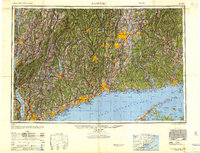 1948 Hartford1948 Print · USGSSouthern New England is captured here in the late 1940s, showcasing a landscape of thriving industrial cities and developing parkways. Genealogists and historians can trace the rail networks of the New York New Haven and Hartford RR or locate coastal defense sites like Fort Terry and Camp Shanks.2 unique versions available
 - 1951 Map of Pound Ridge, 1953 Print
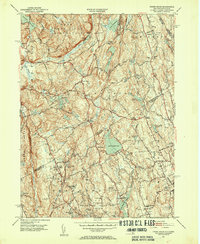 1951 Pound Ridge1953 Print · USGSThe New York and Connecticut borderlands appear here in the early fifties, showing the rural character of Westchester and Fairfield counties before significant suburbanization. Trace local heritage through family landmarks like Becks Hill and numerous burial sites such as Pound Ridge Cem and Waterbury Cem.3 unique versions available
 - 1958 Map of Peach Lake, 1960 Print
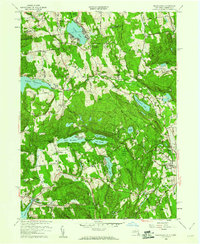 1958 Peach Lake1960 Print · USGSThe New York and Connecticut state line bisects this mid-century landscape of reservoir waters and quiet village centers. Genealogists and local historians can trace family sites at Mead Cem, St Johns Ch, and the old Township Sch.7 unique versions available
 - 1960 Map of Pound Ridge, 1961 Print
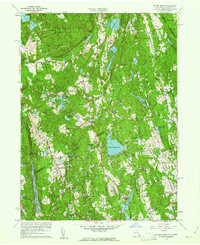 1960 Pound Ridge1961 Print · USGSThe borderlands of New York and Connecticut are captured here during the post-war growth of the early sixties. Researchers can find numerous small family cemeteries like Williams Cem and Waterbury Cem or trace the early paths of the Merritt Pkwy and Mianus River Gorge.4 unique versions available
 - 1961 Map of Hartford
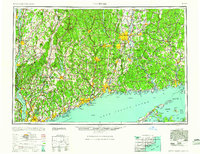 1961 Hartford1961 Print · USGSSouthern New England and the Hudson Valley are shown here in the mid-fifties, capturing a landscape of booming coastal cities and interior hill towns. Researchers can trace the legacy of the New York New Haven and Hartford rail corridor and find strategic sites like Camp Shanks and Fort Michie.
 - 1962 Map of Hartford, 1971 Print
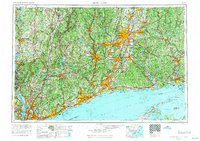 1962 Hartford1971 Print · USGSSouthern New England and the Hudson Valley are shown in the early sixties, as suburban growth reached into the foothills. Trace the path of the New York New Haven & Hartford RR and find landmarks like Camp Nathan Hale and Gillette Castle State Park.3 unique versions available
 - 1965 Map of Hartford
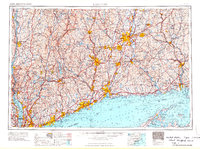 1965 Hartford1965 Print · USGSSouthern New England and the Hudson Valley are shown here during the mid-sixties expansion of the Interstate era. Trace the path of the New York New Haven & Hartford RR or locate historic landmarks like West Point Military Reservation and the Merritt Parkway.2 unique versions available
 - 1986 Map of Bridgeport
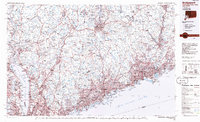 1986 Bridgeport1986 Print · USGSSpanning the New York and Connecticut border in the mid-eighties, this survey shows the dense rail and parkway network connecting the Hudson to the Sound. Researchers can trace the massive New Croton Reservoir system or locate landmarks like the West Point U.S. Military Academy.3 unique versions available
 - 1998 Map of Peach Lake, 2001 Print
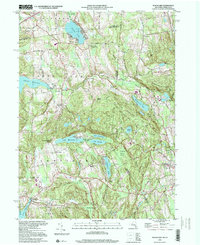 1998 Peach Lake2001 Print · USGSThe New York and Connecticut borderlands appear here in the late 1990s as a landscape of ridges and reservoir-fed valleys. Genealogists can locate family sites near St Johns Ch, North Salem, and the Peach Lake Meetinghouse.
 - 2010 Map of Peach Lake, 2010 Print
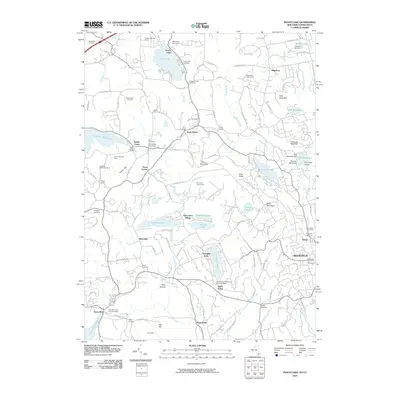 2010 Peach Lake2010 Print · USGSThe Westchester and Fairfield county borderlands are shown here in the early 2000s, centered on a network of reservoirs and suburban hamlets. Genealogists can trace dozens of burial sites including Cat Ridge Baptist Cemetery and Reynolds-Cross River Cemetery near Truesdale Lake.
 - 2013 Map of Peach Lake, 2013 Print
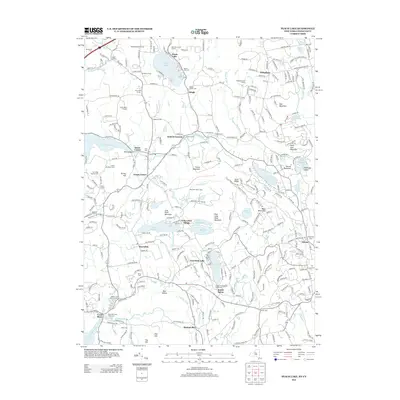 2013 Peach Lake2013 Print · USGSThe Westchester and Fairfield county borderlands are shown here in the early 2010s, defined by a network of crossroads settlements and historic lakes. Researchers can locate many small family burial grounds and landmarks like Quaker Church Cem, Twin Lakes Village, and Dibbles Log Cabin Corners.
 - 2013 Map of Pound Ridge, 2013 Print
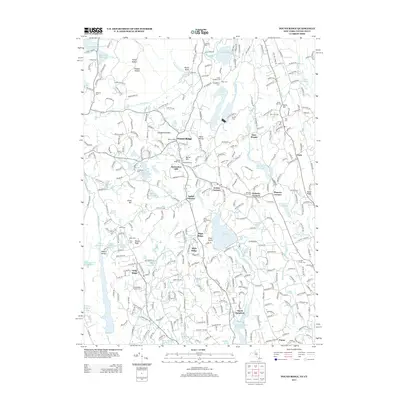 2013 Pound Ridge2013 Print · USGSThe wooded borderlands of Westchester and Fairfield counties are detailed here in the early twenty-first century. Genealogists and local historians can trace family plots like Knapp Barhite Cem or the legacy of crossroads at Scotts Corners and Murphy's Corner.
 - 2016 Map of Pound Ridge, 2016 Print
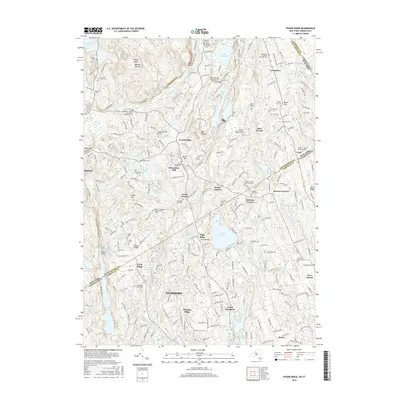 2016 Pound Ridge2016 Print · USGSThe New York and Connecticut borderlands appear in the mid-2010s as a landscape of interconnected reservoirs and deeply rooted family hamlets. Researchers can trace numerous ancestral burial plots, including the Scofield - Green Stone Hill Burial Ground, Sellecks Corner Cem, and the Delavan Cem.
 - 2016 Map of Peach Lake, 2016 Print
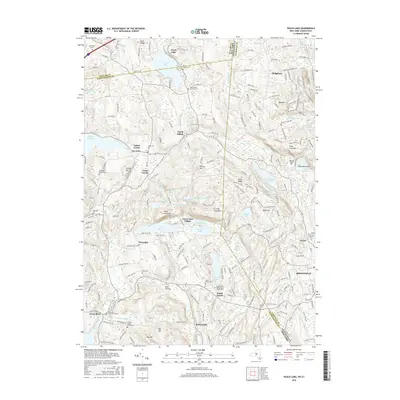 2016 Peach Lake2016 Print · USGSThe New York and Connecticut borderlands appear here in the mid-2010s, showing a landscape of interconnected lakes and quiet hamlets. Researchers can find numerous historic burial sites like the June Cem and Peach Pond Friends Cem alongside landmarks like Mill's Bridge.
Showing maps 1-25 of 29
Top cities near Pound Ridge
- Oyster Bay historical maps
- Huntington historical maps
- Stamford historical maps
- Greenburgh historical maps
- Norwalk historical maps
- Danbury historical maps
See more
Top neighborhoods of Pound Ridge
- East Woods historical maps
- Horseshoe Hill historical maps
- Boutonville historical maps
- Scotts Corners historical maps
Frequently asked questions
- What are the different types of historical maps available for Pound Ridge?
- What is the oldest map of Pound Ridge?
- Where can I purchase historical maps of Pound Ridge for my home or office?
- Where can I download high-res historical maps of Pound Ridge?
- Are there historical topographic maps available for Pound Ridge?
- Is there historical aerial imagery available for Pound Ridge?
- Where are historical maps of Pound Ridge sourced from?