Old Maps of Armour, North Carolina for Academic Research
Study the evolution of Armour with 11 high-resolution historic maps. Whether you're teaching, researching, or modeling changes in land use, these maps provide essential visual documentation of urban, environmental, and geographic change.
- Analyze long-term change: Track patterns in development, transportation, and natural features.
- Ideal for environmental or urban studies: Support academic projects with primary historical map data.
- Use in the classroom or lab: Educators and researchers rely on these maps to bring historical context to life.
These maps are a powerful tool for teaching, research, and visualizing how Armour has changed over the decades.
Armour, NC maps
(11)- 1953 Map of Florence, 1964 Print
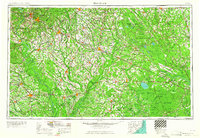 1953 Florence1964 Print · USGSThe Carolina borderlands in the mid-fifties were a landscape of vast river swamps and rising rail towns. Trace the legacy of the Seaboard Air Line through Florence or explore the wetlands surrounding Lake Waccamaw and the Green Swamp.3 unique versions available
 - 1954 Map of Florence
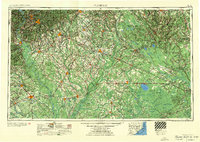 1954 Florence1954 Print · USGSThe Carolinas borderlands come alive in the early fifties, showing the vital rail-and-river networks of the coastal plain. Genealogists can trace family footprints across the Green Swamp or through settlements like Red Springs, Chadbourn, and McColl.
 - 1954 Map of Bolton, 1957 Print
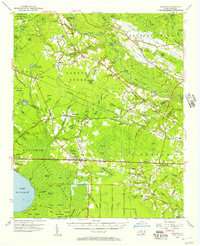 1954 Bolton1957 Print · USGSCoastal North Carolina's timber and rail corridor is captured here in the mid-fifties, spanning the rugged terrain between the Cape Fear River and Green Swamp. Researchers can trace old family sites and rural congregations at Weyman Chapel, New Hope Ch, and the settlement of Wananish.2 unique versions available
 - 1986 Map of Freeman
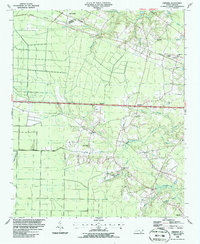 1986 Freeman1986 Print · USGSSoutheastern North Carolina in the mid-1980s reveals a landscape of rural communities and railroad corridors along the Bladen and Columbus county line. Genealogists can trace family footprints through numerous country churches and cemeteries near Byrdville, Freeman, and East Arcadia.
 - 1986 Map of Whiteville
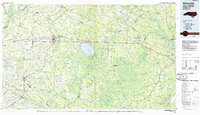 1986 Whiteville1986 Print · USGSSoutheastern North Carolina and the South Carolina borderlands are captured here in the mid-1980s as a landscape of vast swamps and rail towns. Researchers can trace historic rail routes through Chadbourn, locate the namesake Lake Waccamaw, and explore family-named sites like Peacocks.
 - 1990 Map of Whiteville
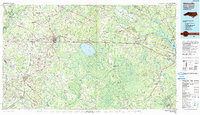 1990 Whiteville1990 Print · USGSSoutheastern North Carolina and the South Carolina borderlands appear in the late twentieth century, showing a landscape of river-swamps and tobacco towns. Researchers can trace family history through sites like Mount Olive Ch, the Seaboard Coast Line RR, and rural centers like Tabor City.
 - 2011 Map of Freeman, 2011 Print
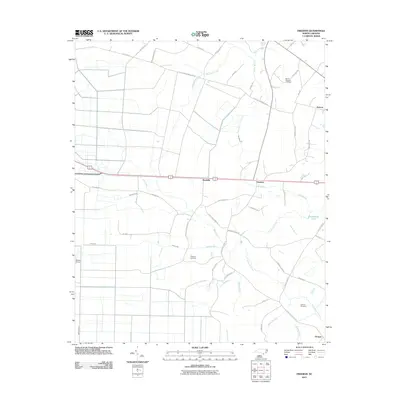 2011 Freeman2011 Print · USGSCoastal plain settlements like Byrdville and Freeman are captured here in the early twenty-first century amidst a complex system of creeks and canals. Researchers can trace family sites at Mount Pleasant Cemetery or locate the rural runways of Bolton Airport.
 - 2013 Map of Freeman, 2013 Print
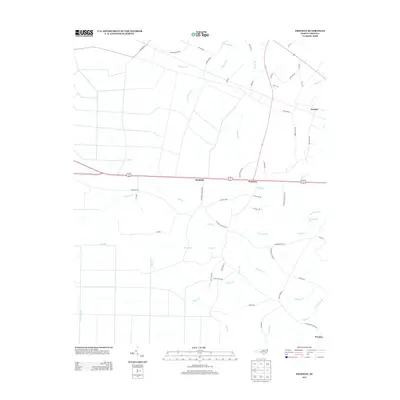 2013 Freeman2013 Print · USGSCoastal plain settlements like Byrdville and Freeman are captured here in the early twenty-first century, surrounded by an intricate web of canals and creeks. Researchers can trace land use through the Strauss Canal and family-named routes like Maultsby Rd and Oscar Blanks Rd.
 - 2016 Map of Freeman, 2016 Print
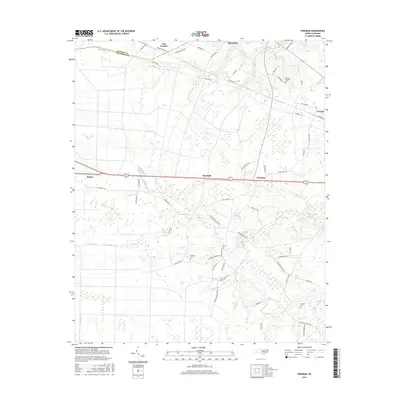 2016 Freeman2016 Print · USGSSoutheastern North Carolina's lowlands come into focus in the 2010s, showing a landscape defined by the wetlands of Strauss Swamp and Big Bay. Genealogists and local historians can locate family burial sites at Mount Pleasant Cem and Malpass Cem while tracing the rural settlements of East Arcadia and Byrdville.
 - 2019 Map of Freeman, 2019 Print
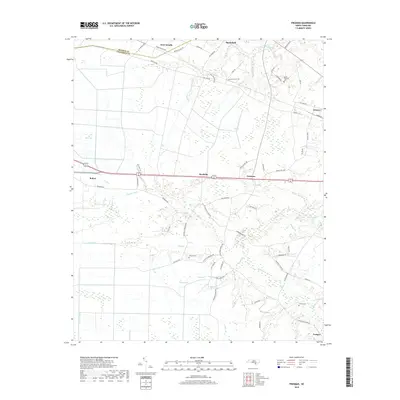 2019 Freeman2019 Print · USGSThe rural borderlands of Bladen and Columbus counties are captured here in the late twenty-teens, showcasing a landscape shaped by coastal wetlands and canals. Researchers can locate family landmarks like Mount Pleasant Cem and trace the small settlements of Byrdville and East Arcadia.
 - 2022 Map of Freeman, 2022 Print
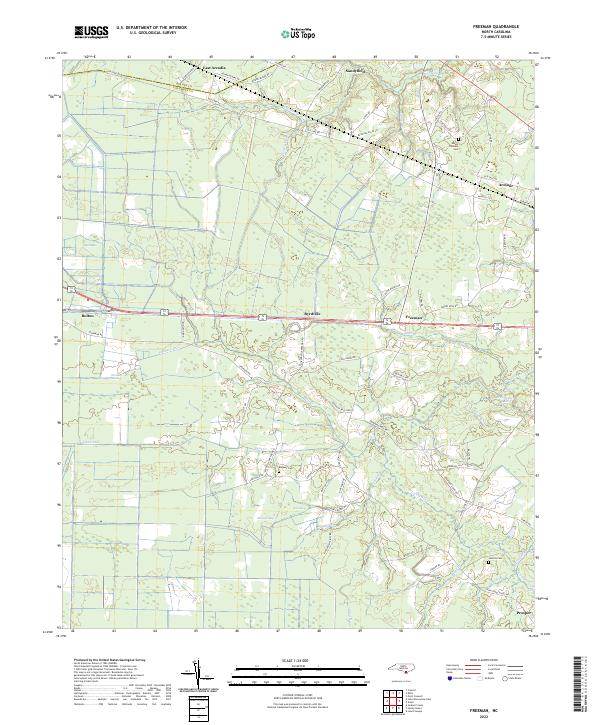 2022 Freeman2022 Print · USGSThe lowland border between Columbus and Bladen Counties is captured here in the early twenty-first century, showing a landscape defined by creeks and canals. Researchers can locate family landmarks like Malpass Cemetery, and trace the rural reaches of Byrdville and Sandyfield.
End of results
Showing maps 1-11 of 11
Top cities near Armour
- Leland historical maps
- Navassa historical maps
- Lake Waccamaw historical maps
- Northwest historical maps
- East Arcadia historical maps
- Bolton historical maps
See more
Frequently asked questions
- What are the different types of historical maps available for Armour?
- What is the oldest map of Armour?
- Where can I purchase historical maps of Armour for my home or office?
- Where can I download high-res historical maps of Armour?
- Are there historical topographic maps available for Armour?
- Is there historical aerial imagery available for Armour?
- Where are historical maps of Armour sourced from?