Old Maps of Greenville, North Carolina
Explore 33 old maps of Greenville, spanning from 1903 to today. These high-resolution historic maps reveal how streets, neighborhoods, landmarks, and natural features evolved over time — perfect for genealogy, metal detecting, research, and local history exploration.
What you can do with these maps:
- See how Greenville changed over time: Compare historical maps to modern-day views to trace roads, homesites, rail lines & more.
- View detailed metadata: Each map includes creators, publishers, year, scale, and archive source.
- Overlay maps with satellite & LiDAR: Visualize the past alongside modern tools to explore terrain & human change.
- Trusted historical sources: Maps sourced from the USGS, Library of Congress, and other archives.
- Access maps your way: View online, download high-res files, or order prints for personal or research use.
Start exploring old maps of Greenville to uncover forgotten places, hidden landmarks, and the deep history beneath your feet.
Greenville, NC maps
(33)- 1903 Map of Winterville, 1954 Print
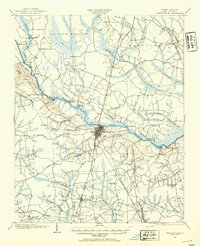 1903 Winterville1954 Print · USGSPitt County at the dawn of the twentieth century was a landscape of river landings and new rail lines. Genealogists can trace early homesteads near Greenville and Winterville or locate landmarks like the Pitt County Poor Farm and Browns Old Ferry.
 - 1905 Map of Winterville, 1942 Print
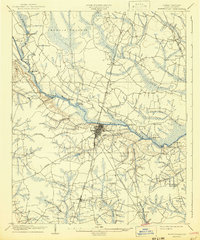 1905 Winterville1942 Print · USGSPitt County at the dawn of the twentieth century was a landscape shaped by the Tar River and the expanding A. C. L. R. R. network. Genealogists and local historians can trace family-named sites like Galloway Crossroads, identify the location of the Pitt County Poor Farm, or locate vanished river landings such as Pillsboro Ldg.
 - 1953 Map of Rocky Mount, 1964 Print
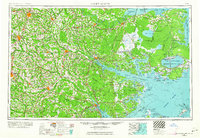 1953 Rocky Mount1964 Print · USGSEastern North Carolina in the mid-fifties is defined by its deep river basins and the vast wetlands of the Tidewater. Genealogists can trace family roots through hubs like Kinston and New Bern or explore the wilderness of Pettigrew State Park and Lake Mattamuskeet.4 unique versions available
 - 1954 Map of Rocky Mount
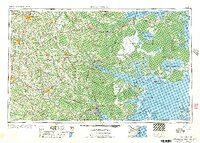 1954 Rocky Mount1954 Print · USGSEastern North Carolina is mapped in the mid-fifties, showing a landscape of sounds, swamps, and steam-era rail lines. Genealogists can trace the rural road networks and rail spurs connecting towns like Tarboro, Greenville, and the remote Columbia.
 - 1981 Map of Greenville SW, 1982 Print
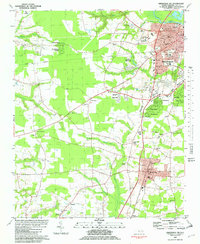 1981 Greenville SW1982 Print · USGSPitt County south of the Tar River was entering a period of suburban growth in the early eighties. Genealogists and local historians can locate early schools and churches including St Gabriel Sch, Robinson Sch, and Reedy Branch Ch.2 unique versions available
 - 1981 Map of Greenville NE, 1982 Print
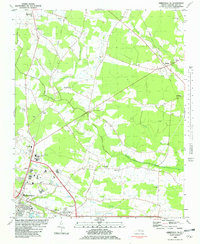 1981 Greenville NE1982 Print · USGSPitt County's agricultural landscape and rural church communities are captured here in the early eighties. Genealogists and local historians can trace family landmarks and rural centers like Stokes, Sycamore Chapel, and the North Pitt High Sch.
 - 1982 Map of Greenville SE
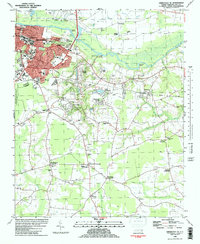 1982 Greenville SE1982 Print · USGSThe southeastern expansion of the Greenville area is captured here in the early eighties, showcasing the city's growth alongside the Tar River. Genealogists can trace family names at Worthingtons Crossroads or find legacy sites like Old Simpson Cem and Red Banks Ch.
 - 1982 Map of Greenville NW
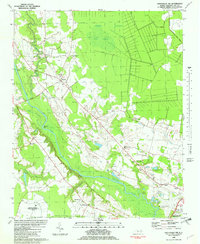 1982 Greenville NW1982 Print · USGSPitt County's rural landscape is captured in the early 1980s, showing the reach of the Tar River and the sprawling Grindle Pocosin. Genealogists can trace family landmarks like Flemings Chapel, Belvoir Sch, and the unique Voice of America station.
 - 1985 Map of Rocky Mount
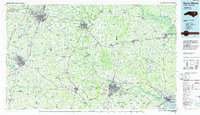 1985 Rocky Mount1985 Print · USGSThe eastern North Carolina coastal plain in the mid-eighties shows a landscape defined by its river-and-rail heritage. Genealogists and local historians can trace the development of Rocky Mount, Greenville, and Wilson, or locate landmarks like East Carolina University and the Voice of America site.2 unique versions available
 - 1998 Map of Greenville SE, 2001 Print
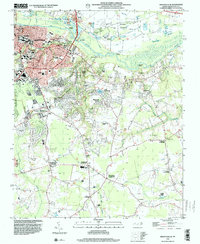 1998 Greenville SE2001 Print · USGSSoutheast of Greenville in the late 1990s, the growing campus of East Carolina University meets the rural crossroads of Pitt County. Genealogists and historians can trace numerous rural cemeteries and small communities like Hollywood Crossroads, Simpson, and Galloway Crossroads.
 - 1998 Map of Greenville SW, 2001 Print
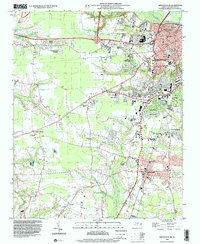 1998 Greenville SW2001 Print · USGSPitt County's growth is captured here in the late nineties as Greenville expands south toward Winterville. Genealogists and local historians can locate specific community landmarks like Red Oak Ch, Sadie Saulter Sch, and the rural junction at Hines Crossroads.
 - 1998 Map of Greenville NE, 2001 Print
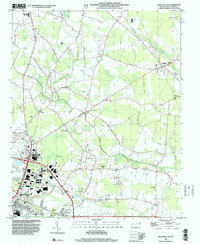 1998 Greenville NE2001 Print · USGSGreenville and its rural northern outskirts are captured in the late nineties as urban growth began pressing into the surrounding farmland. Genealogists and local historians can locate many rural landmarks, from Sweet Gum Grove Ch to the County Fairground.
 - 1998 Map of Greenville NW, 2001 Print
 1998 Greenville NW2001 Print · USGSNorthwest of Greenville in the late nineties, the Tar River bottomlands reveal a landscape of rural crossroads and wetlands. Genealogists can trace family landmarks like Belvoir Sch, Gum Swamp Ch, and the landing at Center Bluff.
 - 2010 Map of Greenville SE, 2010 Print
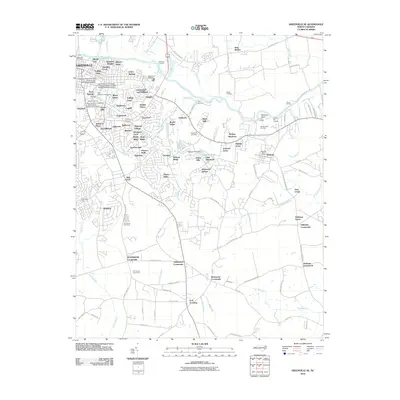 2010 Greenville SE2010 Print · USGSGreenville and its eastern suburbs are shown in detail during a period of significant growth south of the Tar River. Local historians can trace the development of the University campus and find landmarks like the Pitt County Poor Farm and Old Simpson Cemetery.
 - 2010 Map of Greenville SW, 2010 Print
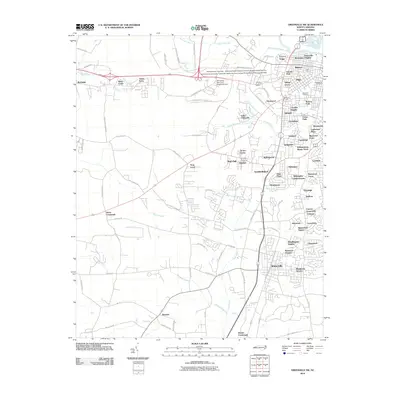 2010 Greenville SW2010 Print · USGSGreenville is shown during a period of rapid suburban growth in the early 2000s, where traditional farmsteads meet expanding medical and university campuses. Researchers can trace the development of numerous local subdivisions alongside older landmarks like Glenwood Cemetery and Tucker Farms.
 - 2010 Map of Greenville NW, 2010 Print
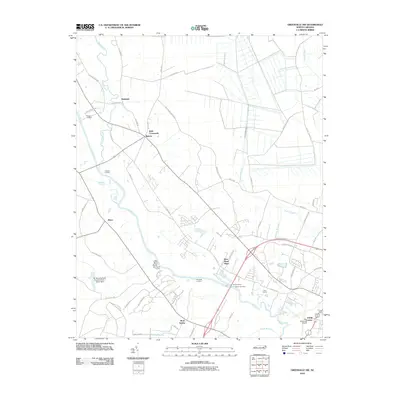 2010 Greenville NW2010 Print · USGSThe rural Pitt County landscape north of Greenville appears in this 2010 study, showing a network of river landings and small crossroads. Researchers can trace family history through sites like Bells Crossroads and Belvoir, or locate old river crossings such as Browns Old Ferry.
 - 2010 Map of Greenville NE, 2010 Print
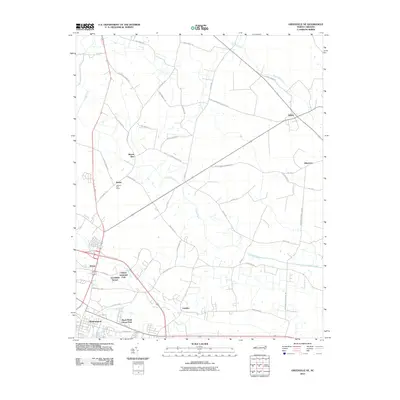 2010 Greenville NE2010 Print · USGSPitt County's rural landscape is captured here in the early twenty-first century as agricultural traditions met modern expansion. Genealogists can trace family footprints through names like Minnie Bert and Staton, or locate the old Atwood Post Office.
 - 2013 Map of Greenville SE, 2013 Print
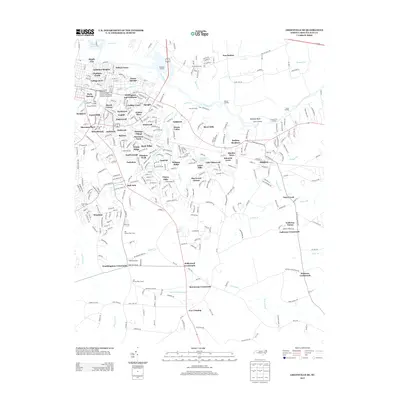 2013 Greenville SE2013 Print · USGSGreenville is shown here during a period of significant suburban growth and institutional expansion in the early twenty-first century. Researchers can trace the layout of the East Carolina University campus or locate the historical Pitt County Poor Farm and several old river landings like Barber Landing.
 - 2013 Map of Greenville SW, 2013 Print
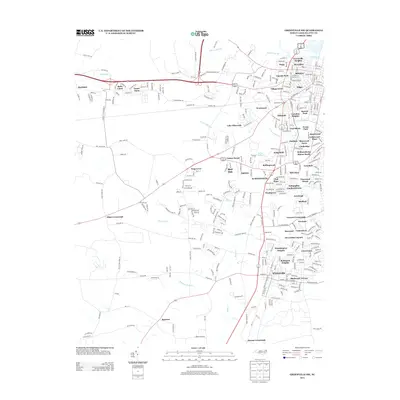 2013 Greenville SW2013 Print · USGSPitt County's transition from rural crossroads to suburban residential clusters is captured here just over a decade ago. Genealogists and local historians can trace the evolution of old family lands like Green Farm and Tucker Farms or locate established neighborhoods in Winterville and Frog Level.
 - 2013 Map of Greenville NW, 2013 Print
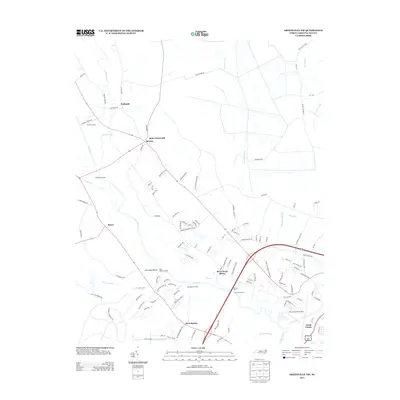 2013 Greenville NW2013 Print · USGSNorthwest Pitt County in the early twenty-first century remains defined by its relationship with the Tar River and its historical riverfront hubs. Genealogists and researchers can trace local family landmarks and transit points like Bells Crossroads, Browns Old Ferry, and Hollands.
 - 2013 Map of Greenville NE, 2013 Print
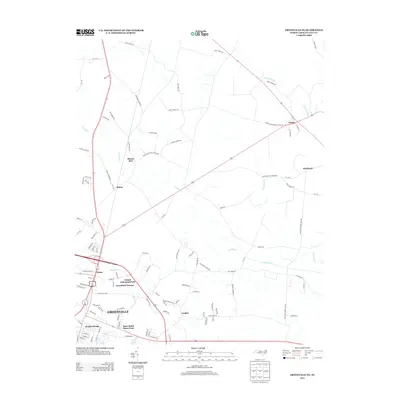 2013 Greenville NE2013 Print · USGSNortheast of the city center in the early 2010s, this area of Pitt County shows a mix of growing industrial sectors and rural agrarian life. Genealogists can trace family locations near Stokes and Minnie Bert or along the winding Grindle Cr.
 - 2016 Map of Greenville SW, 2016 Print
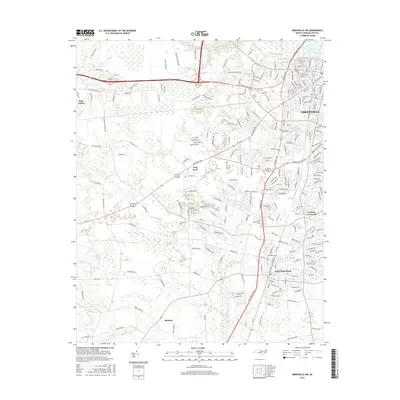 2016 Greenville SW2016 Print · USGSPitt County's evolving landscape southwest of the city is captured here in the mid-2010s as suburban growth reaches into traditional rural areas. Genealogists and local historians can trace the development around Winterville, Frog Level, and the historic Brownhill Cemetery.
 - 2016 Map of Greenville SE, 2016 Print
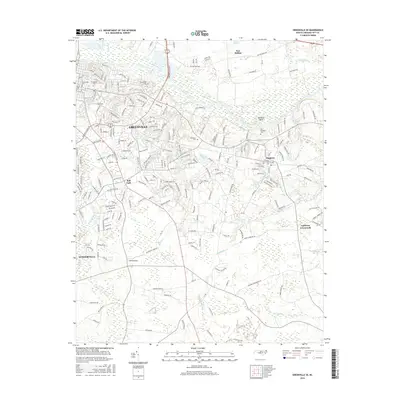 2016 Greenville SE2016 Print · USGSSoutheast of Greenville in the mid-2010s, the landscape is defined by the dense wetlands of the Coastal Plain and the eastward reach of the university. Researchers can trace family sites at Old Simpson Cemetery or locate the rural hubs of Bell Fork and Galloway Crossroads.
 - 2016 Map of Greenville NW, 2016 Print
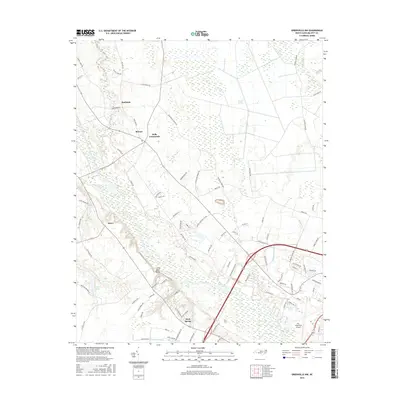 2016 Greenville NW2016 Print · USGSCoastal plain agriculture and riverine wetlands define this region northwest of Greenville in the mid-2010s. Genealogists and local historians can trace family-named crossroads like Belvoir and Bells Crossroads or explore the wilderness of the Great Swamp.
 - 2016 Map of Greenville NE, 2016 Print
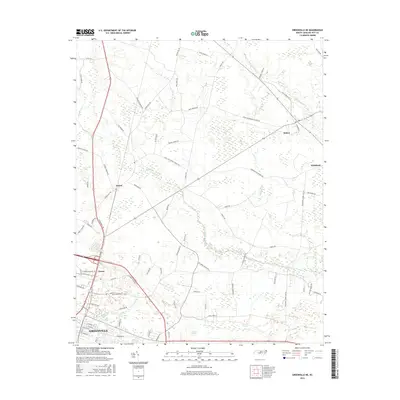 2016 Greenville NE2016 Print · USGSThe outskirts of Greenville and the surrounding Pitt County wetlands are captured here in the mid-2010s. Researchers can trace rural lineages through named roads like Barnhill-James Ln and find old community hubs at Stokes and Whichard.
Showing maps 1-25 of 33
Top cities near Greenville
- Ayden historical maps
- Winterville historical maps
- Farmville historical maps
- Bethel historical maps
- Robersonville historical maps
- Hookerton historical maps
See more
Top neighborhoods of Greenville
- Bell Fork historical maps
- Oakmont historical maps
- Brook Valley historical maps
- Paramore Farm historical maps
- Drexelbrook historical maps
- Eastwood historical maps
See more
Frequently asked questions
- What are the different types of historical maps available for Greenville?
- What is the oldest map of Greenville?
- Where can I purchase historical maps of Greenville for my home or office?
- Where can I download high-res historical maps of Greenville?
- Are there historical topographic maps available for Greenville?
- Is there historical aerial imagery available for Greenville?
- Where are historical maps of Greenville sourced from?