Old Maps of Michfield, North Carolina for Metal Detecting
Plan your next treasure hunt with 11 historic maps of Michfield. Find old homesites, ghost towns, trails, and gathering spots that may be lost to time — perfect for identifying promising metal detecting locations.
- Locate forgotten sites: Uncover places like long-lost settlements, abandoned rail lines, or gathering spots.
- Plan better hunts: Use map overlays combined with LiDAR or satellite views to narrow in on historically rich areas.
- Made for detectorists: Thousands of hobbyists use these maps to discover relics, coins, and hidden history.
Use these historic maps to boost your research and find new opportunities beneath the surface of Michfield.
Michfield, NC maps
(11)- 1953 Map of Raleigh, 1965 Print
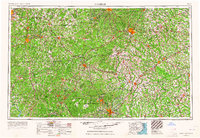 1953 Raleigh1965 Print · USGSCentral North Carolina in the early sixties shows a landscape of growing towns and military hubs before the full expansion of the interstate system. Genealogists can trace family footprints across the Piedmont through Wake Forest, Siler City, and the large Fort Bragg Military Reservation.4 unique versions available
 - 1954 Map of Raleigh
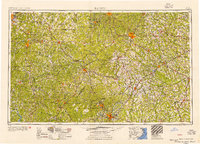 1954 Raleigh1954 Print · USGSThe North Carolina Piedmont and Sandhills are captured in the mid-fifties during a period of steady regional growth. Genealogists and historians can trace the development of towns like Siler City or locate landmarks such as Falls of Neuse and Camp Mackall.
 - 1957 Map of Asheboro, 1959 Print
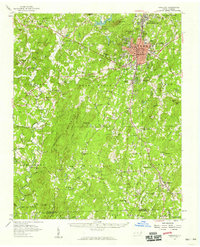 1957 Asheboro1959 Print · USGSRandolph County's rural and industrial character is captured here during the late fifties, centered on the growing town of Asheboro. Researchers can trace old family roots at Whynot, locate the State Prison (Camp 406), or find numerous rural landmarks like Tabernacle Sch and Callicutts Ch.2 unique versions available
 - 1973 Map of Seagrove, 1977 Print
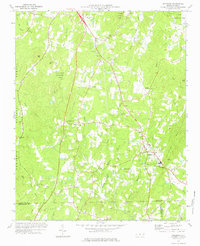 1973 Seagrove1977 Print · USGSThe rural communities of Randolph and Montgomery counties are captured here in the early 1970s as the local economy transitioned from traditional farming. Genealogists can locate family landmarks such as Center Cross Ch, Fairview Ch, and the crossroads at Whynot.
 - 1984 Map of Chapel Hill, 1985 Print
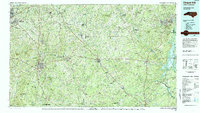 1984 Chapel Hill1985 Print · USGSNorth Carolina’s Piedmont and the northern reaches of the Uwharrie Mountains are captured here in the mid-eighties. Genealogists can trace family roots through rural landmarks like Union Chapel or locate old rail stops along the Seaboard line.
 - 1994 Map of Seagrove, 1996 Print
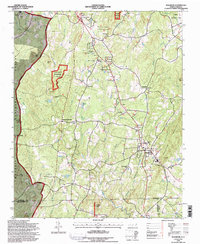 1994 Seagrove1996 Print · USGSThe community of Seagrove and the surrounding North Carolina Piedmont are captured here in the mid-nineties during a period of steady rural continuity. Researchers can locate many local landmarks, including Pisgah Ch, the unique settlement of Whynot, and the rugged boundaries of the Uwharrie National Forest.
 - 2011 Map of Seagrove, 2011 Print
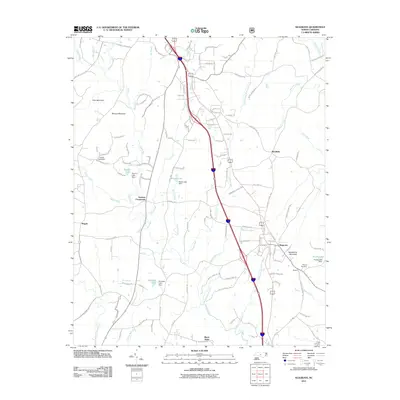 2011 Seagrove2011 Print · USGSSeagrove and its surrounding rural hamlets are documented here in the early 2000s as the community evolved alongside the Little River. Researchers can locate old family landmarks and burial sites such as Whynot Cemetery, Aumans Crossroads, and the interestingly named Black Ankle.
 - 2013 Map of Seagrove, 2013 Print
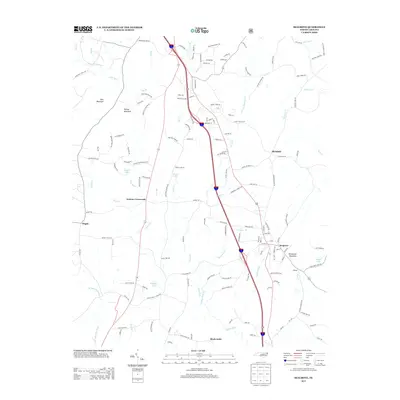 2013 Seagrove2013 Print · USGSRandolph County in the early twenty-first century reveals a landscape of scattered rural communities and high-ground peaks. Genealogists and local historians can trace family-named sites such as Aumans Crossroads, Black Ankle, and Needhams Mountain.
 - 2016 Map of Seagrove, 2016 Print
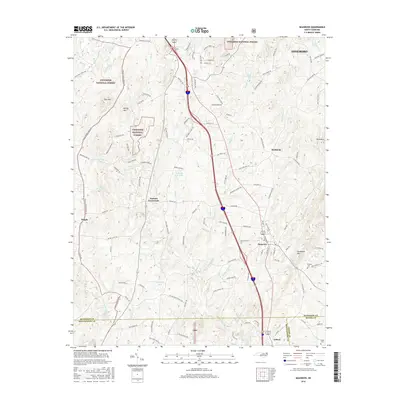 2016 Seagrove2016 Print · USGSSouthern Randolph County at the start of the twenty-first century reveals a landscape of high ridges and rural crossroads. Local historians can trace family-named sites like Needhams Mtn or locate the historic Whynot Cem near the community of Seagrove.
 - 2019 Map of Seagrove, 2019 Print
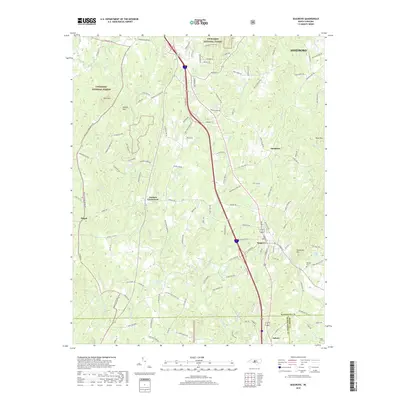 2019 Seagrove2019 Print · USGSSeagrove and the southern Piedmont are captured here in the late 2010s, showing the intersection of the Uwharrie National Forest with local pottery traditions. Researchers can trace family sites near Aumans Crossroads, Asbury, and the curiously named Whynot Cem.
 - 2022 Map of Seagrove, 2022 Print
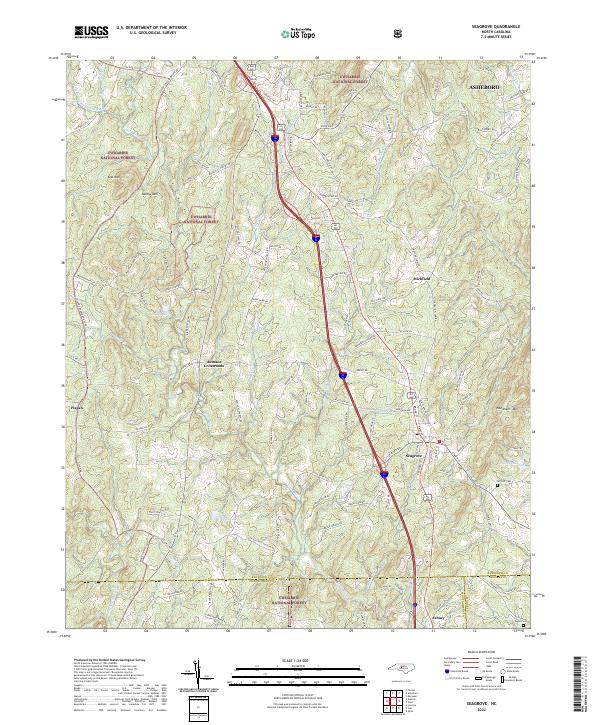 2022 Seagrove2022 Print · USGSThe pottery-rich corridor of Randolph County comes alive in this contemporary survey of Seagrove and the eastern Uwharrie National Forest. Researchers can trace old family routes and rural landmarks like the Whynot Cem, Aumans Crossroads, and Needhams Mtn.
End of results
Showing maps 1-11 of 11
Top cities near Michfield
- Asheboro historical maps
- Randleman historical maps
- Troy historical maps
- Ramseur historical maps
- Biscoe historical maps
- Robbins historical maps
See more
Frequently asked questions
- What are the different types of historical maps available for Michfield?
- What is the oldest map of Michfield?
- Where can I purchase historical maps of Michfield for my home or office?
- Where can I download high-res historical maps of Michfield?
- Are there historical topographic maps available for Michfield?
- Is there historical aerial imagery available for Michfield?
- Where are historical maps of Michfield sourced from?