Old Maps of Harwood Township, North Dakota for Academic Research
Study the evolution of Harwood Township with 34 high-resolution historic maps. Whether you're teaching, researching, or modeling changes in land use, these maps provide essential visual documentation of urban, environmental, and geographic change.
- Analyze long-term change: Track patterns in development, transportation, and natural features.
- Ideal for environmental or urban studies: Support academic projects with primary historical map data.
- Use in the classroom or lab: Educators and researchers rely on these maps to bring historical context to life.
These maps are a powerful tool for teaching, research, and visualizing how Harwood Township has changed over the decades.
Harwood Township, ND maps
(34)- 1895 Map of Fargo, 1954 Print
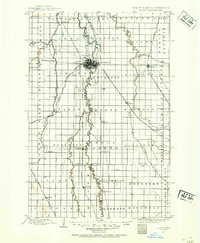 1895 Fargo1954 Print · USGSThe Red River Valley thrived as a rail and agricultural frontier during the 1890s, where North Dakota and Minnesota meet. Genealogists can trace family roots through pioneer settlements and rail stops like Kurtz (Elmer Sta.), Wild Rice, and Christine.3 unique versions available
 - 1897 Map of Fargo
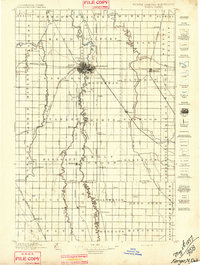 1897 Fargo1897 Print · USGSThe Red River Valley at the close of the nineteenth century was a bustling intersection of rail lines and river commerce. Genealogists and historians can trace the early footprints of Fargo and Moorhead, or find smaller depots like Kurtz (Elmer Sta.) and Wild Rice.12 unique versions available
 - 1952 Map of Grand Forks, 1967 Print
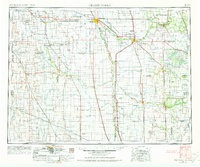 1952 Grand Forks1967 Print · USGSThe Red River Valley in the early fifties is shown here at the height of its rail-and-river agricultural economy. Researchers can locate small-town landmarks like the Pleasant View School, the Immanuel Lutheran Church, and trace the path of the Soo Line Railroad.3 unique versions available
 - 1953 Map of Fargo, 1965 Print
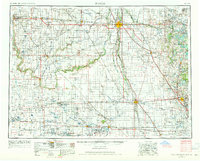 1953 Fargo1965 Print · USGSThe Red River Valley in the mid-fifties was a bustling rail and agricultural corridor during a period of steady prairie growth. Genealogists and historians can trace the intricate rail networks of the Great Northern and Soo Line connecting local hubs like Casselton and Wahpeton.2 unique versions available
 - 1956 Map of Fargo
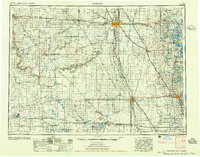 1956 Fargo1956 Print · USGSThe Red River Valley's agricultural heartland is documented here in the mid-fifties as the rail-and-road network expanded across the plains. Genealogists can trace family roots through numerous small railroad towns and local landmarks like Casselton, Sheyenne Valley Church, and Sisseton Indian Res.
 - 1956 Map of Grand Forks
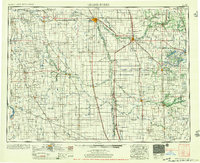 1956 Grand Forks1956 Print · USGSThe Red River Valley in the mid-fifties is captured here as a thriving corridor of grain elevators and rail-linked towns along the North Dakota and Minnesota border. Researchers can trace historic church sites like Immanuel Lutheran Church, vanished rail stops at Tilde Junction, and the boundaries of the White Earth Indian Reservation.
 - 1959 Map of Fargo North, 1960 Print
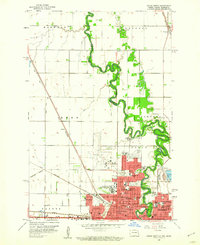 1959 Fargo North1960 Print · USGSThe Red River valley in the late fifties shows the post-war expansion of Fargo and Moorhead along their shared river border. Genealogists can locate family sites near Riverside Cem or trace the early campus of the North Dakota Agriculture College.4 unique versions available
 - 1959 Map of West Fargo, 1960 Print
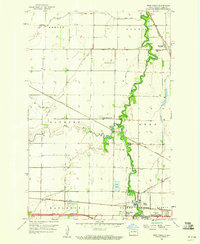 1959 West Fargo1960 Print · USGSThe Red River Valley's agricultural and rail heartland is captured during a period of growth near West Fargo and South West Fargo. Genealogists and historians can trace local landmarks like Maple-Sheyenne Ch and the Oak Wood Cem.3 unique versions available
 - 1963 Map of Georgetown, 1964 Print
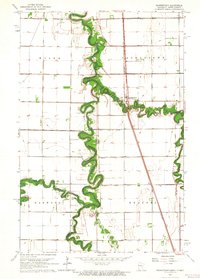 1963 Georgetown1964 Print · USGSThe Red River Valley's winding borderlands are captured here in the early sixties, showing the fertile divide between Minnesota and North Dakota. Researchers can trace the paths of the Great Northern railroad and locate community sites like Osterdalen Ch and Osterdalen Cem.
 - 1963 Map of Argusville, 1964 Print
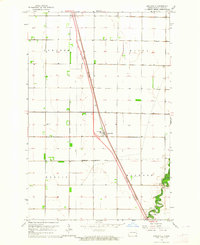 1963 Argusville1964 Print · USGSCass County agriculture and infrastructure intersect during the early sixties as a new rail line changes the prairie landscape. Genealogists and local historians can trace the Argusville boundaries, the High Sch, and the Argusville Cem.2 unique versions available
 - 1966 Map of Grand Forks
 1966 Grand Forks1966 Print · USGSThe Red River Valley in the mid-sixties shows a landscape shaped by rail-line commerce and complex water management. Genealogists and historians can trace rail-side towns like Emerado and Hunter or locate rural landmarks like the Pleasant View Church.
 - 1984 Map of Ada, 1985 Print
 1984 Ada1985 Print · USGSThe Red River Valley's agricultural heartland is documented here in the mid-1980s, showcasing the extensive network of drainage ditches and rail lines that powered the region. Genealogists and local historians can trace family locations near Ada, Fertile, and along the Burlington Northern line.2 unique versions available
 - 1985 Map of Fargo
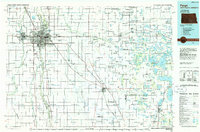 1985 Fargo1985 Print · USGSThe Red River Valley and the Minnesota lake country meet in this mid-1980s survey of the Fargo-Moorhead border region. Genealogists and researchers can trace the Burlington Northern rail corridors and find rural communities like Pelican Rapids, Sabin, and Dilworth.2 unique versions available
 - 1989 Map of Fargo, 1990 Print
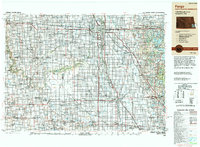 1989 Fargo1990 Print · USGSThe Red River Valley at the end of the eighties shows a landscape of flourishing university towns and vital rail corridors. Researchers can trace family roots through Riverside Cem, find early campus layouts for North Dakota State University, or follow the Soo Line Railroad through West Fargo.
 - 2011 Map of Georgetown, 2011 Print
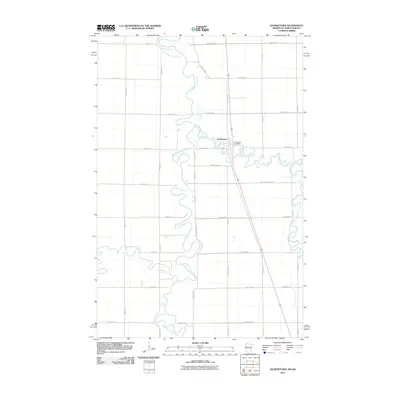 2011 Georgetown2011 Print · USGSThe Red River Valley along the Minnesota-North Dakota border is shown here in the early twenty-first century as a landscape of structured agriculture. Genealogists and local historians can trace the settlement of Georgetown and the path of the Buffalo River as it winds toward the Red River of the North.
 - 2011 Map of Argusville, 2011 Print
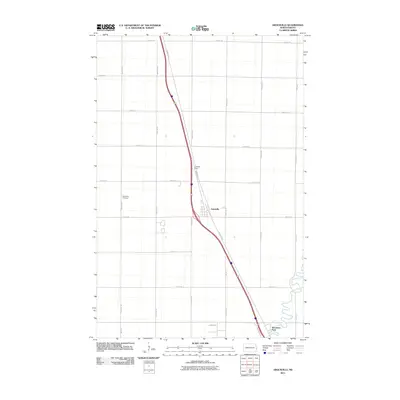 2011 Argusville2011 Print · USGSArgusville and its surrounding Cass County farmland are documented here in the early twenty-first century. Researchers can trace local landmarks like Argusville Cemetery, Lisburg Field, and the residential layout along Hanggi Dr.
 - 2011 Map of West Fargo North, 2011 Print
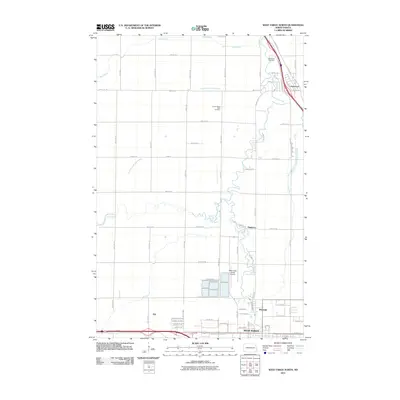 2011 West Fargo North2011 Print · USGSThe Red River Valley's agricultural plains meet the northern expansion of Cass County in this 2011 survey. Genealogists can trace family sites at Oak Wood Cemetery or Lower Maple River Cemetery, while researchers track growth in Harwood, Riverside, and West Fargo.
 - 2011 Map of Fargo North, 2011 Print
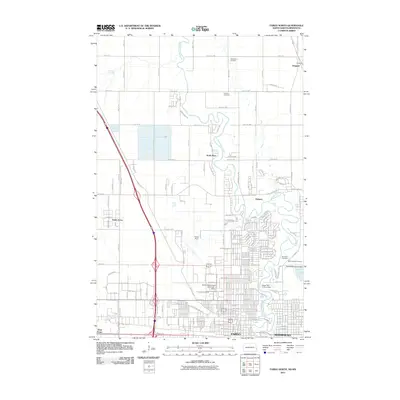 2011 Fargo North2011 Print · USGSThe Fargo-Moorhead metropolitan area expands northward along the Red River of the North in this early 21st-century study. Genealogists and historians can locate legacy sites like Oak Mound Cemetery, the settlement of Kragnes, and the grounds of Hector Field.
 - 2013 Map of Georgetown, 2013 Print
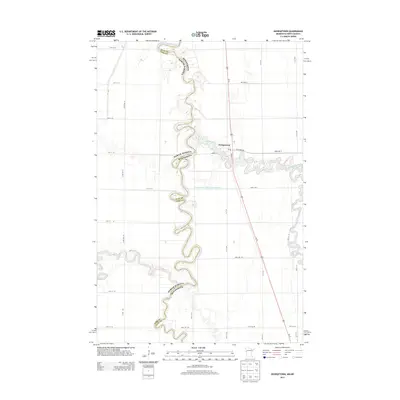 2013 Georgetown2013 Print · USGSThe fertile borderlands of the Red River Valley are captured here in the early 2010s, showcasing the meanderings of the Red River of the North. Genealogists and local historians can trace the streets of Georgetown and find the local PO at the junction of US-75.
 - 2014 Map of West Fargo North, 2014 Print
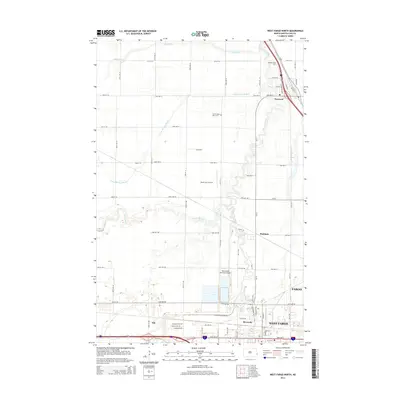 2014 West Fargo North2014 Print · USGSThe northern reaches of the Fargo metropolitan area are captured here during a period of steady expansion along the Sheyenne River. Trace local family roots at Oak Wood Cemetery or locate old community markers in Pinkham, Harwood, and Riverside.
 - 2014 Map of Fargo North, 2014 Print
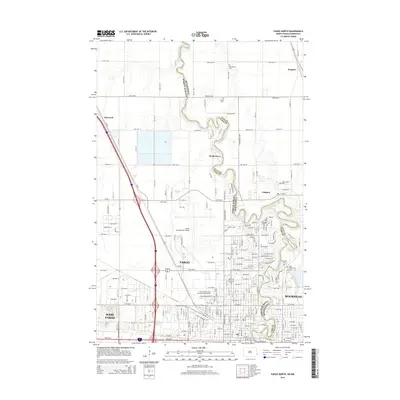 2014 Fargo North2014 Print · USGSThe Fargo-Moorhead metropolitan area is shown during a period of modern expansion along the Red River of the North. Researchers can trace the legacy of local institutions and industry, from the North Dakota State University-Main Campus to the tracks of the Great Northern.
 - 2014 Map of Argusville, 2014 Print
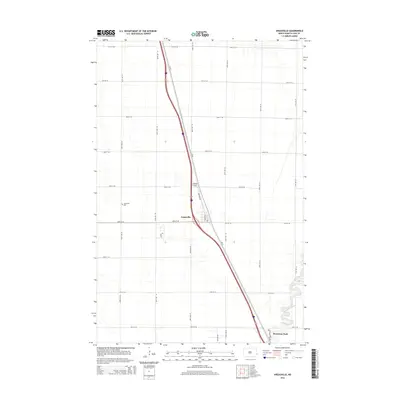 2014 Argusville2014 Print · USGSArgusville and its surrounding Cass County farmlands are shown here in the early twenty-first century, centered on a major interstate and rail corridor. Researchers can locate the Argusville Cem, the winding Sheyenne River, and the regional Lisburg Airport.
 - 2016 Map of Georgetown, 2016 Print
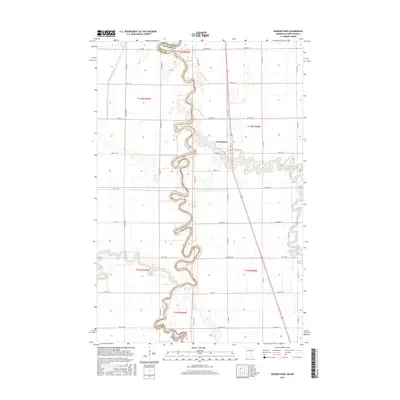 2016 Georgetown2016 Print · USGSGeorgetown and the surrounding Red River Valley farmland are shown in the mid-2010s at the height of modern water management. Genealogists and local historians can trace the meandering Red River of the North as it passes Georgetown and meets the Buffalo River.
 - 2017 Map of West Fargo North, 2017 Print
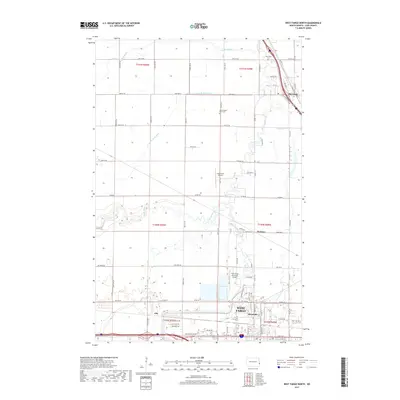 2017 West Fargo North2017 Print · USGSWest Fargo and its northern reaches are captured here in the late twenty-tens, showing the transition from suburban development to open prairie. Genealogists and local historians can trace the paths of the Sheyenne River and locate landmarks like Oak Wood Cem and Harwood.
 - 2018 Map of Argusville, 2018 Print
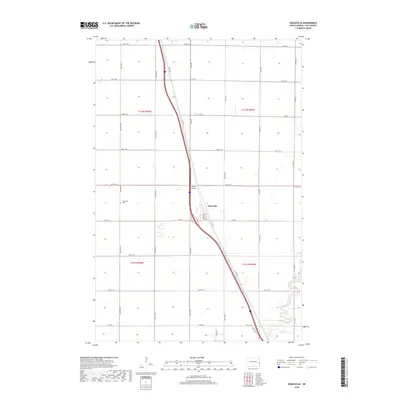 2018 Argusville2018 Print · USGSNorth Dakota's Red River Valley remains a heartland of structured agriculture and small-town persistence in the late twenty-tens. Genealogists and local historians can trace family locations near Argusville, the Argusville Cem, and the winding Sheyenne River.
Showing maps 1-25 of 34
Top cities near Harwood Township
- Fargo historical maps
- West Fargo historical maps
- Moorhead historical maps
- Dilworth historical maps
- Horace historical maps
- Harwood historical maps
See more
Top neighborhoods of Harwood Township
Frequently asked questions
- What are the different types of historical maps available for Harwood Township?
- What is the oldest map of Harwood Township?
- Where can I purchase historical maps of Harwood Township for my home or office?
- Where can I download high-res historical maps of Harwood Township?
- Are there historical topographic maps available for Harwood Township?
- Is there historical aerial imagery available for Harwood Township?
- Where are historical maps of Harwood Township sourced from?