Old Maps of Mount Orab, Ohio for Academic Research
Study the evolution of Mount Orab with 25 high-resolution historic maps. Whether you're teaching, researching, or modeling changes in land use, these maps provide essential visual documentation of urban, environmental, and geographic change.
- Analyze long-term change: Track patterns in development, transportation, and natural features.
- Ideal for environmental or urban studies: Support academic projects with primary historical map data.
- Use in the classroom or lab: Educators and researchers rely on these maps to bring historical context to life.
These maps are a powerful tool for teaching, research, and visualizing how Mount Orab has changed over the decades.
Mount Orab, OH maps
(25)- 1917 Map of Sardinia, 1946 Print
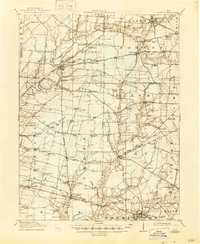 1917 Sardinia1946 Print · USGSSouthwestern Ohio at the close of the Great War era reveals a landscape of thriving rural schoolhouses and bustling railroad junctions. Genealogists can trace family footprints across dozens of local districts like Richland School or near the Ursuline Convent and Mount Orab.
 - 1928 Map of Higginsport
 1928 Higginsport1928 Print · USGSThe Kentucky side of the Ohio River is captured in the late twenties just as the rail-and-river economy flourished. Researchers can trace the riverbank rail lines of the Chesapeake and Ohio or locate early rural landmarks like Locust Grove Sch and the town of Augusta.
 - 1931 Map of Higginsport, 1948 Print
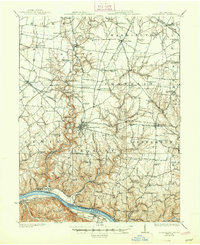 1931 Higginsport1948 Print · USGSThe Ohio River corridor and Brown County hinterlands come alive in this early twentieth-century survey of the borderlands near Georgetown. Local historians can trace long-gone rural schoolhouses like McFadden School or locate the historic Brown County Infirmary and the Abandoned Columbus and Sardinia Road.
 - 1944 Map of Sardinia
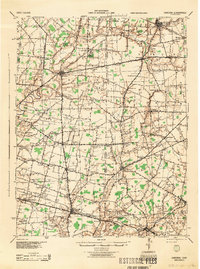 1944 Sardinia1944 Print · USGSSouthwestern Ohio during the Second World War was a landscape of dense rail networks and dozens of small school districts. Genealogists can trace family footprints through numerous rural landmarks like Richland Sch, Bardwell Corners, and the historic Ursuline Convent.
 - 1947 Map of Columbus, 1948 Print
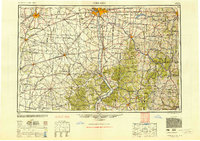 1947 Columbus1948 Print · USGSCentral Ohio in the late 1940s is captured in this survey, showing the post-war transition of its rail hubs and military airfield expansions. Genealogists and historians can trace the paths of the Ohio Canal, the Pennsylvania RR lines, and the Camp Sherman Military Reservation.
 - 1957 Map of Huntington, 1966 Print
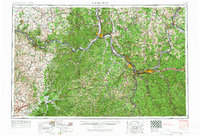 1957 Huntington1966 Print · USGSThe industrial heart of the Ohio River valley is captured here in the mid-sixties, showing the growth of Huntington and Ashland. Researchers can trace the extensive rail networks of the Chesapeake and Ohio RR and locate sites like the Chief Cornstalk Hunting Ground.3 unique versions available
 - 1960 Map of Huntington
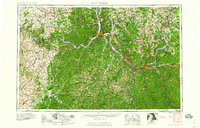 1960 Huntington1960 Print · USGSThe tri-state river valley thrived in the late fifties as a hub of heavy industry and Appalachian rail transit. Genealogists and historians can trace the connection between river towns like Ashland and Portsmouth or locate family homesteads near Coleman Ridge.
 - 1960 Map of Mount Orab, 1962 Print
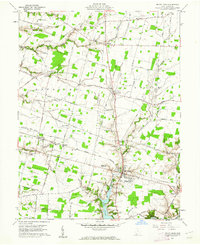 1960 Mount Orab1962 Print · USGSMount Orab and the surrounding Brown County countryside are captured here in the early sixties as the village grew around the Norfolk and Western rail line. Researchers can trace numerous family-named roads and rural sites like Taylors Chapel, Liberty Chapel, and the southern waters of Lake Grant.4 unique versions available
 - 1960 Map of Hamersville, 1962 Print
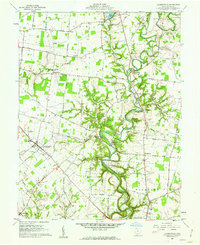 1960 Hamersville1962 Print · USGSBrown County farmland and the deep valley of White Oak Creek define this rural landscape during the early sixties. Researchers can trace the Old R R Grade and locate family burial sites at Warner Cem or Hamersville Cem.2 unique versions available
 - 1961 Map of Columbus
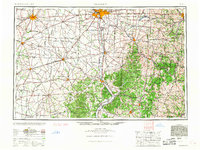 1961 Columbus1961 Print · USGSCentral and Southern Ohio are captured here in the early sixties, as the region's industrial rail hubs and military bases reached their peak. Genealogists and historians can trace the transition from urban Columbus to rural townships along the Scioto River, locating Lockbourne USAF and old junctions like Washington Court House.
 - 1962 Map of Columbus
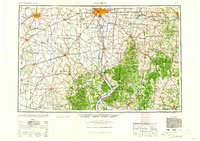 1962 Columbus1962 Print · USGSCentral Ohio during the early sixties reveals a transition from the industrial corridors of Columbus to the forested ridges of the south. Genealogists and historians can trace the rail networks of the Baltimore & Ohio RR and find local landmarks like Washington Court House and Camp Sherman Military Reservation.
 - 1967 Map of Columbus, 1969 Print
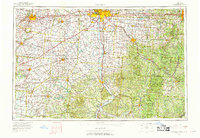 1967 Columbus1969 Print · USGSCentral Ohio during the late sixties serves as a vital corridor of rail and aviation, from the industrial streets of Springfield to the hangar lines of Lockbourne Air Force Base. Genealogists and researchers can trace the growth of towns like Circleville and London or locate rural landmarks such as St Paul church and the London Correctional Institution.2 unique versions available
 - 1986 Map of Hillsboro
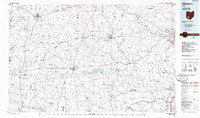 1986 Hillsboro1986 Print · USGSThe rural landscapes of Highland and Clinton counties appear in the mid-eighties as a busy corridor of railroads and regional airports. Genealogists and historians can trace old community centers like Reesville and Starbucktown alongside significant landmarks like Wilmington College and Fort Hill State Memorial.2 unique versions available
 - 1986 Map of Maysville
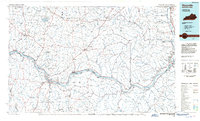 1986 Maysville1986 Print · USGSThe Ohio River valley in the mid-eighties reveals a landscape of industrial river towns and sprawling public lands spanning the Kentucky and Ohio border. Researchers can trace the rail corridors of the Chesapeake and Ohio Railway or locate landmarks like Confidence Cemetery and the Fleming-Mason Airport.
 - 1991 Map of Maysville
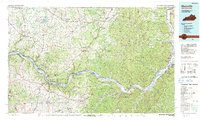 1991 Maysville1991 Print · USGSThe Ohio River valley at the turn of the nineties reveals a landscape of river-bend towns and dense forest preserves. Trace local history through landmark sites like Confidence Cemetery, the small-town streets of Ripley, and the river reaches of Manchester Island No 1.
 - 2010 Map of Mount Orab, 2010 Print
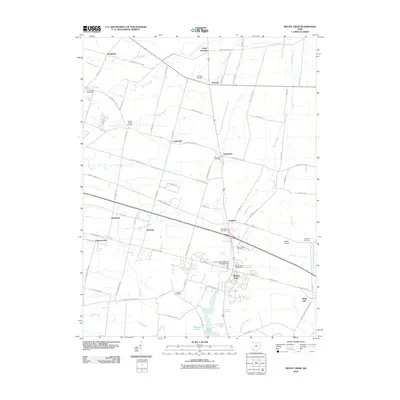 2010 Mount Orab2010 Print · USGSMount Orab and the surrounding Brown County townships appear here during a period of steady rural development. Genealogists can locate several family burial sites like Bloom Rose Cemetery and Brooks Cemetery, or trace settlements at Bodman and Fivemile.
 - 2010 Map of Hamersville, 2010 Print
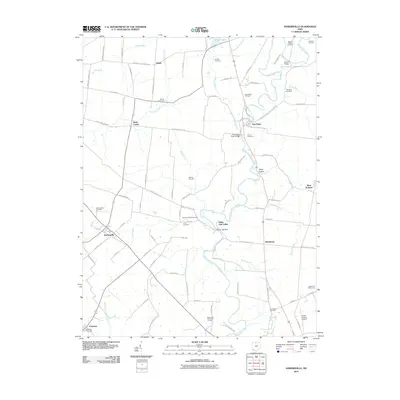 2010 Hamersville2010 Print · USGSIn the rural heart of Brown County during the early 2000s, this area shows a landscape of small hamlets and family-named landmarks. Researchers can trace ancestors at the Wardlow Cemetery or Confidence Cemetery and locate the historic Feesburg Post Office.
 - 2013 Map of Hamersville, 2013 Print
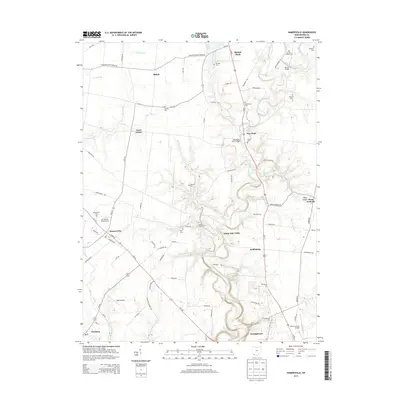 2013 Hamersville2013 Print · USGSBrown County’s rural character is preserved in this early 21st-century survey of the terrain between Hamersville and Georgetown. Genealogists can trace family heritage through numerous burial sites like Confidence Cem, Farmers Chapel Cem, and Wardlow Cem.
 - 2013 Map of Mount Orab, 2013 Print
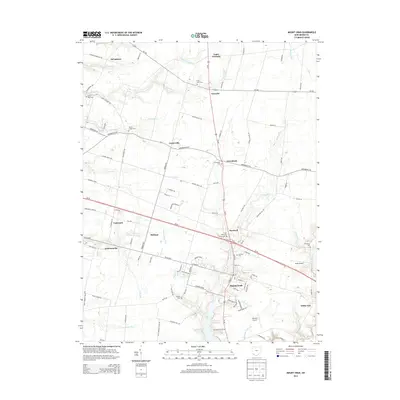 2013 Mount Orab2013 Print · USGSMount Orab and its surrounding Brown County townships are shown here in the early twenty-first century as a blend of growing crossroads and rural tradition. Genealogists and local historians can locate numerous family burial grounds including Bloom Rose Cem, Brooks Cem, and Bingamon Cem.
 - 2016 Map of Hamersville, 2016 Print
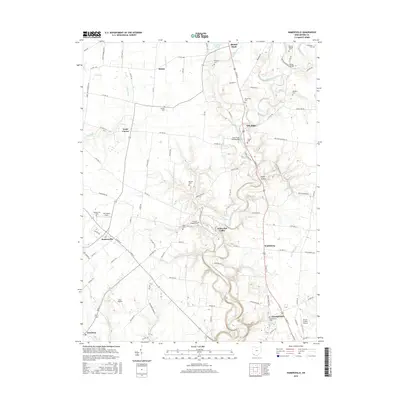 2016 Hamersville2016 Print · USGSSouthern Ohio's rural townships are captured here in the mid-2010s, showcasing a landscape of winding creeks and long-standing farming communities. Researchers can trace local lineage through numerous burial grounds like Confidence Cem or locate aviation sites like Elbel Airport.
 - 2016 Map of Mount Orab, 2016 Print
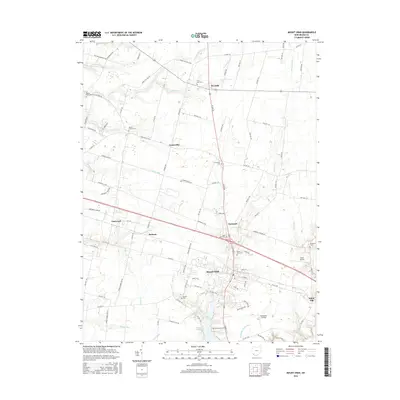 2016 Mount Orab2016 Print · USGSMount Orab and the surrounding Brown County countryside are detailed here during the mid-2010s. Researchers can locate numerous family burial grounds and small settlements, such as Taylors Chapel Cem, Fivemile, and Grant Lake.
 - 2019 Map of Hamersville, 2019 Print
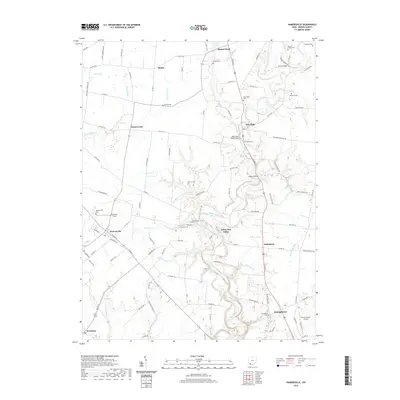 2019 Hamersville2019 Print · USGSBrown County in the late 2010s remains a landscape of traditional crossroads and valley settlements tied to the winding White Oak Creek. Genealogists and local historians can map out family plots at Confidence Cem, Unity Cem, and Hamersville Cem while tracing the rural road network connecting New Hope to Georgetown.
 - 2019 Map of Mount Orab, 2019 Print
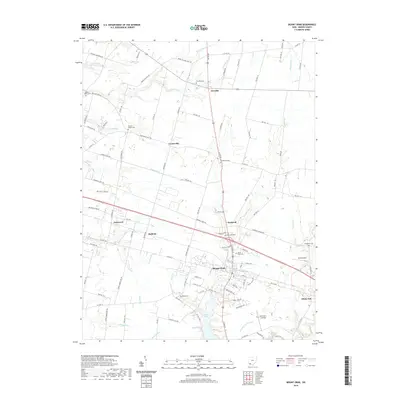 2019 Mount Orab2019 Print · USGSBrown County’s rural crossroads and creek-fed valleys are meticulously documented in this modern survey of the Mount Orab area. Genealogists and local historians can trace family locations through numerous sites like Taylors Chapel Cem, Brooks Cem, and the settlement at Fivemile.
 - 2023 Map of Mount Orab, 2023 Print
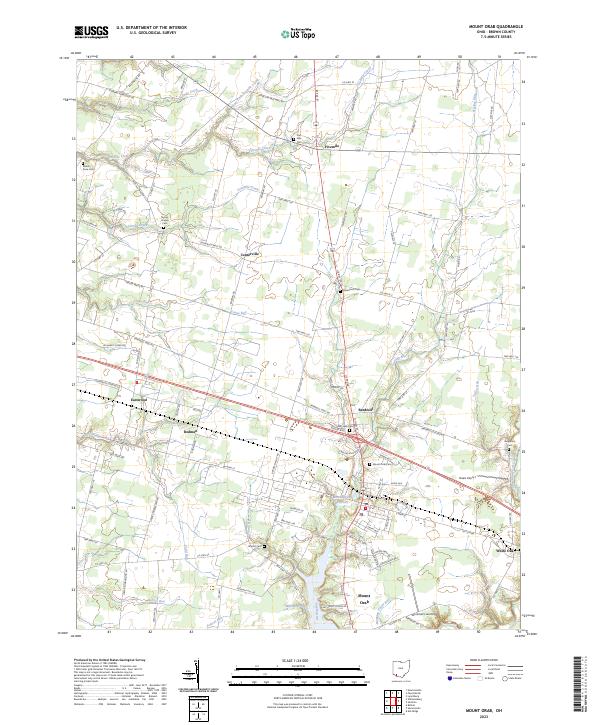 2023 Mount Orab2023 Print · USGSBrown County’s rural crossroads and family cemeteries are documented here in the early 2020s. Genealogists can locate family landmarks like Bloom Rose Cem, Brooks Cem, and the small settlement of Bodman along the rail and road corridors.
 - 2023 Map of Hamersville, 2023 Print
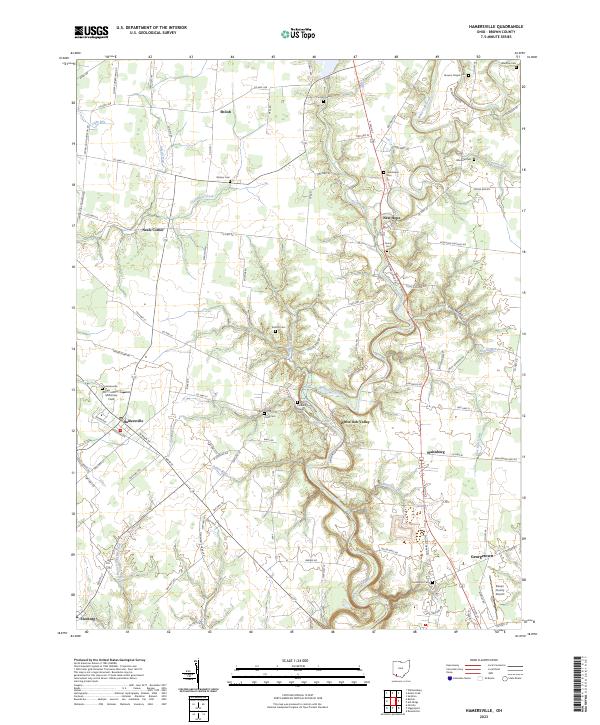 2023 Hamersville2023 Print · USGSBrown County's rural communities and cemetery networks are detailed here in this recent survey of the Ohio landscape. Researchers can trace ancestral roots through numerous family and community sites like Hendrixson Cem, Young Cem, and the settlement at White Oak Valley.
End of results
Showing maps 1-25 of 25
Top cities near Mount Orab
- Stonelick Township historical maps
- Georgetown historical maps
- Bethel historical maps
- Williamsburg historical maps
- Lynchburg historical maps
- Sardinia historical maps
See more
Frequently asked questions
- What are the different types of historical maps available for Mount Orab?
- What is the oldest map of Mount Orab?
- Where can I purchase historical maps of Mount Orab for my home or office?
- Where can I download high-res historical maps of Mount Orab?
- Are there historical topographic maps available for Mount Orab?
- Is there historical aerial imagery available for Mount Orab?
- Where are historical maps of Mount Orab sourced from?