Old Maps of Greenville, Ohio for Academic Research
Study the evolution of Greenville with 27 high-resolution historic maps. Whether you're teaching, researching, or modeling changes in land use, these maps provide essential visual documentation of urban, environmental, and geographic change.
- Analyze long-term change: Track patterns in development, transportation, and natural features.
- Ideal for environmental or urban studies: Support academic projects with primary historical map data.
- Use in the classroom or lab: Educators and researchers rely on these maps to bring historical context to life.
These maps are a powerful tool for teaching, research, and visualizing how Greenville has changed over the decades.
Greenville, OH maps
(27)- 1953 Map of Muncie, 1966 Print
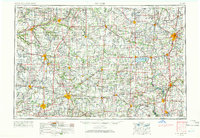 1953 Muncie1966 Print · USGSIndiana and Ohio borderlands thrive in the early fifties, showing a landscape defined by manufacturing cities and an intensive railroad network. Genealogists can trace family roots across the Indiana-Ohio line through Muncie, Celina, and Portland via the Pennsylvania railroad.5 unique versions available
 - 1956 Map of Muncie
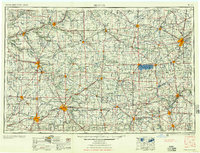 1956 Muncie1956 Print · USGSEastern Indiana and western Ohio are shown at a peak of rail-driven industry in the mid-fifties. Genealogists and rail historians can trace the paths of the Pennsylvania RR through Muncie or locate landmarks like Lake Saint Marys (Grand Lake Reservoir) and Frances Slocum State Forest.
 - 1961 Map of Dawn, 1962 Print
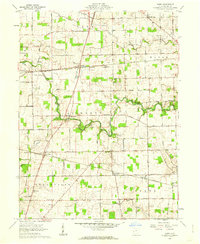 1961 Dawn1962 Print · USGSDarke County agriculture and rail infrastructure are captured here in the early sixties as small crossroads communities thrived. Trace family lands and local landmarks like Stelvideo Cem, the Childrens Home, and the village of Beamsville.3 unique versions available
 - 1961 Map of Greenville East, 1962 Print
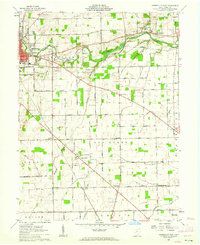 1961 Greenville East1962 Print · USGSDarke County's rural landscape is captured here in the early sixties, showing the agricultural heartland of western Ohio. Genealogists and historians can trace family-named roads and rural landmarks like Bears Mill, the County Home Cem, and the village of Abbottsville.3 unique versions available
 - 1961 Map of Ansonia, 1962 Print
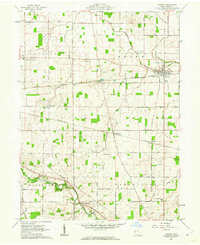 1961 Ansonia1962 Print · USGSDarke County in the early sixties is a landscape defined by its rail junctions and agricultural corners. Genealogists can trace family roots at Old Teegarden Cemetery or locate old school sites like the Woodland Heights School.2 unique versions available
 - 1961 Map of Greenville West, 1962 Print
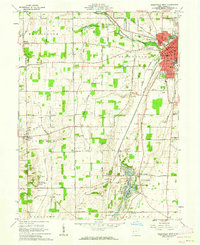 1961 Greenville West1962 Print · USGSWestern Darke County in the early sixties is captured here as a landscape of rail-connected towns and historical sites. Researchers can trace the layouts of Fort Jefferson and Palestine, find rural burial grounds like St Johns Cem, and locate the Fish Hatchery.3 unique versions available
 - 1986 Map of Piqua
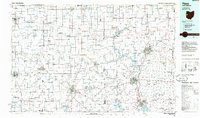 1986 Piqua1986 Print · USGSThe western Ohio and eastern Indiana borderlands appear here in the mid-1980s, showcasing a landscape of river-valley industry and fertile plains. Researchers can trace historic rail lines like Conrail and Norfolk and Western through towns like Greenville and Winchester.3 unique versions available
 - 2010 Map of Dawn, 2010 Print
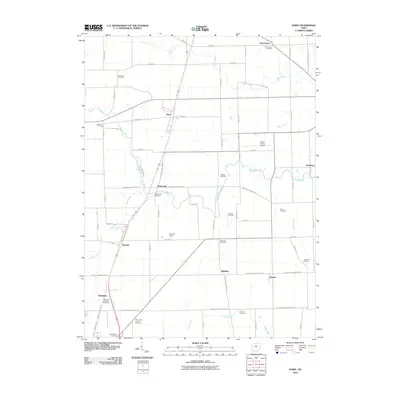 2010 Dawn2010 Print · USGSDarke County's rural heartland is meticulously detailed during the early twenty-first century, showing a landscape defined by the Stillwater River and historic crossroads. Researchers can trace family roots through numerous sites like Frenchtown Cemetery and Wakefield.
 - 2010 Map of Ansonia, 2010 Print
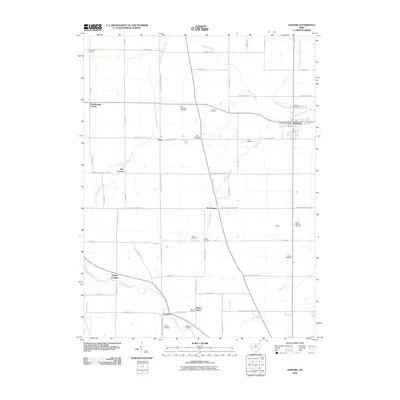 2010 Ansonia2010 Print · USGSDarke County at the start of the 2010s shows a landscape of established farmsteads and rural crossroads centered on the village of Ansonia. Local historians can trace many family-named landmarks and burial grounds, including Zumbrum Corners, Beeler Cemetery, and Sharps Crossing.
 - 2010 Map of Greenville West, 2010 Print
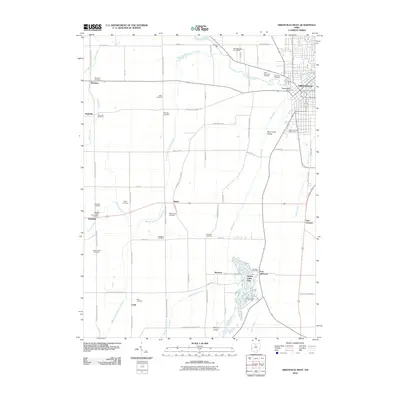 2010 Greenville West2010 Print · USGSWestern Darke County at the turn of the 21st century reveals a landscape where the city of Greenville borders an intricate network of rural cemeteries and family lands. Researchers can locate ancestral sites like Sharpeye Cemetery or trace the early paths to Weimers Mill and the Palestine Post Office.
 - 2010 Map of Greenville East, 2010 Print
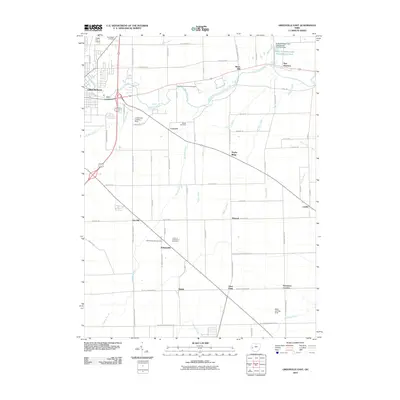 2010 Greenville East2010 Print · USGSDarke County at the turn of the millennium is a landscape of established farmsteads and rural hamlets. Local historians can trace early settlement patterns through Bears Mill and quiet burial sites like Saint Marys Cemetery or the Old Abbottsville Cemetery.
 - 2013 Map of Dawn, 2013 Print
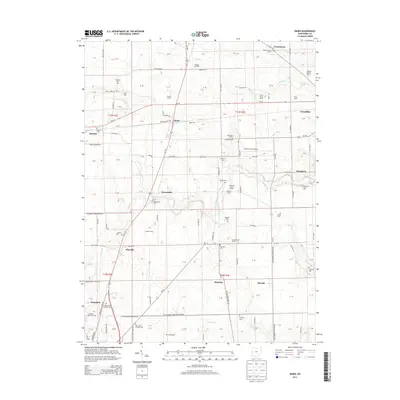 2013 Dawn2013 Print · USGSDarke County, Ohio, was a hub of productive family farming and quiet township life in the early twenty-first century. Researchers can locate numerous family and community landmarks, from Frenchtown Cem and Stelvideo to the runways of the Darke County Airport.
 - 2013 Map of Greenville West, 2013 Print
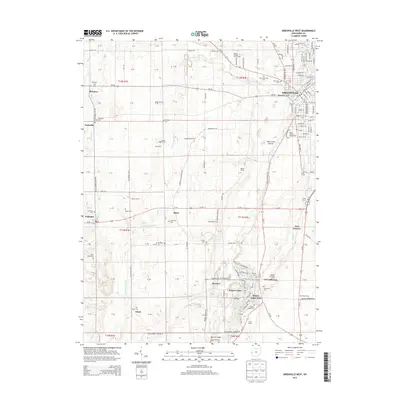 2013 Greenville West2013 Print · USGSWestern Darke County at the start of the 2010s shows a landscape deeply tied to its rural roots and historical markers. Genealogists and historians can trace numerous family-named landmarks like Welmers Mill and several community sites including Oak Grove Cem and Fort Jefferson.
 - 2013 Map of Greenville East, 2013 Print
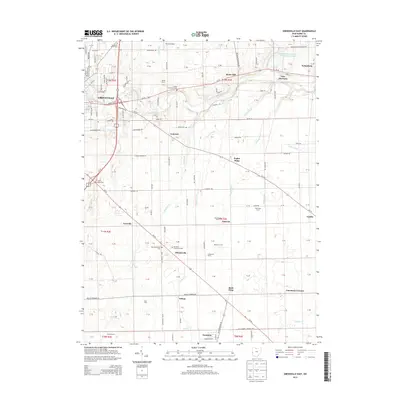 2013 Greenville East2013 Print · USGSDarke County's agricultural heartland is documented here in the early twenty-first century, showing the rural expanses between Greenville and Gettysburg. Genealogists can locate several historic burial grounds including Old Abbottsville Cem and Martin Cem alongside landmarks like Bears Mill.
 - 2013 Map of Ansonia, 2013 Print
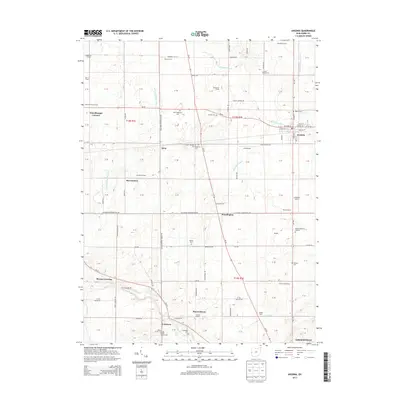 2013 Ansonia2013 Print · USGSDarke County farmland is meticulously mapped here in the early 2010s, centered on the village of Ansonia. Researchers can trace old family holdings like Billenstein Farms and locate historic burial grounds such as Old Teagarden Cem and Creekbaum Cem.
 - 2016 Map of Greenville East, 2016 Print
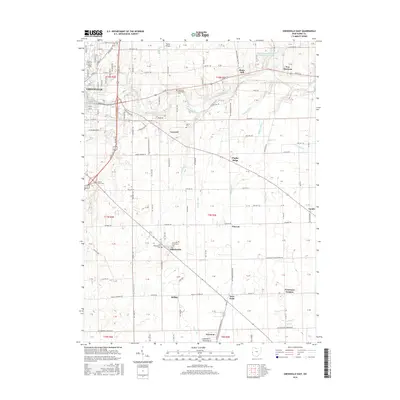 2016 Greenville East2016 Print · USGSDarke County's agricultural heartland is documented here in the mid-2010s, showing the rural landscape between the city of Greenville and Arcanum. Genealogists and local historians can locate numerous small burial sites like Old Abbottsville Cem and East Zion Community Cem or trace the historic Bears Mill along the creek.
 - 2016 Map of Dawn, 2016 Print
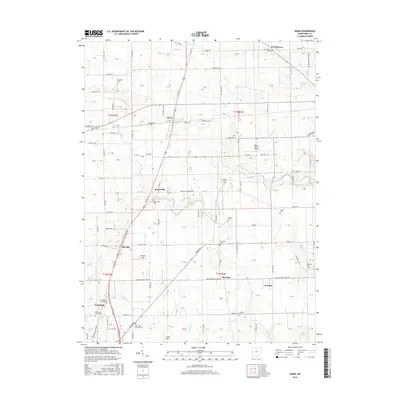 2016 Dawn2016 Print · USGSDarke County remains a landscape of deep-rooted rural communities in the early twenty-first century. Researchers can trace family history through numerous burial sites like Stelvideo Cem or explore the small village footprints of Dawn and Beamsville.
 - 2016 Map of Greenville West, 2016 Print
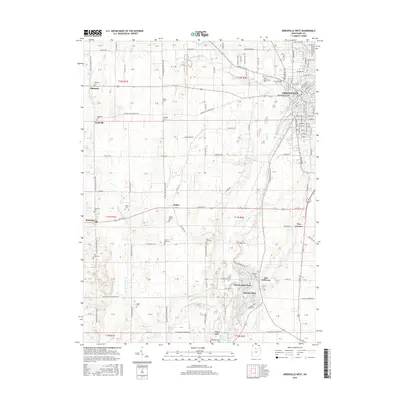 2016 Greenville West2016 Print · USGSWestern Darke County at the turn of the century shows a landscape of established farmsteads and growing residential pockets. Genealogists can locate numerous rural burial sites like West Branch Cem and family landmarks near Fort Jefferson or Nashville.
 - 2016 Map of Ansonia, 2016 Print
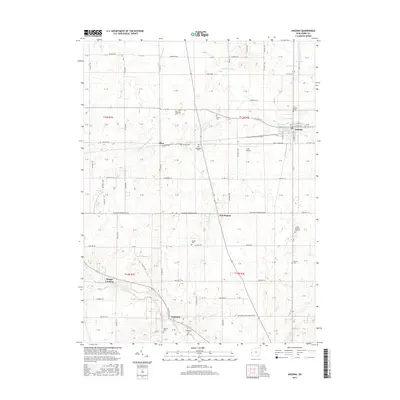 2016 Ansonia2016 Print · USGSDarke County farmland at the turn of the twenty-first century reveals a landscape shaped by the Stillwater River and its many forks. Researchers can trace historic family burial sites like Old Teagarden Cem and Earhart Cem or locate the village of Woodington.
 - 2019 Map of Dawn, 2019 Print
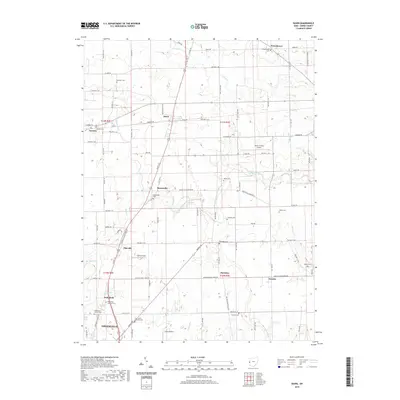 2019 Dawn2019 Print · USGSDarke County at the close of the 2010s reveals a deeply rooted agricultural landscape north of GREENVILLE. Researchers can trace dozens of family and church burial sites, including Stelvideo Cem, Erisman Cem, and the Childrens Home Cem.
 - 2019 Map of Ansonia, 2019 Print
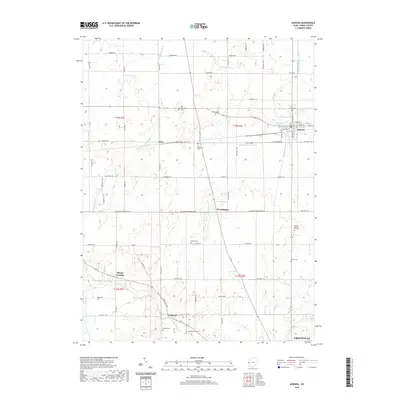 2019 Ansonia2019 Print · USGSWestern Ohio agricultural life and the upper Stillwater drainage are preserved here in the late twenty-teens. Genealogists can locate numerous rural burial sites like Earhart Cem and Creekbaum Cem near historic crossroads like Woodington and Coletown.
 - 2019 Map of Greenville West, 2019 Print
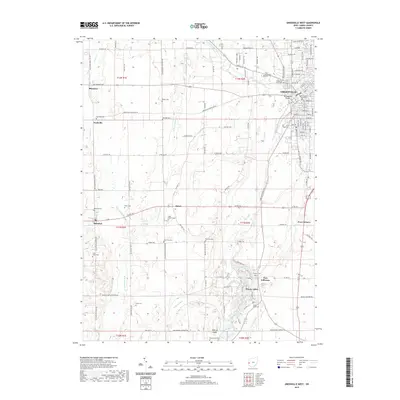 2019 Greenville West2019 Print · USGSThe Greenville area of Western Ohio is shown here in the late twenty-teens, dominated by the county seat and the surrounding farm country. Genealogists can trace family roots through numerous burial sites like Saint Johns Cem and West Zion Cem, or locate landmarks such as Tecumsehs Point.
 - 2019 Map of Greenville East, 2019 Print
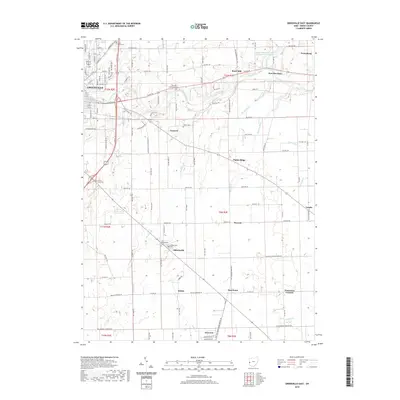 2019 Greenville East2019 Print · USGSEastern Darke County appears here as a mature agricultural landscape shaped by the course of Greenville Creek. Genealogists and local historians can trace family locations near Bears Mill or through the numerous burial grounds like Saint Marys Cem and Abbottsville Cem.
 - 2023 Map of Ansonia, 2023 Print
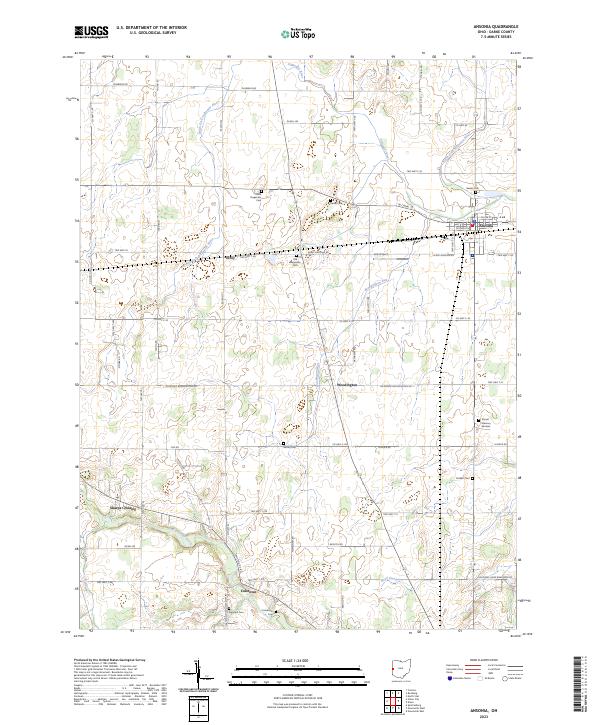 2023 Ansonia2023 Print · USGSDarke County's agricultural heartland is captured here, showing the rural landscape around the village of Ansonia in the early twenty-first century. Researchers can trace family history through numerous local sites including Woodington, the Old Teagarden Cem, and Sharps Crossing.
 - 2023 Map of Dawn, 2023 Print
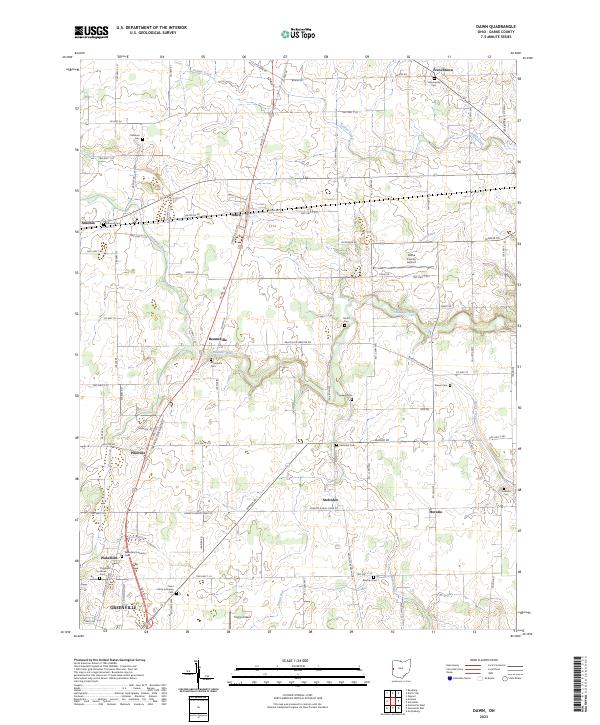 2023 Dawn2023 Print · USGSThe rural expanses of Darke County are captured here during a period of modern agricultural stability and regional aviation growth. Genealogists can locate family-named sites like Kershner Cem and Coppess Cem near settlements such as Beamsville and Stelvideo.
Showing maps 1-25 of 27
Top cities near Greenville
- Richmond historical maps
- Union City historical maps
- Versailles historical maps
- Arcanum historical maps
- Bradford historical maps
- Union City historical maps
See more
Top neighborhoods of Greenville
Frequently asked questions
- What are the different types of historical maps available for Greenville?
- What is the oldest map of Greenville?
- Where can I purchase historical maps of Greenville for my home or office?
- Where can I download high-res historical maps of Greenville?
- Are there historical topographic maps available for Greenville?
- Is there historical aerial imagery available for Greenville?
- Where are historical maps of Greenville sourced from?