Old Maps of Lucas County, Ohio
Explore 180 old maps of Lucas County, spanning from 1900 to today. These high-resolution historic maps reveal how streets, neighborhoods, landmarks, and natural features evolved over time — perfect for genealogy, metal detecting, research, and local history exploration.
What you can do with these maps:
- See how Lucas County changed over time: Compare historical maps to modern-day views to trace roads, homesites, rail lines & more.
- View detailed metadata: Each map includes creators, publishers, year, scale, and archive source.
- Overlay maps with satellite & LiDAR: Visualize the past alongside modern tools to explore terrain & human change.
- Trusted historical sources: Maps sourced from the USGS, Library of Congress, and other archives.
- Access maps your way: View online, download high-res files, or order prints for personal or research use.
Start exploring old maps of Lucas County to uncover forgotten places, hidden landmarks, and the deep history beneath your feet.
Lucas County, OH maps
(180)- 1900 Map of Maumee Bay, 1921 Print
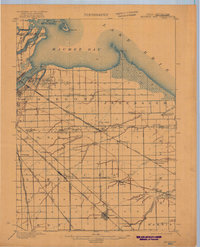 1900 Maumee Bay1921 Print · USGSNorthwest Ohio and the Lake Erie shoreline are shown here just as the regions rail and energy sectors were maturing. Genealogists and historians can locate vanished post offices at Shepardsville Bono P. O. and trace early industrial sites like the Oil Wells and Coke Ovens near Curtice.2 unique versions available
 - 1900 Map of Toledo, 1932 Print
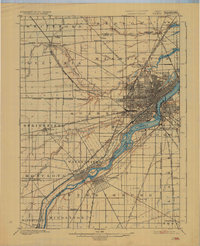 1900 Toledo1932 Print · USGSToledo and the lower Maumee River valley are shown at the height of the railroad era, as the city expanded into an industrial powerhouse. Researchers can trace early infrastructure like the Michigan Division Canal and locate historic sites like the Toledo Insane Asylum or the Oil Wells near Lime City.
 - 1900 Map of Oak Harbor, 1943 Print
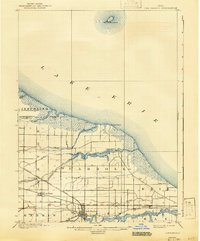 1900 Oak Harbor1943 Print · USGSOttawa County shorelines and rail hubs are preserved here at the turn of the century, showing the region before modern development. Genealogists and historians can trace the early layouts of Oak Harbor, the military grounds at Camp Perry, and the path of the Toledo Div. railroad.2 unique versions available
 - 1901 Map of Bowling Green, 1958 Print
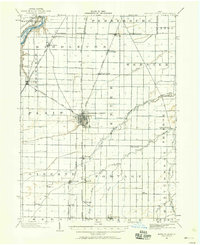 1901 Bowling Green1958 Print · USGSWood County at the turn of the century is a hub of steam and rail traffic centered on the growing seat of Bowling Green. Researchers can trace old family sites and rural settlements like Hull Prairie, Tontogany, and Jerry City across a landscape of early railroad lines.
 - 1903 Map of Bowling Green
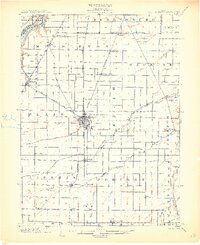 1903 Bowling Green1903 Print · USGSWood County at the turn of the century is a dense web of steam railroads and electric interurban lines connecting agricultural hubs. Researchers can trace the path of the Miami and Erie Canal or locate small settlements like Sugar Ridge, Tontogany, and Jerry City.3 unique versions available
 - 1909 Map of Mc Clure, 1936 Print
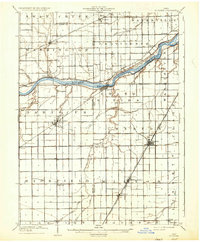 1909 Mc Clure1936 Print · USGSNorthwest Ohio's agricultural and transit heartland is captured here at the start of the twentieth century. Genealogists and rail historians can trace the paths of the Wabash RR and the Electric Detroit and Toledo Line as they connected towns like Mc Clure and Weston.2 unique versions available
 - 1911 Map of Swanton, 1956 Print
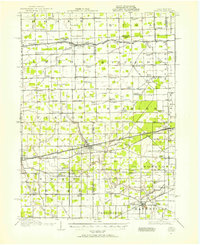 1911 Swanton1956 Print · USGSNorthwest Ohio and the Michigan border are captured here just before the era of major highway expansion. Genealogists can trace early twentieth-century property locations near Metamora, Raab Corners, and numerous rural schoolhouses like Frogpond School.
 - 1912 Map of Monroe
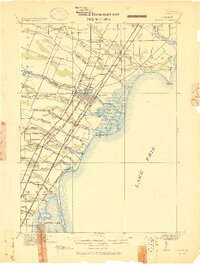 1912 Monroe1912 Print · USGSMonroe County before the First World War was a landscape defined by its strategic lakefront positioning and a massive concentration of competing railroads. Genealogists can trace the early footprints of Monroe, Brest P.O., and Erie while following local landmarks like Sandy Creek and Plum Creek.
 - 1914 Map of Monroe, 1928 Print
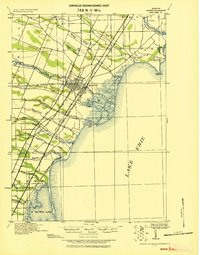 1914 Monroe1928 Print · USGSCoastal Michigan between Detroit and Toledo is shown here in the early twentieth century as a bustling hub of rail and river commerce. Genealogists and historians can trace the paths of six different railroads through Monroe and locate the old Brest Post Office near Point Aux Peaux.
 - 1914 Map of Swanton, 1937 Print
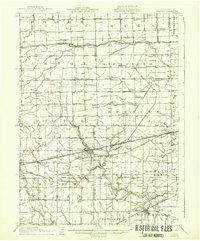 1914 Swanton1937 Print · USGSThe Ohio-Michigan borderlands come alive in this era of peak rail transit and rural schoolhouse density. Genealogists and historians can trace family roots through numerous local landmarks like Metamora, Richfield Center, and uniquely named sites such as Huckleberry School or Frogpond School.
 - 1934 Map of Reno Beach
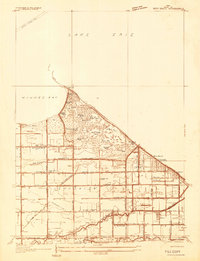 1934 Reno Beach1934 Print · USGSThe Lucas County shoreline in the mid-1930s reveals a unique landscape of lakefront clubs and reclaimed marshland. Genealogists and local historians can trace the foundations of the Jerusalem community through landmarks like St Lukes Ch, Bono, and the Reno Sch.
 - 1934 Map of Point Place
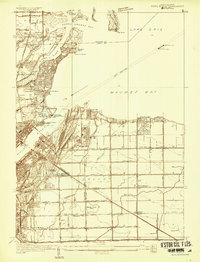 1934 Point Place1934 Print · USGSThe Lake Erie shoreline near Toledo comes to life in the mid-1930s, showing a landscape defined by maritime trade and residential growth. Genealogists and historians can trace family locations near Point Place, Momineetown, and landmarks like the Toledo Yacht Club.
 - 1934 Map of Rossford
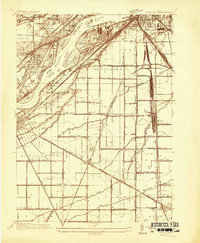 1934 Rossford1934 Print · USGSWood County was a hub of transit and industry in the 1930s, where the Maumee River met a complex web of rail yards and highways. Genealogists can locate family landmarks like Eagle Point Colony, Sunshine Cem, and the old schools at Lark Sch and Glenwood Sch.
 - 1935 Map of Walbridge
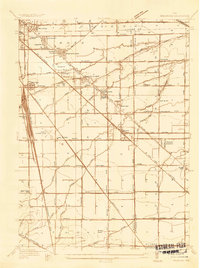 1935 Walbridge1935 Print · USGSThe rail-and-road corridors of Northwest Ohio come alive in this mid-1930s survey of the Walbridge and Millbury area. Genealogists and researchers can pinpoint family landmarks like Hayes Place, the Black Swamp Ch, and early aviation at the Toledo Landing Field.
 - 1935 Map of Grand Rapids
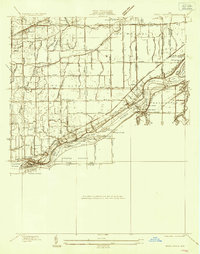 1935 Grand Rapids1935 Print · USGSLucas and Wood counties during the mid-1930s display a landscape defined by the winding Maumee River and its industrial history. Genealogists and historians can trace the foundations of local communities at St Patrick Cem, Nazareth Hall, and the Lucas Wood Co Canal.
 - 1935 Map of Whitehouse
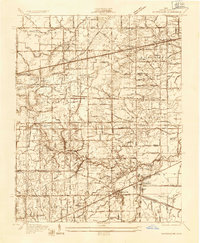 1935 Whitehouse1935 Print · USGSWestern Lucas County was a landscape of intricate drainage ditches and rail corridors in the mid-1930s. Researchers can trace the path of the Toledo and Indiana (Electric) line or locate family sites at Weckerly Cemetery and Roberts Chapel.
 - 1935 Map of Maumee
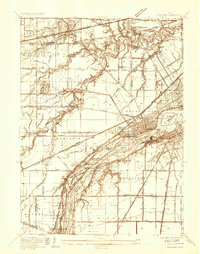 1935 Maumee1935 Print · USGSThe Maumee River valley is shown in the mid-1930s, just as electric railways and state highways began to reshape the old river towns. Genealogists and researchers can locate Springfield Chapel, trace the Cincinnati and Lake Erie line, or find the Hulls Crossing Mill.
 - 1935 Map of Genoa
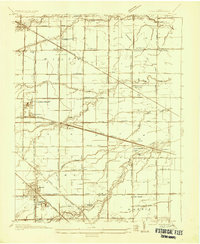 1935 Genoa1935 Print · USGSOttawa and Lucas counties come alive in the mid-1930s, revealing a landscape of limestone quarries and rural crossroads. Genealogists and historians can locate family landmarks such as the Lutheran Cemetery, tracing the industrial footprint of the U S Gypsum Company and the New York Central line.
 - 1935 Map of Berkey
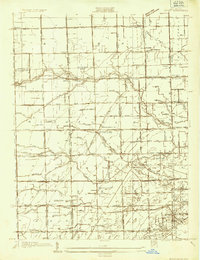 1935 Berkey1935 Print · USGSLucas County farms and small crossroads settlements are captured here in the mid-1930s as the region transitioned from electric rail to highway travel. Researchers can trace family sites near Wolfinger Cem, the St Elizabeth Sch Richfield Center, and the industrial spur at Allen Junction.
 - 1936 Map of Erie
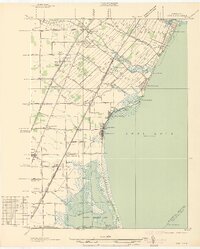 1936 Erie1936 Print · USGSCoastal Monroe County in the mid-1930s shows a landscape of lakeside resorts and busy rail corridors heading toward the Ohio line. Genealogists and local historians can locate early twentieth-century landmarks like San Freal Sch, Luna Pier, and the Roselawn Memorial Cem.
 - 1937 Map of Sylvania
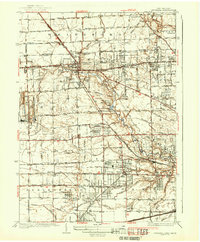 1937 Sylvania1937 Print · USGSSylvania and the Ohio-Michigan borderlands are shown in the mid-1930s as limestone extraction and suburban neighborhoods began to reshape the landscape. Researchers can trace local industry at Medusa Quarry or locate vanished rural landmarks like Dorr St Sch and the Boy Scout Reservation.2 unique versions available
 - 1938 Map of Walbridge
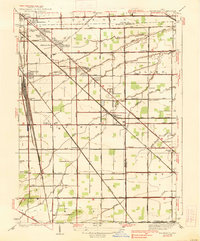 1938 Walbridge1938 Print · USGSNorthwest Ohio at the height of its rail-and-road expansion shows a landscape defined by industrial hubs and developing neighborhoods. Genealogists and historians can trace family locations near Walbridge Yard, Millbury, and rural landmarks like the Allen Cem.2 unique versions available
 - 1938 Map of Maumee
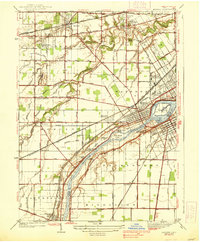 1938 Maumee1938 Print · USGSThe riverfront communities of Northwest Ohio thrive during the mid-1930s as rail and road networks begin to overtake the old canal system. Researchers can trace the legacy of the Miami and Erie Canal and explore historical sites like Fort Meigs and Fallen Timber State Park.2 unique versions available
 - 1938 Map of Reno Beach
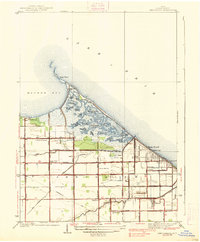 1938 Reno Beach1938 Print · USGSCoastal Lucas County comes alive in this pre-war survey of the Lake Erie marshes and beach communities. Researchers can trace the layout of Bono and Reno Beach or locate vanished local landmarks like Cement Block Sch and the Lakemont Golf Club.2 unique versions available
 - 1938 Map of Genoa
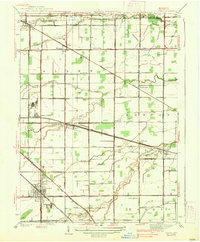 1938 Genoa1938 Print · USGSGenoa and its surrounding townships are shown in detail during the late thirties, as the region's rail and road networks were fully established. Genealogists can locate family landmarks like Williston Cem, Thorp Sch, and the quiet crossroads of Grodis Corner.2 unique versions available
Showing maps 1-25 of 180
Top cities of Lucas County
- Toledo historical maps
- Oregon historical maps
- Sylvania historical maps
- Maumee historical maps
- Monclova historical maps
- Waterville historical maps
See more
Frequently asked questions
- What are the different types of historical maps available for Lucas County?
- What is the oldest map of Lucas County?
- Where can I purchase historical maps of Lucas County for my home or office?
- Where can I download high-res historical maps of Lucas County?
- Are there historical topographic maps available for Lucas County?
- Is there historical aerial imagery available for Lucas County?
- Where are historical maps of Lucas County sourced from?