Old Maps of Piketon, Ohio for Academic Research
Study the evolution of Piketon with 24 high-resolution historic maps. Whether you're teaching, researching, or modeling changes in land use, these maps provide essential visual documentation of urban, environmental, and geographic change.
- Analyze long-term change: Track patterns in development, transportation, and natural features.
- Ideal for environmental or urban studies: Support academic projects with primary historical map data.
- Use in the classroom or lab: Educators and researchers rely on these maps to bring historical context to life.
These maps are a powerful tool for teaching, research, and visualizing how Piketon has changed over the decades.
Piketon, OH maps
(24)- 1906 Map of Waverly
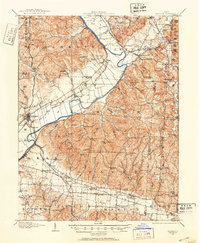 1906 Waverly1906 Print · USGSSouthern Ohio at the turn of the century shows a bustling corridor of river valleys and rail junctions centered on Waverly. Genealogists and historians can trace defunct post offices like Stony Creek Sta Pride PO and rural landmarks like Lilly Chapel or Cars Run School.
 - 1908 Map of Waverly, 1944 Print
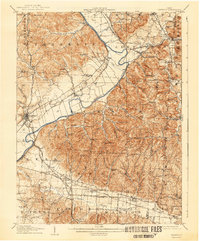 1908 Waverly1944 Print · USGSThe Scioto River valley at the start of the twentieth century was a vital crossroads of five competing railroads. Local historians can trace early mail stops like Robbins Dove PO and rural landmarks such as Lily Chapel or Meadow Run Church.
 - 1915 Map of Piketon, 1959 Print
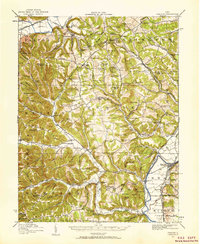 1915 Piketon1959 Print · USGSPike and Ross Counties are shown in the mid-1910s during a height of rural settlement and local industry. Genealogists can locate dozens of country schoolhouses like Yankee Hill School and vanished post offices such as Bethel Pike PO.
 - 1917 Map of Piketon, 1934 Print
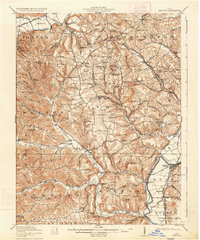 1917 Piketon1934 Print · USGSThe Scioto River valley and its surrounding hill country are captured here during the first World War era, showing a landscape of small farmsteads and ancient earthworks. Genealogists can trace family roots through dozens of named rural landmarks like Seip Mound, Bethel Pike PO, and Mound Cemetery.2 unique versions available
 - 1944 Map of Piketon
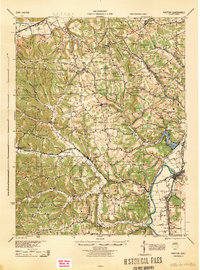 1944 Piketon1944 Print · USGSSouthern Ohio's hill country meets the Scioto River valley in the mid-1940s, a landscape defined by ancient earthworks and rugged ridge-top schoolhouses. Researchers can locate family landmarks like the County Home, trace the Norfolk and Western RR, or find vanished community hubs like Bethel Pike PO and Morgantown.
 - 1947 Map of Columbus, 1948 Print
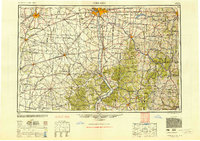 1947 Columbus1948 Print · USGSCentral Ohio in the late 1940s is captured in this survey, showing the post-war transition of its rail hubs and military airfield expansions. Genealogists and historians can trace the paths of the Ohio Canal, the Pennsylvania RR lines, and the Camp Sherman Military Reservation.
 - 1961 Map of Columbus
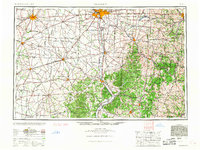 1961 Columbus1961 Print · USGSCentral and Southern Ohio are captured here in the early sixties, as the region's industrial rail hubs and military bases reached their peak. Genealogists and historians can trace the transition from urban Columbus to rural townships along the Scioto River, locating Lockbourne USAF and old junctions like Washington Court House.
 - 1961 Map of Waverly South, 1963 Print
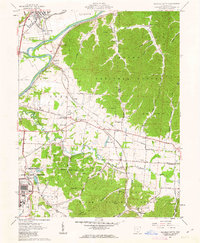 1961 Waverly South1963 Print · USGSThe Scioto River valley in the early sixties is a landscape of federal utility and rural tradition, featuring the sprawling Atomic Energy Commission reservation alongside the Wayne National Forest. Researchers can trace family history through local landmarks like Piketon Sch, Hamman Ch, and the many small burial grounds including Evergreen Cem.4 unique versions available
 - 1961 Map of Piketon, 1963 Print
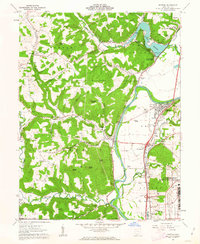 1961 Piketon1963 Print · USGSThe Scioto River valley in the early 1960s shows a landscape bridging the canal era and the atomic age. Researchers can trace the Ohio and Erie Canal (Abandoned) alongside landmarks like the Indian Mound and Yankee Hill Ch.4 unique versions available
 - 1962 Map of Columbus
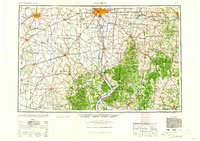 1962 Columbus1962 Print · USGSCentral Ohio during the early sixties reveals a transition from the industrial corridors of Columbus to the forested ridges of the south. Genealogists and historians can trace the rail networks of the Baltimore & Ohio RR and find local landmarks like Washington Court House and Camp Sherman Military Reservation.
 - 1967 Map of Columbus, 1969 Print
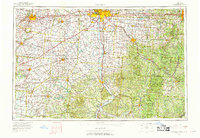 1967 Columbus1969 Print · USGSCentral Ohio during the late sixties serves as a vital corridor of rail and aviation, from the industrial streets of Springfield to the hangar lines of Lockbourne Air Force Base. Genealogists and researchers can trace the growth of towns like Circleville and London or locate rural landmarks such as St Paul church and the London Correctional Institution.2 unique versions available
 - 1980 Map of Wellston, 1982 Print
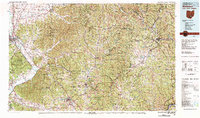 1980 Wellston1982 Print · USGSThe hill country of south-central Ohio in the early eighties shows a landscape of expansive state forests and deep-rooted river towns. Genealogists and historians can trace rural heritage through sites like Buckeye Furnace State Memorial and Mount Zion Cemetery.
 - 1986 Map of Hillsboro
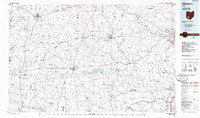 1986 Hillsboro1986 Print · USGSThe rural landscapes of Highland and Clinton counties appear in the mid-eighties as a busy corridor of railroads and regional airports. Genealogists and historians can trace old community centers like Reesville and Starbucktown alongside significant landmarks like Wilmington College and Fort Hill State Memorial.2 unique versions available
 - 1992 Map of Waverly South, 1995 Print
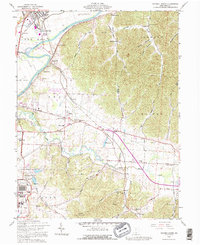 1992 Waverly South1995 Print · USGSPike County's river-bottom farms and heavy industry are captured here in the early nineties, centered on the Scioto valley. Researchers can trace family history through dozens of rural sites like Evergreen Cem, Zahns Corners, and the historic Piketon Sch.
 - 2010 Map of Piketon, 2010 Print
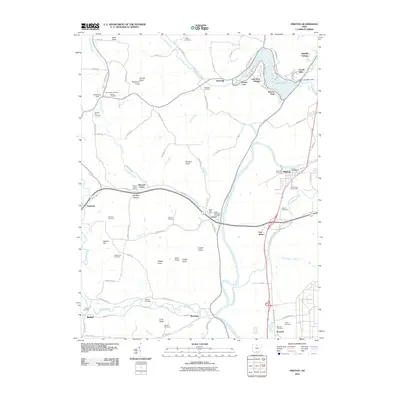 2010 Piketon2010 Print · USGSThe Scioto River valley comes alive in this 2010 study of Pike County, capturing the communities of Piketon and Jasper before modern shifts. Genealogists can trace family names at Mound Cemetery and Vine Chapel Cemetery or explore the shores of Lake White.
 - 2010 Map of Waverly South, 2010 Print
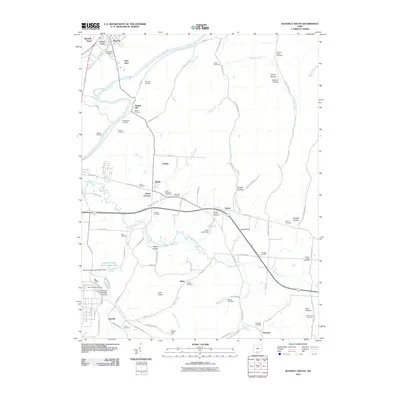 2010 Waverly South2010 Print · USGSWaverly and the Scioto River valley are shown in detail during the early 21st century, revealing a landscape of historic river settlements and industrial sites. Genealogists can locate over a dozen burial grounds such as Evergreen Cemetery, Lucas Cemetery, and Germany Cemetery.
 - 2013 Map of Waverly South, 2013 Print
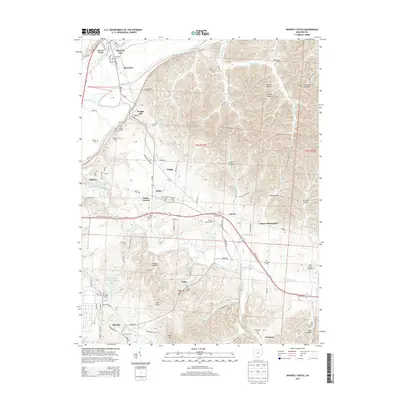 2013 Waverly South2013 Print · USGSPike County at the start of the 2010s shows a landscape of deep hollows and industrial transition near the Scioto River. Genealogists can locate family landmarks like Greggs Hill and numerous burial grounds including Evergreen Cem and Givens Chapel Cem.
 - 2013 Map of Piketon, 2013 Print
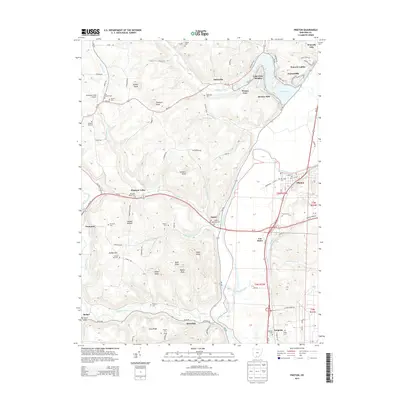 2013 Piketon2013 Print · USGSPiketon and the Scioto River valley appear here in the early 2010s, showing a landscape defined by riverside settlements and high ridges. Researchers can locate numerous family and community burial sites like Yankee Hill Cem, Mound Cem, and Pfeifer Cem.
 - 2016 Map of Piketon, 2016 Print
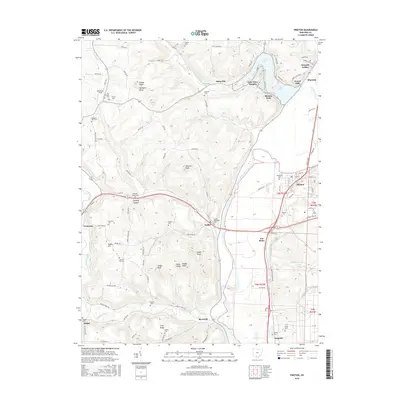 2016 Piketon2016 Print · USGSThe Scioto River valley in Pike County comes into focus in the mid-2010s as a landscape of river-bottom villages and high knobs. Researchers can trace local lineage through numerous sites like Mound Cem, Piketon, and the family-named Yankee Hill Cem.
 - 2016 Map of Waverly South, 2016 Print
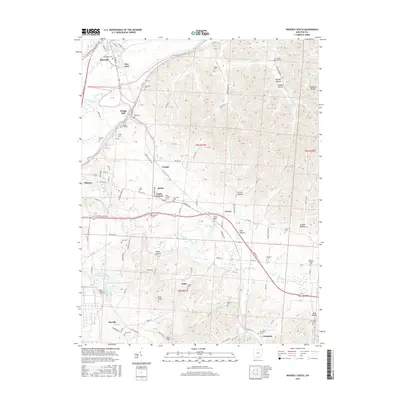 2016 Waverly South2016 Print · USGSThe Scioto River valley south of Waverly is captured here in the mid-2010s, showing a landscape defined by its river-bottom agriculture and upland hollows. Genealogists can trace dozens of family burial sites like Brust Number 2 Cem, Hamman Cem, and Greggs Hill Cem.
 - 2019 Map of Waverly South, 2019 Print
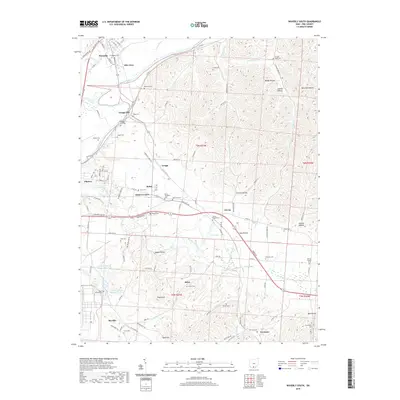 2019 Waverly South2019 Print · USGSThe Scioto River valley south of Waverly is captured here in the late 2010s, revealing a landscape rich in family history. Genealogists can trace numerous burial sites like Brust Number 2 Cem and Evergreen Cem near settlements such as Zahns Corners and Givens.
 - 2019 Map of Piketon, 2019 Print
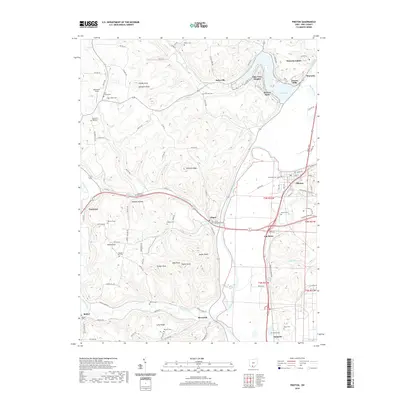 2019 Piketon2019 Print · USGSThe Scioto River valley and the hill country of Pike County are shown in detail as they appeared in 2019. Researchers can trace ancestral sites at Mound Cem, follow Sunfish Creek, or locate old landmarks near Piketon and Jasper.
 - 2023 Map of Piketon, 2023 Print
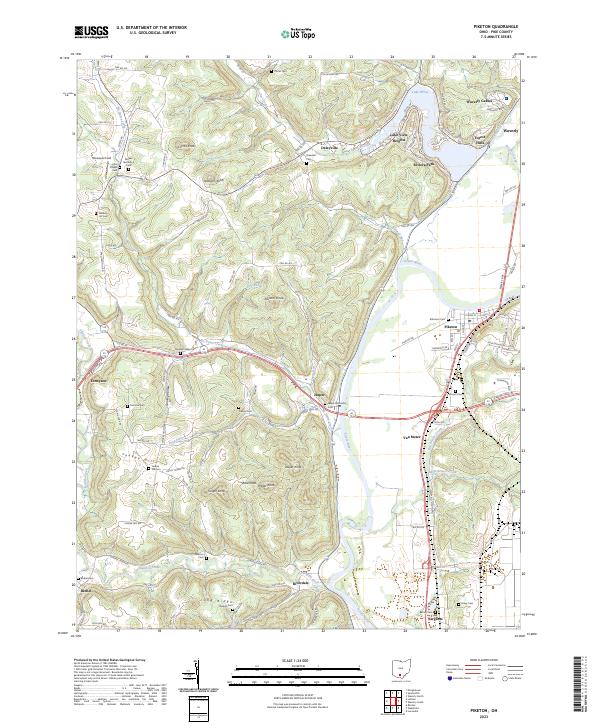 2023 Piketon2023 Print · USGSThe Scioto River valley in southern Ohio is captured here in the early twenty-first century, showing the established communities of Piketon and Waverly. Researchers can trace dozens of rural burial sites, including Mound Cem, Yankee Hill Cem, and the historic Jasper Methodist Cem.
 - 2023 Map of Waverly South, 2023 Print
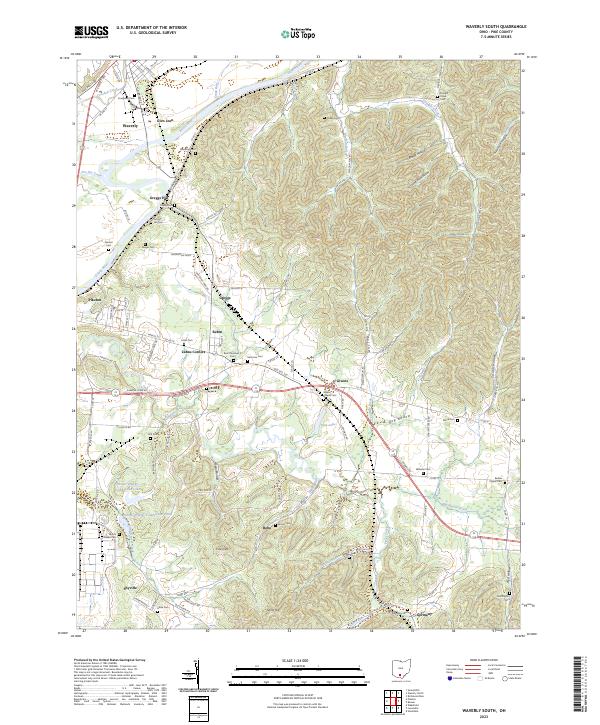 2023 Waverly South2023 Print · USGSPike County's Scioto River valley and eastern ridges are captured here in the early 2020s. Genealogists and local historians can locate numerous rural burial sites like Brust Number 2 Cem and Germany Cem or trace the industrial impact near Shyville.
End of results
Showing maps 1-24 of 24
Top cities near Piketon
Frequently asked questions
- What are the different types of historical maps available for Piketon?
- What is the oldest map of Piketon?
- Where can I purchase historical maps of Piketon for my home or office?
- Where can I download high-res historical maps of Piketon?
- Are there historical topographic maps available for Piketon?
- Is there historical aerial imagery available for Piketon?
- Where are historical maps of Piketon sourced from?