Old Maps of Nowhere, Oklahoma for Academic Research
Study the evolution of Nowhere with 10 high-resolution historic maps. Whether you're teaching, researching, or modeling changes in land use, these maps provide essential visual documentation of urban, environmental, and geographic change.
- Analyze long-term change: Track patterns in development, transportation, and natural features.
- Ideal for environmental or urban studies: Support academic projects with primary historical map data.
- Use in the classroom or lab: Educators and researchers rely on these maps to bring historical context to life.
These maps are a powerful tool for teaching, research, and visualizing how Nowhere has changed over the decades.
Nowhere, OK maps
(10)- 1951 Map of Fort Cobb, 1952 Print
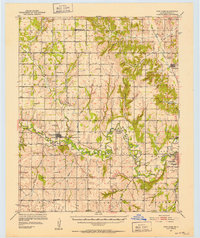 1951 Fort Cobb1952 Print · USGSCaddo County's agricultural and rail-driven landscape is captured here in the early fifties, centered on the Washita River valley. Genealogists and historians can trace the foundations of local life through rural landmarks like St Patricks Indian Mission, Oak Grove Cem, and the Riverside Indian Sch.5 unique versions available
 - 1955 Map of Clinton, 1964 Print
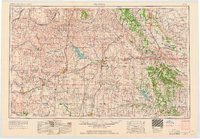 1955 Clinton1964 Print · USGSWestern Oklahoma during the mid-century transition shows a landscape of growing reservoirs and active military flight lines. Genealogists and historians can locate rural landmarks such as Mountain View Church, Berlin School, and the Riverside Indian School Reserve.3 unique versions available
 - 1957 Map of Clinton
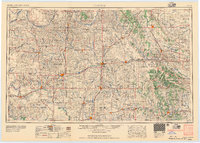 1957 Clinton1957 Print · USGSWestern Oklahoma in the mid-fifties is captured here as a landscape of river-valley settlements and emerging energy fields. Genealogists can trace family roots through numerous rural landmarks like the Swapping Back Indian School, Hebron Church, and the Riverside Indian School Reserve.
 - 1979 Map of Fort Cobb Dam
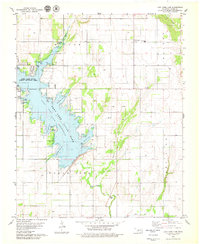 1979 Fort Cobb Dam1979 Print · USGSFort Cobb, Oklahoma is shown here in the late seventies just as the reservoir and state park had matured into a regional fixture. Genealogists and local historians can trace the foundations of Albert, the Oney Sch, and quiet landmarks like Highland Ch.
 - 1986 Map of Anadarko
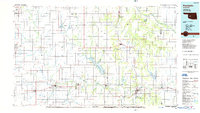 1986 Anadarko1986 Print · USGSThe Oklahoma plains around Anadarko are captured in the mid-1980s, showing the intersection of rail history and tribal heritage. Genealogists and historians can trace the Indian Treaty Boundary or locate old rail stops along the Burlington Northern Railroad and Atchison, Topeka and Santa Fe Railway.2 unique versions available
 - 2010 Map of Fort Cobb Dam, 2010 Print
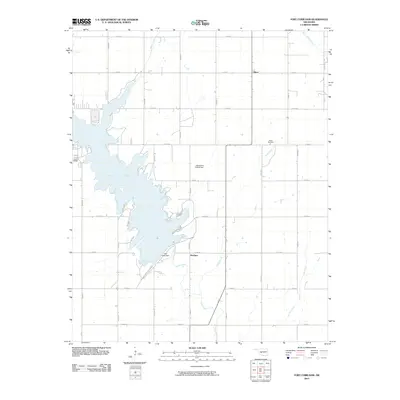 2010 Fort Cobb Dam2010 Print · USGSCaddo County's agricultural plains and water infrastructure are captured here just after the turn of the millennium. Researchers can locate the Albert Cemetery and trace the rural settlements of Albert and the uniquely named Nowhere near the Fort Cobb Dam.
 - 2012 Map of Fort Cobb Dam, 2012 Print
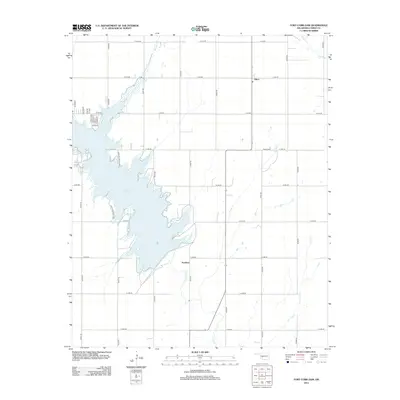 2012 Fort Cobb Dam2012 Print · USGSCaddo County's lakefront and rural sections are captured here in the early twenty-first century, centered on the expansive Fort Cobb Reservoir. Researchers can locate family sites near Albert Cem or trace the small settlements of Albert and Nowhere.
 - 2016 Map of Fort Cobb Dam, 2016 Print
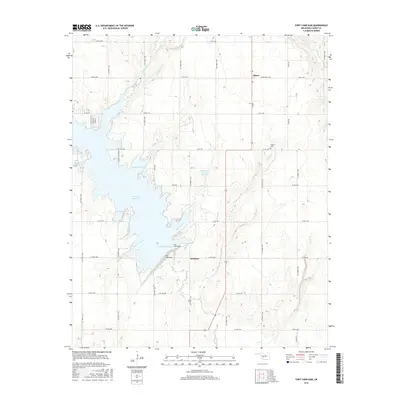 2016 Fort Cobb Dam2016 Print · USGSCaddo County in the mid-2010s reveals a landscape shaped by the waters of the Fort Cobb Reservoir and the small rural outposts of the Oklahoma plains. Researchers can locate the Albert Cem and trace the road networks connecting the settlements of Albert and Nowhere.
 - 2018 Map of Fort Cobb Dam, 2018 Print
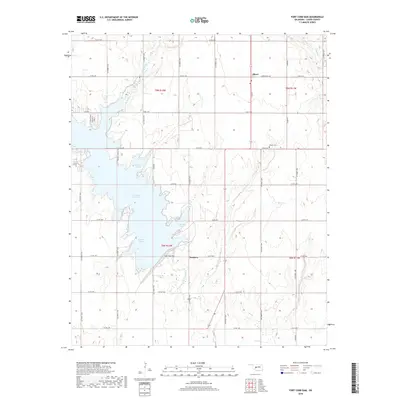 2018 Fort Cobb Dam2018 Print · USGSCaddo County's rural character is on full display in this modern survey of the area around the Fort Cobb Reservoir. Researchers can find family history at Albert Cem and trace the quiet settlements of Albert and the uniquely named Nowhere.
 - 2022 Map of Fort Cobb Dam, 2022 Print
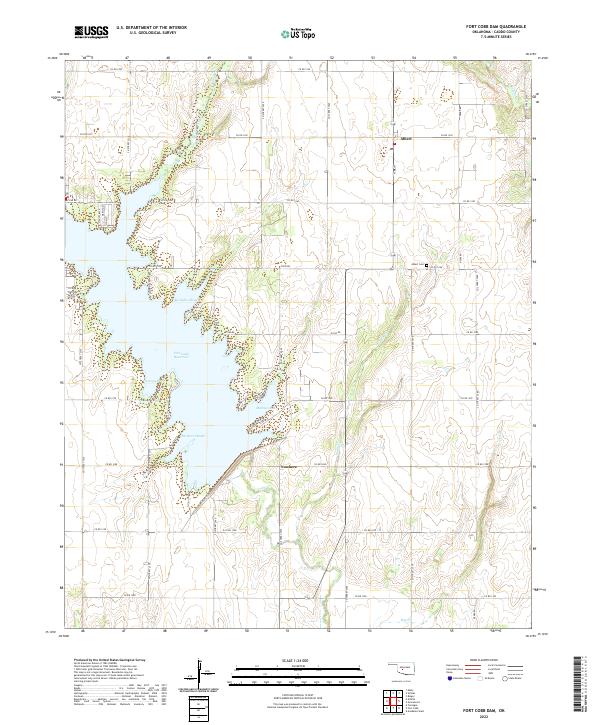 2022 Fort Cobb Dam2022 Print · USGSCaddo County's lake-front landscape is captured here in the early twenty-first century as the waters of Fort Cobb Reservoir shape the local geography. Researchers can find the rural community of Albert and its Albert Cem, or trace the winding shoreline of Marina Cove and the uniquely named Nowhere.
End of results
Showing maps 1-10 of 10
Top cities near Nowhere
- Anadarko historical maps
- Carnegie historical maps
- Fort Cobb historical maps
- Binger historical maps
- Gracemont historical maps
- Eakly historical maps
See more
Frequently asked questions
- What are the different types of historical maps available for Nowhere?
- What is the oldest map of Nowhere?
- Where can I purchase historical maps of Nowhere for my home or office?
- Where can I download high-res historical maps of Nowhere?
- Are there historical topographic maps available for Nowhere?
- Is there historical aerial imagery available for Nowhere?
- Where are historical maps of Nowhere sourced from?