1960s Maps of Whitefield, Oklahoma
Explore 6 historic maps of Whitefield from the 1960s. These maps offer a rare glimpse into what life looked like during the 1960s — showing old roads, neighborhoods, homes, and landmarks that have changed or disappeared over time.
Whether you're researching your family's past, planning a metal detecting trip, or studying how Whitefield's landscape evolved across the 1960s, these high-resolution maps are a powerful tool for exploring the history of this region.
- Focus on a specific era: All maps on this page are from the 1960s, giving you a focused view of this time period.
- See what’s changed: Compare century-old streets, trails, and buildings to today's modern landscape using overlays and satellite layers.
- Research with precision: Use these maps for genealogy, historical research, land use analysis, or educational projects.
- View, download, or print: Maps are fully viewable online in high resolution, and can be downloaded or printed for your own records.
Start exploring Whitefield's history through authentic maps from the 1960s. This is your window into the past.
Whitefield, OK maps
(6)- 1962 Map of Stigler West, 1964 Print
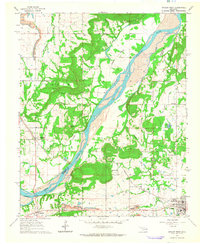 1962 Stigler West1964 Print · USGSHaskell and Muskogee counties are captured in the early sixties as the Canadian River shaped the local economy and geography. Genealogists and historians can trace old community ties through sites like Briartown, Ross Sch, and the Starr Cem.3 unique versions available
 - 1963 Map of Porum, 1964 Print
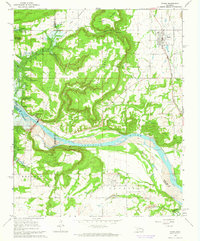 1963 Porum1964 Print · USGSThe Oklahoma hill country comes into focus in the early sixties as the Eufaula Reservoir begins to shape the landscape. Genealogists and local historians can trace the foundations of Porum and Hoyt, alongside rural landmarks like Sandy Ridge Sch and Starr Cem.2 unique versions available
 - 1965 Map of Fort Smith
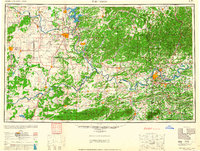 1965 Fort Smith1965 Print · USGSEastern Oklahoma and Western Arkansas are captured here during a period of massive post-war change as new reservoirs reshaped the river valleys. Genealogists and historians can trace the rail networks of the Midland Valley RR and find established communities like Stilwell, Sallisaw, and Stigler.
 - 1967 Map of Fort Smith
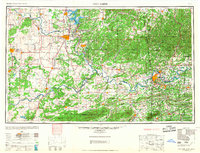 1967 Fort Smith1967 Print · USGSThe Arkansas River valley and the foothills of the Ozarks are captured here during a period of significant military and industrial activity. Researchers can trace the sprawling bounds of Camp Chaffee and Camp Gruber or locate vanished rail stops along the Midland Valley RR.
 - 1969 Map of Quinton North, 1971 Print
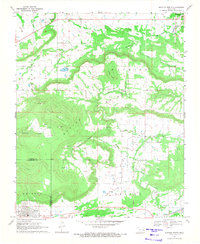 1969 Quinton North1971 Print · USGSEastern Oklahoma's ridge-and-valley landscape is captured here during the late 1960s, showing the intersection of rural life and early energy development. Researchers can trace family sites at Quinton Cem and Mountain Home Cem or locate industrial markers like the Strip Mine and Ware Farm Landing Field.3 unique versions available
 - 1969 Map of Sans Bois, 1971 Print
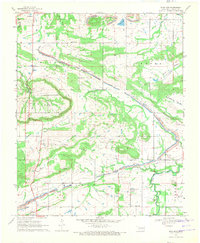 1969 Sans Bois1971 Print · USGSHaskell County's industrial and rural character is on display in the late sixties, showing the expansion of energy extraction. Locate family sites near Sans Bois Cemetery or trace the strip mines that weave through Beaver and Machire.
End of results
Showing maps 1-6 of 6
Top cities near Whitefield
- Stigler historical maps
- Warner historical maps
- Quinton historical maps
- Porum historical maps
- Kinta historical maps
- Tamaha historical maps
Frequently asked questions
- What are the different types of historical maps available for Whitefield?
- What is the oldest map of Whitefield?
- Where can I purchase historical maps of Whitefield for my home or office?
- Where can I download high-res historical maps of Whitefield?
- Are there historical topographic maps available for Whitefield?
- Is there historical aerial imagery available for Whitefield?
- Where are historical maps of Whitefield sourced from?