Old Maps of Rock Island, Oklahoma for Genealogy
Trace your family roots with 25 historic maps of Rock Island. These high-res maps reveal old neighborhoods, homesites, landmarks, and streets — helping you uncover where your ancestors lived and how the area evolved over time.
- Explore historic neighborhoods: Identify where your relatives may have lived in the 1800s or 1900s.
- Compare maps over time: Trace the changes in streets, buildings, and landmarks for multi-generational research.
- Perfect for genealogy & ancestry research: Used by family historians and researchers to map out lineage and migration.
These maps are an incredible resource for exploring your personal connection to Rock Island's past.
Rock Island, OK maps
(25)- 1887 Map of Greenwood
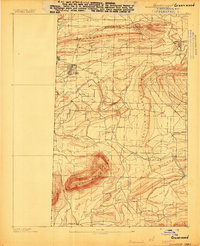 1887 Greenwood1887 Print · USGSSebastian County was undergoing a period of rapid development in the 1880s as the rail network expanded through its ridge-and-valley terrain. Genealogists can trace the early layouts of Greenwood and Hackett City or find family sites near Jenny Lind and Sugar Loaf Mountain.
 - 1890 Map of Fort Smith
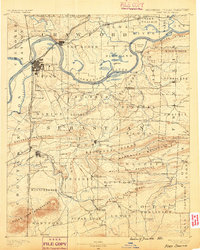 1890 Fort Smith1890 Print · USGSThe Arkansas-Indian Territory border was a landscape of rapid transition in the late nineteenth century. Genealogists and historians can trace early post offices like Jenny Lind P.O. and Oak Bower (Lavaca P.O.) or follow the path of the St. Louis and San Francisco Railroad.7 unique versions available
 - 1900 Map of Sallisaw
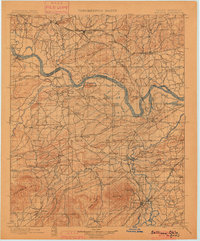 1900 Sallisaw1900 Print · USGSThe Cherokee and Choctaw Nations are divided by the winding Arkansas River at the turn of the century. Genealogists can trace early tribal-era settlements like Bokoshe, Tamaha, and Oak Lodge along the routes of the Kansas City Southern R. R.2 unique versions available
 - 1911 Map of Sallisaw
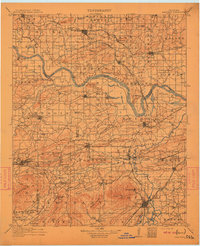 1911 Sallisaw1911 Print · USGSEastern Oklahoma at the turn of the century was a land of expanding railroads and ancient river crossings along the Arkansas River. Genealogists and historians can trace the early settlement of the region through dozens of landmarks like Foreman Ferry, McCurtain, and the Badger Lee School.3 unique versions available
 - 1943 Map of Fort Smith
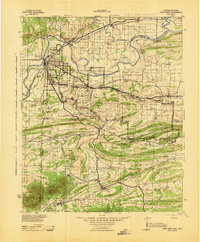 1943 Fort Smith1943 Print · USGSFort Smith and the Arkansas River valley are shown here during the height of the Second World War as the region became a major military hub. Genealogists and researchers can locate several rural schools and churches, such as St Marys School and Pleasant Ridge Church and Cem, alongside industrial sites like the Strip Mine and Smelter.
 - 1946 Map of Fort Smith
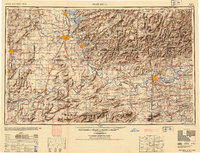 1946 Fort Smith1946 Print · USGSThe Arkansas-Oklahoma borderlands appear here in the mid-forties, as new reservoirs began to transform the river valleys. Genealogists and historians can trace rail-served towns from Muskogee to Fort Smith and locate landmarks like Camp Chaffee.
 - 1947 Map of Greenwood, 1954 Print
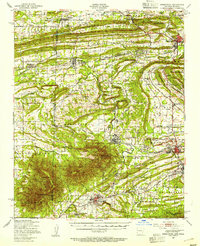 1947 Greenwood1954 Print · USGSThe Arkansas-Oklahoma border region thrived on coal and rail just after the war. Researchers can trace family ties at Old Jenny Lind and locate industrial landmarks like the Frazier Mine or the Midland Valley railroad.
 - 1948 Map of Hackett, 1963 Print
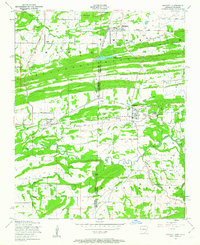 1948 Hackett1963 Print · USGSThe Arkansas-Oklahoma borderlands come alive in this post-war survey, documenting a landscape shaped by coal mining and ridge-top settlements. Researchers can trace the industrial footprint of strip mines near Hackett or locate family sites like Old Union Church and Mt View Cemetery.3 unique versions available
 - 1951 Map of Hackett
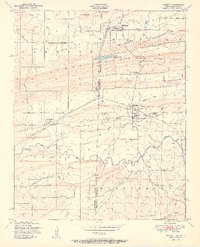 1951 Hackett1951 Print · USGSThe Arkansas-Oklahoma borderlands come alive in the early fifties, showing the peak of the region's coal and rail era. Researchers can trace the industrial footprint of Strip mines near Bonanza or locate family sites like Old Union Church and Mt View Cemetery.2 unique versions available
 - 1965 Map of Fort Smith
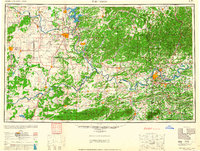 1965 Fort Smith1965 Print · USGSEastern Oklahoma and Western Arkansas are captured here during a period of massive post-war change as new reservoirs reshaped the river valleys. Genealogists and historians can trace the rail networks of the Midland Valley RR and find established communities like Stilwell, Sallisaw, and Stigler.
 - 1967 Map of Fort Smith
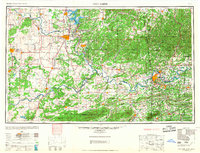 1967 Fort Smith1967 Print · USGSThe Arkansas River valley and the foothills of the Ozarks are captured here during a period of significant military and industrial activity. Researchers can trace the sprawling bounds of Camp Chaffee and Camp Gruber or locate vanished rail stops along the Midland Valley RR.
 - 1968 Map of Spiro, 1969 Print
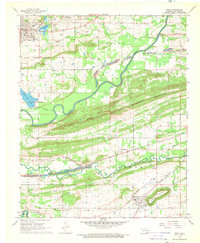 1968 Spiro1969 Print · USGSLe Flore County at the end of the 1960s shows a landscape defined by the Poteau River and the industrial activity of the regional coalfields. Researchers can trace the legacy of old Skullyville and locate rural landmarks like the French Cem and Royal Oak Ch.2 unique versions available
 - 1978 Map of Fort Smith, 1979 Print
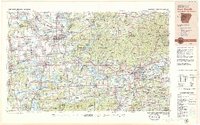 1978 Fort Smith1979 Print · USGSThe Arkansas-Oklahoma borderlands in the late seventies show a landscape shaped by massive river reservoirs and sprawling military reservations. Trace the historic rail lines of the Missouri Pacific RR and locate regional landmarks like Fort Gibson, Tenkiller Ferry Lake, and Barling.2 unique versions available
 - 1978 Map of Fort Smith, 1979 Print
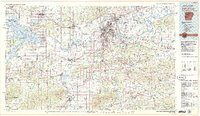 1978 Fort Smith1979 Print · USGSThe Arkansas-Oklahoma borderlands in the late seventies show a region defined by river navigation, coal mining, and military expansion. You can trace industrial footprints like the Strip Mines and the vast Fort Chaffee Military Reservation.2 unique versions available
 - 1987 Map of Hackett, 1988 Print
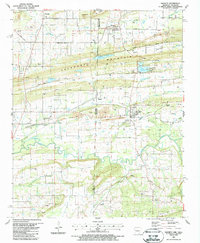 1987 Hackett1988 Print · USGSThe borderlands of Arkansas and Oklahoma were defined by intensive mining and ridge-top terrain in the late eighties. Researchers can trace historic family burial sites at Old Union Cem and Macedonia Cem or follow the old Railroad corridors.
 - 2010 Map of Spiro, 2010 Print
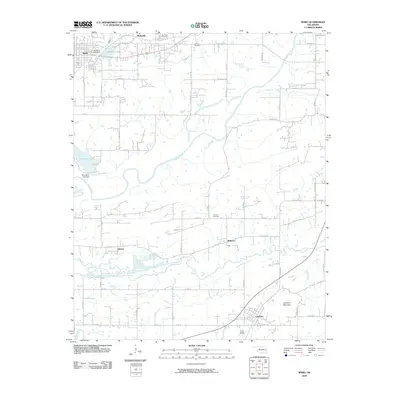 2010 Spiro2010 Print · USGSSpiro and its surrounding LeFlore County settlements are captured here in the early twenty-first century as the landscape balances water management and rural growth. Researchers can trace family history at French Cemetery, explore the banks of James Fork, or locate old landmarks near Skullyville.
 - 2011 Map of Hackett, 2011 Print
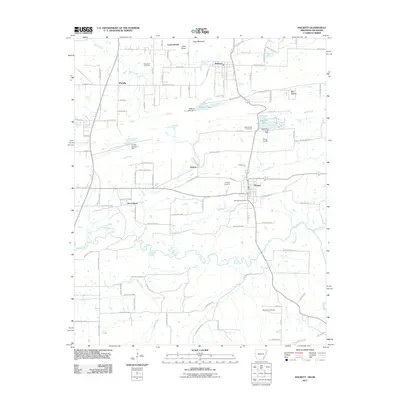 2011 Hackett2011 Print · USGSThe Arkansas-Oklahoma borderlands appear here in the early twenty-first century, showing the established communities of Pocola and Hackett. Researchers can trace family history through sites like Old Union Cemetery or explore the water-fed valleys of the James Fork.
 - 2012 Map of Spiro, 2012 Print
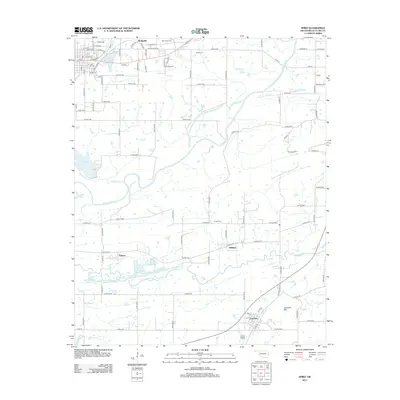 2012 Spiro2012 Print · USGSLe Flore County at the start of the 2010s reveals a landscape defined by the Poteau River and its long-established rural communities. Genealogists and local researchers can trace old family sites near Skullyville and locate French Cem or Cameron Mtn.
 - 2014 Map of Hackett, 2014 Print
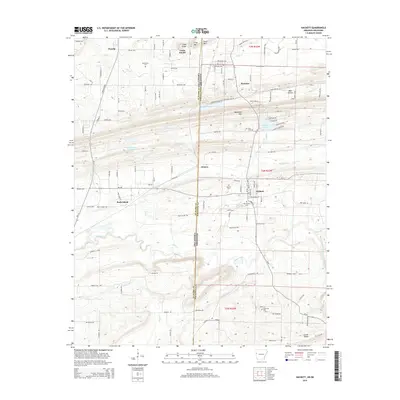 2014 Hackett2014 Print · USGSThe Oklahoma and Arkansas borderlands come alive in this recent survey of the Le Flore and Sebastian county line. Researchers can trace family roots through numerous burial grounds like Old Hickory Cem or explore the terrain around Backbone Mtn and James Fork.
 - 2016 Map of Spiro, 2016 Print
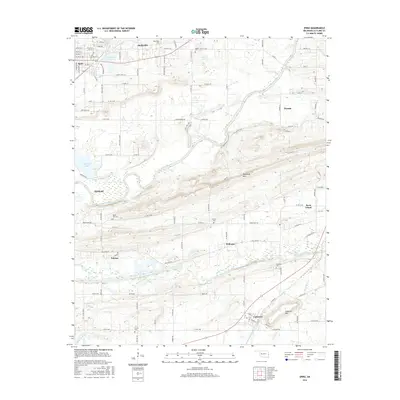 2016 Spiro2016 Print · USGSLeFlore County's river valleys and ridgelines are captured here in the mid-2010s, showing the enduring rural layout of eastern Oklahoma. Researchers can find numerous family burial sites and smaller communities, from New Hope Cem near Skullyville to the settlements at Rock Island and Cameron.
 - 2017 Map of Hackett, 2017 Print
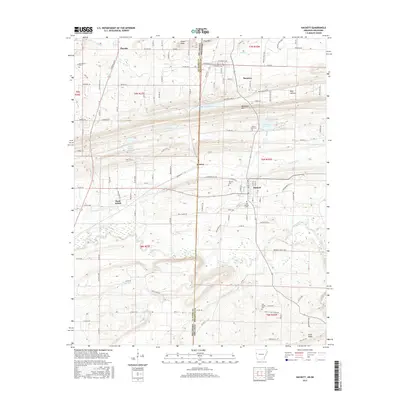 2017 Hackett2017 Print · USGSThe Oklahoma-Arkansas borderlands are captured here in the late twenty-teens, showing the ridge-and-valley terrain between Pocola and Hackett. Family historians can locate several rural burial grounds such as Vaenita Cem and Old Union Cem among the hills.
 - 2018 Map of Spiro, 2018 Print
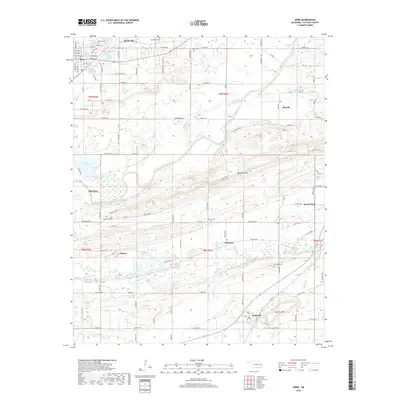 2018 Spiro2018 Print · USGSLe Flore County at the turn of the 2010s shows a landscape of river-valley settlements and prominent mountain ridges. Researchers can trace family roots through numerous sites like Skullyville, New Hope Cem, and the rail corridor of the Kansas City Southern.
 - 2020 Map of Hackett, 2020 Print
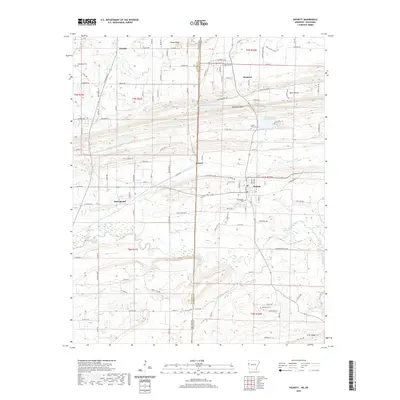 2020 Hackett2020 Print · USGSThe Oklahoma-Arkansas borderlands are captured here in modern detail, spanning the communities of Pocola, Bonanza, and Hackett. Genealogists and local historians can trace family sites at Old Hickory Cemetery, Old Union Cemetery, and landmarks along Backbone Mountain.
 - 2022 Map of Spiro, 2022 Print
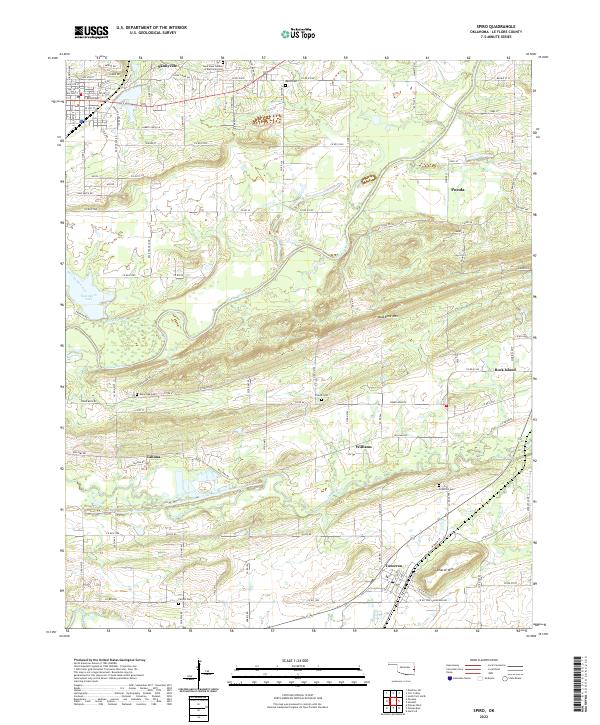 2022 Spiro2022 Print · USGSLe Flore County at the start of the 2020s shows a landscape of river-bottom lowlands and high ridges. Genealogists can locate family landmarks like Wards Cem and French Cem or trace the early settlement at Skullyville and Tahona.
 - 2024 Map of Hackett, 2024 Print
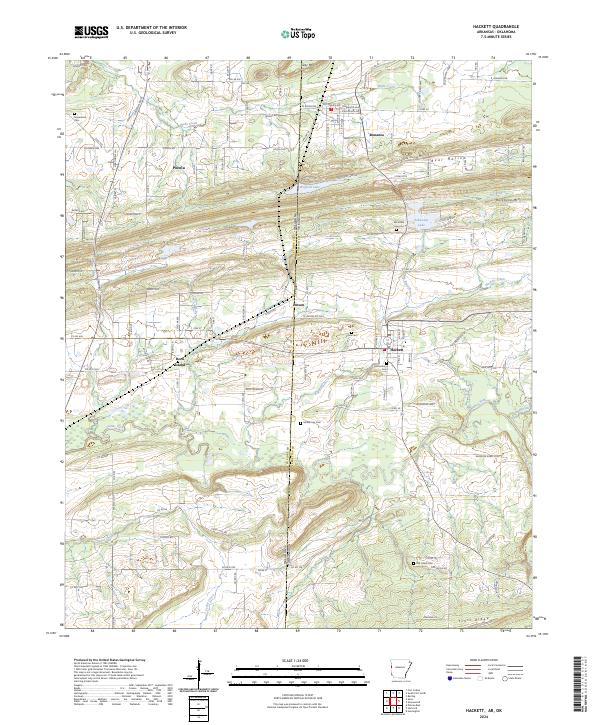 2024 Hackett2024 Print · USGSCrossing the Oklahoma-Arkansas border in the 2020s, this area shows a landscape defined by ridgeline settlements and old rail corridors. Trace family history at Old Hickory Cem, explore the legacy of Rock Island, or follow the path of James Fork through the valley.
End of results
Showing maps 1-25 of 25
Top cities near Rock Island
- Fort Smith historical maps
- Van Buren historical maps
- Greenwood historical maps
- Poteau historical maps
- Barling historical maps
- Pocola historical maps
See more
Frequently asked questions
- What are the different types of historical maps available for Rock Island?
- What is the oldest map of Rock Island?
- Where can I purchase historical maps of Rock Island for my home or office?
- Where can I download high-res historical maps of Rock Island?
- Are there historical topographic maps available for Rock Island?
- Is there historical aerial imagery available for Rock Island?
- Where are historical maps of Rock Island sourced from?