Old Maps of Jones, Oklahoma for Metal Detecting
Plan your next treasure hunt with 20 historic maps of Jones. Find old homesites, ghost towns, trails, and gathering spots that may be lost to time — perfect for identifying promising metal detecting locations.
- Locate forgotten sites: Uncover places like long-lost settlements, abandoned rail lines, or gathering spots.
- Plan better hunts: Use map overlays combined with LiDAR or satellite views to narrow in on historically rich areas.
- Made for detectorists: Thousands of hobbyists use these maps to discover relics, coins, and hidden history.
Use these historic maps to boost your research and find new opportunities beneath the surface of Jones.
Jones, OK maps
(20)- 1892 Map of Edmond
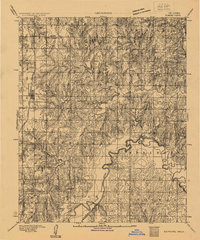 1892 Edmond1892 Print · USGSOklahoma Territory was still in its first years of settlement when this survey was conducted, showing the vital rail corridor through Edmond. Researchers can trace early township boundaries and the paths of the Atchison Topeka and Santa Fe Railroad near Waterloo and Enfield.
 - 1909 Map of Luther
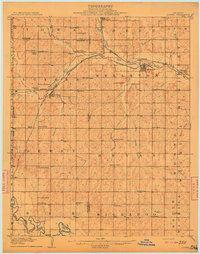 1909 Luther1909 Print · USGSDuring the final years of the Oklahoma Territory, this area saw rapid growth as railroads connected towns like Luther and Wellston. Genealogists and historians can locate dozens of early community sites, from the German Church to rural schoolhouses like Peach Grove School and Arbuckle School.2 unique versions available
 - 1935 Map of Edmond
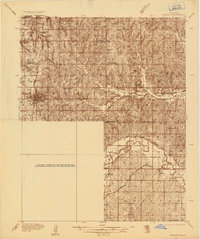 1935 Edmond1935 Print · USGSEdmond and its surrounding townships are captured in the mid-1930s as a vital transportation hub for central Oklahoma. Genealogists and historians can trace the early path of U S Highway No 66 and locate numerous rural landmarks like Wagner Cem and Mount Zion Sch.2 unique versions available
 - 1940 Map of Edmond
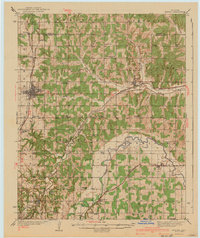 1940 Edmond1940 Print · USGSOklahoma and Logan Counties are captured here in the years leading up to the war, showing a rural landscape anchored by rail towns. Researchers can trace family history through a dense network of country schools and cemeteries like Sunnyside Sch and Rose Hill Cem.2 unique versions available
 - 1954 Map of Oklahoma City
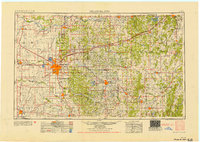 1954 Oklahoma City1954 Print · USGSOklahoma City and its surrounding counties are captured here in the early fifties during a period of significant postwar growth. Researchers can trace the development of the Turner Turnpike and locate aviation hubs like Tinker Field or Will Rogers Field.
 - 1955 Map of Jones, 1957 Print
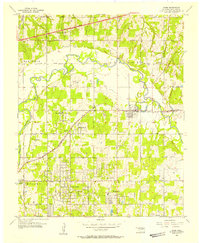 1955 Jones1957 Print · USGSOklahoma County in the mid-1950s shows a landscape of river-bottom industry and expanding rural townships. Genealogists can trace early neighborhood landmarks like Green Pastures, Rose Hill Sch, and the Odd Fellows Cem.4 unique versions available
 - 1956 Map of Horseshoe Lake, 1957 Print
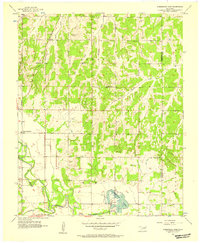 1956 Horseshoe Lake1957 Print · USGSOklahoma and Lincoln Counties appear here in the mid-fifties, centered on the river-fed industrial infrastructure near Harrah. Genealogists and local historians can locate early landmarks like Mt Carmel Cem, the St Louis - San Francisco rail line, and the State Center Sch.4 unique versions available
 - 1957 Map of Oklahoma City, 1969 Print
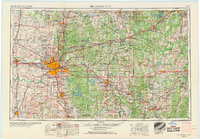 1957 Oklahoma City1969 Print · USGSCentral Oklahoma is captured here in a period of significant mid-century growth and industrialization. Researchers can trace family roots through numerous rural markers like Memory Lane Cem, New Hope School, and the sprawling grounds of Tinker Air Force Base.3 unique versions available
 - 1963 Map of Oklahoma City
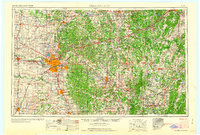 1963 Oklahoma City1963 Print · USGSCentral Oklahoma in the early sixties showcases a landscape of rapid suburban growth and established oil production. Researchers can trace historic rail lines like the Chicago Rock Island and Pacific RR or locate rural landmarks such as Mayflower School and Bethel Church.
 - 1990 Map of Oklahoma City North
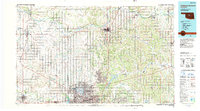 1990 Oklahoma City North1990 Print · USGSOklahoma City and its northern reaches are captured in the 1990s as suburban growth stretched toward the Cimarron River. Genealogists and historians can trace rail-town legacies along the Atchison Topeka and Santa Fe Railroad and find landmarks like the El Reno Federal Reformatory.
 - 2010 Map of Horseshoe Lake, 2010 Print
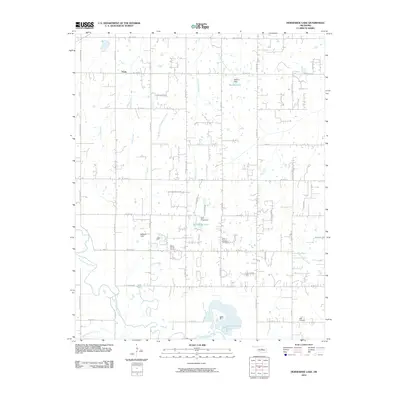 2010 Horseshoe Lake2010 Print · USGSOklahoma City's eastern rural fringe is captured here in the early 21st century as the landscape balances ranching roots with new growth. Researchers can locate family heritage sites like Mount Carmel Cemetery or trace the drainage of the North Canadian River and Horseshoe Lake.
 - 2010 Map of Jones, 2010 Print
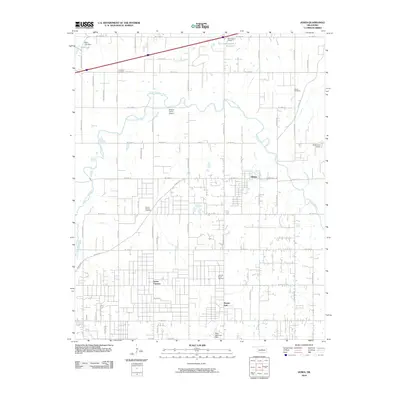 2010 Jones2010 Print · USGSOklahoma County's rural outskirts near the capital come into focus in this late-era survey. Researchers can trace local history through sites like the Lillard Cemetery, Hopcus Farms Airport, and the meandering path of the North Canadian River.
 - 2012 Map of Jones, 2012 Print
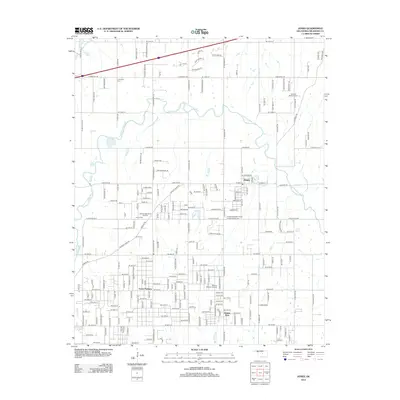 2012 Jones2012 Print · USGSOklahoma County's riverfront landscape is documented here in the early twenty-first century, centered on the growing community of Jones. Genealogists can trace several burial sites including Chitwood Cem and the Hillcrest Memory Gardens near the banks of the North Canadian River.
 - 2013 Map of Horseshoe Lake, 2013 Print
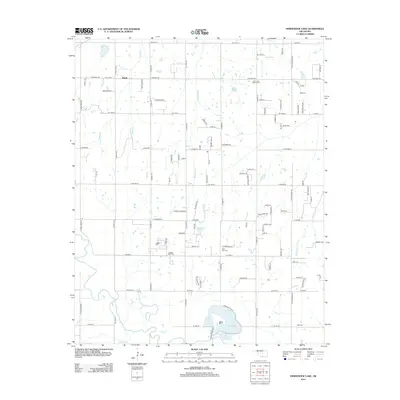 2013 Horseshoe Lake2013 Print · USGSOklahoma County land east of the capital reveals a complex network of creeks and rural cemeteries in the early twenty-first century. Genealogists can trace family footprints at Saint Paul Baptist Cem, Saint Mary Cem, or the namesake Horseshoe Lake shoreline.
 - 2016 Map of Jones, 2016 Print
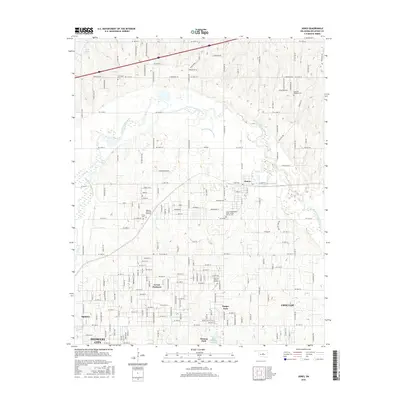 2016 Jones2016 Print · USGSNortheast of Oklahoma City in the mid-2010s, this area shows a mix of suburban growth and river valley terrain. Researchers can locate numerous local burial sites including Chitwood Cem and Ewing Cem alongside the winding North Canadian River.
 - 2016 Map of Horseshoe Lake, 2016 Print
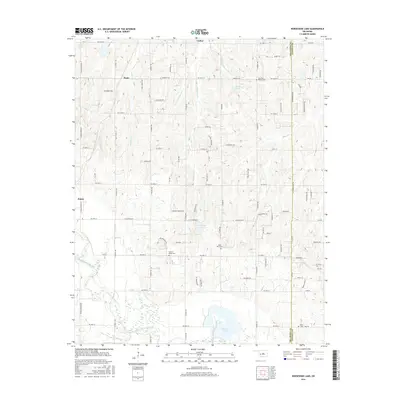 2016 Horseshoe Lake2016 Print · USGSOklahoma and Lincoln counties meet along the North Canadian River valley in the years preceding the state's centennial. Researchers can trace rural lineages at Saint Paul Baptist Cem, Mills Cem, and the waterside area near Horseshoe Lake.
 - 2018 Map of Horseshoe Lake, 2018 Print
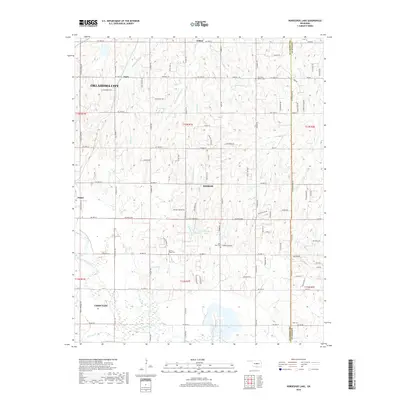 2018 Horseshoe Lake2018 Print · USGSEastern Oklahoma County in the late twenty-tens is defined by the winding North Canadian River and a transition from suburban growth to rural farmland. Researchers can trace local heritage at sites like Saint Paul Baptist Cem, Horseshoe Lake, and Summit Ridge Cem.
 - 2018 Map of Jones, 2018 Print
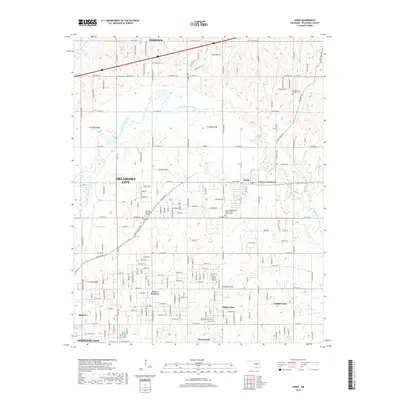 2018 Jones2018 Print · USGSEastern Oklahoma County at the end of the 2010s shows a landscape of growing suburbs and preserved cemeteries along the North Canadian River. Researchers can locate several historical burial grounds including Chitwood Cem and the Jones Independent Order of Odd Fellows Cem.
 - 2022 Map of Jones, 2022 Print
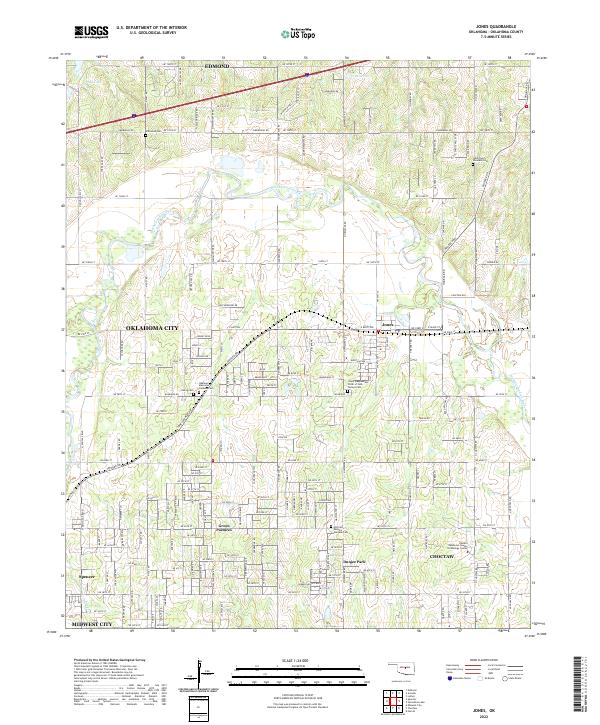 2022 Jones2022 Print · USGSOklahoma County at the start of the 2020s shows a landscape of growing communities and preserved family heritage north of the state capital. Genealogists can trace several local burial grounds including Chitwood Cem and Lillard and Woodard Cem.
 - 2022 Map of Horseshoe Lake, 2022 Print
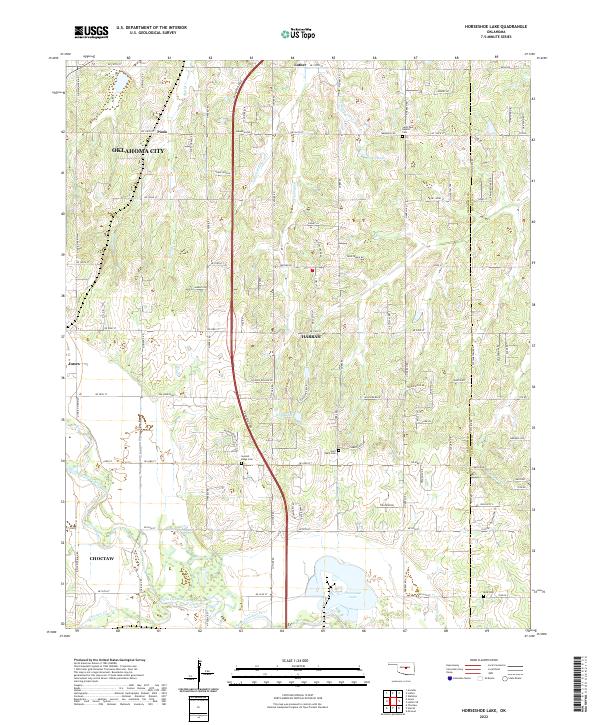 2022 Horseshoe Lake2022 Print · USGSThe Oklahoma City outskirts and the Harrah vicinity are captured in the early 2020s, showing a blend of prairie agriculture and modern expansion. Genealogists can trace family sites near Saint Paul Baptist Cem, Mills Cem, and the historic North Canadian River valley.
End of results
Showing maps 1-20 of 20
Top cities near Jones
- Oklahoma City historical maps
- Norman historical maps
- Edmond historical maps
- Midwest City historical maps
- Moore historical maps
- Shawnee historical maps
See more
Frequently asked questions
- What are the different types of historical maps available for Jones?
- What is the oldest map of Jones?
- Where can I purchase historical maps of Jones for my home or office?
- Where can I download high-res historical maps of Jones?
- Are there historical topographic maps available for Jones?
- Is there historical aerial imagery available for Jones?
- Where are historical maps of Jones sourced from?