Old Maps of McKey, Oklahoma for Academic Research
Study the evolution of McKey with 29 high-resolution historic maps. Whether you're teaching, researching, or modeling changes in land use, these maps provide essential visual documentation of urban, environmental, and geographic change.
- Analyze long-term change: Track patterns in development, transportation, and natural features.
- Ideal for environmental or urban studies: Support academic projects with primary historical map data.
- Use in the classroom or lab: Educators and researchers rely on these maps to bring historical context to life.
These maps are a powerful tool for teaching, research, and visualizing how McKey has changed over the decades.
McKey, OK maps
(29)- 1898 Map of Tahlequah, 1954 Print
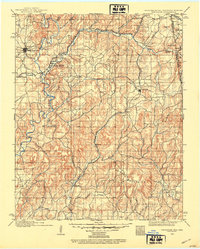 1898 Tahlequah1954 Print · USGSThe Cherokee Nation capital and the surrounding Indian Territory come to life in this survey conducted before Oklahoma statehood. Genealogists can trace family-named landmarks and early institutions like the Female Seminary, Salem Springs, and the Cherokee Insane Asylum.
 - 1900 Map of Sallisaw
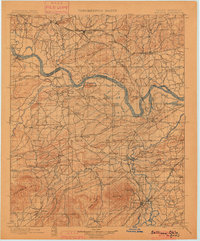 1900 Sallisaw1900 Print · USGSThe Cherokee and Choctaw Nations are divided by the winding Arkansas River at the turn of the century. Genealogists can trace early tribal-era settlements like Bokoshe, Tamaha, and Oak Lodge along the routes of the Kansas City Southern R. R.2 unique versions available
 - 1901 Map of Tahlequah
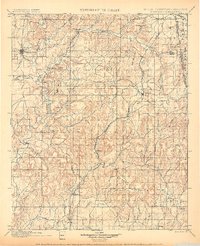 1901 Tahlequah1901 Print · USGSTahlequah and the Cherokee Nation are captured here during the final years of the Indian Territory era. Genealogists can locate family landmarks such as the Female Seminary, Elm Springs Mission, and the rail-stop settlements of Stilwell and Wauhillau.8 unique versions available
 - 1905 Map of Tahlequah
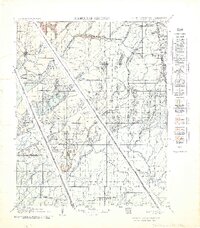 1905 Tahlequah1905 Print · USGSTahlequah and the surrounding Cherokee Nation are captured here in the years before Oklahoma statehood. Researchers can trace the early rail routes and find historic sites like the Female Seminary, the Cherokee Orphan Asylum, and Elm Springs Mission.
 - 1911 Map of Sallisaw
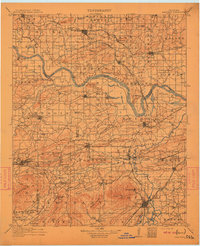 1911 Sallisaw1911 Print · USGSEastern Oklahoma at the turn of the century was a land of expanding railroads and ancient river crossings along the Arkansas River. Genealogists and historians can trace the early settlement of the region through dozens of landmarks like Foreman Ferry, McCurtain, and the Badger Lee School.3 unique versions available
 - 1946 Map of Fort Smith
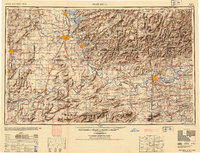 1946 Fort Smith1946 Print · USGSThe Arkansas-Oklahoma borderlands appear here in the mid-forties, as new reservoirs began to transform the river valleys. Genealogists and historians can trace rail-served towns from Muskogee to Fort Smith and locate landmarks like Camp Chaffee.
 - 1965 Map of Fort Smith
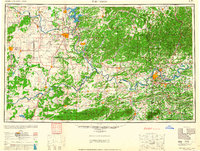 1965 Fort Smith1965 Print · USGSEastern Oklahoma and Western Arkansas are captured here during a period of massive post-war change as new reservoirs reshaped the river valleys. Genealogists and historians can trace the rail networks of the Midland Valley RR and find established communities like Stilwell, Sallisaw, and Stigler.
 - 1967 Map of Fort Smith
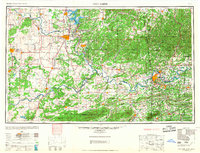 1967 Fort Smith1967 Print · USGSThe Arkansas River valley and the foothills of the Ozarks are captured here during a period of significant military and industrial activity. Researchers can trace the sprawling bounds of Camp Chaffee and Camp Gruber or locate vanished rail stops along the Midland Valley RR.
 - 1967 Map of Sallisaw, 1968 Print
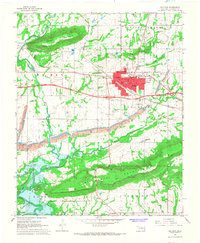 1967 Sallisaw1968 Print · USGSSallisaw and the surrounding Oklahoma river bottoms are captured here during a period of significant change in the late sixties. Researchers can trace the impact of the Robert S. Kerr Reservoir on the local landscape and locate historic sites like Buffington Cem and Badger Lee Ch.3 unique versions available
 - 1967 Map of Vian, 1968 Print
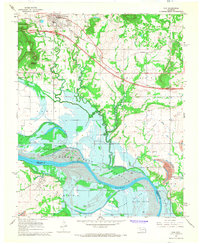 1967 Vian1968 Print · USGSThe Arkansas River valley is captured here in the late sixties during the construction of the Robert S. Kerr Reservoir. Researchers can trace soon-to-be-submerged lands near Sadie or locate historic rural sites like Tamaha Cem and Bethel Ch.4 unique versions available
 - 1972 Map of Marble City, 1974 Print
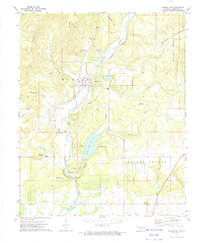 1972 Marble City1974 Print · USGSMarble City and the surrounding Cherokee County hills are captured here in the early seventies during a period of industrial activity. Genealogists and historians can trace family-named sites like Hastings Mountain, Dwight Mission, and the McCoy Cem burial grounds.
 - 1978 Map of Fort Smith, 1979 Print
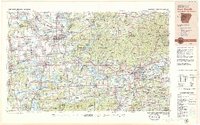 1978 Fort Smith1979 Print · USGSThe Arkansas-Oklahoma borderlands in the late seventies show a landscape shaped by massive river reservoirs and sprawling military reservations. Trace the historic rail lines of the Missouri Pacific RR and locate regional landmarks like Fort Gibson, Tenkiller Ferry Lake, and Barling.2 unique versions available
 - 1978 Map of Fort Smith, 1979 Print
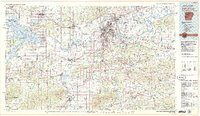 1978 Fort Smith1979 Print · USGSThe Arkansas-Oklahoma borderlands in the late seventies show a region defined by river navigation, coal mining, and military expansion. You can trace industrial footprints like the Strip Mines and the vast Fort Chaffee Military Reservation.2 unique versions available
 - 1978 Map of Stilwell, 1979 Print
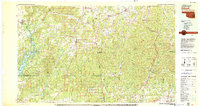 1978 Stilwell1979 Print · USGSThe Oklahoma-Arkansas borderlands come alive in the late seventies, showing the transition from the Cherokee Nation hills to the Arkansas Ozarks. Researchers can trace the Kansas City Southern rail line through Stilwell, find Wrights Chapel, or locate the Northeastern State College campus in Tahlequah.
 - 2010 Map of Marble City, 2010 Print
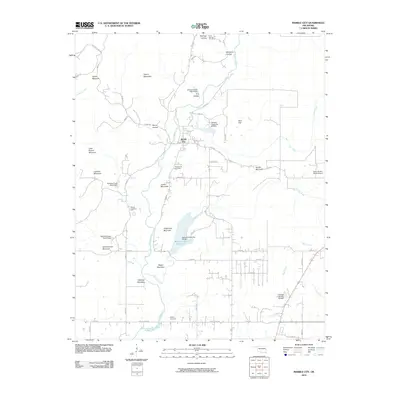 2010 Marble City2010 Print · USGSMarble City and the surrounding Oklahoma highlands are captured here in the early twenty-first century, showing a landscape defined by ridges and water management. Genealogists can trace family burial sites at Flute Springs Cemetery and McCoy Cemetery or explore the terrain around Quarry Mountain.
 - 2010 Map of Sallisaw, 2010 Print
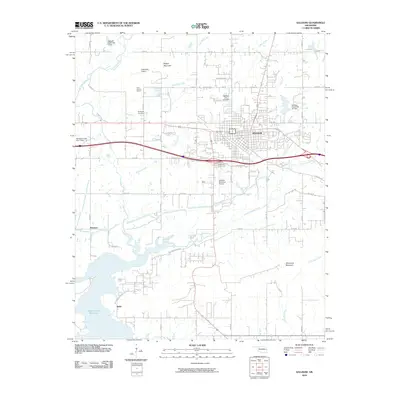 2010 Sallisaw2010 Print · USGSSallisaw and the Arkansas River valley are shown here just after the first decade of the millennium, following the region's development near the Robert S Kerr Reservoir. Researchers can trace local landmarks like Buffington Cemetery, Blue Ribbon Downs, and the community of Sadie.
 - 2010 Map of Vian, 2010 Print
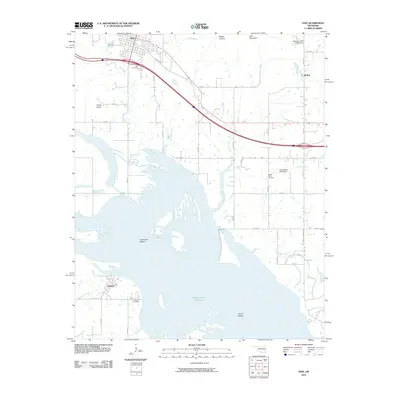 2010 Vian2010 Print · USGSSequoyah County and the shores of the Robert S. Kerr Reservoir are captured here in the early 2000s. Genealogists and local historians can trace burial sites at Vian Cemetery and Tamaha Cemetery or locate landmarks like Potato Knob and McKey.
 - 2012 Map of Sallisaw, 2012 Print
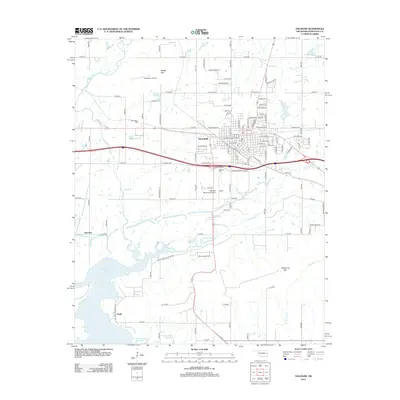 2012 Sallisaw2012 Print · USGSSallisaw and the northern shores of the Robert S. Kerr Reservoir are documented here in the early twenty-first century. Researchers can trace family sites near Sadie and Harrison or locate burials at Sallisaw Cem and Buffington Cem.
 - 2012 Map of Vian, 2012 Print
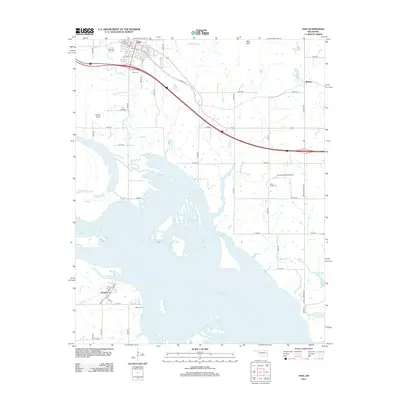 2012 Vian2012 Print · USGSEastern Oklahoma's river country is captured here just over a decade ago, where the Robert S Kerr Reservoir meets the foothills. Genealogists can locate family sites at Drake Stand Cemetery or trace the early streets of Vian and Tamaha.
 - 2012 Map of Marble City, 2012 Print
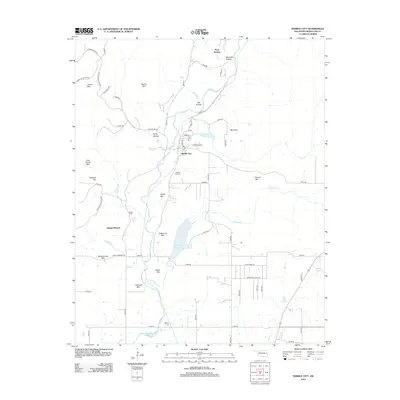 2012 Marble City2012 Print · USGSSequoyah County is captured here in the early 2010s, showing the settled valleys and rugged peaks surrounding Marble City. Researchers can trace local heritage through the Dwight Mission and family-named landmarks like McCoy Cem or Ussery Mtn.
 - 2016 Map of Vian, 2016 Print
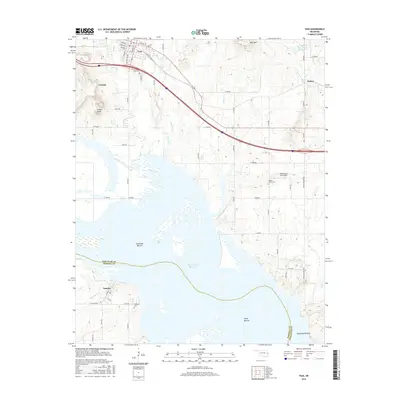 2016 Vian2016 Print · USGSThe town of Vian and the southern settlement of Tamaha are shown here during the mid-2010s, where the Oklahoma hills meet the Robert S Kerr Reservoir. Researchers can trace family history at Vian Cem and Drake Stand Cem or locate the distinct riverside landings of Sandtown Bottom and Mulehead Bottom.
 - 2016 Map of Sallisaw, 2016 Print
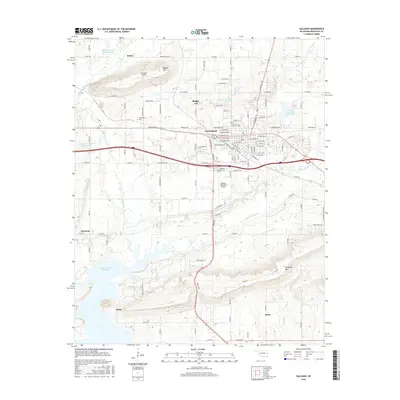 2016 Sallisaw2016 Print · USGSSallisaw and the Arkansas River valley are shown in detail during the mid-2010s, illustrating the town's growth alongside major water projects. Researchers can trace family history at Buffington Cem or locate old homestead sites near McKey and Sadie.
 - 2016 Map of Marble City, 2016 Print
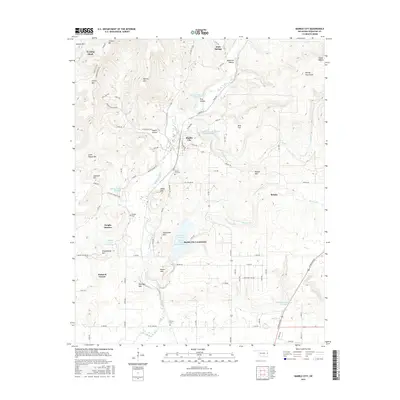 2016 Marble City2016 Print · USGSThe foothills of the Ozarks come alive in this mid-2010s survey of Sequoyah County, showing a landscape defined by high ridges and modern reservoirs. Genealogists and local researchers can locate ancestral sites like Dwight Cem or trace the early paths of Evening Shade and Dwight Mission.
 - 2018 Map of Marble City, 2018 Print
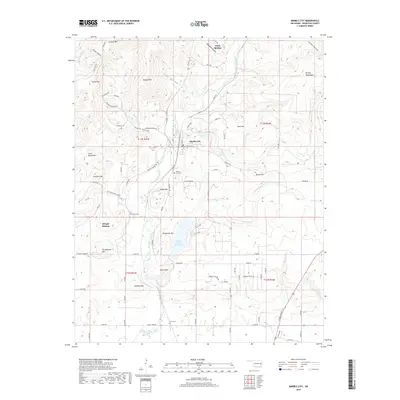 2018 Marble City2018 Print · USGSMarble City and the surrounding Cookson Hills are shown here in the late twenty-teens, revealing a landscape of steep ridges and creek valleys. Family historians can locate several burial sites and landmarks including Dwight Mission, McCoy Cem, and Marble City Cem.
 - 2019 Map of Vian, 2019 Print
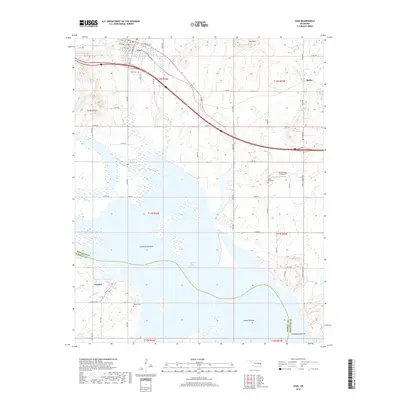 2019 Vian2019 Print · USGSVian and the Arkansas River valley are captured in this modern survey during a period of established lakeside commerce and rural growth. Researchers can trace family history through the Vian Cemetery and Tamaha Cemetery, or locate the specific topography of Sandtown Bottom and Wolf Mtn.
Showing maps 1-25 of 29
Top cities near McKey
- Sallisaw historical maps
- Muldrow historical maps
- Vian historical maps
- Vian historical maps
- Marble City historical maps
- Gans historical maps
See more
Frequently asked questions
- What are the different types of historical maps available for McKey?
- What is the oldest map of McKey?
- Where can I purchase historical maps of McKey for my home or office?
- Where can I download high-res historical maps of McKey?
- Are there historical topographic maps available for McKey?
- Is there historical aerial imagery available for McKey?
- Where are historical maps of McKey sourced from?