Old Maps of Creston, Oregon for Academic Research
Study the evolution of Creston with 10 high-resolution historic maps. Whether you're teaching, researching, or modeling changes in land use, these maps provide essential visual documentation of urban, environmental, and geographic change.
- Analyze long-term change: Track patterns in development, transportation, and natural features.
- Ideal for environmental or urban studies: Support academic projects with primary historical map data.
- Use in the classroom or lab: Educators and researchers rely on these maps to bring historical context to life.
These maps are a powerful tool for teaching, research, and visualizing how Creston has changed over the decades.
Creston, OR maps
(10)- 1955 Map of Burns, 1964 Print
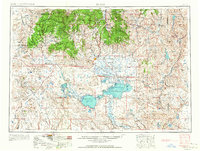 1955 Burns1964 Print · USGSHarney County's high desert ranching and timber heartland is captured here in the mid-fifties, centered on the hub of Burns and Hines. Genealogists and researchers can locate remote landmarks like the Suntex School, New Princeton P. O., and the Lumber Mill.3 unique versions available
 - 1958 Map of Burns
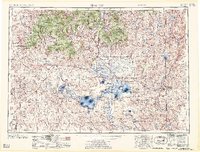 1958 Burns1958 Print · USGSHarney County ranching and timber lands are captured here in the late fifties. Genealogists and local historians can trace family holdings and rural institutions, from the Kimball Flat School to remote outposts like Crow Camp Ranch and the Sutton Ranch.
 - 1959 Map of Burns
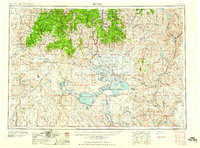 1959 Burns1959 Print · USGSHarney County in the late fifties remains a landscape of high-desert ranching and timber production, centered on the hubs of Burns and Hines. Researchers can locate remote rural institutions like the Suntex School or trace family landholdings such as the Stallard Ranch and O'Keefe Homestead.
 - 1973 Map of Mosquito Mtn, 1977 Print
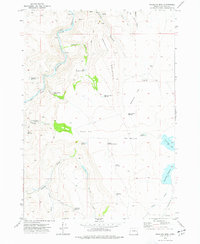 1973 Mosquito Mtn1977 Print · USGSMalheur County’s high desert landscape is shown in the early seventies as a network of vital water improvements and rail infrastructure. Researchers can trace the Union Pacific line and locate isolated sites like Creston, the Westfield Pit, and Easterday Reservoir.
 - 1978 Map of Stinkingwater Mountains, 1997 Print
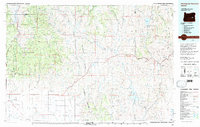 1978 Stinkingwater Mountains1997 Print · USGSHarney County in the late seventies is a land of high tables and deep basins, where the Stinkingwater Mountains rise over the Malheur River. Researchers can trace the Oregon and Northwestern Railroad and locate historic points like Fort Harney (Site) and Drewsey.2 unique versions available
 - 2011 Map of Mosquito Mountain, 2011 Print
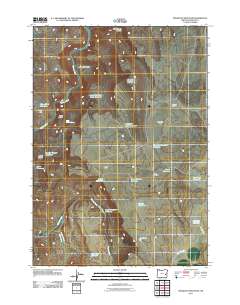 2011 Mosquito Mountain2011 Print · USGSThe high desert of Malheur County is captured here in the early twenty-first century, showing a landscape defined by ranching and water management. Researchers can trace the drainage of the Malheur River and locate historic points like Creston, the Easterday Reservoir, and Levanger Well.
 - 2014 Map of Mosquito Mountain, 2014 Print
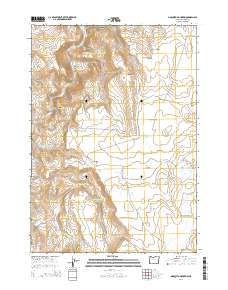 2014 Mosquito Mountain2014 Print · USGSHigh desert water management and rugged Malheur County terrain define this area during the early twenty-first century. Researchers can trace the network of remote ranching landmarks, from Mosquito Mountain to the Creston Waterhole and Westfield Pit.
 - 2017 Map of Mosquito Mountain, 2017 Print
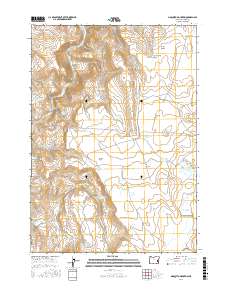 2017 Mosquito Mountain2017 Print · USGSHigh desert ranching and water management in Malheur County define this 2017 survey of the area near the Malheur River. Local historians can trace the irrigation network from Easterday Reservoir to the Easterday Ditch or locate landmarks like Mosquito Mountain and Creston.
 - 2020 Map of Mosquito Mountain, 2020 Print
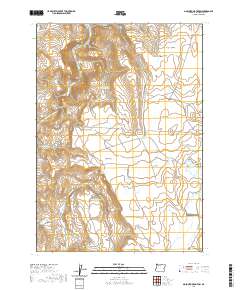 2020 Mosquito Mountain2020 Print · USGSSoutheast Oregon high-desert ranching life is on display here during the early twenty-first century. Researchers can trace historical water rights and land use through labels like Easterday Ditch, the remote settlement of Creston, and the Westfield Pit.
 - 2023 Map of Mosquito Mountain, 2023 Print
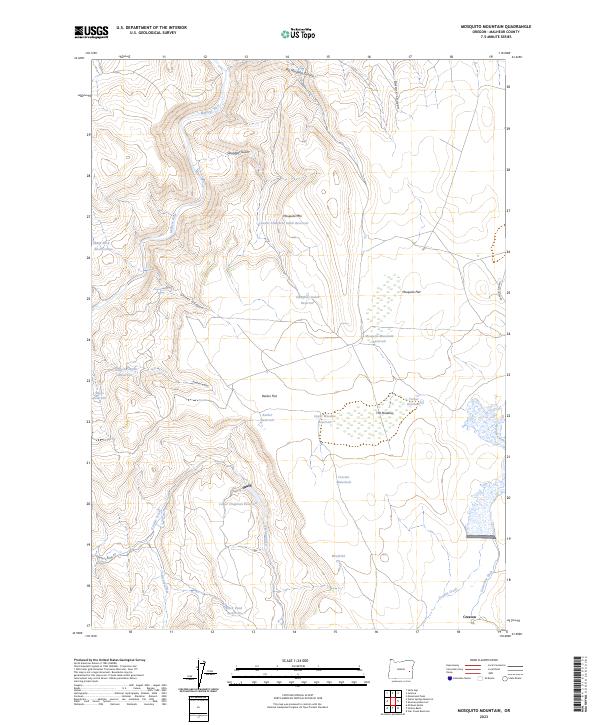 2023 Mosquito Mountain2023 Print · USGSMalheur County’s high desert landscape is documented here in the early twenty-first century, showing a remote region shaped by water management and ranching. Researchers can locate the settlement of Creston and trace water features like Easterday Ditch and Barber Flat.
End of results
Showing maps 1-10 of 10
Frequently asked questions
- What are the different types of historical maps available for Creston?
- What is the oldest map of Creston?
- Where can I purchase historical maps of Creston for my home or office?
- Where can I download high-res historical maps of Creston?
- Are there historical topographic maps available for Creston?
- Is there historical aerial imagery available for Creston?
- Where are historical maps of Creston sourced from?