Old Maps of Altoona, Pennsylvania
Explore 26 old maps of Altoona, spanning from 1902 to today. These high-resolution historic maps reveal how streets, neighborhoods, landmarks, and natural features evolved over time — perfect for genealogy, metal detecting, research, and local history exploration.
What you can do with these maps:
- See how Altoona changed over time: Compare historical maps to modern-day views to trace roads, homesites, rail lines & more.
- View detailed metadata: Each map includes creators, publishers, year, scale, and archive source.
- Overlay maps with satellite & LiDAR: Visualize the past alongside modern tools to explore terrain & human change.
- Trusted historical sources: Maps sourced from the USGS, Library of Congress, and other archives.
- Access maps your way: View online, download high-res files, or order prints for personal or research use.
Start exploring old maps of Altoona to uncover forgotten places, hidden landmarks, and the deep history beneath your feet.
Altoona, PA maps
(26)- 1902 Map of Hollidaysburg, 1957 Print
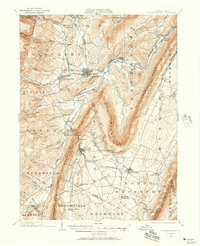 1902 Hollidaysburg1957 Print · USGSCentral Pennsylvania at the opening of the twentieth century shows a landscape defined by the iron and rail industries. Genealogists and historians can trace the early footprints of Hollidaysburg, locate the Ore Hill mine, and follow the Pennsylvania R. R. through the steep gaps of the Allegheny Mountain.2 unique versions available
 - 1903 Map of Hollidaysburg
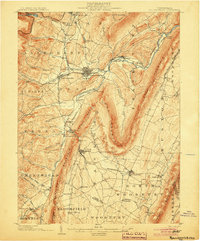 1903 Hollidaysburg1903 Print · USGSBlair County was a hub of Appalachian industry and transit at the opening of the twentieth century. Genealogists and historians can trace the early rail networks of the Pennsylvania RR and locate vanished mining activity near Orehill and Henrietta.7 unique versions available
 - 1920 Map of Altoona, 1954 Print
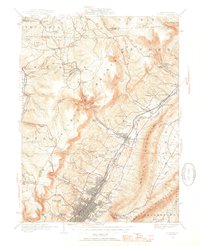 1920 Altoona1954 Print · USGSThe industrial and rail-heavy corridor of the 1920s is on full display as the Pennsylvania RR cuts through the mountains. Genealogists and local historians can trace family roots through numerous country schools like Beech Grove School and lost settlements such as Wopsononock or Fostoria.6 unique versions available
 - 1922 Map of Altoona
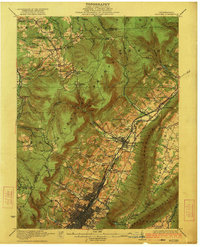 1922 Altoona1922 Print · USGSThe industrial hub of Altoona and the steep slopes of the Allegheny Front are captured here in the early 1920s. Researchers can trace the extensive rail operations of the Pennsylvania railroad and locate numerous vanished rural landmarks like the Richland School and Grandview Cemetery.8 unique versions available
 - 1953 Map of Pittsburgh
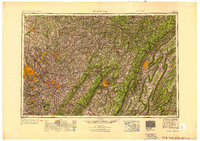 1953 Pittsburgh1953 Print · USGSWestern Pennsylvania's industrial landscape at the start of the fifties shows the steel and rail corridors between Pittsburgh and Altoona. Trace family roots in river towns like Tarentum or follow the Pennsylvania Turnpike across Laurel Hill.
 - 1954 Map of Pittsburgh
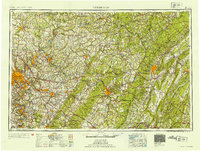 1954 Pittsburgh1954 Print · USGSWestern Pennsylvania in the early fifties remains a powerhouse of heavy industry and vital transit corridors. Genealogists and historians can trace the rail-and-river network connecting Pittsburgh, Johnstown, and Altoona via the Pennsylvania RR and the Lincoln Highway.2 unique versions available
 - 1958 Map of Pittsburgh
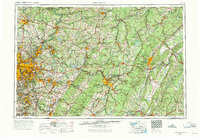 1958 Pittsburgh1958 Print · USGSWestern Pennsylvania in the late fifties shows an industrial heartland defined by the confluence of the Allegheny River and Monongahela River. Researchers can trace the sprawling rail networks of the Pennsylvania RR and find established towns like Butler, Latrobe, and Windber.5 unique versions available
 - 1959 Map of Pittsburgh
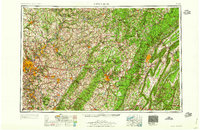 1959 Pittsburgh1959 Print · USGSWestern Pennsylvania in the late fifties is captured here at the height of its industrial era. Genealogists and historians can trace the riverfront growth of Pittsburgh, the rail works at Altoona, and the mountain gaps of Laurel Hill.
 - 1963 Map of Hollidaysburg, 1965 Print
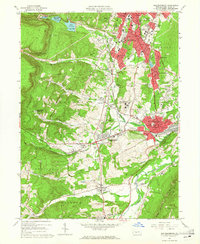 1963 Hollidaysburg1965 Print · USGSBlair County’s mid-century industrial and suburban growth is on full display during this era of rail and road expansion. Researchers can trace institutional landmarks like Hollidaysburg State Hospital and iconic engineering feats such as the Horseshoe Curve.5 unique versions available
 - 1963 Map of Altoona, 1965 Print
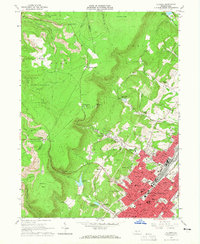 1963 Altoona1965 Print · USGSAltoona and its mountain suburbs are captured here in the early sixties, showing the city's transition from a rail industrial center to a regional academic and civic hub. Researchers can trace family roots through numerous parish schools and cemeteries or locate defunct mountain settlements like Wopsononock and Highland Fling.6 unique versions available
 - 1963 Map of Bellwood, 1965 Print
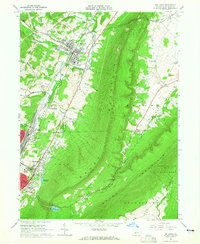 1963 Bellwood1965 Print · USGSBlair County’s industrial and rail heart beats along the Little Juniata River during the early sixties. Genealogists and local historians can trace the foundations of Bellwood and East Altoona, alongside landmarks like Blair Mem Park (Cem) and the Pennsylvania Railroad.4 unique versions available
 - 1964 Map of Pittsburgh
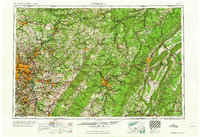 1964 Pittsburgh1964 Print · USGSWestern Pennsylvania in the late fifties and early sixties shows a landscape of powerful river industries and expanding highways. Genealogists and historians can trace the rail corridors of the Pennsylvania RR through industrial hubs like Johnstown, Altoona, and Nanty Glo.
 - 1981 Map of Johnstown, 1983 Print
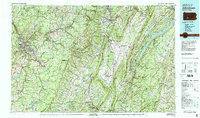 1981 Johnstown1983 Print · USGSSouth Central Pennsylvania is captured here in the early eighties, from the industrial heart of the Conemaugh Valley to the ridges of the Allegheny Front. Local historians can trace the rail corridors of Conrail and the growth of mountain communities like Ebensburg, Nanty Glo, and Windber.
 - 1984 Map of Tyrone, 1985 Print
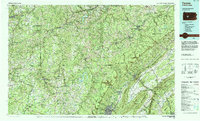 1984 Tyrone1985 Print · USGSCentral Pennsylvania in the mid-eighties shows a rugged landscape defined by the industry of Altoona and the ridges of the Appalachians. Genealogists and historians can trace the rail corridors of CONRAIL and locate vanished family homes near Glendale Lake or within Sinking Valley.
 - 1993 Map of Altoona, 1998 Print
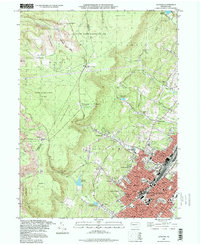 1993 Altoona1998 Print · USGSAltoona and the steep Allegheny Front are captured here in the 1990s as the city expanded its residential footprint into the surrounding hills. Genealogists and local historians can trace legacy neighborhoods and institutions like Agudath Achim Cem, Logan Sch, and Grandview Cemetery.
 - 2010 Map of Hollidaysburg, 2010 Print
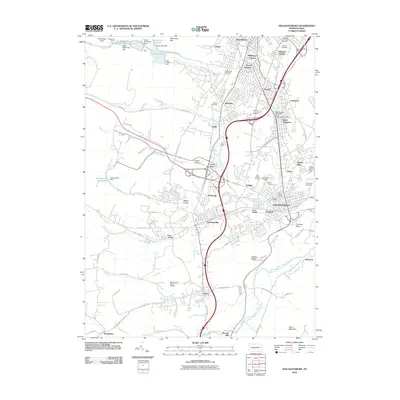 2010 Hollidaysburg2010 Print · USGSBlair County enters the twenty-first century with a landscape shaped by its deep industrial and rail roots. Genealogists and historians can trace family locations through Allegheny Furnace, Fort Fetter, and the historic Horseshoe Curve.
 - 2010 Map of Bellwood, 2010 Print
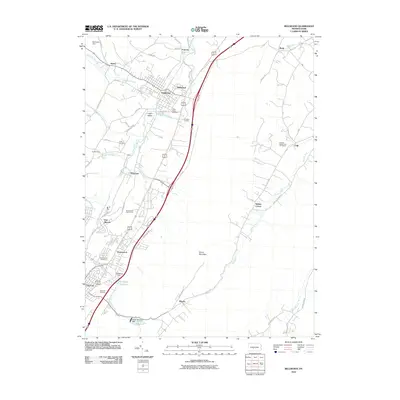 2010 Bellwood2010 Print · USGSThe area surrounding Bellwood and the Little Juniata River is captured here during the first decade of the 21st century. Researchers can trace local burial sites like Antis Cemetery or locate the historic Sinking Valley Lead Zinc Mines.
 - 2013 Map of Bellwood, 2013 Print
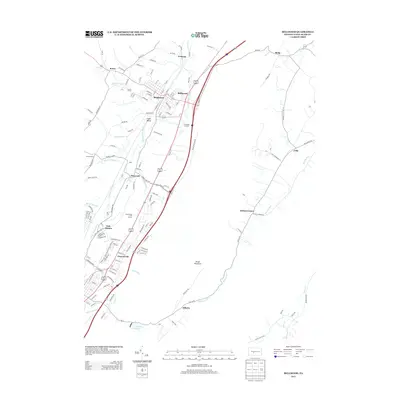 2013 Bellwood2013 Print · USGSThe Little Juniata River valley in Blair County was home to a dense network of mountain settlements and suburban growth by the early 2010s. Genealogists and local historians can trace family-named areas like Roots and Fostoria or locate features like the Kettle Reservoir and Greenwood Golf Course.
 - 2013 Map of Hollidaysburg, 2013 Print
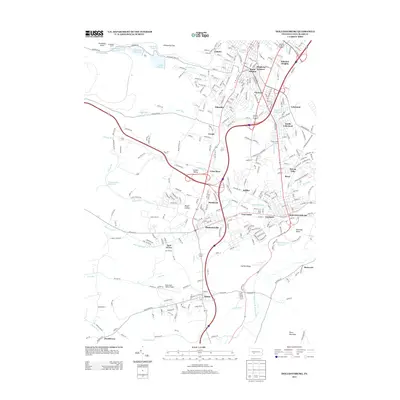 2013 Hollidaysburg2013 Print · USGSThe Pennsylvania mountains met industrial ingenuity in this early twenty-first-century survey of the Allegheny front. Genealogists and historians can trace the legacy of rail and water around Horseshoe Curve, Fort Fetter, and Duncansville.
 - 2016 Map of Bellwood, 2016 Print
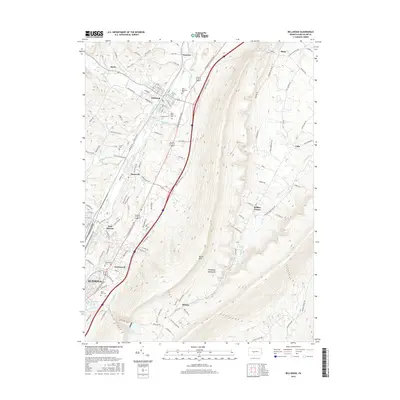 2016 Bellwood2016 Print · USGSThe Logan Valley area of Blair County comes into sharp focus here during the early twenty-first century. Researchers can trace the rail-and-river geography that shaped towns like Bellwood and Pinecroft or locate burial sites at Antis Cem and Logan Valley Cem.
 - 2016 Map of Hollidaysburg, 2016 Print
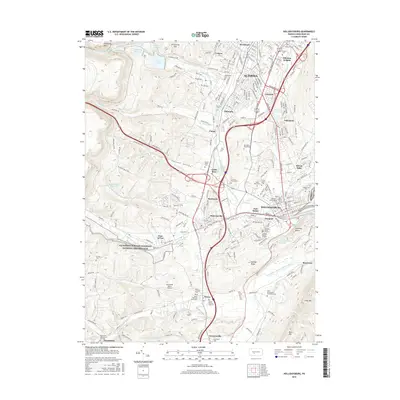 2016 Hollidaysburg2016 Print · USGSThe industrial corridor between Altoona and Hollidaysburg is shown here in the 2010s, where rail history and suburban growth meet. Researchers can trace the Allegheny Portage Railroad and locate family sites like the Holliday Burial Ground or Carson Valley Cem.
 - 2019 Map of Hollidaysburg, 2019 Print
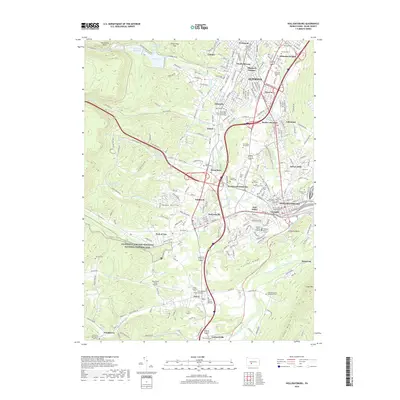 2019 Hollidaysburg2019 Print · USGSThe industrial and transportation heart of Blair County comes alive in this survey of the Allegheny Front. Genealogists and historians can trace family sites from Hollidaysburg to Foot of Ten, identifying landmarks like the Blair County Courthouse and Jackson Burial Ground.
 - 2019 Map of Bellwood, 2019 Print
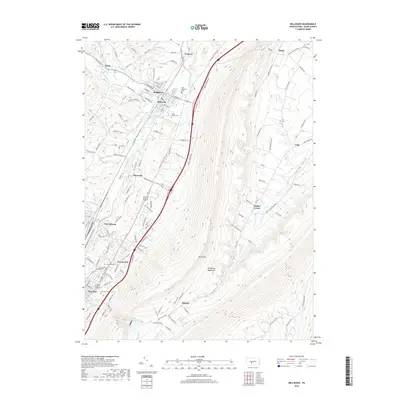 2019 Bellwood2019 Print · USGSThe residential and industrial corridors of the Logan Valley are shown here in recent years, as the Allegheny Mountains rise sharply to the west. Genealogists and local historians can trace the developments of Bellwood and East Altoona, finding landmarks like Logan Valley Cem, Antis Cem, and Blair Memorial Park.
 - 2023 Map of Bellwood, 2023 Print
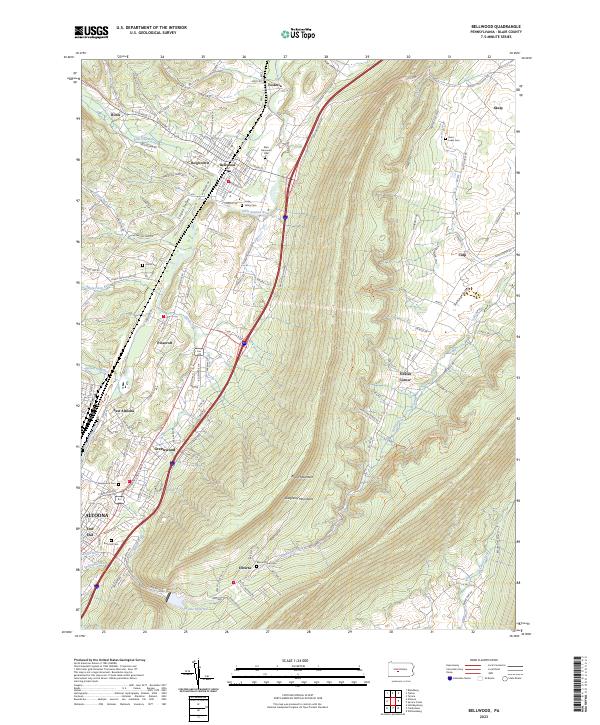 2023 Bellwood2023 Print · USGSThe Logan Valley and the steep slopes of the Allegheny Mountains are shown here in the 2020s. Researchers can locate numerous local burial sites like Valley Cem or trace the route of the Bells Gap Rail Trl through Roots and Bellwood.
 - 2023 Map of Altoona, 2023 Print
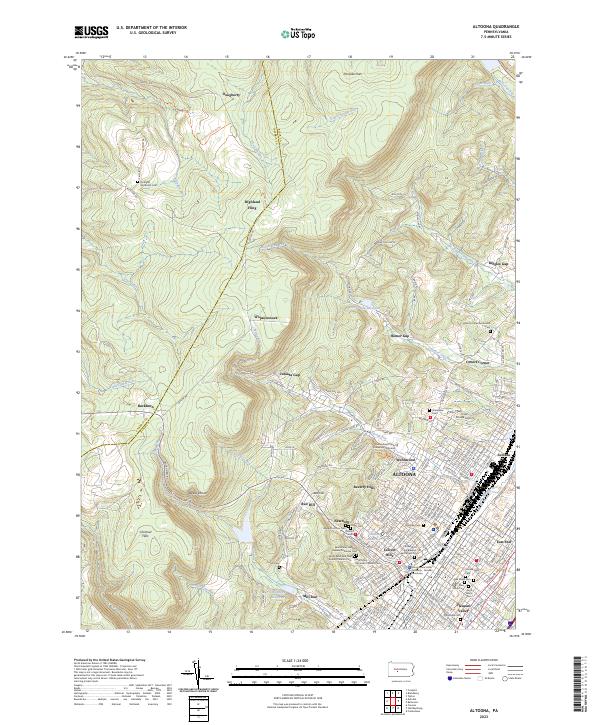 2023 Altoona2023 Print · USGSThe Altoona area is captured here in the early twenty-first century, showing the city's complex urban layout against the steep Allegheny ridges. Genealogists and historians can locate numerous burial sites like Grandview Cem or trace the geography of the Penn State Altoona campus and local reservoirs.
Showing maps 1-25 of 26
Top cities near Altoona
- Frankstown Township historical maps
- Hollidaysburg historical maps
- Tyrone historical maps
- Roaring Spring historical maps
- Martinsburg historical maps
- Bellwood historical maps
See more
Top neighborhoods of Altoona
- Wehnwood historical maps
- Westmont historical maps
- Alta Manor historical maps
- Calvert Hills historical maps
- Llyswen historical maps
- South Altoona historical maps
See more
Frequently asked questions
- What are the different types of historical maps available for Altoona?
- What is the oldest map of Altoona?
- Where can I purchase historical maps of Altoona for my home or office?
- Where can I download high-res historical maps of Altoona?
- Are there historical topographic maps available for Altoona?
- Is there historical aerial imagery available for Altoona?
- Where are historical maps of Altoona sourced from?