Old Maps of Phillipsville, West Caln Township for Genealogy
Trace your family roots with 16 historic maps of Phillipsville. These high-res maps reveal old neighborhoods, homesites, landmarks, and streets — helping you uncover where your ancestors lived and how the area evolved over time.
- Explore historic neighborhoods: Identify where your relatives may have lived in the 1800s or 1900s.
- Compare maps over time: Trace the changes in streets, buildings, and landmarks for multi-generational research.
- Perfect for genealogy & ancestry research: Used by family historians and researchers to map out lineage and migration.
These maps are an incredible resource for exploring your personal connection to Phillipsville's past.
Phillipsville, West Caln Township maps
(16)- 1905 Map of Honey Brook, 1962 Print
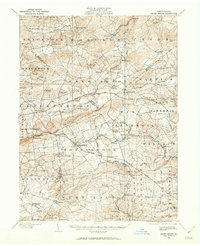 1905 Honey Brook1962 Print · USGSSoutheastern Pennsylvania at the start of the twentieth century shows a landscape shaped by iron furnaces and a dense rail network. Genealogists can trace family footprints at Joanna Furnace, Hummels Store, and numerous rural sites like Silver Hill School.
 - 1907 Map of Honeybrook
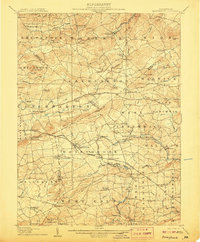 1907 Honeybrook1907 Print · USGSSoutheast Pennsylvania at the start of the twentieth century shows a landscape defined by small hamlets and early rail lines. Genealogists can trace family names and local hubs from Honeybrook and Churchtown to rural landmarks like Spoketown School and Harmony Church.7 unique versions available
 - 1941 Map of Honeybrook
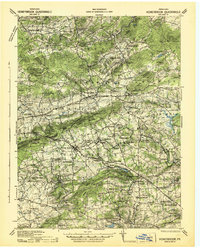 1941 Honeybrook1941 Print · USGSSoutheastern Pennsylvania at the onset of the Second World War shows a landscape of established farm communities and the newly cut path of the Pennsylvania Turnpike. Researchers can locate numerous local landmarks such as Silver Hill School, Stone Church, and the rail stops along the Reading Lines.
 - 1944 Map of Newark, 1971 Print
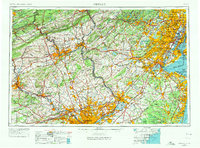 1944 Newark1971 Print · USGSThe industrial corridor from Philadelphia to New York was in a period of massive transition during the mid-forties. Genealogists and researchers can trace the rail lines of the Lehigh Valley RR, locate military installations like Picatinny Arsenal, and explore the early sprawl near Levittown.5 unique versions available
 - 1949 Map of Newark
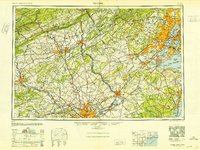 1949 Newark1949 Print · USGSThe industrial corridor between Philadelphia and New York comes alive in this post-war survey. Genealogists and historians can trace the massive rail networks of the Reading Railroad and locate major installations like Fort Dix or Picatinny Arsenal.2 unique versions available
 - 1955 Map of Honey Brook, 1957 Print
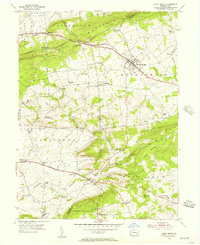 1955 Honey Brook1957 Print · USGSChester and Lancaster counties are captured here in the mid-fifties, showing a landscape shaped by historic turnpikes and the wooded heights of Welsh Mountain. Researchers can trace old family-named landmarks and institutions like St Johns Church, Bridgeville Ch, and the Kings Highway Sch.6 unique versions available
 - 1956 Map of Newark
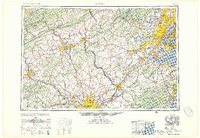 1956 Newark1956 Print · USGSThe industrial heart of the Mid-Atlantic is captured here at the dawn of the highway era, tracing the dense corridors between Newark and Philadelphia. Genealogists and local historians can map the rail networks of the Reading RR or locate mid-century military life at Fort Dix Military Reservation.2 unique versions available
 - 1957 Map of Newark
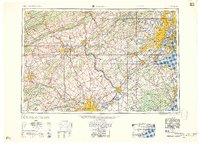 1957 Newark1957 Print · USGSThe industrial and military heart of the Mid-Atlantic is mapped during its post-war suburban boom. Genealogists and historians can trace the intricate rail corridors of the Reading Railroad and locate key landmarks from Princeton University to Fort Hancock.
 - 1960 Map of Newark
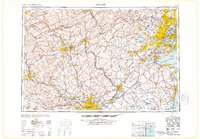 1960 Newark1960 Print · USGSThe industrial heart of the Mid-Atlantic is shown at mid-century, stretching from the dense urban centers of Newark and Philadelphia to the Blue Mountain ridges. Researchers can trace historic rail lines, coastal defenses at Fort Hancock, and the riverfront growth of Trenton and Easton.3 unique versions available
 - 1964 Map of Newark
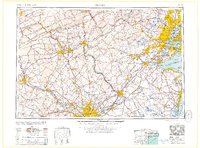 1964 Newark1964 Print · USGSGreater New Jersey and eastern Pennsylvania appear at the peak of their industrial and rail-centered development in the mid-sixties. Genealogists and historians can trace the paths of the Pennsylvania RR, identify mid-century landmarks like CAMP KILMER, or follow the Schuylkill River through READING.2 unique versions available
 - 1984 Map of Reading, 1986 Print
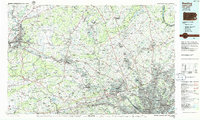 1984 Reading1986 Print · USGSSoutheastern Pennsylvania in the mid-eighties shows a landscape of established industrial hubs and rapid suburban expansion. Trace local history through landmarks like Valley Forge National Historical Park, the Willow Grove Naval Air Station, and Kutztown University.2 unique versions available
 - 2010 Map of Honey Brook, 2010 Print
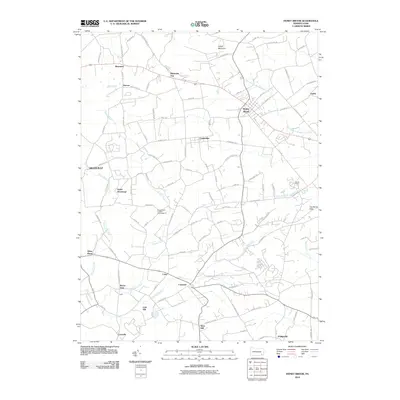 2010 Honey Brook2010 Print · USGSEastern Lancaster County and western Chester County are shown here at the start of the 2010s, capturing a landscape of headwater creeks and long-standing rural villages. Genealogists and local historians can trace family locations near Narvon, Honey Brook, and White Horse, or along the slopes of Welsh Mountain.
 - 2013 Map of Honey Brook, 2013 Print
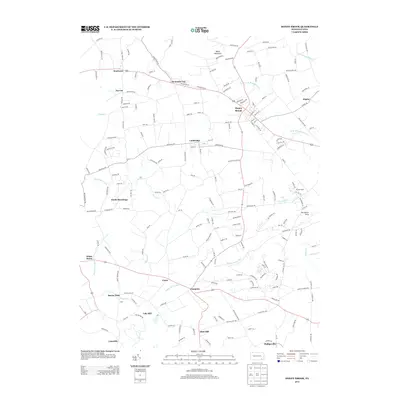 2013 Honey Brook2013 Print · USGSSoutheast Pennsylvania’s rural crossroads are captured here during the early twenty-first century as agricultural traditions met modern expansion. Genealogists and local historians can trace the developments around Honey Brook, Cambridge, and the high slopes of Welsh Mountain.
 - 2016 Map of Honey Brook, 2016 Print
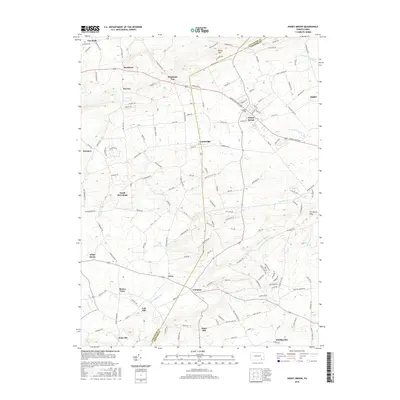 2016 Honey Brook2016 Print · USGSEastern Lancaster and western Chester counties appear in fine detail during the mid-2010s, showcasing a landscape of traditional crossroads and wooded ridges. Genealogists and locals can trace the rural tracts surrounding Honey Brook, Beartown, and the slopes of Welsh Mtn.
 - 2019 Map of Honey Brook, 2019 Print
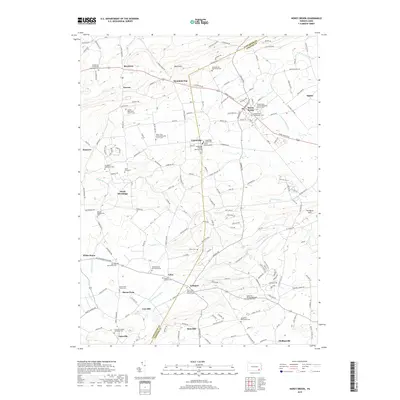 2019 Honey Brook2019 Print · USGSThe Lancaster and Chester county lines meet here amidst a dense network of Pennsylvania Dutch country settlements and historic house of worship sites. Genealogists can trace family locations at Honey Brook, Beartown, and the Meadville Mennonite Cem.
 - 2023 Map of Honey Brook, 2023 Print
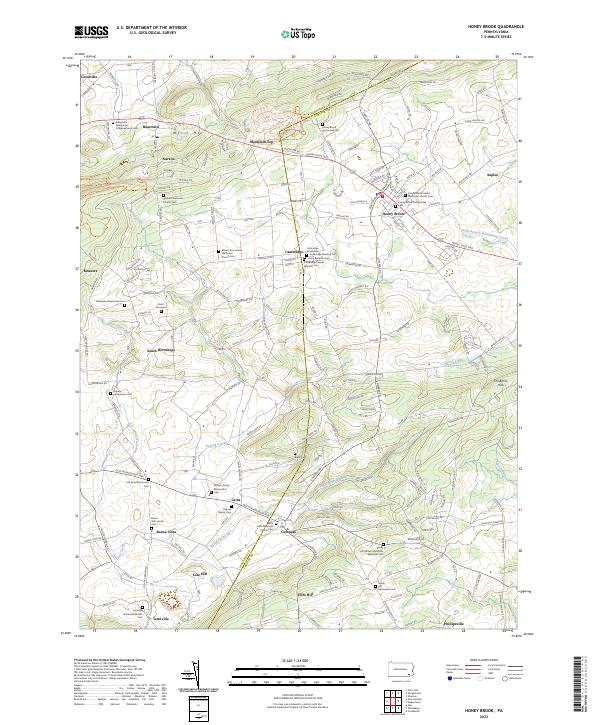 2023 Honey Brook2023 Print · USGSThe Pequea Valley and the ridges of the Welsh Mountains appear here in modern detail along the Lancaster and Chester county line. Genealogists can trace decades of local heritage through sites like Gault Graveyard, Amish Cem, and Saint Johns Episcopal Church Cem.
End of results
Showing maps 1-16 of 16
Top cities near Phillipsville
- Hockessin historical maps
- Coatesville historical maps
- Caln Township historical maps
- New Garden Township historical maps
- Downingtown historical maps
- East Earl Township historical maps
See more
Frequently asked questions
- What are the different types of historical maps available for Phillipsville?
- What is the oldest map of Phillipsville?
- Where can I purchase historical maps of Phillipsville for my home or office?
- Where can I download high-res historical maps of Phillipsville?
- Are there historical topographic maps available for Phillipsville?
- Is there historical aerial imagery available for Phillipsville?
- Where are historical maps of Phillipsville sourced from?