Old Maps of Big Run, Washington Township for Hiking & Exploration
Hike through history with 17 historic maps of Big Run. Explore old trails, ghost towns, and forgotten backroads — perfect for outdoor adventurers and local explorers.
- Rediscover forgotten places: Map out old mining camps, roads, and footpaths that no longer exist on modern maps.
- Layer with modern tools: Combine with LiDAR or satellite views to plan hikes through historical terrain.
- Made for exploration: Popular among hikers, overlanders, and local history lovers.
Use these maps to find adventure and explore the hidden past of Big Run.
Big Run, Washington Township maps
(17)- 1892 Map of Lykens
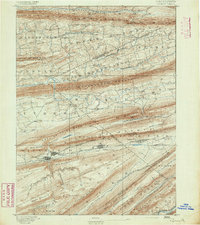 1892 Lykens1892 Print · USGSDauphin and Schuylkill counties are shown here in the late nineteenth century as the coal and rail industries shaped the valley floors. Genealogists can trace family roots in mining centers like Williamstown and Lykens or agricultural hamlets such as Rough and Ready.2 unique versions available
 - 1893 Map of Lykens
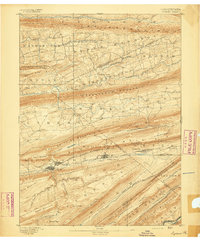 1893 Lykens1893 Print · USGSThe anthracite coal region of central Pennsylvania comes to life in the late nineteenth century, showing a landscape defined by mountain ridges and mining railways. Local historians can trace the early industrial footprints of Williamstown and Lykens or find rural homesteads near Klingerstown and Leck Kill.7 unique versions available
 - 1943 Map of Lykens
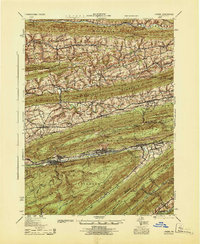 1943 Lykens1943 Print · USGSDauphin and Schuylkill counties are shown in the 1940s as a high-density corridor of anthracite coal production and valley farming. Genealogists and industrial historians can trace the Reading rail lines connecting Williamstown to an Abandoned Colliery and rural landmarks like Himmels Ch.
 - 1947 Map of Lykens
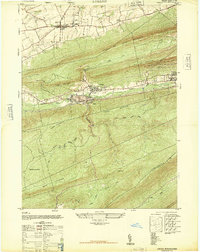 1947 Lykens1947 Print · USGSDauphin County’s northern coal valleys are captured here in the late 1940s, showing the industrial pulse of the region between massive mountain ridges. Researchers can trace the rail spurs of the Reading line and locate landmarks like the Anthracite Plant, Salladas School, and the County Fair Grounds.3 unique versions available
 - 1950 Map of Harrisburg, 1952 Print
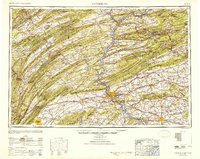 1950 Harrisburg1952 Print · USGSMid-century Central Pennsylvania comes alive through its dense rail networks and river valley settlements during the post-war industrial era. Genealogists and historians can trace family roots through hubs like Harrisburg, locate Carlisle Barracks, or follow the Pennsylvania RR through the Lebanon Valley.
 - 1955 Map of Lykens, 1958 Print
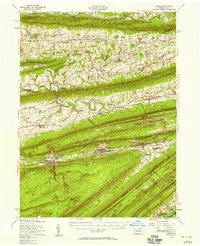 1955 Lykens1958 Print · USGSThe anthracite coal valleys of Dauphin and Schuylkill counties are shown here in the mid-1950s, a time of transition for the region's industrial landscape. Genealogists can trace family roots through numerous country landmarks like Himmels Ch, Kissingers Sch, and the Pitman Post Office.2 unique versions available
 - 1957 Map of Harrisburg
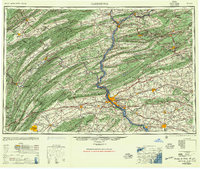 1957 Harrisburg1957 Print · USGSMid-century Central Pennsylvania comes into focus as a bustling network of rail, river, and mountain ridges. Genealogists and historians can trace the development of the State Capitol and surrounding hubs like Middletown, Columbia, and Pottsville.7 unique versions available
 - 1961 Map of Harrisburg
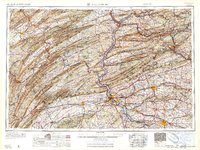 1961 Harrisburg1961 Print · USGSCentral Pennsylvania is shown at a mid-century peak of industrial and military activity, from the Susquehanna water gaps to the fertile Dutch Country. Genealogists and historians can trace the rail corridors of the Pennsylvania RR and find landmarks like Carlisle Barracks or the Anthracite Coal Fields.2 unique versions available
 - 1964 Map of Harrisburg
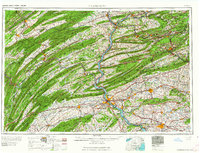 1964 Harrisburg1964 Print · USGSCentral Pennsylvania in the mid-fifties reveals a landscape shaped by ridge-and-valley geology and critical Cold War infrastructure. Researchers can trace the massive Indiantown Gap Military Reservation or the rail corridors of the Pennsylvania RR and Reading RR.
 - 1969 Map of Lykens, 1972 Print
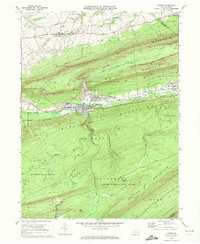 1969 Lykens1972 Print · USGSDauphin County coal country comes into sharp focus during the late sixties as industry and local recreation overlap. Researchers can trace the Penn Central rail corridor and find family sites at Fairview Cem or the Williams Valley Sch.4 unique versions available
 - 1984 Map of Sunbury, 1985 Print
 1984 Sunbury1985 Print · USGSPennsylvania coal country and the Susquehanna valley appear here in the early eighties, showcasing a landscape defined by industrial ridges and river towns. Genealogists and historians can trace rail corridors like Conrail and explore mountain settlements from Mahanoy City to Elizabethville.2 unique versions available
 - 1997 Map of Lykens, 1999 Print
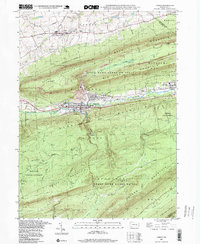 1997 Lykens1999 Print · USGSLykens and Wiconisco are shown here in the late twentieth century, situated between the ridges of the anthracite coal region. Researchers can trace the footprint of local industry and community life through features like strip mines, Fairview Cem, and the Williams Valley Jr High Sch.
 - 2010 Map of Lykens, 2010 Print
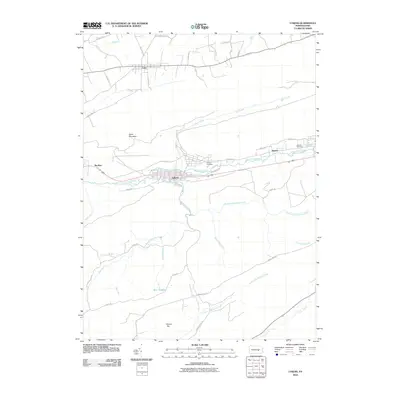 2010 Lykens2010 Print · USGSHegins Township and the surrounding valleys are shown at the start of the 2010s, illustrating the relationship between deep-cut ridges and historic boroughs. Genealogists and researchers can trace family landmarks and local burials at Calvary Cemetery or follow the path of Wiconisco Creek through Lykens and Dayton.
 - 2013 Map of Lykens, 2013 Print
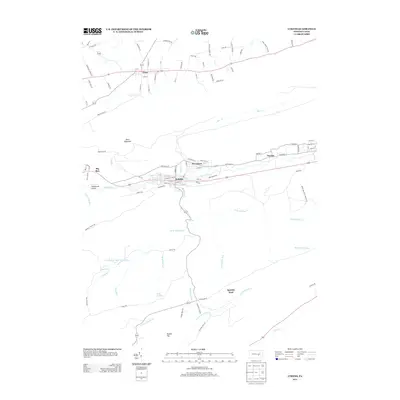 2013 Lykens2013 Print · USGSThe northern Dauphin County corridor appears in 2013 just as the historic mining towns of Lykens and Wiconisco maintain their traditional valley footprints. Genealogists and local historians can trace family properties near Gratz or follow the complex waterways of Rattling Cr and Smoke Hole Run.
 - 2016 Map of Lykens, 2016 Print
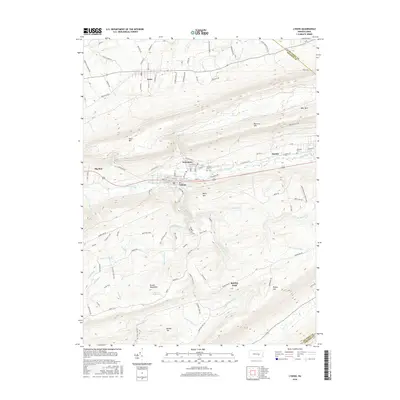 2016 Lykens2016 Print · USGSThe northern anthracite region valley and its towering ridges are detailed here as they appeared in the early twenty-first century. Genealogists and hikers can trace the streets of Lykens and Wiconisco or locate the Calvary Cem and Fairview Sch.
 - 2019 Map of Lykens, 2019 Print
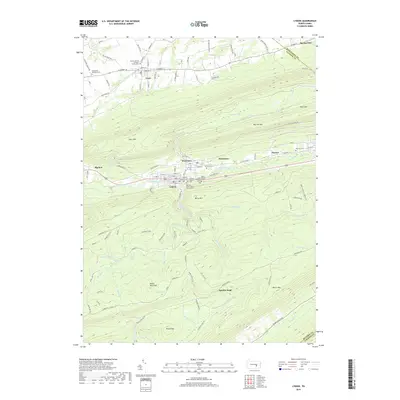 2019 Lykens2019 Print · USGSThe northern reaches of the Pennsylvania coal region are captured here in the late 2010s, showcasing the traditional borough layouts of Gratz and Lykens. Genealogists will find an incredible density of burial sites including Union Cem, Odd Fellows Cem, and Calvary Cem.
 - 2023 Map of Lykens, 2023 Print
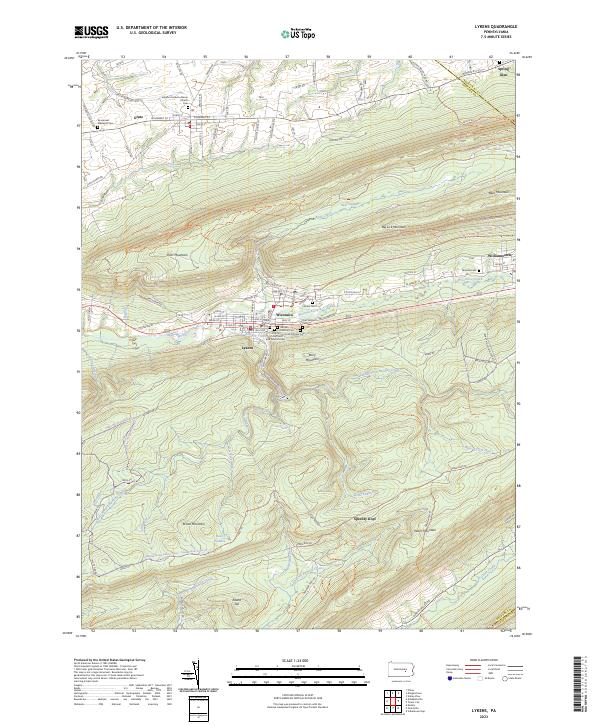 2023 Lykens2023 Print · USGSDauphin County communities like Lykens and Williamstown sit at the base of the anthracite ridges in this modern survey. Genealogists can locate several historic burial sites, including the Odd Fellows Cem and Patriotic Order Sons of America Cem.
End of results
Showing maps 1-17 of 17
Top cities near Big Run
- Shamokin historical maps
- Linglestown historical maps
- Selinsgrove historical maps
- Skyline View historical maps
- Hegins Township historical maps
- East Hanover Township historical maps
See more
Frequently asked questions
- What are the different types of historical maps available for Big Run?
- What is the oldest map of Big Run?
- Where can I purchase historical maps of Big Run for my home or office?
- Where can I download high-res historical maps of Big Run?
- Are there historical topographic maps available for Big Run?
- Is there historical aerial imagery available for Big Run?
- Where are historical maps of Big Run sourced from?