Old Maps of Perry Township, Pennsylvania for Metal Detecting
Plan your next treasure hunt with 41 historic maps of Perry Township. Find old homesites, ghost towns, trails, and gathering spots that may be lost to time — perfect for identifying promising metal detecting locations.
- Locate forgotten sites: Uncover places like long-lost settlements, abandoned rail lines, or gathering spots.
- Plan better hunts: Use map overlays combined with LiDAR or satellite views to narrow in on historically rich areas.
- Made for detectorists: Thousands of hobbyists use these maps to discover relics, coins, and hidden history.
Use these historic maps to boost your research and find new opportunities beneath the surface of Perry Township.
Perry Township, PA maps
(41)- 1902 Map of Brownsville
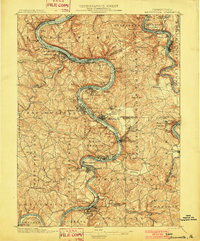 1902 Brownsville1902 Print · USGSThe Monongahela Valley was a powerhouse of Pennsylvania industry at the start of the twentieth century, defined by its coal mines and river-front rail lines. Researchers can trace the heritage of the National Pike and locate vanished works at Vesta Mine or Coal Bluff.
 - 1902 Map of Connellsville
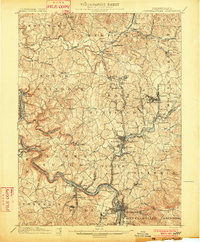 1902 Connellsville1902 Print · USGSThe Pennsylvania coke region comes alive at the turn of the century as a labyrinth of coal mines and competing rail lines. Researchers can trace the industrial footprint of Star Mines, explore the river landings along the Youghiogheny River, and find old junctions like Bells Mills.5 unique versions available
 - 1906 Map of Brownsville
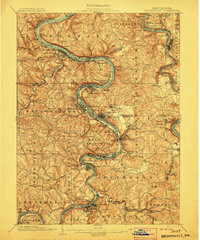 1906 Brownsville1906 Print · USGSSouthwestern Pennsylvania’s river valleys were centers of industrial expansion when this survey was conducted. Genealogists can locate family homes and landmarks in riverfront towns like Monessen and Charleroi, or trace rural roots near Salem Church and Ginger Hill.4 unique versions available
 - 1931 Map of Brownsville, 1954 Print
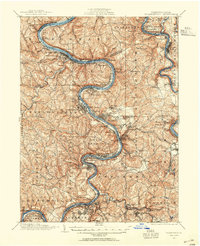 1931 Brownsville1954 Print · USGSThe industrial Monongahela and Youghiogheny river valleys are captured here in the early thirties, showcasing a landscape of coal mines and river locks. Genealogists can trace family homes near Vesta Mine, Sutersville, and rural landmarks like Salem Church.
 - 1931 Map of Connellsville, 1954 Print
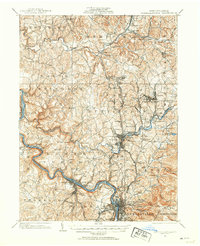 1931 Connellsville1954 Print · USGSSouthwestern Pennsylvania's coal and rail heartland is meticulously detailed here in the early thirties. Local researchers can trace the industrial footprint of Star Mines, the sprawling rail yards of Connellsville, and rural landmarks like Bryner Ch and Mud Sch.2 unique versions available
 - 1933 Map of Brownsville
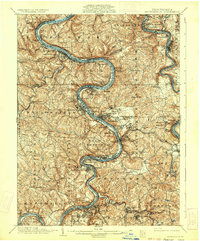 1933 Brownsville1933 Print · USGSWestern Pennsylvania’s industrial heartland thrives along the river bends in the early thirties, where coal and rail define the landscape. Trace the expansion of river towns like Charleroi and Monessen, locate the Vesta Mine, or find rural landmarks like Mt Union Sch.2 unique versions available
 - 1936 Map of Connellsville
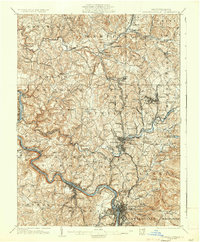 1936 Connellsville1936 Print · USGSSouthwestern Pennsylvania during the mid-1930s reveals a landscape of industrial power and rural community along the Youghiogheny River. Genealogists and historians can trace family roots through numerous named schools like Jefferson Sch and Gault Sch, or locate former industrial hubs at Star Mines and the Fairgrounds.3 unique versions available
 - 1940 Map of Brownsville
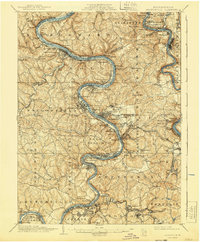 1940 Brownsville1940 Print · USGSThe Monongahela and Youghiogheny river valleys were the industrial heart of Pennsylvania during this era of coal and steel. Genealogists and historians can trace the exact locations of Vesta Mine, Salem Church, and historic rural schools like Central Sch.
 - 1953 Map of Pittsburgh
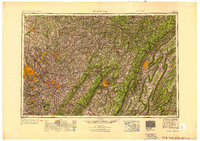 1953 Pittsburgh1953 Print · USGSWestern Pennsylvania's industrial landscape at the start of the fifties shows the steel and rail corridors between Pittsburgh and Altoona. Trace family roots in river towns like Tarentum or follow the Pennsylvania Turnpike across Laurel Hill.
 - 1954 Map of Pittsburgh
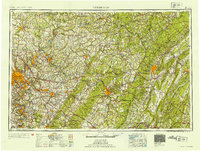 1954 Pittsburgh1954 Print · USGSWestern Pennsylvania in the early fifties remains a powerhouse of heavy industry and vital transit corridors. Genealogists and historians can trace the rail-and-river network connecting Pittsburgh, Johnstown, and Altoona via the Pennsylvania RR and the Lincoln Highway.2 unique versions available
 - 1954 Map of Smithton, 1955 Print
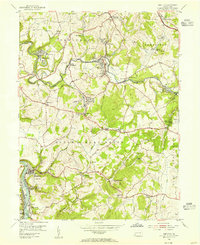 1954 Smithton1955 Print · USGSWestmoreland County at the height of its mid-century mining era shows a landscape of busy coal towns and river-fed industry. Genealogists can trace family roots through numerous local landmarks like St Timothys Cem, Cameron Sch, and the Hough Fricano Mine No 1 (Active).4 unique versions available
 - 1954 Map of Fayette City, 1955 Print
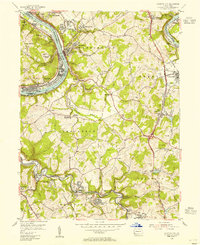 1954 Fayette City1955 Print · USGSThe industrial river valleys of Fayette and Washington counties come alive in the mid-fifties. Trace family roots and coal history through Fayette City, Rowes Run, and old landmarks like Little Redstone Ch and the Colonial Dock.3 unique versions available
 - 1954 Map of Donora, 1955 Print
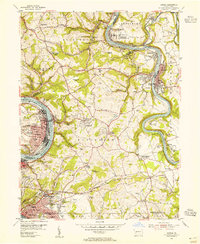 1954 Donora1955 Print · USGSThe industrial heart of the Monongahela and Youghiogheny valleys is captured here during the mid-fifties. Researchers can trace coal operations at Ocean Mine and Coal Hollow Mine or locate family roots at Concord Pioneer Sch.4 unique versions available
 - 1958 Map of Pittsburgh
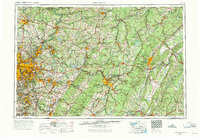 1958 Pittsburgh1958 Print · USGSWestern Pennsylvania in the late fifties shows an industrial heartland defined by the confluence of the Allegheny River and Monongahela River. Researchers can trace the sprawling rail networks of the Pennsylvania RR and find established towns like Butler, Latrobe, and Windber.5 unique versions available
 - 1959 Map of Pittsburgh
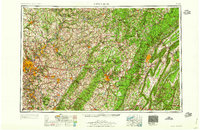 1959 Pittsburgh1959 Print · USGSWestern Pennsylvania in the late fifties is captured here at the height of its industrial era. Genealogists and historians can trace the riverfront growth of Pittsburgh, the rail works at Altoona, and the mountain gaps of Laurel Hill.
 - 1964 Map of Pittsburgh
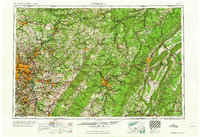 1964 Pittsburgh1964 Print · USGSWestern Pennsylvania in the late fifties and early sixties shows a landscape of powerful river industries and expanding highways. Genealogists and historians can trace the rail corridors of the Pennsylvania RR through industrial hubs like Johnstown, Altoona, and Nanty Glo.
 - 1964 Map of Dawson, 1965 Print
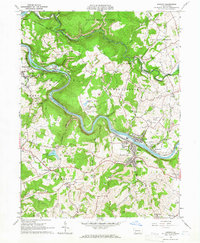 1964 Dawson1965 Print · USGSFayette County’s industrial heart is revealed in the mid-sixties as coal and rail dominate the Youghiogheny River valley. Researchers can trace the heritage of local patch towns like Dawson, find the historic Alliance Furnace, or locate family plots at Bethel Cem.4 unique versions available
 - 1986 Map of Pittsburgh East
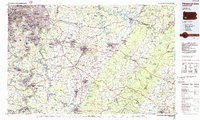 1986 Pittsburgh East1986 Print · USGSWestern Pennsylvania in the mid-eighties shows a landscape defined by industrial rivers and rising mountain ridges. Trace the dense rail networks of CONRAIL and the Pittsburgh and Lake Erie RR connecting historic centers like Monessen, Jeannette, and Connellsville.3 unique versions available
 - 1993 Map of Donora
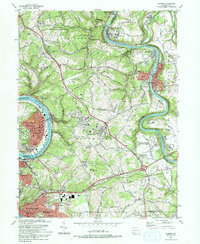 1993 Donora1993 Print · USGSThe industrial river valleys of the Monongahela and Youghiogheny are captured in the early nineties as they balance legacy industry with growing suburbs. Genealogists can trace family roots through sites like Douglass Cem, Apples Mill Ch, and the Concord Pioneer Sch.2 unique versions available
 - 1994 Map of Smithton
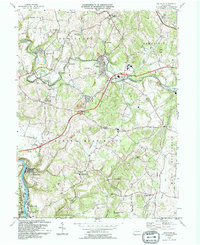 1994 Smithton1994 Print · USGSWestmoreland County communities like Smithton and Yukon are shown at the close of the twentieth century, as regional infrastructure adapted to the Pennsylvania Turnpike. Researchers can locate family landmarks such as Seven Dolors Cem and Barren Run Sch.
 - 1997 Map of Smithton, 2000 Print
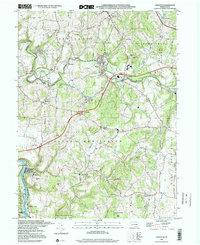 1997 Smithton2000 Print · USGSWestmoreland County at the end of the nineties shows a landscape where the Youghiogheny River valley meets the infrastructure of the turnpike. Researchers can locate family landmarks like St Timothy Cem, the Barren Run Sch, and the borough of Smithton.
 - 2010 Map of Smithton, 2010 Print
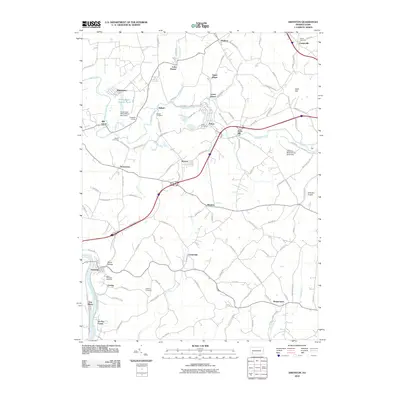 2010 Smithton2010 Print · USGSWestmoreland County near the turn of the twenty-first century shows a landscape where coal heritage and river life meet. Family historians can trace ancestral sites at Saint Timothys Cemetery or follow the legacy of local industry at the Hutchinson Mine Refuse Bank Dam.
 - 2010 Map of Fayette City, 2010 Print
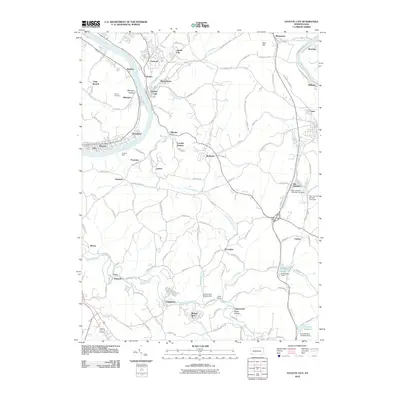 2010 Fayette City2010 Print · USGSSouthwestern Pennsylvania at the dawn of the new millennium reveals a dense network of river towns and inland communities shaped by the coal and steel legacy. Local historians can trace family roots through Havely Cemetery and explore the industrial infrastructure of Colonial Dock or Grindstone.
 - 2010 Map of Donora, 2010 Print
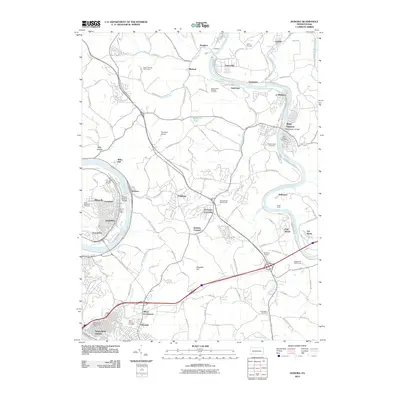 2010 Donora2010 Print · USGSThe Monongahela and Youghiogheny rivers define this industrial river valley at the start of the millennium. Researchers can trace family roots through numerous sites like West Newton Cemetery, the Rostraver Grange, and Pricedale.
 - 2010 Map of Dawson, 2010 Print
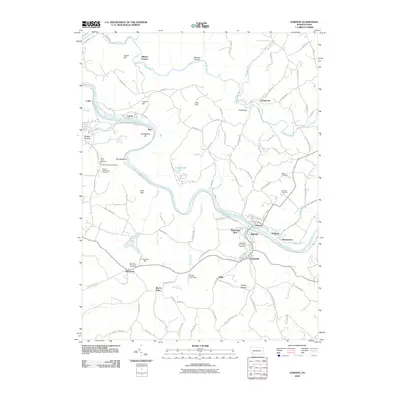 2010 Dawson2010 Print · USGSThe Youghiogheny River valley at the start of the twenty-first century reveals a dense network of riverside settlements and historic burial grounds. Trace family roots and local history at Dickerson Run-Union Cemetery or explore the site of the early Alliance Furnace.
Showing maps 1-25 of 41
Top cities near Perry Township
- Greensburg historical maps
- Uniontown historical maps
- Connellsville historical maps
- Monessen historical maps
- Clairton historical maps
- California historical maps
See more
Top neighborhoods of Perry Township
- Wickhaven historical maps
- Layton historical maps
- Whitsett historical maps
- Kier historical maps
- Banning historical maps
- Star Junction historical maps
See more
Frequently asked questions
- What are the different types of historical maps available for Perry Township?
- What is the oldest map of Perry Township?
- Where can I purchase historical maps of Perry Township for my home or office?
- Where can I download high-res historical maps of Perry Township?
- Are there historical topographic maps available for Perry Township?
- Is there historical aerial imagery available for Perry Township?
- Where are historical maps of Perry Township sourced from?