Old Maps of Cherryhill Township, Pennsylvania for Hiking & Exploration
Hike through history with 36 historic maps of Cherryhill Township. Explore old trails, ghost towns, and forgotten backroads — perfect for outdoor adventurers and local explorers.
- Rediscover forgotten places: Map out old mining camps, roads, and footpaths that no longer exist on modern maps.
- Layer with modern tools: Combine with LiDAR or satellite views to plan hikes through historical terrain.
- Made for exploration: Popular among hikers, overlanders, and local history lovers.
Use these maps to find adventure and explore the hidden past of Cherryhill Township.
Cherryhill Township, PA maps
(36)- 1902 Map of Indiana
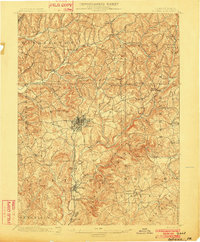 1902 Indiana1902 Print · USGSIndiana County at the turn of the century shows a landscape of growing rail towns and rural farmsteads connected by the Pennsylvania Railroad. Researchers can trace ancestral roots through vanished crossroads and early industrial sites like Homer, Mechanicsburg, and Graceton.8 unique versions available
 - 1902 Map of Barnesboro, 1956 Print
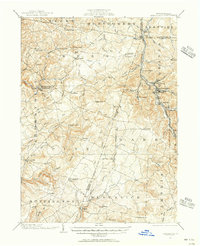 1902 Barnesboro1956 Print · USGSIndiana and Cambria counties are documented here at a peak of rail and coal development. Genealogists and historians can trace family roots through numerous small settlements like Possum Glory and Nicktown or follow the Pennsylvania RR through the bustling streets of Barnesboro.
 - 1904 Map of Barnesboro
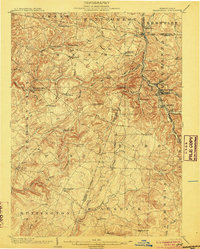 1904 Barnesboro1904 Print · USGSNorthwestern Cambria County was a hub of river and rail activity at the turn of the century, as the coal industry took hold. Genealogists can trace family names and small settlements from Barnesboro and Cherrytree to remote outposts like Strongstown and Nolo.5 unique versions available
 - 1943 Map of Punxsutawney
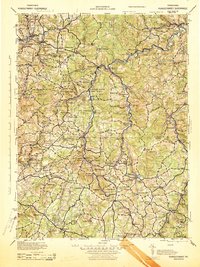 1943 Punxsutawney1943 Print · USGSThe Pennsylvania coal country around the turn of the century and through the war years is captured in this detailed survey of Jefferson, Indiana, and Clearfield counties. Researchers can trace the rail-reliant economy through Findley Mills, Rossiter Junction, and landmarks like the St Lawrence Fire Tower.
 - 1953 Map of Pittsburgh
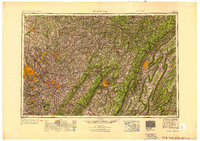 1953 Pittsburgh1953 Print · USGSWestern Pennsylvania's industrial landscape at the start of the fifties shows the steel and rail corridors between Pittsburgh and Altoona. Trace family roots in river towns like Tarentum or follow the Pennsylvania Turnpike across Laurel Hill.
 - 1954 Map of Pittsburgh
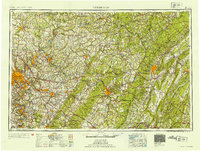 1954 Pittsburgh1954 Print · USGSWestern Pennsylvania in the early fifties remains a powerhouse of heavy industry and vital transit corridors. Genealogists and historians can trace the rail-and-river network connecting Pittsburgh, Johnstown, and Altoona via the Pennsylvania RR and the Lincoln Highway.2 unique versions available
 - 1958 Map of Pittsburgh
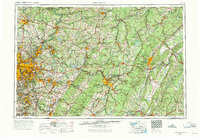 1958 Pittsburgh1958 Print · USGSWestern Pennsylvania in the late fifties shows an industrial heartland defined by the confluence of the Allegheny River and Monongahela River. Researchers can trace the sprawling rail networks of the Pennsylvania RR and find established towns like Butler, Latrobe, and Windber.5 unique versions available
 - 1959 Map of Pittsburgh
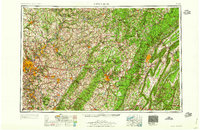 1959 Pittsburgh1959 Print · USGSWestern Pennsylvania in the late fifties is captured here at the height of its industrial era. Genealogists and historians can trace the riverfront growth of Pittsburgh, the rail works at Altoona, and the mountain gaps of Laurel Hill.
 - 1961 Map of Commodore, 1963 Print
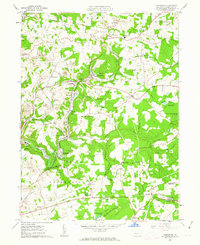 1961 Commodore1963 Print · USGSIndiana County's mining and rail landscape is captured here in the early sixties, showing the active extraction economy around Commodore and Starford. Genealogists and historians can trace family locations near Learn Settlement, Wandin Junction, or rural landmarks like Laurel Swamp Union Ch.5 unique versions available
 - 1961 Map of Strongstown, 1963 Print
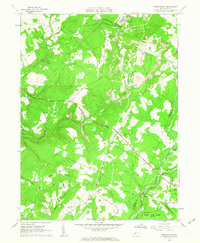 1961 Strongstown1963 Print · USGSIndiana County and the Cambria County border appear here during the early sixties, a landscape where coal mining and timbering met traditional farming. Researchers can trace the Cherry Tree and Dixonville Railroad or locate local landmarks like Ewings Mill and Barkley Ch.4 unique versions available
 - 1963 Map of Brush Valley, 1965 Print
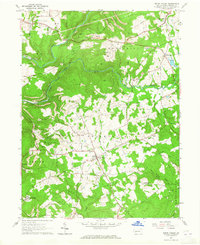 1963 Brush Valley1965 Print · USGSIndiana County's coal country and rural hamlets are mapped here during the early sixties, showing the region's transition from agricultural roots to industrial extraction. Researchers can locate numerous family cemeteries like Evans Cem and Frye Cem, or trace the extent of Strip Mines near Waterman and Luciusboro.4 unique versions available
 - 1963 Map of Clymer, 1965 Print
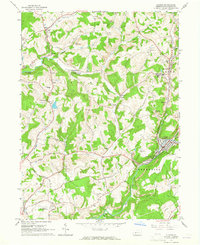 1963 Clymer1965 Print · USGSIndiana County's coal-and-rail landscape is captured here in the early sixties, showing the industrial heart of Clymer and its neighboring townships. Trace the footprint of local industry and community through numerous strip mines, the Wesleyan Sch, and the Kintersburg Bridge.4 unique versions available
 - 1964 Map of Pittsburgh
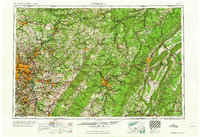 1964 Pittsburgh1964 Print · USGSWestern Pennsylvania in the late fifties and early sixties shows a landscape of powerful river industries and expanding highways. Genealogists and historians can trace the rail corridors of the Pennsylvania RR through industrial hubs like Johnstown, Altoona, and Nanty Glo.
 - 1983 Map of Indiana
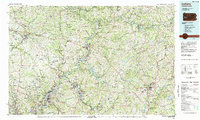 1983 Indiana1983 Print · USGSWestern Pennsylvania in the early eighties shows a landscape of industrial river towns and expanding university campuses. Genealogists can trace family roots through Lucernemines and Spring Church, or locate ancestors in Oakland Cemetery.
 - 1984 Map of Tyrone, 1985 Print
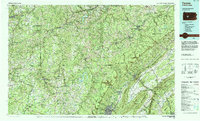 1984 Tyrone1985 Print · USGSCentral Pennsylvania in the mid-eighties shows a rugged landscape defined by the industry of Altoona and the ridges of the Appalachians. Genealogists and historians can trace the rail corridors of CONRAIL and locate vanished family homes near Glendale Lake or within Sinking Valley.
 - 1998 Map of Brush Valley, 1999 Print
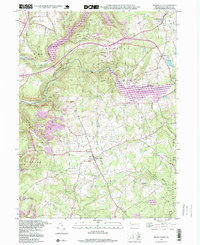 1998 Brush Valley1999 Print · USGSIndiana County in the late nineties showcases a landscape of major reservoirs and rural hamlets. Researchers can trace family history through numerous burial sites like Harmony Cem or explore the industrial footprint of Strip Mines near Brush Valley.
 - 2010 Map of Brush Valley, 2010 Print
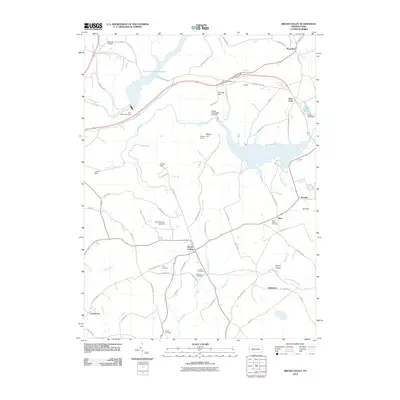 2010 Brush Valley2010 Print · USGSIndiana County's eastern landscape at the dawn of the 2010s shows a region shaped by major reservoirs and traditional crossroads. Researchers can trace local heritage through numerous burial sites like Bethel and Frye Cemetery, or explore the growth of settlements such as Brush Valley and Penn Run.
 - 2010 Map of Strongstown, 2010 Print
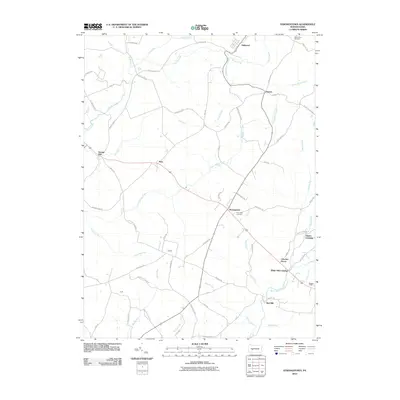 2010 Strongstown2010 Print · USGSBrush Valley Township at the start of the millennium remains a landscape of small rural settlements and winding stream valleys. Genealogists and local historians can trace early family sites near Strongstown, Heilwood, and Pine Land Cemetery.
 - 2010 Map of Clymer, 2010 Print
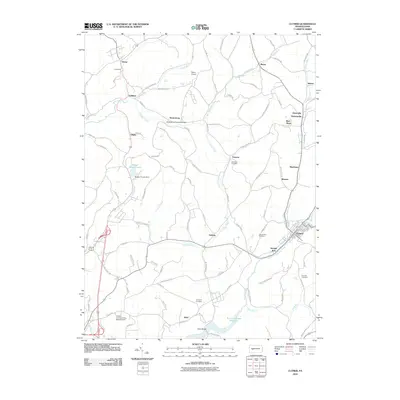 2010 Clymer2010 Print · USGSIndiana County at the start of the twenty-first century shows a landscape of rural hamlets and small industrial towns. Researchers can locate family roots at Columbia Cemetery, trace the path of Crooked Creek, and find landmarks like the Kintersburg Covered Bridge.
 - 2010 Map of Commodore, 2010 Print
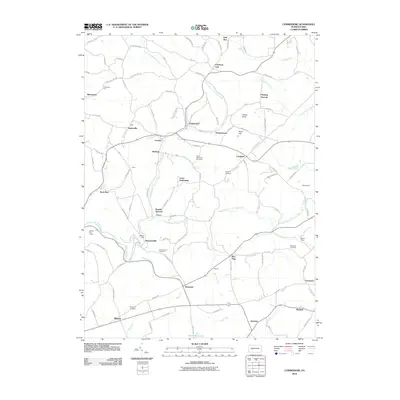 2010 Commodore2010 Print · USGSIndiana County at the start of the 2010s reveals a landscape of enduring rural settlements and intricate creek systems. Researchers can trace family roots through Saint Elizabeths Cemetery or locate old community centers like Learn Settlement, Commodore, and Wandin Junction.
 - 2013 Map of Commodore, 2013 Print
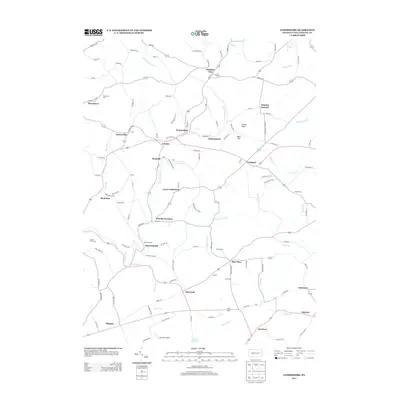 2013 Commodore2013 Print · USGSIndiana County settlement is documented here in the early twenty-first century, showing the enduring grid of small towns and creek-side hamlets. Researchers can locate specific sites such as Learn Settlement, Wandin Junction, and the Clymer Fire Tower.
 - 2013 Map of Strongstown, 2013 Print
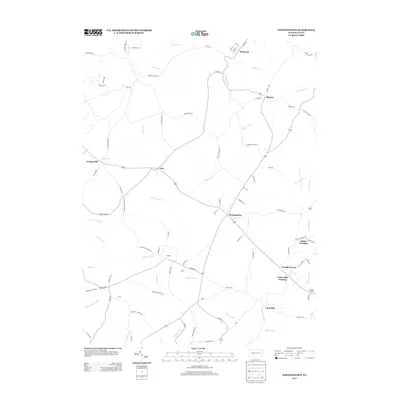 2013 Strongstown2013 Print · USGSIndiana County highlands are captured here in the early twenty-first century, showing the rural networks connecting Strongstown and Heilwood. Researchers can trace old industrial sites and settlements like Ewings Mill, Red Mill, and Adams Crossing along the winding creek valleys.
 - 2013 Map of Clymer, 2013 Print
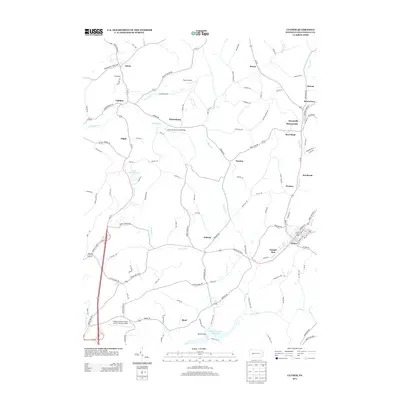 2013 Clymer2013 Print · USGSIndiana County in the early twenty-first century remains a landscape of historic hamlets and winding creeks. Genealogists and historians can trace old community centers like Dixonville, Kintersburg, and the Kintersburg Covered Bridge that once anchored these rural neighborhoods.
 - 2013 Map of Brush Valley, 2013 Print
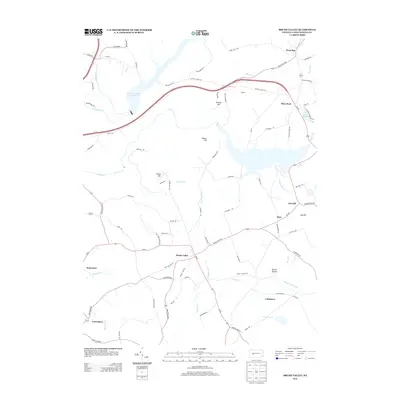 2013 Brush Valley2013 Print · USGSIndiana County at the start of the 2010s reveals a landscape of high ridges and reservoir-fed valleys. Researchers can trace local family landmarks and rural clusters like Waterman, Luciusboro, and the namesake settlement of Brush Valley.
 - 2016 Map of Clymer, 2016 Print
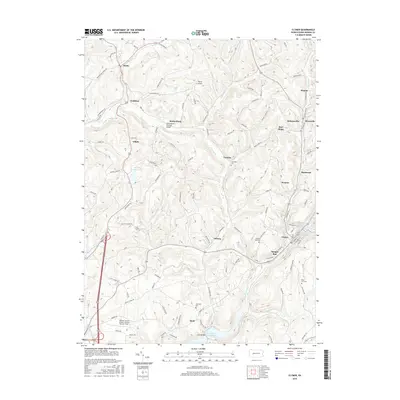 2016 Clymer2016 Print · USGSClymer and the surrounding Indiana County coal settlements are captured here in the mid-2010s. Researchers can trace local history through markers like the Kintersburg Covered Bridge, Sample Run Cem, and the Indiana County Airport/Jimmy Stewart Field.
Showing maps 1-25 of 36
Top cities near Cherryhill Township
- Indiana historical maps
- Northern Cambria historical maps
- Rayne Township historical maps
- Nanty Glo historical maps
- Brush Valley Township historical maps
- Homer City historical maps
See more
Top neighborhoods of Cherryhill Township
- Ideal historical maps
- Rembrant historical maps
- Weimer historical maps
- Ewings Mill historical maps
- Diamondville historical maps
- Pikes Peak historical maps
See more
Frequently asked questions
- What are the different types of historical maps available for Cherryhill Township?
- What is the oldest map of Cherryhill Township?
- Where can I purchase historical maps of Cherryhill Township for my home or office?
- Where can I download high-res historical maps of Cherryhill Township?
- Are there historical topographic maps available for Cherryhill Township?
- Is there historical aerial imagery available for Cherryhill Township?
- Where are historical maps of Cherryhill Township sourced from?