Old Maps of Penn Township, Pennsylvania for Hiking & Exploration
Hike through history with 36 historic maps of Penn Township. Explore old trails, ghost towns, and forgotten backroads — perfect for outdoor adventurers and local explorers.
- Rediscover forgotten places: Map out old mining camps, roads, and footpaths that no longer exist on modern maps.
- Layer with modern tools: Combine with LiDAR or satellite views to plan hikes through historical terrain.
- Made for exploration: Popular among hikers, overlanders, and local history lovers.
Use these maps to find adventure and explore the hidden past of Penn Township.
Penn Township, PA maps
(36)- 1892 Map of Harrisburg
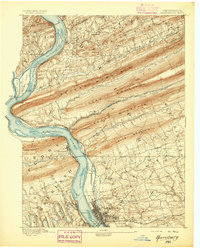 1892 Harrisburg1892 Print · USGSThe Pennsylvania capital and the Susquehanna River corridor are captured here in the 1890s, revealing a landscape of mountain gaps and canal-era infrastructure. Genealogists can trace family roots through settlements like Wormleysburg, Linglestown, and the grounds of the State Lunatic Asylum.2 unique versions available
 - 1899 Map of Harrisburg
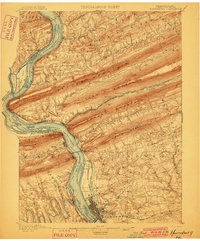 1899 Harrisburg1899 Print · USGSHarrisburg and the Susquehanna River valley are captured here in the 1890s as the railroad era reached its height alongside older waterways. Genealogists and historians can trace the paths of the Pennsylvania Canal and find local landmarks like Heckton Mills and the State Lunatic Asylum.15 unique versions available
 - 1907 Map of New Bloomfield
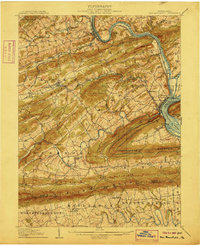 1907 New Bloomfield1907 Print · USGSPerry County at the start of the twentieth century was a landscape of steep ridges and vital river junctions. Genealogists and historians can trace family locations in settlements like New Bloomfield or locate early industrial sites such as Juniata Furnace and Cove Forge.6 unique versions available
 - 1924 Map of Harrisburg
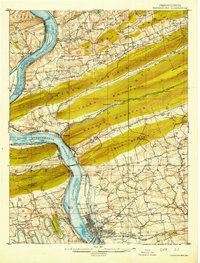 1924 Harrisburg1924 Print · USGSThe Susquehanna River corridor at the state capital reveals a landscape of industrial river gaps and ridge-line valleys in the 1920s. Genealogists and historians can trace the paths of the Pennsylvania Canal and find landmarks like the State Lunatic Asylum and Fort Hunter.
 - 1943 Map of Harrisburg
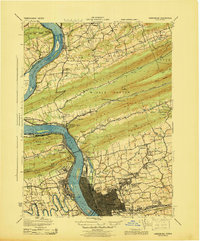 1943 Harrisburg1943 Print · USGSThe Pennsylvania capital and its surrounding Susquehanna riverfront are seen here during the war years. Researchers can trace the extensive rail networks and find local landmarks like Fort Hunter, Good Hope Mills, and Wenrichs Ch.3 unique versions available
 - 1943 Map of New Bloomfield
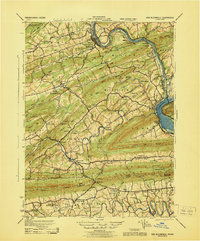 1943 New Bloomfield1943 Print · USGSPerry County's ridge-and-valley landscape is captured here during the Second World War as the rail-and-river corridor remained vital to the region. Genealogists can locate family landmarks like Hustons Mill, Mecks Corner, and the old Wila P O post office.
 - 1947 Map of Harrisburg West
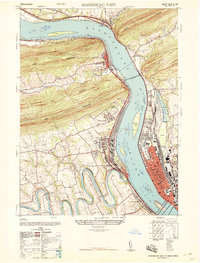 1947 Harrisburg West1947 Print · USGSThe Susquehanna River corridor near Harrisburg is captured here just after the war, showing the massive rail infrastructure and mountain gaps that define the region. Genealogists and local historians can locate the Enola yards, Good Hope Mills, and family burial sites like Chestnut Grove Cemetery.3 unique versions available
 - 1950 Map of Harrisburg, 1952 Print
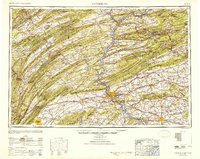 1950 Harrisburg1952 Print · USGSMid-century Central Pennsylvania comes alive through its dense rail networks and river valley settlements during the post-war industrial era. Genealogists and historians can trace family roots through hubs like Harrisburg, locate Carlisle Barracks, or follow the Pennsylvania RR through the Lebanon Valley.
 - 1952 Map of Duncannon, 1958 Print
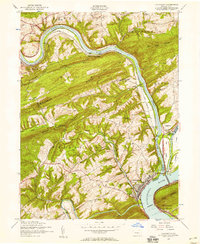 1952 Duncannon1958 Print · USGSThe river junction at Duncannon flourished in the mid-twentieth century as a center for rail and road travel between the ridges of Perry County. Genealogists can trace family sites at Red Hill Cem and Mahanoy School, or locate landmarks like Amity Hall.5 unique versions available
 - 1952 Map of Wertzville, 1958 Print
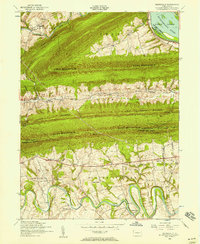 1952 Wertzville1958 Print · USGSPerry and Cumberland counties are shown here in the early 1950s, defined by the steep ridges of the Appalachians and the winding Conodoguinet Creek. Researchers can trace the mid-century landscape of Wertzville, find Hustons Mill, or follow the Appalachian Trail over Blue Mountain.4 unique versions available
 - 1952 Map of New Bloomfield, 1959 Print
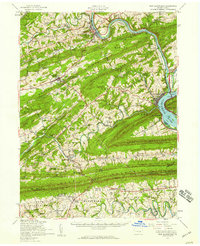 1952 New Bloomfield1959 Print · USGSPerry County's ridge-and-valley landscape is captured here in the early 1950s, showing a region defined by river commerce and rural mountain life. Genealogists can trace family names through dozens of landmarks like Carson Long Institute, St Davids Ch, and Shermans Dale Sch.2 unique versions available
 - 1956 Map of Harrisburg, 1958 Print
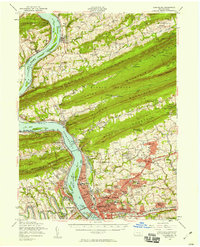 1956 Harrisburg1958 Print · USGSThe Pennsylvania state capital and its surrounding mountain gaps are captured here in the mid-1950s as suburban expansion met the Susquehanna's industrial riverfront. Trace the path of the Stony Creek Railroad or locate family roots at Good Hope Mills and the Rutter Sch.6 unique versions available
 - 1957 Map of Harrisburg
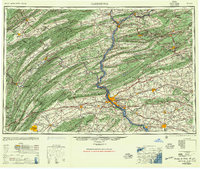 1957 Harrisburg1957 Print · USGSMid-century Central Pennsylvania comes into focus as a bustling network of rail, river, and mountain ridges. Genealogists and historians can trace the development of the State Capitol and surrounding hubs like Middletown, Columbia, and Pottsville.7 unique versions available
 - 1961 Map of Harrisburg
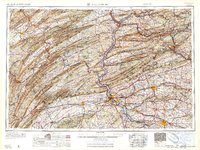 1961 Harrisburg1961 Print · USGSCentral Pennsylvania is shown at a mid-century peak of industrial and military activity, from the Susquehanna water gaps to the fertile Dutch Country. Genealogists and historians can trace the rail corridors of the Pennsylvania RR and find landmarks like Carlisle Barracks or the Anthracite Coal Fields.2 unique versions available
 - 1963 Map of Harrisburg West
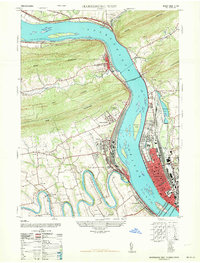 1963 Harrisburg West1963 Print · USGSThe Susquehanna River valley and Pennsylvania's capital region appear here in the early 1960s, showing the intersection of ridge-top wilderness and industrial growth. Genealogists and historians can trace family sites at Mt Zion Church & Cemetery, the Enola rail yards, and Good Hope Mills.
 - 1964 Map of Harrisburg
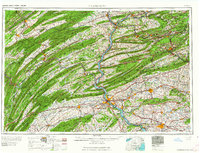 1964 Harrisburg1964 Print · USGSCentral Pennsylvania in the mid-fifties reveals a landscape shaped by ridge-and-valley geology and critical Cold War infrastructure. Researchers can trace the massive Indiantown Gap Military Reservation or the rail corridors of the Pennsylvania RR and Reading RR.
 - 1969 Map of Harrisburg West, 1972 Print
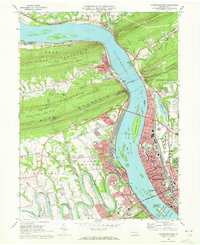 1969 Harrisburg West1972 Print · USGSThe Susquehanna River and its massive rail crossings define the Harrisburg area in the late sixties. Genealogists and historians can trace the development of riverfront boroughs like Wormleysburg and find local landmarks such as Good Hope Mill or the Heckton Ch.4 unique versions available
 - 1984 Map of Harrisburg, 1985 Print
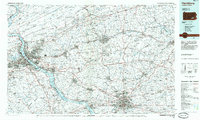 1984 Harrisburg1985 Print · USGSCentral Pennsylvania in the mid-eighties shows a landscape defined by the winding Susquehanna River and the industrial growth of its river towns. Researchers can trace the rail corridors of Amtrak and Conrail or explore the bounds of Fort Indiantown Gap Military Reservation.2 unique versions available
 - 1984 Map of Carlisle, 1985 Print
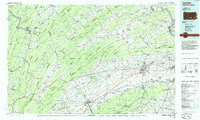 1984 Carlisle1985 Print · USGSSouth-central Pennsylvania is shown during the mid-eighties as a hub of military activity and mountain transit. Genealogists and historians can trace the development of Carlisle Barracks and Letterkenny Army Depot, alongside rail routes like Conrail.2 unique versions available
 - 1993 Map of Harrisburg West, 1999 Print
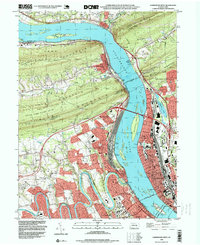 1993 Harrisburg West1999 Print · USGSThe Susquehanna River valley in the early 1990s shows a landscape defined by massive rail infrastructure and urban expansion. Genealogists and historians can trace family roots through Enola and Wormleysburg or locate historic sites like Good Hope Mill and the Rockville Bridge.
 - 1999 Map of Wertzville, 2001 Print
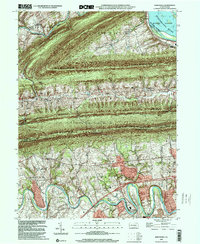 1999 Wertzville2001 Print · USGSPerry and Cumberland counties meet along a series of prominent mountain ridges at the turn of the millennium. Researchers can trace local heritage at Hustons Mill, Oak Grove Cemetery, and several rural school sites like Elliotts School and Summers School.
 - 2010 Map of Wertzville, 2010 Print
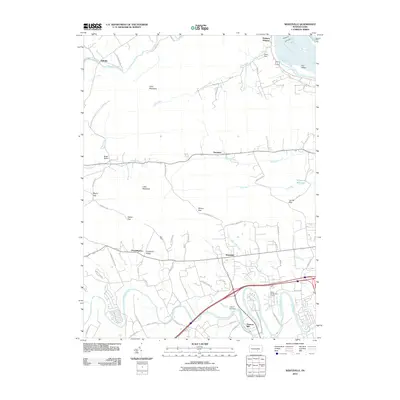 2010 Wertzville2010 Print · USGSCumberland County at the start of the 2010s shows a landscape shaped by ridge-and-valley terrain and the winding Conodoguinet Creek. Researchers can trace old routes through Millers Gap, locate the historic Hustons Mill, or study the developed hillsides of Kinkora Heights.
 - 2010 Map of Duncannon, 2010 Print
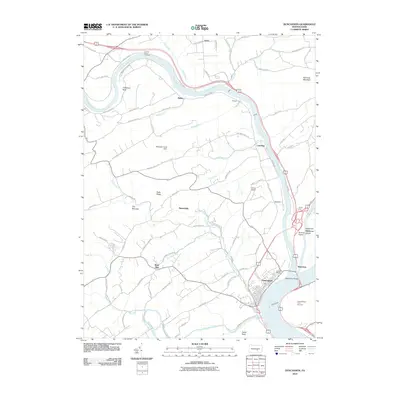 2010 Duncannon2010 Print · USGSDuncannon and the surrounding river valleys are captured here in the early twenty-first century, showing the meeting of the Susquehanna and Juniata rivers. Local historians can trace established routes to Potters School, locate the Mosquito Creek Dam, or study the river crossings at Clarks Ferry Bridge.
 - 2010 Map of Harrisburg West, 2010 Print
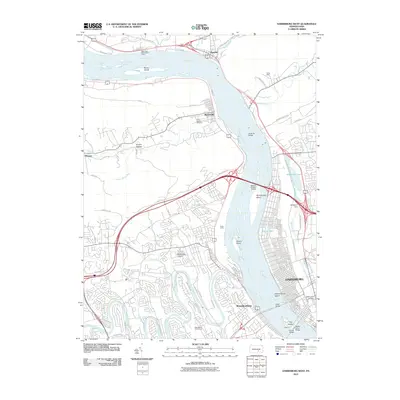 2010 Harrisburg West2010 Print · USGSThe Susquehanna River valley around Harrisburg was a bustling hub of rail and river commerce in the early twenty-first century. Genealogists and historians can trace the expansive Enola Yards, locate the Perry Heights Cemetery, or explore landmarks like the Rockville Bridge.
 - 2013 Map of Wertzville, 2013 Print
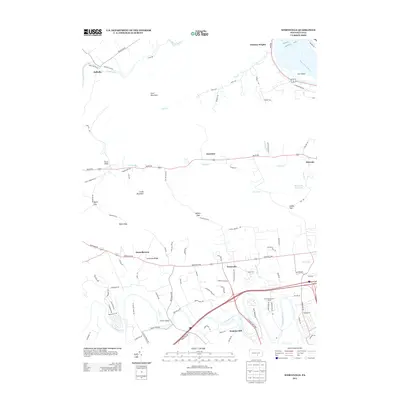 2013 Wertzville2013 Print · USGSCumberland County at the start of the 2010s reveals a landscape defined by sharp mountain ridges and the winding Conodoguinet Creek. Researchers can trace historic valley settlements and local infrastructure, from Hustons Mill and Donnellytown to the high waters of Marysville Reservoir.
Showing maps 1-25 of 36
Top cities near Penn Township
- Harrisburg historical maps
- Carlisle historical maps
- Colonial Park historical maps
- Progress historical maps
- New Cumberland historical maps
- Lower Allen historical maps
See more
Top neighborhoods of Penn Township
Frequently asked questions
- What are the different types of historical maps available for Penn Township?
- What is the oldest map of Penn Township?
- Where can I purchase historical maps of Penn Township for my home or office?
- Where can I download high-res historical maps of Penn Township?
- Are there historical topographic maps available for Penn Township?
- Is there historical aerial imagery available for Penn Township?
- Where are historical maps of Penn Township sourced from?