1940s Maps of Wharton Township, Pennsylvania
Explore 16 historic maps of Wharton Township from the 1940s. These maps offer a rare glimpse into what life looked like during the 1940s — showing old roads, neighborhoods, homes, and landmarks that have changed or disappeared over time.
Whether you're researching your family's past, planning a metal detecting trip, or studying how Wharton Township's landscape evolved across the 1940s, these high-resolution maps are a powerful tool for exploring the history of this region.
- Focus on a specific era: All maps on this page are from the 1940s, giving you a focused view of this time period.
- See what’s changed: Compare century-old streets, trails, and buildings to today's modern landscape using overlays and satellite layers.
- Research with precision: Use these maps for genealogy, historical research, land use analysis, or educational projects.
- View, download, or print: Maps are fully viewable online in high resolution, and can be downloaded or printed for your own records.
Start exploring Wharton Township's history through authentic maps from the 1940s. This is your window into the past.
Wharton Township, PA maps
(16)- 1945 Map of Driftwood, 1953 Print
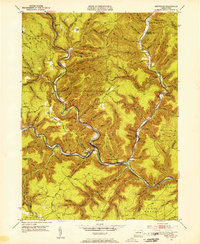 1945 Driftwood1953 Print · USGSCameron County communities thrive along the river bends and rail lines at the end of World War II. Researchers can trace the dual rail paths of the Pennsylvania and Baltimore and Ohio railroads through Driftwood and locate the First Fork Sch.4 unique versions available
 - 1945 Map of First Fork, 1954 Print
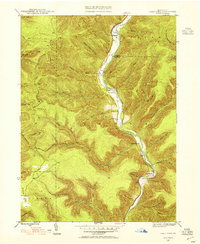 1945 First Fork1954 Print · USGSThe deep valleys of Cameron and Potter counties appear here in the mid-1940s, centered on the First Fork Sinnemahoning Creek corridor. Local researchers can locate the First Fork School, Gilmore Cem, and early ridge-top routes like Square Timber Road.3 unique versions available
 - 1946 Map of Renovo West, 1953 Print
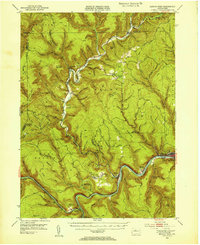 1946 Renovo West1953 Print · USGSClinton County's river valleys and ridgelines come alive in this mid-century survey of the Pennsylvania wilds. Trace the industrial footprint of the Pennsylvania RR through Renovo or find family history at Laurel Hill Cem and Summerson Cem.9 unique versions available
 - 1946 Map of Hammersley Fork, 1954 Print
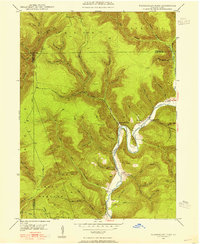 1946 Hammersley Fork1954 Print · USGSThe deep valleys of north-central Pennsylvania appear just after the war as small creek-side settlements remain the primary nodes of local life. Genealogists can trace family names at Summerson Cem and McCoy Cem or locate the old Central Sch near Hammersley Fork.4 unique versions available
 - 1946 Map of Tamarack, 1955 Print
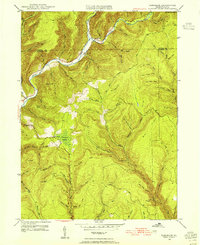 1946 Tamarack1955 Print · USGSClinton and Potter Counties appear in the mid-forties as a landscape of deep valleys and vital watershed headwaters. Genealogists and historians can trace the remote highlands surrounding Tamarack, locating local landmarks like Browns Mill and the Tamarack Lookout Tower.4 unique versions available
 - 1947 Map of First Fork
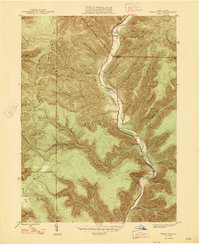 1947 First Fork1947 Print · USGSNorth-central Pennsylvania's mountain valleys are captured here in the mid-1940s, as small settlements and logging-era roads traced the winding First Fork Sinnemahoning Creek. Genealogists can locate the First Fork Sch and family burial sites like Smith Cem and Gilmore Cem.2 unique versions available
 - 1947 Map of Conrad, 1952 Print
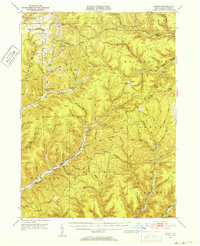 1947 Conrad1952 Print · USGSPotter County’s timbered ridges and deep hollows are captured here just after the war, showing a rural landscape before modern development. Researchers can locate family cemeteries like Angell Cem and Reed Cem, or trace the old Jersey Shore Turnpike.4 unique versions available
 - 1947 Map of Conrad, 1956 Print
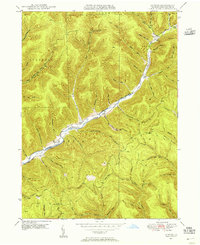 1947 Conrad1956 Print · USGSPotter County’s deep valleys and timberlands are captured here in the mid-1940s as industry and nature intersected. Genealogists and hikers can trace old homesteads near Conrad, find the McFall Cem, and follow the historic Hammersley Trail.5 unique versions available
 - 1947 Map of Short Run, 1956 Print
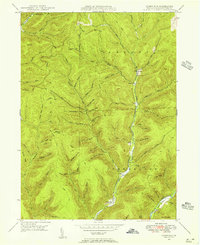 1947 Short Run1956 Print · USGSPotter County’s timbered ridges and deep hollows are documented here just after the war, showing the remote township corners and mountain trails. Trace family-named landmarks like Knickerbocker Hol and Yochum Run or find the early paths at Short Run.2 unique versions available
 - 1947 Map of Cherry Springs, 1958 Print
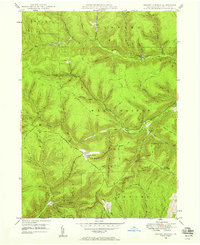 1947 Cherry Springs1958 Print · USGSPotter County's forested ridges and deep hollows are captured here just after the war, showing a landscape defined by timber, transit, and conservation. Genealogists and hikers can trace the Coudersport Pike to Corbett or locate landmarks like Lyman Run Camp and the Cherry Springs Fire Tower.2 unique versions available
 - 1948 Map of Hammersley Fork
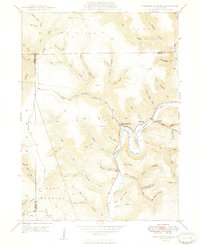 1948 Hammersley Fork1948 Print · USGSClinton and Potter counties appear here in the late 1940s, highlighting the rural communities nestled along the winding waters of Kettle Creek. Genealogists can locate family landmarks such as Summerson Cem, McCoy Cem, and the Central Sch.2 unique versions available
 - 1948 Map of Tamarack
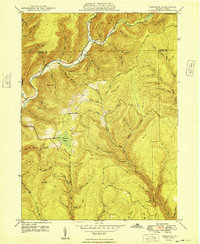 1948 Tamarack1948 Print · USGSThe northern reaches of Clinton County are captured here just after the war, showing a landscape defined by deep creek valleys and forest fire lookouts. Researchers can locate the Tamarack Lookout Tower, the Cem near Cross Fork, and the distinct boggy terrain of Tamarack Swamp.2 unique versions available
 - 1948 Map of Emporium, 1952 Print
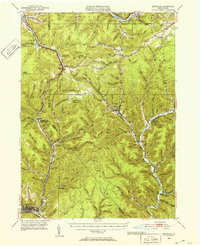 1948 Emporium1952 Print · USGSThe northern Pennsylvania highlands come into focus in the late 1940s, showing a network of mountain settlements and headwater streams. You can trace family roots at Wharton Cem and St Marks Cem or locate old schoolhouse sites like Reesville Sch.3 unique versions available
 - 1948 Map of Wharton, 1958 Print
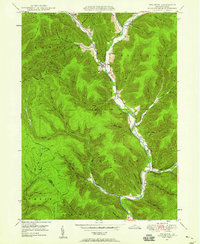 1948 Wharton1958 Print · USGSMid-century Potter County comes to life along the winding First Fork Sinnemahoning Creek and its narrow tributary hollows. Genealogists can pinpoint old family burial grounds like Forest Hill Cem and local landmarks like the Reesville Sch.3 unique versions available
 - 1949 Map of Short Run
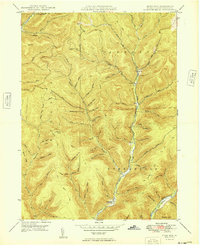 1949 Short Run1949 Print · USGSPotter County’s high plateaus and steep hollows are caught in fine detail during the late 1940s as forest roads began replacing old upland paths. Researchers can trace historic routes like the Splash Dam Trail and locate family-named landmarks such as Knickerbocker Hol and Bunnell Ridge.
 - 1949 Map of Cherry Springs
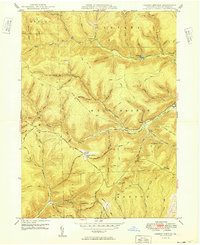 1949 Cherry Springs1949 Print · USGSPotter County’s high plateaus and deep hollows are captured here in the late 1940s, showing a landscape shaped by forestry and early aviation. Genealogists and historians can trace old homesteads and landmarks like Lyman Run Camp, Mount Brodhead, and the Cherry Springs Fire Tower.
End of results
Showing maps 1-16 of 16
Top cities near Wharton Township
- Roulette Township historical maps
- Sweden Township historical maps
- Austin historical maps
- Leidy Township historical maps
- Abbott Township historical maps
- Driftwood historical maps
Top neighborhoods of Wharton Township
- Conrad historical maps
- Jamison historical maps
- Logue historical maps
- Five Points historical maps
- Hammersley historical maps
- Berge Run historical maps
Frequently asked questions
- What are the different types of historical maps available for Wharton Township?
- What is the oldest map of Wharton Township?
- Where can I purchase historical maps of Wharton Township for my home or office?
- Where can I download high-res historical maps of Wharton Township?
- Are there historical topographic maps available for Wharton Township?
- Is there historical aerial imagery available for Wharton Township?
- Where are historical maps of Wharton Township sourced from?