Old Maps of Barry Township, Pennsylvania for Hiking & Exploration
Hike through history with 44 historic maps of Barry Township. Explore old trails, ghost towns, and forgotten backroads — perfect for outdoor adventurers and local explorers.
- Rediscover forgotten places: Map out old mining camps, roads, and footpaths that no longer exist on modern maps.
- Layer with modern tools: Combine with LiDAR or satellite views to plan hikes through historical terrain.
- Made for exploration: Popular among hikers, overlanders, and local history lovers.
Use these maps to find adventure and explore the hidden past of Barry Township.
Barry Township, PA maps
(44)- 1889 Map of Catawissa, 1954 Print
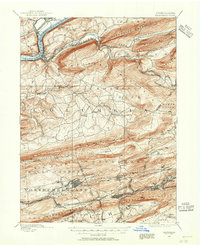 1889 Catawissa1954 Print · USGSThe anthracite coal region and Susquehanna River valley come alive in this late 19th-century survey. Genealogists and historians can trace the early rail networks of the Philadelphia and Reading Railroad connecting industrial hubs like Centralia, Mount Carmel, and Ashland.
 - 1892 Map of Catawissa
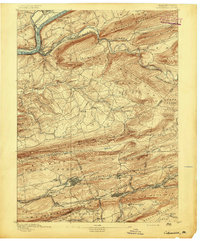 1892 Catawissa1892 Print · USGSThe Pennsylvania anthracite region comes into focus during the late nineteenth-century coal boom. Genealogists and historians can trace rail-centered towns like Centralia, Ashland, and Mount Carmel alongside the historic Bloomsburg Ferry.
 - 1892 Map of Pine Grove
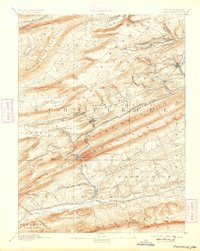 1892 Pine Grove1892 Print · USGSSchuylkill County coal country comes alive in the late 1800s, showing a landscape defined by sharp ridges and heavy industry. Genealogists and historians can trace rail-dependent mining towns like Minersville, Branch Dale, and the bustling junction at Tremont.10 unique versions available
 - 1894 Map of Catawissa
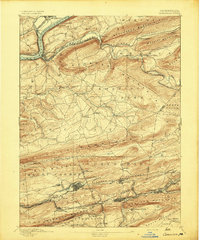 1894 Catawissa1894 Print · USGSPennsylvania's anthracite coal region and the Susquehanna valley appear here in the late nineteenth century, defined by a massive expansion of rail and ridge-top settlements. Researchers can trace old transit lines like the Lehigh Valley Railroad through Centralia or locate early rural hubs like Mifflin X Roads.6 unique versions available
 - 1947 Map of Ashland
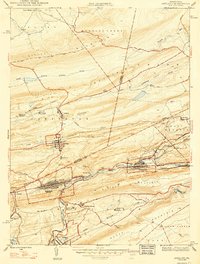 1947 Ashland1947 Print · USGSAnthracite coal country comes into sharp focus during the mid-1940s as the valley towns of Schuylkill and Columbia counties reach their peak development. Genealogists and researchers can trace the street grids of Ashland, find the Miners Hospital, and locate Centralia years before its famous underground fires.3 unique versions available
 - 1947 Map of Mt. Carmel
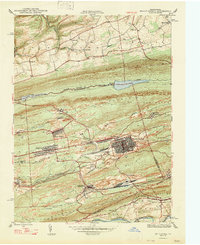 1947 Mt. Carmel1947 Print · USGSThe Pennsylvania coal region is shown here at its post-war industrial peak, bounded by the ridges of Big Mountain and Locust Mountain. Genealogists and historians can trace the intricate rail networks and compact neighborhoods of Mount Carmel, Kulpmont, and Locust Summit.2 unique versions available
 - 1947 Map of Minersville
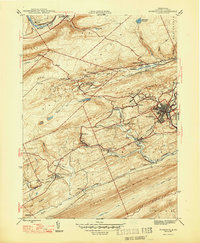 1947 Minersville1947 Print · USGSAnthracite coal mining and rail infrastructure define this mid-century look at the Schuylkill County landscape. Genealogists and historians can trace the detailed street grids of Minersville and find smaller coal settlements like Heckscherville, New Mines, and Coal Castle.2 unique versions available
 - 1947 Map of Tremont
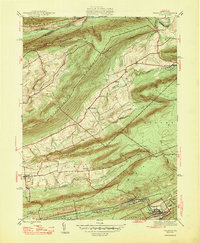 1947 Tremont1947 Print · USGSSchuylkill County is shown here in the late 1940s, where rail lines and mountain ridges dictate the flow of local life. Researchers can trace the Reading railroad corridor through Tremont or locate rural landmarks like Salem Ch and Beury Lake.2 unique versions available
 - 1950 Map of Harrisburg, 1952 Print
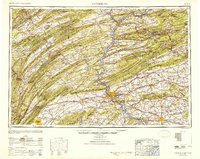 1950 Harrisburg1952 Print · USGSMid-century Central Pennsylvania comes alive through its dense rail networks and river valley settlements during the post-war industrial era. Genealogists and historians can trace family roots through hubs like Harrisburg, locate Carlisle Barracks, or follow the Pennsylvania RR through the Lebanon Valley.
 - 1953 Map of Ashland, 1956 Print
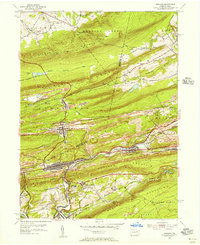 1953 Ashland1956 Print · USGSIn the 1950s, the anthracite coal region around Ashland and Girardville was at its industrial peak. Genealogists can trace family homes in Centralia or Gordon and locate landmarks like Immaculate Heart Academy or the Centralia Fire Tower.5 unique versions available
 - 1954 Map of Tremont, 1956 Print
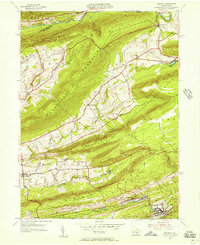 1954 Tremont1956 Print · USGSSchuylkill County in the mid-fifties shows a landscape defined by the anthracite valleys and the parallel ridges of the Appalachians. Researchers can trace the READING rail lines through Tremont and Donaldson, or locate family landmarks like Salem Ch and Klingers Sch.4 unique versions available
 - 1955 Map of Mount Carmel, 1956 Print
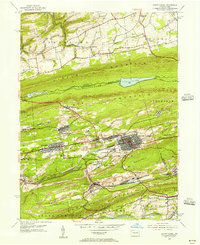 1955 Mount Carmel1956 Print · USGSNorthumberland County's coal-country landscape is meticulously detailed here in the mid-fifties, showing the rail-dependent corridor between Kulpmont and Mount Carmel. Genealogists and historians can trace the foundations of local life through the Township Sch, Mount Carmel Cemetery, and the Drive-in Theater at Natalie.5 unique versions available
 - 1955 Map of Minersville, 1956 Print
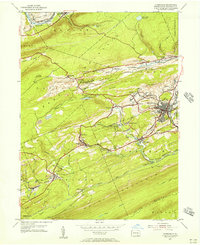 1955 Minersville1956 Print · USGSSchuylkill County mining towns thrive amidst the ridges of the anthracite coal region in the mid-1950s. Genealogists and industrial historians can trace the intricate rail lines of the Reading and find vanished local landmarks like Triedens Ch and New Mines.6 unique versions available
 - 1955 Map of Pine Grove, 1958 Print
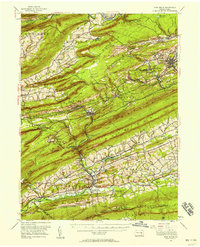 1955 Pine Grove1958 Print · USGSSchuylkill County coal towns and the Blue Mountain ridges are documented here in the mid-1950s. Genealogists and researchers can locate family-named landmarks like Klingers Sch and Hauer Ch alongside coal-era infrastructure like Coal Castle.3 unique versions available
 - 1955 Map of Catawissa, 1960 Print
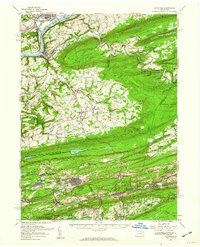 1955 Catawissa1960 Print · USGSThe coal and river valleys of Columbia and Schuylkill counties are shown here in the mid-1950s. Genealogists and historians can trace family roots through numerous sites like Centralia, St Marys Cem, and Parrs Mill.2 unique versions available
 - 1957 Map of Harrisburg
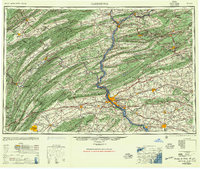 1957 Harrisburg1957 Print · USGSMid-century Central Pennsylvania comes into focus as a bustling network of rail, river, and mountain ridges. Genealogists and historians can trace the development of the State Capitol and surrounding hubs like Middletown, Columbia, and Pottsville.7 unique versions available
 - 1961 Map of Harrisburg
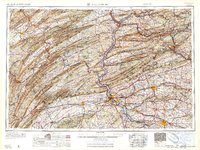 1961 Harrisburg1961 Print · USGSCentral Pennsylvania is shown at a mid-century peak of industrial and military activity, from the Susquehanna water gaps to the fertile Dutch Country. Genealogists and historians can trace the rail corridors of the Pennsylvania RR and find landmarks like Carlisle Barracks or the Anthracite Coal Fields.2 unique versions available
 - 1964 Map of Harrisburg
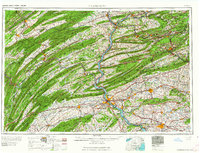 1964 Harrisburg1964 Print · USGSCentral Pennsylvania in the mid-fifties reveals a landscape shaped by ridge-and-valley geology and critical Cold War infrastructure. Researchers can trace the massive Indiantown Gap Military Reservation or the rail corridors of the Pennsylvania RR and Reading RR.
 - 1976 Map of Ashland, 1979 Print
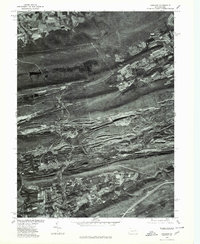 1976 Ashland1979 Print · USGSThe anthracite coal region of Schuylkill County is seen here in the late seventies through detailed aerial orthophotography. Researchers can trace the street grids and industrial footprints of Centralia, Girardville, and Gordon against the ridges of Broad Mountain.
 - 1976 Map of Minersville, 1979 Print
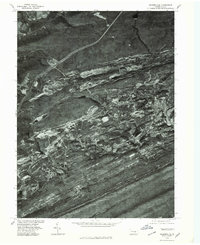 1976 Minersville1979 Print · USGSThe Southern Anthracite Field comes into sharp focus during the mid-seventies, showing the physical footprint of Pennsylvania coal country. Genealogists and local historians can trace the residential layouts of Minersville and Llewellyn against the backdrop of Broad Mountain.
 - 1977 Map of Tremont, 1979 Print
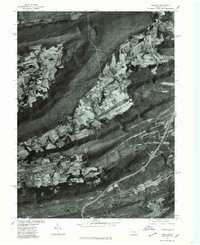 1977 Tremont1979 Print · USGSSchuylkill County's ridge-and-valley landscape is captured in the late seventies through detailed aerial imagery. Trace the development of valley settlements like Hegins and Donaldson alongside the industrial corridors of Broad Mountain.
 - 1977 Map of Mount Carmel, 1979 Print
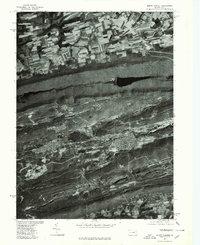 1977 Mount Carmel1979 Print · USGSMount Carmel and the anthracite coal region appear here in the late seventies, captured in detailed aerial imagery. Genealogists and historians can trace the gridded streets of Mount Carmel, Kulpmont, and Locust Gap against the ridges of Big Mountain.
 - 1984 Map of Sunbury, 1985 Print
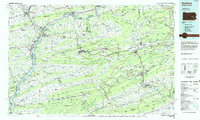 1984 Sunbury1985 Print · USGSPennsylvania coal country and the Susquehanna valley appear here in the early eighties, showcasing a landscape defined by industrial ridges and river towns. Genealogists and historians can trace rail corridors like Conrail and explore mountain settlements from Mahanoy City to Elizabethville.2 unique versions available
 - 1999 Map of Minersville, 2001 Print
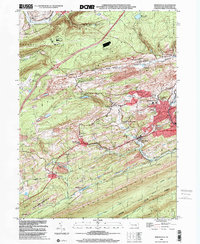 1999 Minersville2001 Print · USGSSchuylkill County coal country comes into sharp focus at the end of the century as industrial valleys meet the high ridges of the Appalachians. Genealogists and historians can trace family-named sites and vanished industrial works from Minersville to New Mines and Coal Castle.
 - 2010 Map of Ashland, 2010 Print
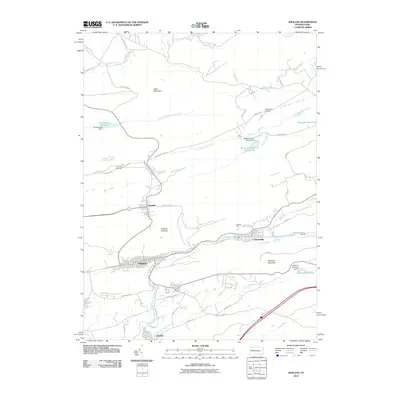 2010 Ashland2010 Print · USGSThe anthracite coal region of Schuylkill County is documented here at the start of the millennium. Researchers can trace the street grids of Centralia and Ashland or locate local landmarks like the Hetherington Cemetery and Centralia Fire Tower.
Showing maps 1-25 of 44
Top cities near Barry Township
- Pottsville historical maps
- Shamokin historical maps
- Mount Carmel historical maps
- Shenandoah historical maps
- Bethel Township historical maps
- Minersville historical maps
See more
Top neighborhoods of Barry Township
- Beurys Lake historical maps
- Mabel historical maps
- Taylorville historical maps
- Weishample historical maps
Frequently asked questions
- What are the different types of historical maps available for Barry Township?
- What is the oldest map of Barry Township?
- Where can I purchase historical maps of Barry Township for my home or office?
- Where can I download high-res historical maps of Barry Township?
- Are there historical topographic maps available for Barry Township?
- Is there historical aerial imagery available for Barry Township?
- Where are historical maps of Barry Township sourced from?