Old Maps of Pinopolis Historic District, South Carolina for Hiking & Exploration
Hike through history with 16 historic maps of Pinopolis Historic District. Explore old trails, ghost towns, and forgotten backroads — perfect for outdoor adventurers and local explorers.
- Rediscover forgotten places: Map out old mining camps, roads, and footpaths that no longer exist on modern maps.
- Layer with modern tools: Combine with LiDAR or satellite views to plan hikes through historical terrain.
- Made for exploration: Popular among hikers, overlanders, and local history lovers.
Use these maps to find adventure and explore the hidden past of Pinopolis Historic District.
Pinopolis Historic District, SC maps
(16)- 1919 Map of Summerville
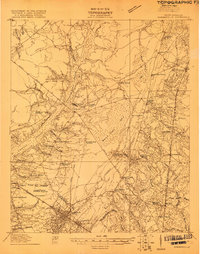 1919 Summerville1919 Print · USGSSummerville and the surrounding Lowcountry wetlands are captured here just after the Great War, during a period of established rail reliance and rural growth. Genealogists and researchers can trace local landmarks like St Johns Church, the Clemson Coast Express Station, and numerous early school sites including Barrow School.
 - 1920 Map of Summerville
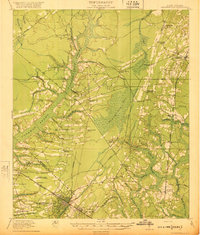 1920 Summerville1920 Print · USGSThe South Carolina Lowcountry at the close of the Great War reveals a landscape of deep cypress basins and burgeoning rail-side towns. Genealogists can locate numerous rural landmarks like Appii Church, Whitesville School, and the Clemson Coast Experiment Station.3 unique versions available
 - 1944 Map of Summerville
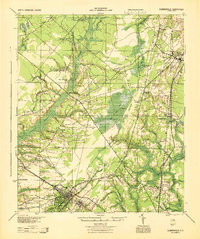 1944 Summerville1944 Print · USGSThe South Carolina lowcountry near the end of World War II is documented here, showing the rural landscapes of Dorchester and Berkeley counties. Genealogists can trace family roots through numerous local landmarks like Black Tom Sch, St Johns Ch, and Lincolnville.
 - 1954 Map of Augusta
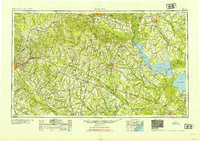 1954 Augusta1954 Print · USGSThe Savannah River valley and South Carolina Midlands are captured here during a period of post-war growth. Researchers can trace the rail-and-river economy through the Southern RR corridor and locate historic settlements like Aiken, Orangeburg, and Sumter.
 - 1957 Map of Augusta, 1966 Print
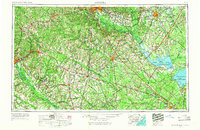 1957 Augusta1966 Print · USGSThe Savannah River and Santee basins are captured here during a period of massive military and industrial expansion in the late fifties. Genealogists can trace family footprints across Four Hole Swamp or near the Savannah River Plant.3 unique versions available
 - 1958 Map of Augusta
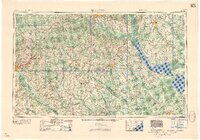 1958 Augusta1958 Print · USGSThe borderlands between Georgia and South Carolina come alive in the 1950s, showing the early footprint of the Savannah River Plant. Genealogists and historians can trace rail-dependent towns and rural landmarks from Orangeburg to the Fort Jackson Military Reservation.
 - 1958 Map of Moncks Corner, 1959 Print
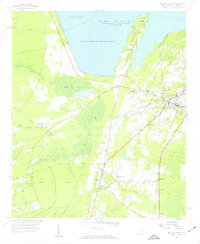 1958 Moncks Corner1959 Print · USGSBerkeley County life in the late fifties centered on the growing hub of Moncks Corner and the vast waters of Lake Moultrie. Researchers can trace rural family roots through landmarks like the Whitesville Sch, The Oak Chapel, and the Atlantic Coast Line railroad.3 unique versions available
 - 1961 Map of Augusta
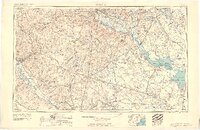 1961 Augusta1961 Print · USGSThe South Carolina lowcountry and CSRA appear here in the early sixties, during a period of massive military and industrial growth. Researchers can trace the development of the Savannah River Plant or locate legacy landmarks like Nelson Ferry and Magnolia Cemetery.2 unique versions available
 - 1962 Map of Augusta
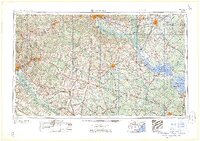 1962 Augusta1962 Print · USGSThe South Carolina and Georgia borderlands are seen here in the early sixties, showing the rise of the Savannah River Plant and the expansion of Fort Jackson. Researchers can trace old rail lines like the Southern Railway and find landmarks such as St. Pauls Church or the Santee Canal.
 - 1985 Map of Saint George, 1986 Print
 1985 Saint George1986 Print · USGSThe South Carolina Lowcountry in the mid-eighties shows a landscape defined by the great reservoirs and the meandering Edisto River. Researchers can trace the rail corridors of the Southern Railway and find rural settlements like Harleyville, Smoaks, and Grover.
 - 1990 Map of Saint George
 1990 Saint George1990 Print · USGSThe South Carolina Lowcountry in the early nineties reveals a complex network of river systems and massive reservoirs. Genealogists and local historians can trace the development of inland settlements like St George and Branchville or explore the wetlands of Four Hole Swamp.
 - 2011 Map of Moncks Corner, 2011 Print
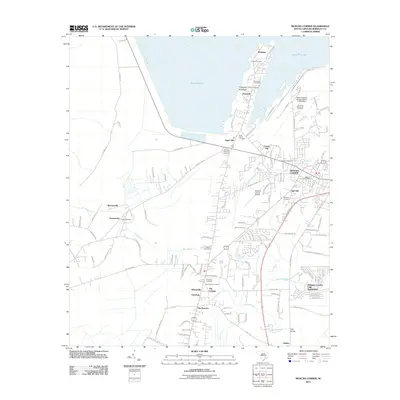 2011 Moncks Corner2011 Print · USGSCovers Pinopolis Historic District, including Moncks Corner, Oak Park, and other nearby areas
 - 2014 Map of Moncks Corner, 2014 Print
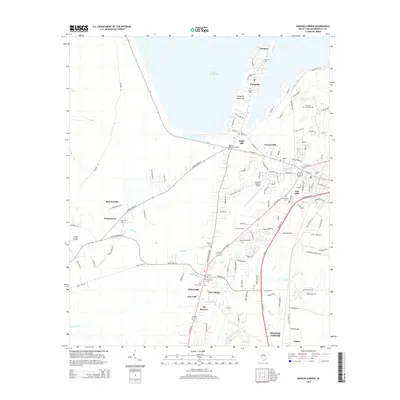 2014 Moncks Corner2014 Print · USGSCovers Pinopolis Historic District, including Moncks Corner, Oak Park, and other nearby areas
 - 2017 Map of Moncks Corner, 2017 Print
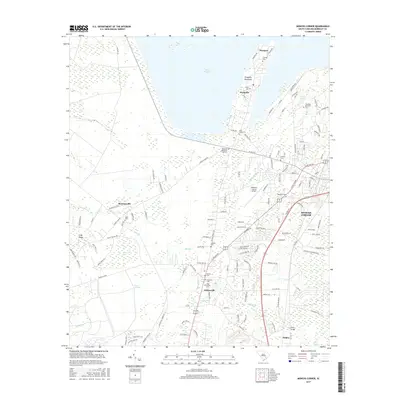 2017 Moncks Corner2017 Print · USGSCovers Pinopolis Historic District, including Moncks Corner, Oak Park, and other nearby areas
 - 2020 Map of Moncks Corner, 2020 Print
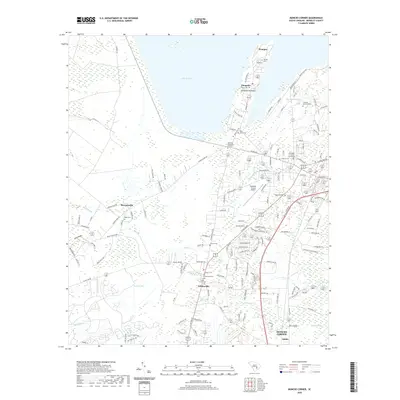 2020 Moncks Corner2020 Print · USGSCovers Pinopolis Historic District, including Moncks Corner, Oak Park, and other nearby areas
 - 2024 Map of Moncks Corner, 2024 Print
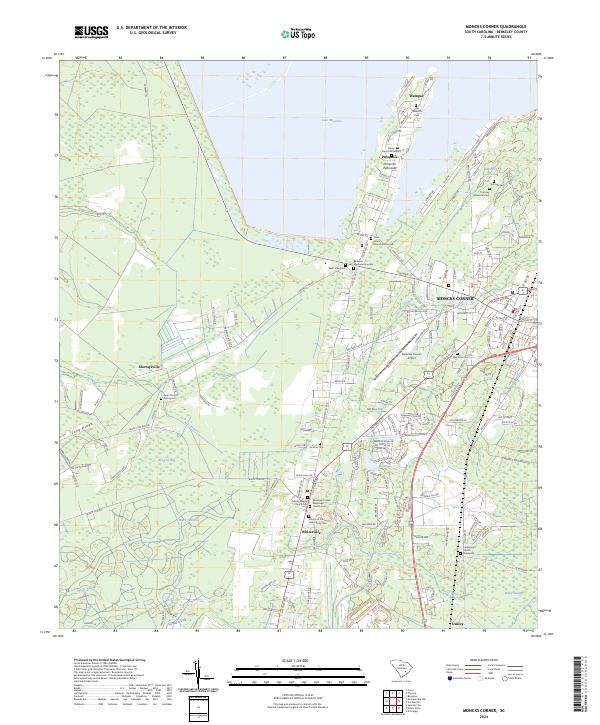 2024 Moncks Corner2024 Print · USGSBerkeley County is captured here in the contemporary era as it surrounds the southern reaches of the Santee Cooper reservoir system. Genealogists and local historians can trace numerous family and parish sites, including Trinity Church Graveyard, Oak Hill Cem, and the community of Murraysville.
End of results
Showing maps 1-16 of 16
Top cities near Pinopolis Historic District
- North Charleston historical maps
- Summerville historical maps
- Goose Creek historical maps
- Moncks Corner historical maps
- Lincolnville historical maps
- Bonneau historical maps
Frequently asked questions
- What are the different types of historical maps available for Pinopolis Historic District?
- What is the oldest map of Pinopolis Historic District?
- Where can I purchase historical maps of Pinopolis Historic District for my home or office?
- Where can I download high-res historical maps of Pinopolis Historic District?
- Are there historical topographic maps available for Pinopolis Historic District?
- Is there historical aerial imagery available for Pinopolis Historic District?
- Where are historical maps of Pinopolis Historic District sourced from?