Old Maps of Marlboro County, South Carolina for Academic Research
Study the evolution of Marlboro County with 122 high-resolution historic maps. Whether you're teaching, researching, or modeling changes in land use, these maps provide essential visual documentation of urban, environmental, and geographic change.
- Analyze long-term change: Track patterns in development, transportation, and natural features.
- Ideal for environmental or urban studies: Support academic projects with primary historical map data.
- Use in the classroom or lab: Educators and researchers rely on these maps to bring historical context to life.
These maps are a powerful tool for teaching, research, and visualizing how Marlboro County has changed over the decades.
Marlboro County, SC maps
(122)- 1942 Map of Rockingham, 1944 Print
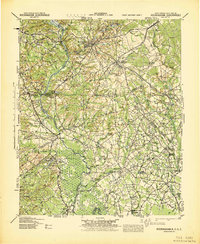 1942 Rockingham1944 Print · USGSThe North Carolina and South Carolina borderlands come alive in this wartime survey of the Pee Dee River valley. Researchers can trace historic mill sites like Burnt Factory Pond or locate family landmarks such as Roberdell and Old Sneedsboro.
 - 1943 Map of Gum Swamp
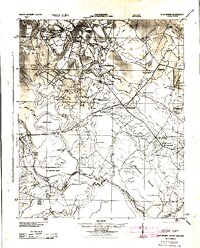 1943 Gum Swamp1943 Print · USGSCoastal plain settlements and river islands define the Pee Dee region during the early years of World War II. Researchers can locate rural hubs like Bethea Cross Roads and trace family history through landmarks like Lower Marlboro High School and Annarate Church.2 unique versions available
 - 1949 Map of Gibson, 1953 Print
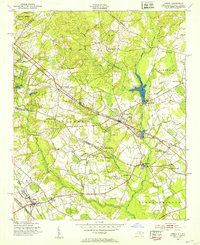 1949 Gibson1953 Print · USGSThe North Carolina and South Carolina borderlands come alive in the late 1940s, centered on the rail hub of Gibson. Trace the heritage of mill settlements and family plots like Richmond Mill, Old Hundred, and the Pate Cem.3 unique versions available
 - 1949 Map of Ghio, 1953 Print
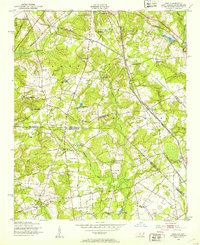 1949 Ghio1953 Print · USGSThe Carolina borderlands come to life in this mid-century survey, capturing the rural communities of Richmond and Scotland counties. Genealogists can trace family landmarks like Morrison Grave Sch, Scholl Sta, and the Seal Cem along the Seaboard Air Line tracks.2 unique versions available
 - 1949 Map of Hamlet, 1954 Print
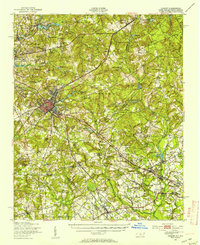 1949 Hamlet1954 Print · USGSNorth Carolina's Sandhills come alive in the late 1940s, centered on the busy rail hub of Hamlet and its sprawling network of tracks. Researchers can trace numerous local schools and cemeteries, from Sneads Grove School to the Tabernacle Cemetery.2 unique versions available
 - 1953 Map of Florence, 1964 Print
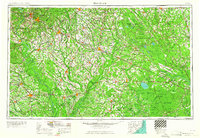 1953 Florence1964 Print · USGSThe Carolina borderlands in the mid-fifties were a landscape of vast river swamps and rising rail towns. Trace the legacy of the Seaboard Air Line through Florence or explore the wetlands surrounding Lake Waccamaw and the Green Swamp.3 unique versions available
 - 1954 Map of Florence
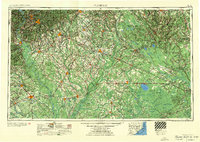 1954 Florence1954 Print · USGSThe Carolinas borderlands come alive in the early fifties, showing the vital rail-and-river networks of the coastal plain. Genealogists can trace family footprints across the Green Swamp or through settlements like Red Springs, Chadbourn, and McColl.
 - 1963 Map of Mont Clare, 1964 Print
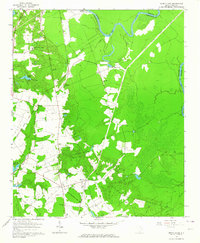 1963 Mont Clare1964 Print · USGSThe Pee Dee River basin in the 1960s reveals a rural Darlington County landscape of family cemeteries and crossroad settlements. Researchers can locate the Rosenwald Consolidated Sch, trace the Old Grade Railroad, and find markers like Round O Cem.
 - 1971 Map of Diggs, 1973 Print
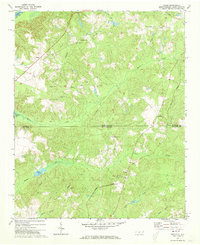 1971 Diggs1973 Print · USGSThe North and South Carolina borderlands come to life in the early 1970s, showing a landscape of railroad towns and rural parishes. Genealogists can trace family footprints at St Stephens Cem, Fulton, and along the historic Old Wire Road.2 unique versions available
 - 1971 Map of Morven East, 1973 Print
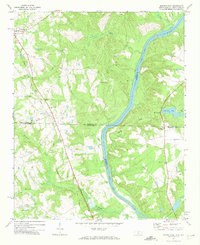 1971 Morven East1973 Print · USGSThe North Carolina and South Carolina borderlands meet along the river in the early 1970s. Genealogists can trace family footprints through rural landmarks like Old Sneedsboro, Galilee Ch, and the mills at Brocks Mill and Everetts Mill.2 unique versions available
 - 1971 Map of Wallace, 1975 Print
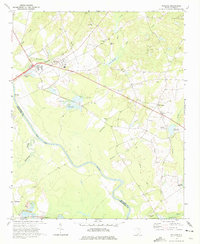 1971 Wallace1975 Print · USGSMarlboro County in the early 1970s shows a landscape of river-bottom lands and small rail-side communities like Wallace. Researchers can trace old family cemeteries like Quick Cem and McQuage Cem or locate historic schools and mills along Wolf Creek.2 unique versions available
 - 1971 Map of Minturn, 1975 Print
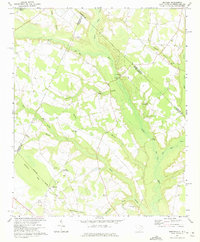 1971 Minturn1975 Print · USGSThe Carolina borderlands near the start of the 1970s show a landscape shaped by river crossings and rural parish life. Genealogists and historians can trace family locations through landmarks like Minturn, Sinclair Crossroads, and the Seaboard Coast Line railroad.
 - 1971 Map of Johns, 1975 Print
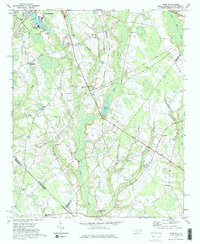 1971 Johns1975 Print · USGSThe borderlands of North and South Carolina in the early seventies are captured here during a period of steady rural development. Genealogists and local historians can trace the foundations of St Andrews College or locate family sites near Stewartsville Cem and Zion Hill Ch.2 unique versions available
 - 1971 Map of Cheraw, 1976 Print
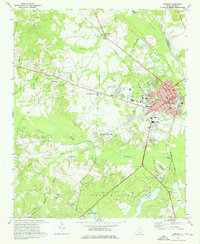 1971 Cheraw1976 Print · USGSCheraw and its surrounding riverfront landscapes are captured here in the early seventies, a time when the town thrived as a regional center along the Pee Dee River. Researchers can locate family landmarks like St Pauls Ch, trace the Old Plank Road, and explore the layout of Cheraw State Park.
 - 1971 Map of Society Hill, 1977 Print
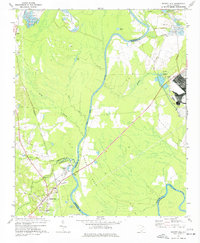 1971 Society Hill1977 Print · USGSSociety Hill and the surrounding river lowlands are captured here in the early seventies as a hub of rail and river transit. Genealogists and local historians can trace family sites at St Marks Ch, the Rosenwald Sch, and the old community of Cash.
 - 1972 Map of Drake, 1975 Print
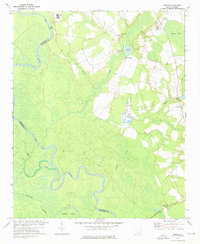 1972 Drake1975 Print · USGSMarlboro County rural life in the early seventies centered on the river bottoms and crossroads communities along the Pee Dee River. Researchers can locate family landmarks such as Cedar Falls Ch, Blenheim Sch, and the settlement of Drake.
 - 1972 Map of Clio, 1975 Print
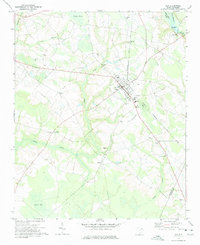 1972 Clio1975 Print · USGSCoastal plain agriculture and rail-side commerce define this South Carolina landscape during the early seventies. Genealogists can trace family footprints through numerous rural landmarks like Old Clio Ch, Lucas Cem, and the crossroads at Five Forks.
 - 1972 Map of Bennettsville North, 1975 Print
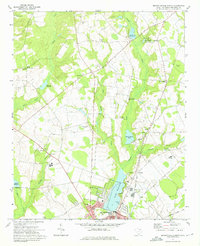 1972 Bennettsville North1975 Print · USGSUpper Marlboro County in the early seventies shows the growing edge of Bennettsville as it meets a landscape of old millponds and rural parishes. Researchers can trace family roots at Oak Ridge Cem or locate community hubs like Newtonville and Old Smyrna Ch.
 - 1972 Map of Mc Coll, 1975 Print
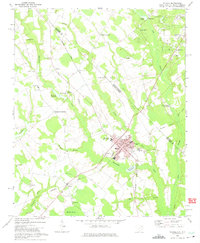 1972 Mc Coll1975 Print · USGSMarlboro County’s borderlands are shown here in the 1970s, centered on the railroad town of McColl and the agricultural hub of Tatum. Genealogists can trace family landmarks like Newton Cemetery, McLaurins Millpond, and Fletchers Chapel.2 unique versions available
 - 1972 Map of Oak Grove, 1975 Print
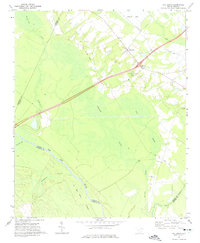 1972 Oak Grove1975 Print · USGSDillon County at the start of the 1970s is a landscape of expansive wetlands and river-bottom timber defined by the winding Pee Dee River. Researchers can trace old transportation corridors along the Old RR Grade and locate rural landmarks like Bethesda Ch or Haselden Cem.2 unique versions available
 - 1972 Map of Bingham, 1975 Print
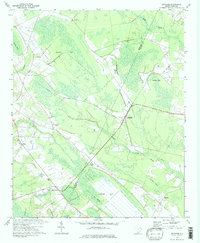 1972 Bingham1975 Print · USGSThe wetlands and rural settlements of the Marlboro and Dillon county border are detailed here during the early seventies. Genealogists and local historians can trace the Old Railroad Grade and locate family landmarks like Victory Temple and Bingham.2 unique versions available
 - 1972 Map of Bennettsville South, 1976 Print
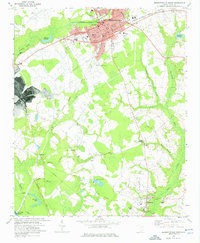 1972 Bennettsville South1976 Print · USGSBennettsville and the southern Marlboro County countryside are shown in detail during the early 1970s. Genealogists and researchers can trace family-named sites such as Driggers Chapel, McCall Cem, and Covington Millpond across this river-and-rail landscape.
 - 1972 Map of Witherspoon Island, 1976 Print
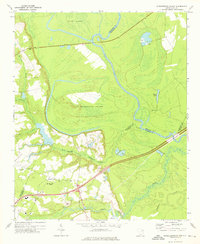 1972 Witherspoon Island1976 Print · USGSThe Pee Dee River lowlands come to life in the early 1970s, showcasing the intricate water systems surrounding Witherspoon Island. Researchers can trace local family landmarks near Blacks, including Century Ch and Cem, or locate industrial sites like the Fish Hatchery.2 unique versions available
 - 1976 Map of Diggs, 1978 Print
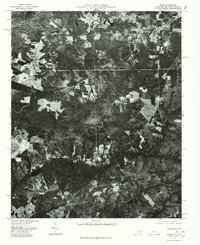 1976 Diggs1978 Print · USGSThe rural landscapes of Richmond County are seen here in the mid-1970s through a detailed aerial orthophoto. Researchers can pinpoint specific farmsteads and rural crossroads near Diggs, Ellerbe Grove, and Osborne during this era.
 - 1976 Map of Minturn, 1978 Print
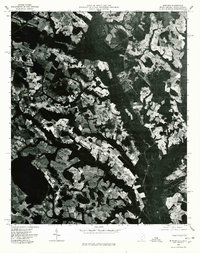 1976 Minturn1978 Print · USGSThe Carolina borderlands come into focus in the mid-seventies through this detailed aerial orthophoto. Local historians and genealogists can trace property lines and land use patterns around Minturn, Crossroads, and the Little Pee Dee River.
Showing maps 1-25 of 122
Top cities of Marlboro County
- Bennettsville historical maps
- McColl historical maps
- Clio historical maps
- Blenheim historical maps
- Tatum historical maps
Frequently asked questions
- What are the different types of historical maps available for Marlboro County?
- What is the oldest map of Marlboro County?
- Where can I purchase historical maps of Marlboro County for my home or office?
- Where can I download high-res historical maps of Marlboro County?
- Are there historical topographic maps available for Marlboro County?
- Is there historical aerial imagery available for Marlboro County?
- Where are historical maps of Marlboro County sourced from?