Old Maps of Big Bend District, South Dakota for Academic Research
Study the evolution of Big Bend District with 48 high-resolution historic maps. Whether you're teaching, researching, or modeling changes in land use, these maps provide essential visual documentation of urban, environmental, and geographic change.
- Analyze long-term change: Track patterns in development, transportation, and natural features.
- Ideal for environmental or urban studies: Support academic projects with primary historical map data.
- Use in the classroom or lab: Educators and researchers rely on these maps to bring historical context to life.
These maps are a powerful tool for teaching, research, and visualizing how Big Bend District has changed over the decades.
Big Bend District, SD maps
(48)- 1953 Map of Huron, 1959 Print
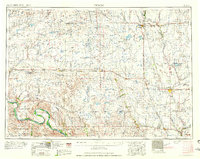 1953 Huron1959 Print · USGSCentral South Dakota comes alive in the mid-1950s as a thriving rail and agricultural corridor between the Missouri and James Rivers. Trace the legacy of family farms and prairie towns like Huron, Faulkton, and Wessington Springs along the historic Chicago and North Western rail lines.3 unique versions available
 - 1954 Map of Huron, 1977 Print
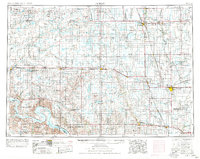 1954 Huron1977 Print · USGSCentral South Dakota was a landscape of grain elevators and river bends during the mid-fifties. Genealogists and historians can trace the development of the James River valley through railroad towns like Redfield and the sprawling Crow Creek Indian Reservation.
 - 1966 Map of Lower Brule NW, 1967 Print
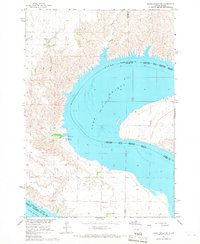 1966 Lower Brule NW1967 Print · USGSThe Missouri River valley in the mid-1960s shows a landscape transformed by the waters of Lake Sharpe. Researchers can locate rural landmarks like the Boot Bar Sch and Hidden Valley Sch alongside the West Bend Recreation Area.
 - 1966 Map of Joe Creek, 1967 Print
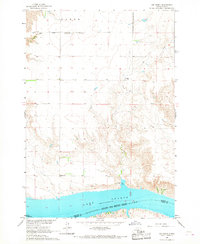 1966 Joe Creek1967 Print · USGSThe Missouri River and the newly formed Lake Sharpe dominate the landscape in the mid-1960s, showing the intersection of tribal lands and new reservoirs. Genealogists and local historians can trace rural school locations like Riverdale Sch and Busy Bee Sch along the Joe Creek drainage.
 - 1966 Map of Joe Creek NW, 1967 Print
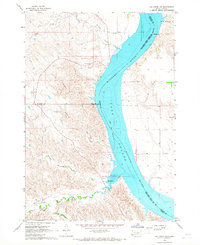 1966 Joe Creek NW1967 Print · USGSThe Missouri River valley in the mid-1960s reveals a landscape transformed by the waters of Lake Sharpe along the reservation borders. Genealogists and historians can trace local landmarks like Holy Faith Cem, La Roche Sch, and the Clark Ranch.
 - 1966 Map of Lower Brule SW, 1967 Print
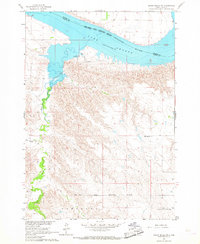 1966 Lower Brule SW1967 Print · USGSLyman County, South Dakota is captured in the mid-sixties during the development of the Missouri River Basin. Genealogists and historians can trace local landmarks like Messiah Ch, Black Dog Sch, and the winding Medicine Creek.
 - 1966 Map of Joe Creek SE, 1967 Print
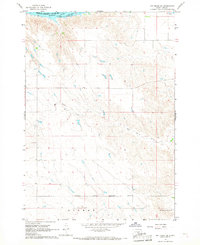 1966 Joe Creek SE1967 Print · USGSLyman County ranchlands meet the rising waters of the Missouri River in the mid-sixties, just as the regional geography was being reshaped. Genealogists can trace the Lower Brule Indian Reservation Boundary and drainage basins like Bad Horse Creek and Dorman.
 - 1966 Map of Lower Brule NE, 1967 Print
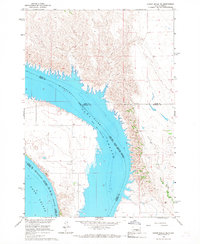 1966 Lower Brule NE1967 Print · USGSThe Missouri River valley in the mid-sixties reveals a landscape reshaped by the rising waters of Missouri River Lake Sharpe. Local historians can trace the borders of the Lower Brule Indian Reservation Boundary and locate a small Cem near the bluffs.
 - 1966 Map of Lower Brule, 1967 Print
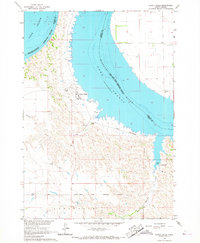 1966 Lower Brule1967 Print · USGSThe Missouri River breaks and the waters of Lake Sharpe define this mid-1960s look at the Lower Brule community. Researchers can locate the Council House, Christ Ch, and early recreation sites like the Counselor Creek Recreation Area.2 unique versions available
 - 1973 Map of De Grey SE, 1976 Print
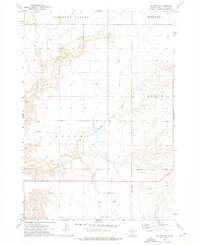 1973 De Grey SE1976 Print · USGSHughes County in the 1970s is shown as a rural landscape defined by the winding paths of Chapelle Creek and the southern plains. Local history researchers can trace the locations of the Raber Sch, Chapelle Cem, and the Crow Creek Indian Reservation Boundary.
 - 1973 Map of Chapelle Lake SW, 1976 Print
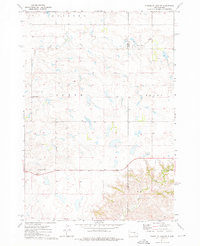 1973 Chapelle Lake SW1976 Print · USGSThe central South Dakota prairie and the Crow Creek Indian Reservation meet here during the mid-1970s. Trace old township life through the Snake Butte Sch, the settlement of Shaber, and landmarks like Pratt Butte.
 - 1985 Map of Big Bend Dam, 1986 Print
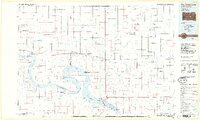 1985 Big Bend Dam1986 Print · USGSThe Missouri River landscape of the mid-1980s is defined by the massive Big Bend Dam and the sprawling waters of Lake Sharpe. Genealogists and historians can trace reservation boundaries and rural outposts like Fort Thompson, Stephan, and the Miller Dale Colony.2 unique versions available
 - 2012 Map of Lower Brule NE, 2012 Print
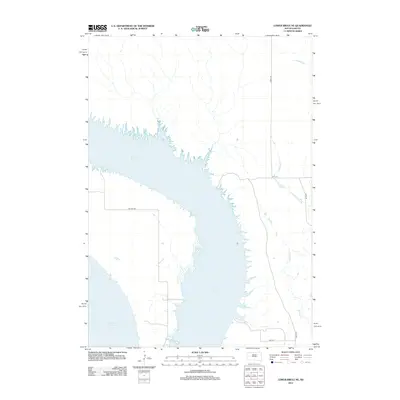 2012 Lower Brule NE2012 Print · USGSThe Missouri River valley in the Big Bend District is captured here during the early twenty-first century, showing the expansive waters of Lake Sharpe. Researchers can trace the rural road network including BIA Route 3 and drainage features like Soldier Cr.
 - 2012 Map of Lower Brule NW, 2012 Print
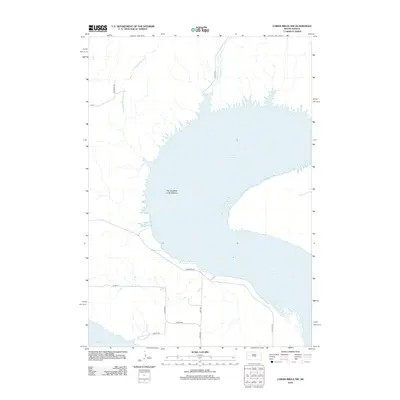 2012 Lower Brule NW2012 Print · USGSThe massive curve of the Missouri River defines this Hughes County landscape in the early 2010s. Researchers can trace the prairie drainage of Arrowhead Spring Cr or follow the path of Westbend Rd along the shores of Lake Sharpe.
 - 2012 Map of Lower Brule SW, 2012 Print
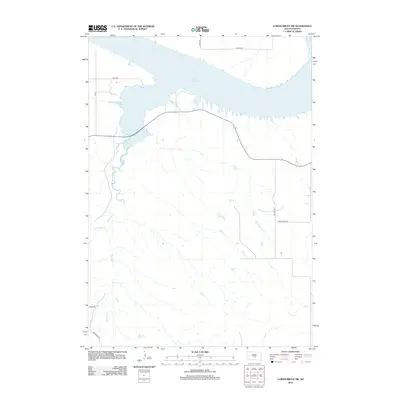 2012 Lower Brule SW2012 Print · USGSThe Missouri River breaks of South Dakota are shown here in the early twenty-first century, centered on the waters of Lake Sharpe. Genealogists and historians can trace the paths of Medicine Cr, Bad Horse Cr, and the route of Traditional Rd.
 - 2012 Map of Joe Creek, 2012 Print
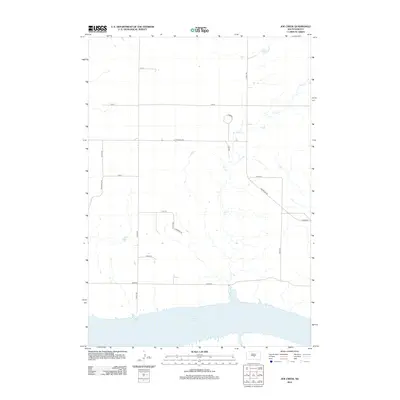 2012 Joe Creek2012 Print · USGSThe Big Bend District in the early twenty-first century reveals a landscape defined by the waters of Lake Sharpe and the winding course of Joe Cr. Researchers can trace the rural road network through family-named routes like Nachtigal Rd and unique local markers like Lonesome Pl.
 - 2012 Map of Joe Creek NW, 2012 Print
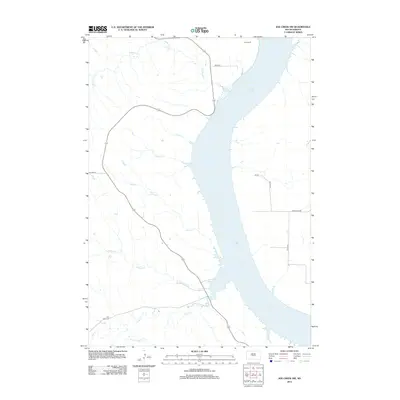 2012 Joe Creek NW2012 Print · USGSThe Missouri River valley in the early twenty-first century is defined by the massive waters of Lake Sharpe and its rugged western inlets. Genealogists and local historians can locate the Holy Faith Cem and trace the paths of LaRoche Cr and Straight Cr.
 - 2012 Map of Lower Brule, 2012 Print
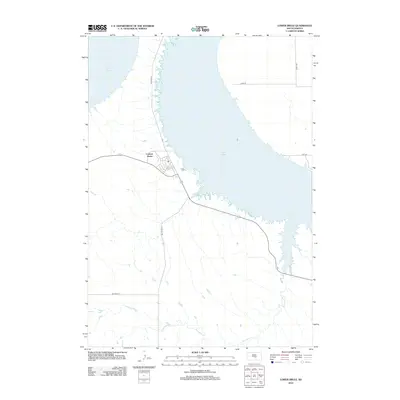 2012 Lower Brule2012 Print · USGSThe Missouri River landscape near the Big Bend District is captured here in the early twenty-first century. Researchers can trace the layout of the Council House settlement and follow the paths of Bia Route 10 and Counselor Cr.
 - 2012 Map of Joe Creek SE, 2012 Print
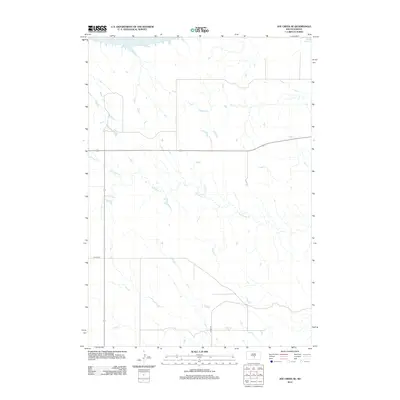 2012 Joe Creek SE2012 Print · USGSCentral South Dakota prairie meets the Missouri River shoreline in the early twenty-first century. Researchers can trace the winding course of Bad Horse Creek and find access points to the expansive waters of Lake Sharpe.
 - 2012 Map of De Grey SE, 2012 Print
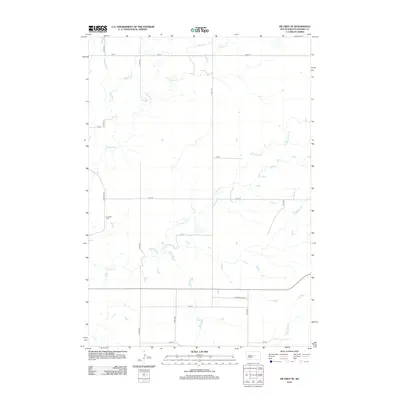 2012 De Grey SE2012 Print · USGSHughes County prairie lands are captured here in the early twenty-first century, showing the enduring grid of South Dakota's farm country. Genealogists and local researchers can locate the Chapelle Cem and trace the paths of Chapelle Cr and S Dakota Hwy 34.
 - 2012 Map of Chapelle Lake SW, 2012 Print
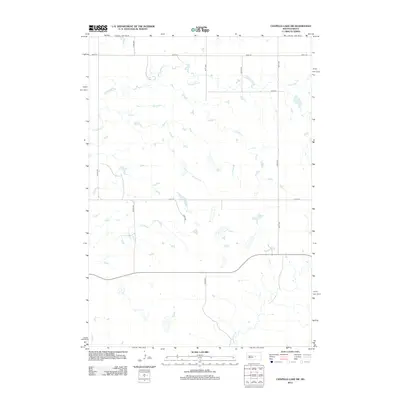 2012 Chapelle Lake SW2012 Print · USGSHughes County prairie lands at the start of the 2010s are defined here by their vast drainage networks and strict section-line grids. Researchers can trace the courses of S Chapelle Cr and Chaney Rush Cr across miles of rural road infrastructure.
 - 2015 Map of De Grey SE, 2015 Print
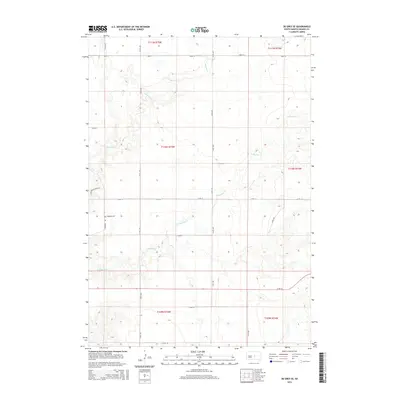 2015 De Grey SE2015 Print · USGSHughes County ranch lands and drainage basins are captured here in the mid-2010s. Genealogists and local historians can trace family ties at Chapelle Cem or follow the natural contours of Chapelle Cr and Scattergun Ridge Rd.
 - 2015 Map of Chapelle Lake SW, 2015 Print
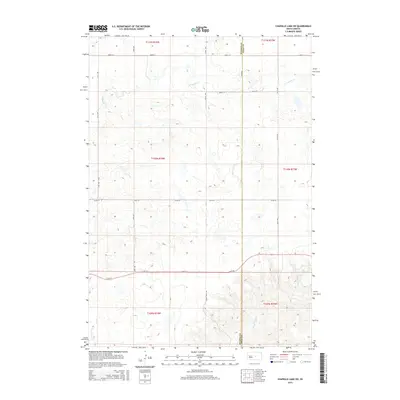 2015 Chapelle Lake SW2015 Print · USGSThe high plains of the Hughes and Hyde county line are captured here in the mid-2010s, showing a traditional ranching landscape. Genealogists and land historians can trace property boundaries and natural watercourses like S Chapelle Cr and the hills surrounding Chaney Rush Cr.
 - 2015 Map of Lower Brule NE, 2015 Print
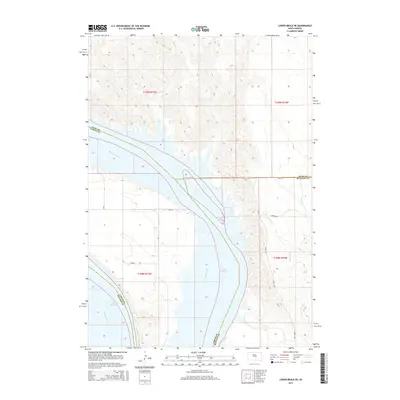 2015 Lower Brule NE2015 Print · USGSThe Big Bend region of the Missouri River is captured here in the mid-2010s at a unique four-county juncture. Researchers can trace tribal infrastructure and drainage patterns along Lake Sharpe, Mule Pass, and the winding Soldier Cr.
 - 2015 Map of Joe Creek SE, 2015 Print
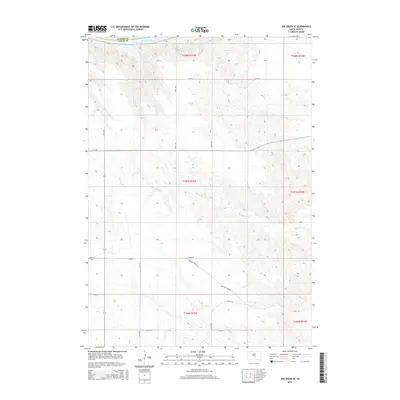 2015 Joe Creek SE2015 Print · USGSHughes and Lyman counties meet along the Missouri River in this recent survey of the Big Bend District. Researchers can trace the winding course of Bad Horse Cr and locate rural access points along Medicine Creek Rd and SD-1806.
Showing maps 1-25 of 48
Top neighborhoods of Big Bend District
Frequently asked questions
- What are the different types of historical maps available for Big Bend District?
- What is the oldest map of Big Bend District?
- Where can I purchase historical maps of Big Bend District for my home or office?
- Where can I download high-res historical maps of Big Bend District?
- Are there historical topographic maps available for Big Bend District?
- Is there historical aerial imagery available for Big Bend District?
- Where are historical maps of Big Bend District sourced from?