Old Maps of Sanborn County, South Dakota for Academic Research
Study the evolution of Sanborn County with 117 high-resolution historic maps. Whether you're teaching, researching, or modeling changes in land use, these maps provide essential visual documentation of urban, environmental, and geographic change.
- Analyze long-term change: Track patterns in development, transportation, and natural features.
- Ideal for environmental or urban studies: Support academic projects with primary historical map data.
- Use in the classroom or lab: Educators and researchers rely on these maps to bring historical context to life.
These maps are a powerful tool for teaching, research, and visualizing how Sanborn County has changed over the decades.
Sanborn County, SD maps
(117)- 1898 Map of Huron
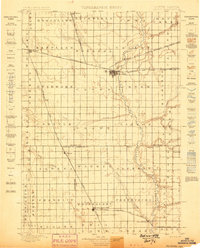 1898 Huron1898 Print · USGSCentral South Dakota thrived as a rail and river hub in the 1890s. Genealogists and historians can trace early townships and rail junctions like Huron, Woonsocket, and the crossings of the James River.2 unique versions available
 - 1899 Map of Mitchell
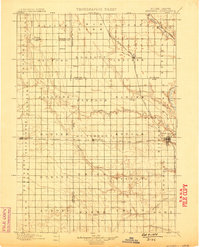 1899 Mitchell1899 Print · USGSSoutheastern South Dakota is captured during the era of rapid railroad expansion and prairie settlement. Genealogists can trace the early rail stops at Mt. Vernon and Letcher, or locate old watercourses like Enemy Creek and the James River.3 unique versions available
 - 1899 Map of Alexandria
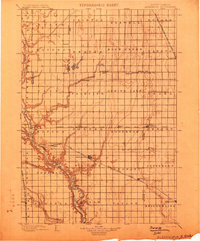 1899 Alexandria1899 Print · USGSHanson County and the James River valley are captured here at the peak of the late-nineteenth-century rail boom. Genealogists can trace family footprints in early settlements like Rockport, Epiphany, and Alexandria or follow the path of the James River.5 unique versions available
 - 1899 Map of De Smet
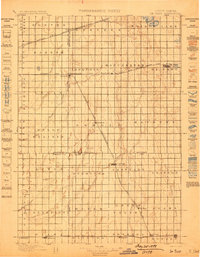 1899 De Smet1899 Print · USGSEastern South Dakota in the 1890s appears as a landscape of rapid rail expansion and nascent prairie towns. You can trace early settlement patterns and transport hubs like De Smet, Carthage, and Iroquois along the Chicago and Northwestern R. R.2 unique versions available
 - 1953 Map of Huron, 1959 Print
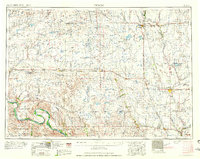 1953 Huron1959 Print · USGSCentral South Dakota comes alive in the mid-1950s as a thriving rail and agricultural corridor between the Missouri and James Rivers. Trace the legacy of family farms and prairie towns like Huron, Faulkton, and Wessington Springs along the historic Chicago and North Western rail lines.3 unique versions available
 - 1953 Map of Watertown, 1968 Print
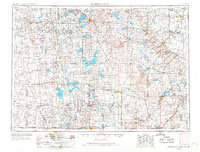 1953 Watertown1968 Print · USGSEastern South Dakota and the Minnesota borderlands are captured here during the mid-twentieth century as the region's agricultural and rail-service centers thrived. Genealogists and local historians can trace family-named sites across the Coteau des Prairies and find landmarks in Watertown, De Smet, and Brookings.3 unique versions available
 - 1954 Map of Huron, 1977 Print
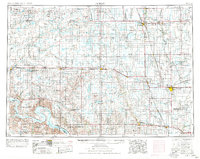 1954 Huron1977 Print · USGSCentral South Dakota was a landscape of grain elevators and river bends during the mid-fifties. Genealogists and historians can trace the development of the James River valley through railroad towns like Redfield and the sprawling Crow Creek Indian Reservation.
 - 1955 Map of Sioux Falls, 1967 Print
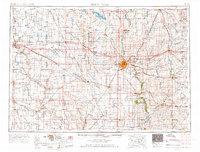 1955 Sioux Falls1967 Print · USGSThe eastern South Dakota and western Minnesota borderlands come alive in the mid-fifties, showing the vital rail-to-river connections of the era. Genealogists can trace family footprints across townships like Madison and Pipestone, while following the paths of the Big Sioux River and the Chicago and North Western line.3 unique versions available
 - 1955 Map of Mitchell, 1973 Print
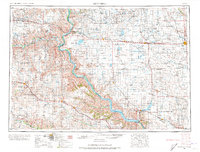 1955 Mitchell1973 Print · USGSThe Missouri River valley undergoes a massive transformation in the mid-1950s as the Fort Randall Dam creates Lake Francis Case. You can trace the rail lines of the Chicago Milwaukee St Paul and Pacific through Mitchell or locate local landmarks like Butler Town Hall.2 unique versions available
 - 1957 Map of Forestburg NE, 1958 Print
 1957 Forestburg NE1958 Print · USGSThe James River valley in the late fifties reveals a dense network of rural school districts and township landmarks. Researchers can locate the Pearl Ch, Bonny Cem, and several school sites including the Flagel Sch and Maurer Sch.
 - 1957 Map of Farwell NW, 1958 Print
 1957 Farwell NW1958 Print · USGSSanborn County agriculture and rural education are captured here in the mid-fifties as the prairie landscape underwent significant change. Genealogists can trace family land across Butler or Ravenna and locate former community centers like the Hodson Sch or Goering Sch.2 unique versions available
 - 1957 Map of Loomis, 1958 Print
 1957 Loomis1958 Print · USGSThe prairie landscape of Davison County in the late fifties is captured here through its network of rural schoolhouses and rail lines. Genealogists can locate specific homestead regions near Loomis and trace historical landmarks like Titus Sch and the CHICAGO MILWAUKEE ST PAUL AND PACIFIC railroad.2 unique versions available
 - 1957 Map of Forestburg, 1958 Print
 1957 Forestburg1958 Print · USGSSanborn County at the end of the fifties reveals a landscape shaped by the winding river and the railroad. Genealogists can trace family lands across Oneida and Logan townships or locate old sites like Rubert Sch and Ruskin Park.
 - 1957 Map of Letcher NE, 1959 Print
 1957 Letcher NE1959 Print · USGSSanborn County was transitioning its rural school systems and river management in the years following the war. Researchers can trace family ties at Butler Cem or locate the sites of several namesake institutions like Jacobus Sch and Rainbow Ranch.
 - 1957 Map of Farwell, 1959 Print
 1957 Farwell1959 Print · USGSHanson County's prairie townships are captured here in the late fifties, showing a rural landscape defined by the winding James River. Genealogists can locate family landmarks such as the Rock Creek Cem, Farwell Ch, and several local schools including Grant Sch.2 unique versions available
 - 1958 Map of Sioux Falls
 1958 Sioux Falls1958 Print · USGSThe tri-state borderlands of South Dakota, Minnesota, and Iowa are captured here during the mid-century peak of the regional rail network. Genealogists and historians can trace local landmarks like Augustana Academy, the St Marys Cem, and the path of the Illinois Central through Rock Rapids.
 - 1958 Map of Watertown
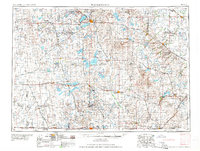 1958 Watertown1958 Print · USGSThe eastern South Dakota prairie and the Minnesota borderlands are captured here in the late fifties, showcasing a landscape of terminal moraine lakes and burgeoning rail hubs. Genealogists and historians can trace the early paths of the Chicago and North Western railroad or locate family roots in Watertown, Clark, or the Sisseton Indian Reservation.2 unique versions available
 - 1958 Map of Forestburg NW, 1959 Print
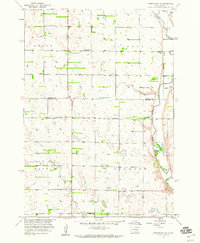 1958 Forestburg NW1959 Print · USGSSanborn County and Beadle County farm country is mapped here in the late fifties as the James River valley supported a robust network of rural schools. Genealogists can trace family land proximity to Bethlehem Ch, Christensen Sch, or McDonald Sch.2 unique versions available
 - 1959 Map of Mitchell
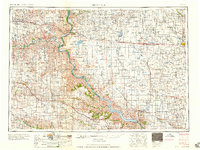 1959 Mitchell1959 Print · USGSSouth Dakota’s river and rail corridors come alive in the late fifties as the Missouri River valley undergoes dramatic change. Genealogists and historians can trace family roots through numerous small towns and schools such as Academy, Stickney, and Gregory.2 unique versions available
 - 1971 Map of Artesian NW, 1973 Print
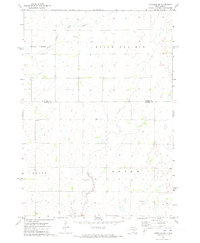 1971 Artesian NW1973 Print · USGSSanborn and Beadle counties are captured here in the early 1970s, showcasing a rural prairie landscape defined by isolated farmsteads and township boundaries. Genealogists can locate family sites near Immanuel Ch Cem or St Anthonys Cem along the Pearl Creek drainage.
 - 1971 Map of Fedora, 1973 Print
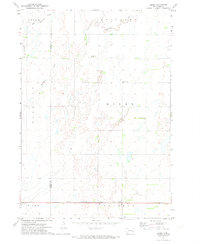 1971 Fedora1973 Print · USGSMiner County's rural townships are captured here in the early 1970s as the rail-driven economy still shaped the plains. Researchers can locate family sites near Glen View Ch, Morgans Cem, or the Milwaukee Road corridor.
 - 1971 Map of Artesian, 1973 Print
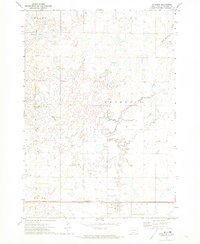 1971 Artesian1973 Print · USGSArtesian and the surrounding Sanborn County townships are shown here in the early seventies, centered on the Milwaukee Road railroad. Genealogists and researchers can locate St Anthonys Cem, the local Townhall, and the winding path of Redstone Creek.
 - 1971 Map of Artesian NE, 1973 Print
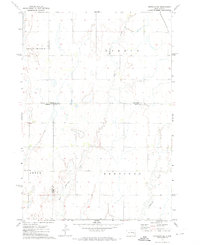 1971 Artesian NE1973 Print · USGSFour counties converge in this South Dakota agricultural landscape during the early seventies, centered on the drainage of the Redstone forks. Genealogists and local historians can locate the old Townhall and trace the route of the Chicago and North Western railroad through Afton and Esmond.
 - 1973 Map of Alpena, 1976 Print
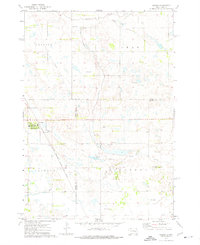 1973 Alpena1976 Print · USGSThe town of Alpena and the surrounding prairie are captured here in the early 1970s, as a vital rail-link hub. Researchers can locate the Rest Haven Cem and trace the Milwaukee Road railroad line as it cuts through Cain Creek country.
 - 1973 Map of Forestburg SW, 1976 Print
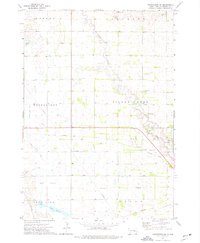 1973 Forestburg SW1976 Print · USGSSanborn County's rural townships are documented here in the early 1970s, showcasing a landscape of drainage ditches and prairie water sources. Researchers can trace the Old Railroad Grade and locate local landmarks like the Silver Creek Cem and the Townhall.
Showing maps 1-25 of 117
Frequently asked questions
- What are the different types of historical maps available for Sanborn County?
- What is the oldest map of Sanborn County?
- Where can I purchase historical maps of Sanborn County for my home or office?
- Where can I download high-res historical maps of Sanborn County?
- Are there historical topographic maps available for Sanborn County?
- Is there historical aerial imagery available for Sanborn County?
- Where are historical maps of Sanborn County sourced from?