Old Maps of White Bluff, Tennessee for Metal Detecting
Plan your next treasure hunt with 24 historic maps of White Bluff. Find old homesites, ghost towns, trails, and gathering spots that may be lost to time — perfect for identifying promising metal detecting locations.
- Locate forgotten sites: Uncover places like long-lost settlements, abandoned rail lines, or gathering spots.
- Plan better hunts: Use map overlays combined with LiDAR or satellite views to narrow in on historically rich areas.
- Made for detectorists: Thousands of hobbyists use these maps to discover relics, coins, and hidden history.
Use these historic maps to boost your research and find new opportunities beneath the surface of White Bluff.
White Bluff, TN maps
(24)- 1930 Map of White Bluff, 1953 Print
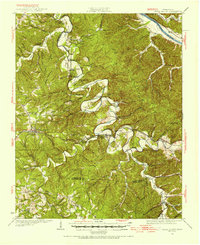 1930 White Bluff1953 Print · USGSMiddle Tennessee in the 1930s is defined by the serpentine bends of the Harpeth River and the steam-era dominance of the Nashville Chattanooga and St Louis RR. Genealogists and historians can locate vanished country schools like Opossum Sch and trace early road networks including the Dickson Turnpike.
 - 1933 Map of White Bluff
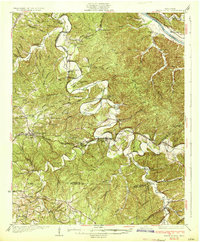 1933 White Bluff1933 Print · USGSThe Tennessee river country in the early thirties is defined here by the winding loops of the Harpeth River and the rail line through White Bluff. Genealogists and researchers can trace rural life through landmarks like Mound Bottom, Frog Pond Ch, and Opossum Sch.
 - 1936 Map of Burns
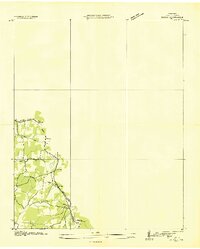 1936 Burns1936 Print · USGSDickson County's rural landscape is captured during the mid-1930s as modern infrastructure began to reshape the Tennessee interior. Researchers can trace the path of the N C AND ST L railroad through Tidwell and Pomona or locate the site of the Herbertson Sch.
 - 1953 Map of Burns, 1958 Print
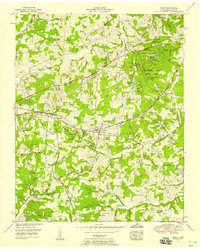 1953 Burns1958 Print · USGSMid-century Dickson County centers on the railroad towns of Burns and Colesburg as the local economy shifts from industry to recreation. Genealogists and historians can locate numerous family burial sites such as Dugan Cem or trace the early layout of Montgomery Bell State Park.5 unique versions available
 - 1956 Map of Nashville, 1971 Print
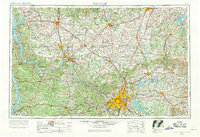 1956 Nashville1971 Print · USGSThe Tennessee-Kentucky borderlands come into focus in the mid-1960s as major reservoir projects transformed the Cumberland and Tennessee river valleys. Researchers can trace the rail networks of the Louisville and Nashville and visit sites like Fort Campbell and Fort Donelson National Military Park.2 unique versions available
 - 1959 Map of Nashville
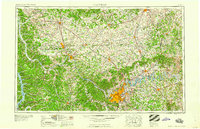 1959 Nashville1959 Print · USGSMiddle Tennessee and Southern Kentucky come into focus during the late fifties, showing the region's transition into a modern transportation and military hub. Researchers can trace the sprawling Fort Campbell Military Reservation or locate historic rail stops along the Tennessee Central Ry and Illinois Central RR.
 - 1966 Map of Harpeth Valley, 1967 Print
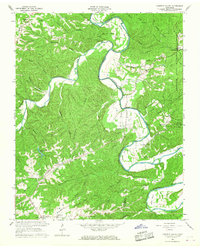 1966 Harpeth Valley1967 Print · USGSThe Harpeth River meanders through the Dickson and Cheatham county line in the mid-1960s, revealing a landscape of high ridges and rural valley settlements. Genealogists and researchers can trace family-named locations such as Petway, Griffintown, and the Taylortown Ch Cem.3 unique versions available
 - 1966 Map of White Bluff, 1967 Print
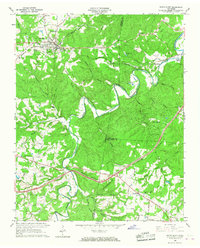 1966 White Bluff1967 Print · USGSThe wooded ridges of Dickson and Cheatham Counties are captured here in the mid-sixties as Interstate development began to reach the area. Genealogists can locate family landmarks like Pinkerton Cem, James Sch, and the rail stops at Craggie Hope and White Bluff.3 unique versions available
 - 1985 Map of Dickson
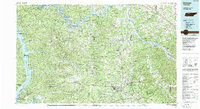 1985 Dickson1985 Print · USGSMid-Tennessee in the mid-1980s was defined by the intersection of the Cumberland and Tennessee rivers and a massive network of wildlife refuges. Researchers can trace the Seaboard System rail lines connecting Waverly, Dickson, and White Bluff, or locate old landmarks near Fort Donelson National Military Park.
 - 2010 Map of Burns, 2010 Print
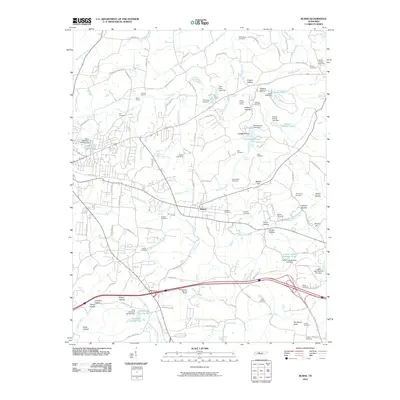 2010 Burns2010 Print · USGSThe settlement of Burns and the surrounding Dickson County countryside are shown here in the early twenty-first century, before recent growth. Researchers can locate iron-era Laurel Furnace Mines, the Montgomery Bell Ore Banks, and numerous family burial grounds like Ladd Cemetery.
 - 2010 Map of White Bluff, 2010 Print
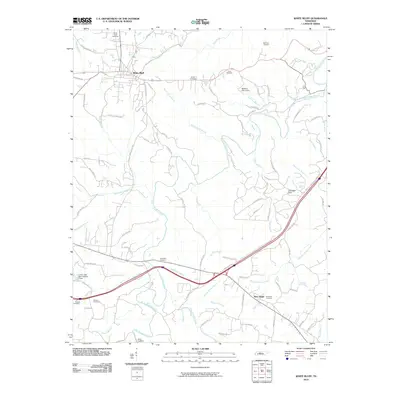 2010 White Bluff2010 Print · USGSThe community of White Bluff and nearby New Hope are shown in 2010 as they sit among the many winding branches of Turnbull Creek. Researchers can locate several historic burial sites like Pinkerton Cemetery and Bell Town Cemetery alongside local landmarks like Bethany Hills Camp.
 - 2010 Map of Harpeth Valley, 2010 Print
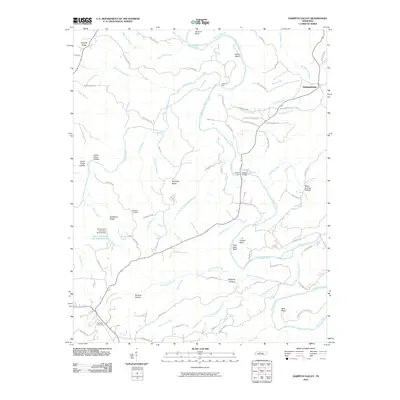 2010 Harpeth Valley2010 Print · USGSThe Harpeth River valley is captured here in the early 21st century, showing a landscape defined by deep bends and narrow ridges. Genealogists and local historians can trace family locations near Germantown, Nosegay Cemetery, and the historic crossing at Petway Ford.
 - 2013 Map of Harpeth Valley, 2013 Print
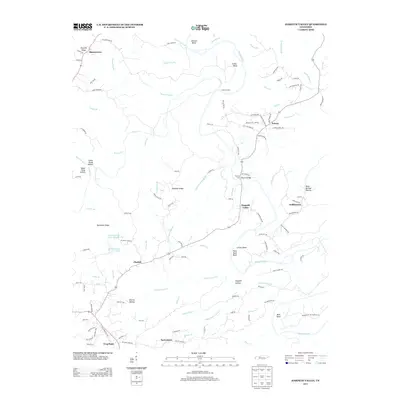 2013 Harpeth Valley2013 Print · USGSThe rural Tennessee river country is captured here in the early 21st century, centered on the winding Harpeth River. Researchers can trace the layout of small settlements like Petway and Claylick or locate historic river crossings at Anderson Ford and Petway Ford.
 - 2013 Map of White Bluff, 2013 Print
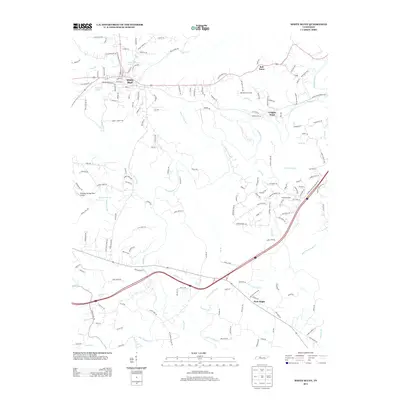 2013 White Bluff2013 Print · USGSThe hills of Tennessee near White Bluff are captured here in the early twenty-first century, showing a landscape carved by the Harpeth River. Genealogists and local historians can trace family-named routes and find settlements like Bell Town, Craggie Hope, and New Hope.
 - 2013 Map of Burns, 2013 Print
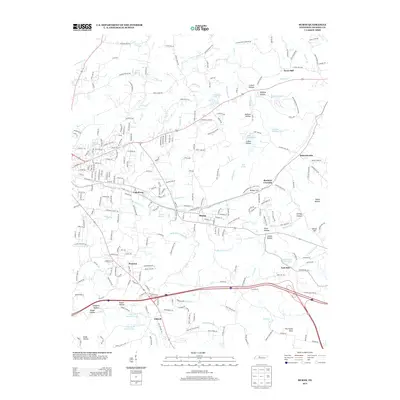 2013 Burns2013 Print · USGSMid-century Tennessee life and rural landscapes are documented here just as the highway network expanded through Dickson County. Researchers can trace family roots through Clifton Cemetery Rd or explore legacy sites like Pomona and Montgomery Bell State Park.
 - 2016 Map of Burns, 2016 Print
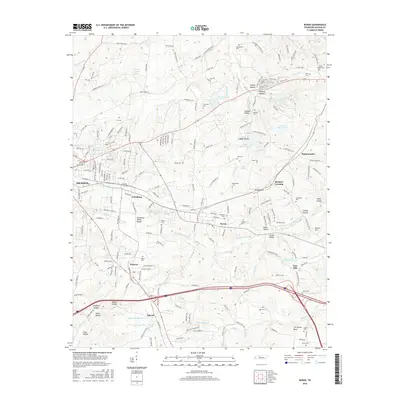 2016 Burns2016 Print · USGSDickson and its surrounding hamlets are captured here during a period of modern growth that respects its rural roots. Researchers can trace family history through numerous remote burial sites like Gillian Chapel Cem or locate old rail points such as Reeders Crossing and Colesburg.
 - 2016 Map of White Bluff, 2016 Print
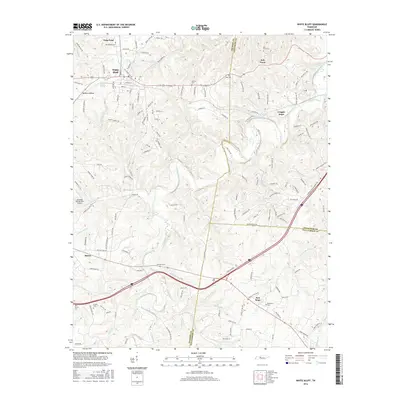 2016 White Bluff2016 Print · USGSThe Tennessee hill country near White Bluff is documented here as a network of creek-side settlements and rural homesteads. Genealogists and local historians can locate several family burial sites like Carothers Cem and Pinkerton Cem or trace the early paths of Old White Bluff Rd.
 - 2016 Map of Harpeth Valley, 2016 Print
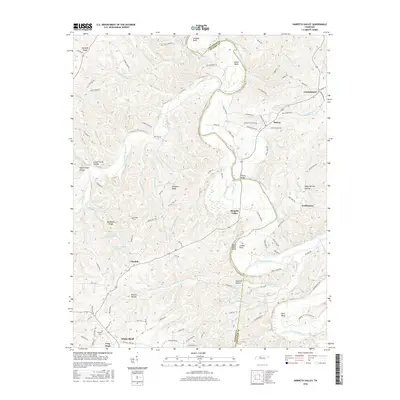 2016 Harpeth Valley2016 Print · USGSMid-Tennessee river country is captured here in the mid-2010s, showing the winding river valley along the Cheatham and Dickson County line. Local historians can trace family sites like Nosegay Cem and Williams Cem or locate the old crossings near Petway Bridge.
 - 2019 Map of Burns, 2019 Print
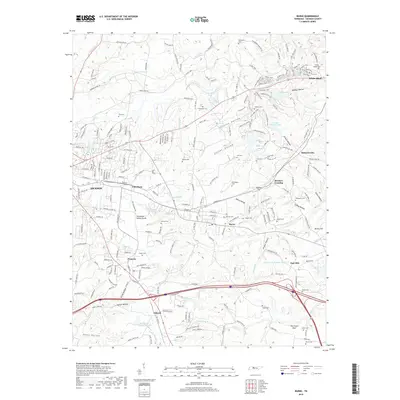 2019 Burns2019 Print · USGSWestern Tennessee's rural landscape is captured here in the years before the 2020s, highlighting the settlements of White Bluff and Burns. Genealogists and historians can trace dozens of family cemeteries like Cox Cem and Dugan Cem or explore the rail history near McNair Cut.
 - 2019 Map of White Bluff, 2019 Print
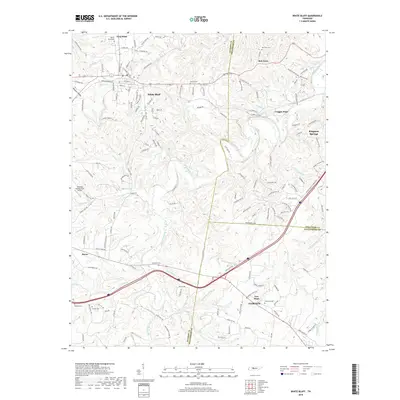 2019 White Bluff2019 Print · USGSIn the hills west of Nashville during the late 2010s, this area shows a landscape defined by the CSX Transportation line and winding creek valleys. Genealogists can locate several key burial sites including Bell Town Cem and Garton Cem near the historic community of White Bluff.
 - 2019 Map of Harpeth Valley, 2019 Print
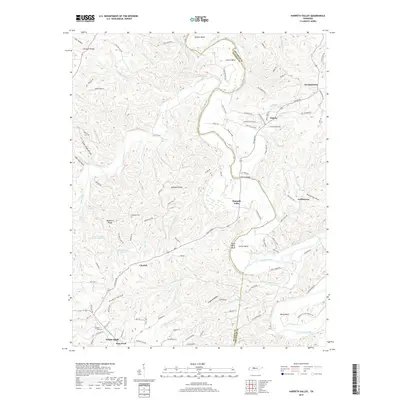 2019 Harpeth Valley2019 Print · USGSModern middle Tennessee meets deep family roots in this 2019 survey of the river country west of Nashville. Genealogists can locate Nosegay Cem and Williams Cem, or trace rural life through old communities like Claylick and Griffintown.
 - 2022 Map of Harpeth Valley, 2022 Print
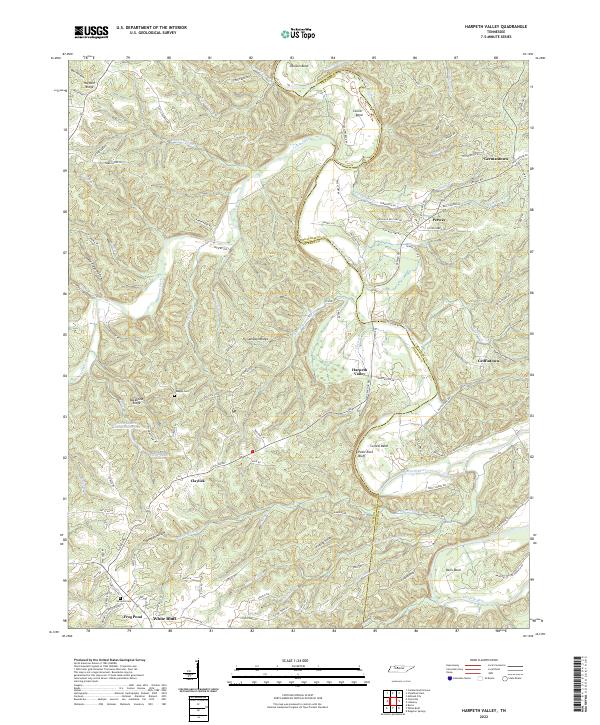 2022 Harpeth Valley2022 Print · USGSThe Harpeth River valley in the early 2020s reveals a landscape of winding watercourses and rural settlements along the Dickson and Cheatham county line. Researchers can locate family landmarks like Nosegay Cem, the community of White Bluff, and the unique Narrows of the Harpeth.
 - 2022 Map of Burns, 2022 Print
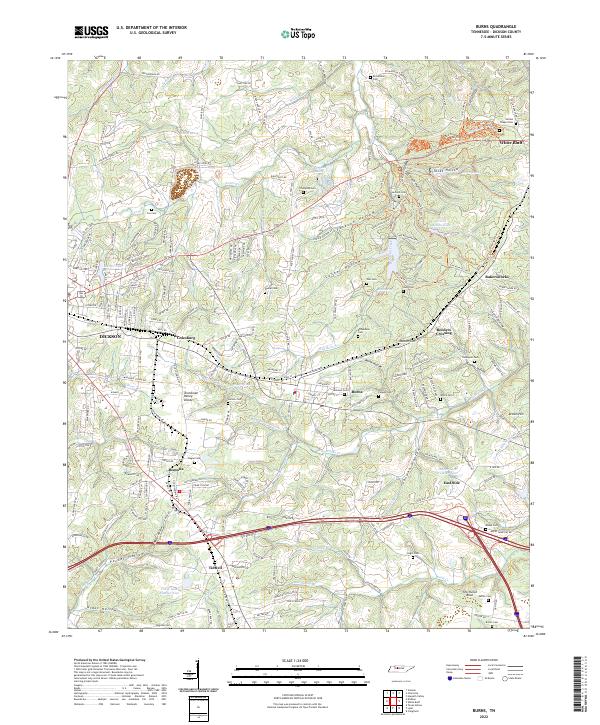 2022 Burns2022 Print · USGSMid-century settlement patterns in Dickson County are clearly etched into this landscape of deep hollows and high divides. Genealogists can trace family roots through numerous sites like Gillian Chapel Cem, Reeders Crossing, and Bakersworks.
 - 2022 Map of White Bluff, 2022 Print
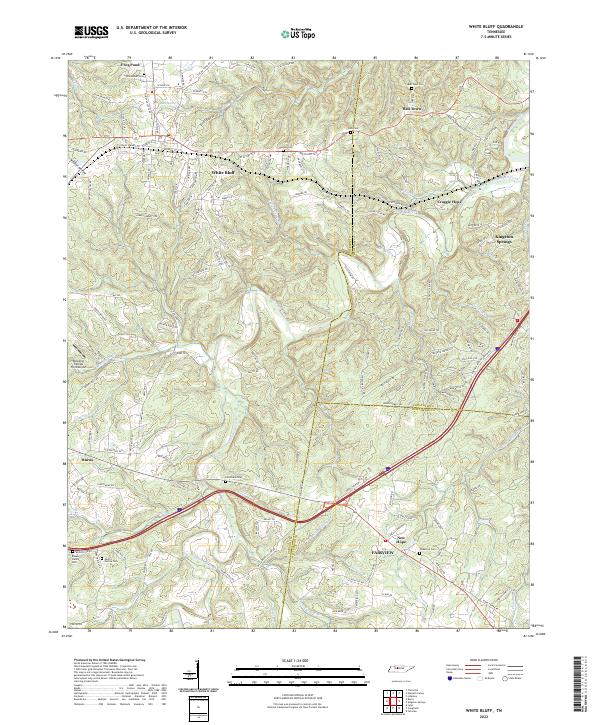 2022 White Bluff2022 Print · USGSThe rural hills of Dickson and Cheatham counties are documented here in the early twenty-first century, showing the established communities of White Bluff and Bell Town. Genealogists can trace local legacies through family landmarks like the Pinkerton Cem, Carothers Cem, and Martin Garton Cem.
End of results
Showing maps 1-24 of 24
Top cities near White Bluff
- Nashville historical maps
- Dickson historical maps
- Fairview historical maps
- Ashland City historical maps
- Kingston Springs historical maps
- Pegram historical maps
See more
Top neighborhoods of White Bluff
Frequently asked questions
- What are the different types of historical maps available for White Bluff?
- What is the oldest map of White Bluff?
- Where can I purchase historical maps of White Bluff for my home or office?
- Where can I download high-res historical maps of White Bluff?
- Are there historical topographic maps available for White Bluff?
- Is there historical aerial imagery available for White Bluff?
- Where are historical maps of White Bluff sourced from?