Old Maps of Dyer County, Tennessee for Hiking & Exploration
Hike through history with 108 historic maps of Dyer County. Explore old trails, ghost towns, and forgotten backroads — perfect for outdoor adventurers and local explorers.
- Rediscover forgotten places: Map out old mining camps, roads, and footpaths that no longer exist on modern maps.
- Layer with modern tools: Combine with LiDAR or satellite views to plan hikes through historical terrain.
- Made for exploration: Popular among hikers, overlanders, and local history lovers.
Use these maps to find adventure and explore the hidden past of Dyer County.
Dyer County, TN maps
(108)- 1939 Map of Dyersburg, 1943 Print
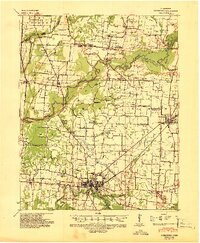 1939 Dyersburg1943 Print · USGSDyer and Obion Counties in the late thirties are shown here as a landscape of river-bottom farms and emerging rail hubs. Genealogists can trace family roots through numerous local landmarks like Springhill Ch & Cem, Viar Sch, and the Illinois Central corridor.2 unique versions available
 - 1939 Map of Hales Point, 1943 Print
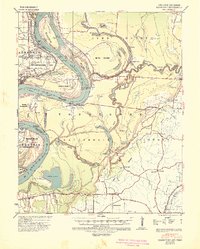 1939 Hales Point1943 Print · USGSThe riverine borders of the Mississippi and Obion Rivers come alive in the late 1930s, showing a landscape of landings, islands, and flood control projects. Genealogists can trace family footprints through sites like Buckner Cem, Hickman, and Henning Grove Ch & Sch.
 - 1939 Map of Caruthersville, 1943 Print
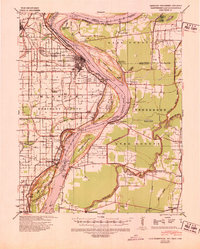 1939 Caruthersville1943 Print · USGSThe Missouri bootheel and Tennessee riverfront are documented here just before the Second World War, showing a landscape defined by the Mississippi's bends. Researchers can trace rural lineages through local landmarks like Mt Olive Ch & Sch, Mengelwood, and the many riverfront schools.2 unique versions available
 - 1939 Map of Halls, 1943 Print
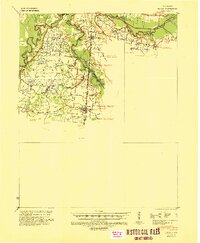 1939 Halls1943 Print · USGSLauderdale and Dyer Counties are mapped here during the late 1930s as the river-and-rail economy shaped West Tennessee life. Genealogists and researchers can trace the rural communities of Unionville, Fowlkes, and Key Corner, alongside landmark sites like Charles Chapel and the Nankipoo Sch.
 - 1951 Map of Caruthersville, 1968 Print
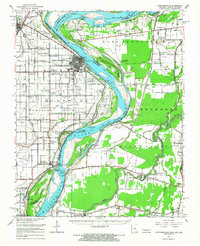 1951 Caruthersville1968 Print · USGSThe Missouri Bootheel meets the Tennessee bottomlands in the early fifties, revealing a landscape of river landings and levee-protected towns. Genealogists can trace family roots through sites like Needmore Cem & Ch, Indian Mound, and the old rail stops of the St Louis Southwestern.
 - 1952 Map of Hales Point
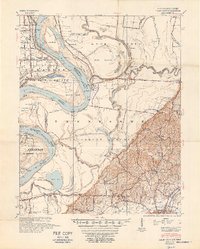 1952 Hales Point1952 Print · USGSThe Mississippi River borderlands of Tennessee and Arkansas are captured here in the early fifties, showing a landscape defined by cut-offs and island formations. Researchers can trace rural life through community landmarks like Walnut Grove Church and Cem, Chic School, and the Needham Cut-Off.4 unique versions available
 - 1952 Map of Bonicord, 1953 Print
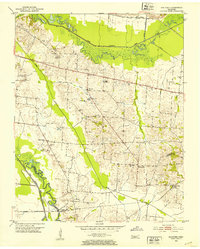 1952 Bonicord1953 Print · USGSDyer and Crockett counties are captured here in the early fifties, showing a rural landscape defined by the river forks and small country crossroads. Genealogists can trace family names through numerous burial sites like St Peter Cem and churches such as Palestine Ch or Zion Hill Ch.2 unique versions available
 - 1952 Map of Newbern, 1953 Print
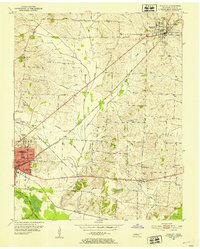 1952 Newbern1953 Print · USGSDyer County is documented in the early 1950s as a thriving rail and agricultural landscape shaped by two major rail lines. Genealogists can locate family landmarks like the Gauldin Cem or Pierce Cem and study rural centers like Newbern and RoEllen.2 unique versions available
 - 1952 Map of Lane, 1953 Print
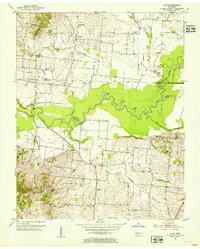 1952 Lane1953 Print · USGSDyer and Obion counties meet along the winding river flats of West Tennessee in the early fifties. Genealogists and historians can trace established rural communities and landmarks like Sharps Ferry, Cloverdale School, and Emmaus Church.2 unique versions available
 - 1952 Map of Dyersburg, 1953 Print
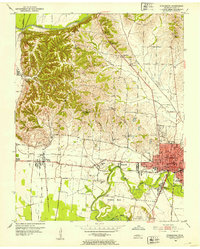 1952 Dyersburg1953 Print · USGSDyer County is seen here during the early fifties, centering on the growing industrial hub of Dyersburg. Genealogists and researchers can trace family landmarks and rural institutions like Neely Chapel Cemetery, Burnt Chapel School, and Big Boy Junction.2 unique versions available
 - 1952 Map of Miston, 1953 Print
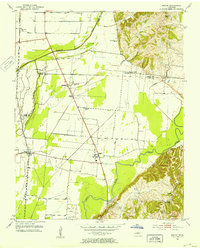 1952 Miston1953 Print · USGSDyer and Lake counties in the early fifties were defined by the winding Obion River and the small hamlets along the Illinois Central tracks. Genealogists can trace family roots through several local landmarks like Horn Ridge Cem, Cunningham Sch, and Bogota.2 unique versions available
 - 1952 Map of Fowlkes, 1954 Print
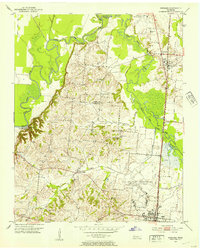 1952 Fowlkes1954 Print · USGSDyer and Lauderdale counties in the early fifties reveal a landscape defined by the winding South Fork Forked Deer River and the Illinois Central rail line. Researchers can trace rural lineages through sites like Williams Chapel, King Cem, and the expansive U S Military Reservation.2 unique versions available
 - 1956 Map of Dyersburg, 1960 Print
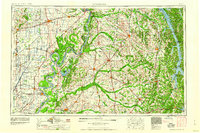 1956 Dyersburg1960 Print · USGSThe Four Rivers region comes alive in the mid-fifties, capturing the intricate borderlands of Tennessee, Kentucky, and Missouri. Genealogists and historians can trace the rail-and-river networks connecting Dyersburg, Caruthersville, and the shoreline of Reelfoot Lake.4 unique versions available
 - 1956 Map of Blytheville, 1964 Print
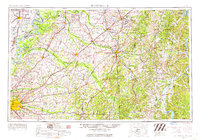 1956 Blytheville1964 Print · USGSWest Tennessee and the Arkansas Delta come alive in this mid-century survey of the river-and-rail corridor connecting Memphis to Jackson. Genealogists and historians can trace the rail lines of the Louisville and Nashville RR and locate landmarks like Western State Hospital or Fort Pillow State Prison Farm.2 unique versions available
 - 1957 Map of Caruthersville
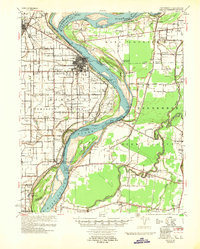 1957 Caruthersville1957 Print · USGSThe Mississippi River floodplain comes alive in the mid-1950s, detailing a landscape of revetments, dikes, and river landings. Genealogists can trace family roots through numerous rural landmarks like Speers Cem & Ch, Kinfolk Ridge, and Needmore.
 - 1959 Map of Blytheville
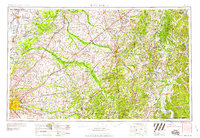 1959 Blytheville1959 Print · USGSWest Tennessee and Northeast Arkansas meet along the river in the late fifties, during a period of steady industrial and agricultural growth. Genealogists can trace the rail corridors of the Illinois Central through Jackson or explore landmarks like Shiloh National Military Park and Fort Pillow State Prison.
 - 1961 Map of Hales Point, 1963 Print
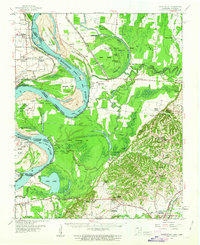 1961 Hales Point1963 Print · USGSThe Tennessee-Arkansas river borderland is captured here in the early sixties, showing the complex hydrology of the Mississippi River. Researchers can trace old community foundations and rural heritage through landmarks like Henning Grove Ch & Sch, Ashport Cem, and Hales Point.2 unique versions available
 - 1961 Map of Halls, 1965 Print
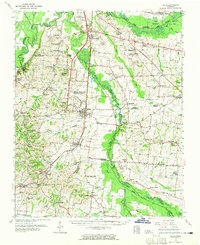 1961 Halls1965 Print · USGSLauderdale and Dyer counties are shown in the early sixties as the West Tennessee landscape hummed with activity along the Illinois Central tracks. Researchers can trace rural lineages through dozens of named sites like Miller Chapel Cem, Benton Sch, and the U. S. Military Reservation.
 - 1961 Map of Dyersburg, 1965 Print
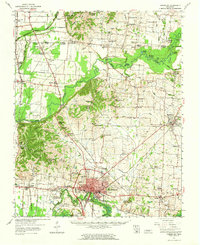 1961 Dyersburg1965 Print · USGSDyer County at the start of the sixties reveals a thriving rail-and-river hub centered on the growing city of Dyersburg. Researchers can trace family roots through numerous rural landmarks like Bruces Chapel, Cloverdale Sch, and the Newbern Cem.
 - 1962 Map of Hales Point
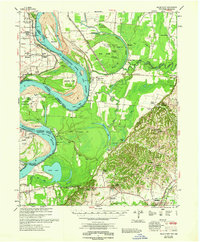 1962 Hales Point1962 Print · USGSThe Tennessee-Arkansas borderlands come alive in the early sixties as the Mississippi River carves through Lauderdale County. Researchers can trace family roots at St Luke Cem, locate the Matthews Ch & Sch, or explore the riverfront at Hales Point.
 - 1965 Map of Trimble, 1967 Print
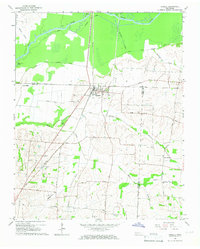 1965 Trimble1967 Print · USGSThe Dyer and Obion County line in the mid-1960s shows a landscape of river-bottom drainage and rail-side commerce. Genealogists can trace family names at Pierce Cem and McCorkle Cem or locate rural centers like Harmony Ch and Templeton.2 unique versions available
 - 1965 Map of Friendship, 1967 Print
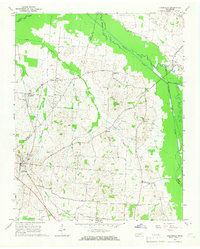 1965 Friendship1967 Print · USGSCrockett County farm life and river-bottom landscapes are captured here in the mid-1960s. Genealogists can trace family connections through rural landmarks like Bethesda Ch, the rail siding at Tigrett, and the settlement of Elizabeth.2 unique versions available
 - 1965 Map of Tatumville, 1967 Print
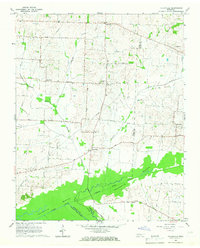 1965 Tatumville1967 Print · USGSDyer and Gibson Counties are shown here during the mid-1960s, defined by the winding course of the Forked Deer River. Researchers can trace ancestral locations near Tatumville, Churchton, and Atkins Cem, or locate rural churches such as Mt Tirzah Ch.2 unique versions available
 - 1971 Map of Caruthersville SE, 1972 Print
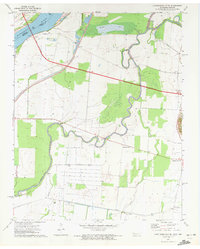 1971 Caruthersville SE1972 Print · USGSThe Mississippi River bottomlands of Dyer County come to life in this early 1970s survey of the Tennessee-Missouri border. Researchers can trace the rural landscape through family-centric hubs like Boothspoint, Mengelwood, and the Emmanuel Ch cemetery and church site.2 unique versions available
 - 1971 Map of Tennemo, 1972 Print
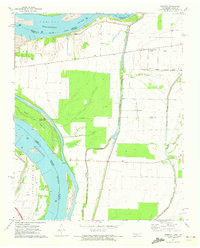 1971 Tennemo1972 Print · USGSThe Mississippi River bottoms of Lake County come into focus during the early 1970s, showing a landscape defined by levees and drainage bayous. Researchers can trace the layout of riverside hamlets like Tennemo and Owl Hoot, or locate the Cottonwood Ch near the Tennessee-Missouri border.2 unique versions available
Showing maps 1-25 of 108
Top cities of Dyer County
Frequently asked questions
- What are the different types of historical maps available for Dyer County?
- What is the oldest map of Dyer County?
- Where can I purchase historical maps of Dyer County for my home or office?
- Where can I download high-res historical maps of Dyer County?
- Are there historical topographic maps available for Dyer County?
- Is there historical aerial imagery available for Dyer County?
- Where are historical maps of Dyer County sourced from?