2000s (21st Century) Maps of Dyer County, Tennessee
Explore 75 historic maps of Dyer County from the 2000s (21st Century). These maps offer a rare glimpse into what life looked like during the 2000s — showing old roads, neighborhoods, homes, and landmarks that have changed or disappeared over time.
Whether you're researching your family's past, planning a metal detecting trip, or studying how Dyer County's landscape evolved across the 2000s, these high-resolution maps are a powerful tool for exploring the history of this region.
- Focus on a specific era: All maps on this page are from the 2000s, giving you a focused view of this time period.
- See what’s changed: Compare century-old streets, trails, and buildings to today's modern landscape using overlays and satellite layers.
- Research with precision: Use these maps for genealogy, historical research, land use analysis, or educational projects.
- View, download, or print: Maps are fully viewable online in high resolution, and can be downloaded or printed for your own records.
Start exploring Dyer County's history through authentic maps from the 2000s. This is your window into the past.
Dyer County, TN maps
(75)- 2010 Map of Fowlkes, 2010 Print
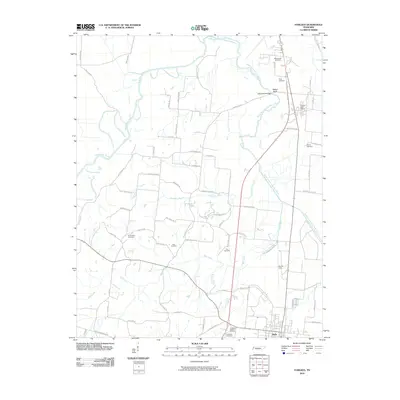 2010 Fowlkes2010 Print · USGSThe West Tennessee bottomlands near Halls appear here in the early twenty-first century as a landscape of rural crossroads and river bends. Genealogists can locate several family burial grounds, including King Cemetery, McCoy Cemetery, and the Parr Cemetery.
 - 2010 Map of Bonicord, 2010 Print
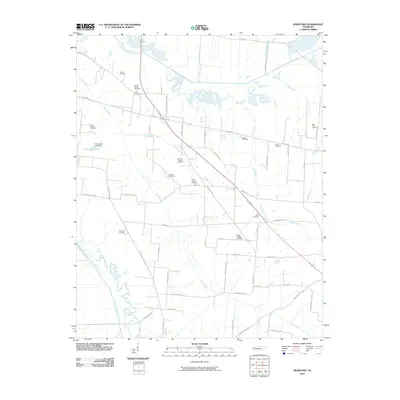 2010 Bonicord2010 Print · USGSCrockett County at the turn of the decade is a landscape defined by the winding paths of the North Fork Forked Deer River and South Fork Forked Deer River. Genealogists can trace family heritage through over a dozen local sites like Williams Chapel Cemetery, Saint Peter Cemetery, and Palestine Cemetery.
 - 2010 Map of Friendship, 2010 Print
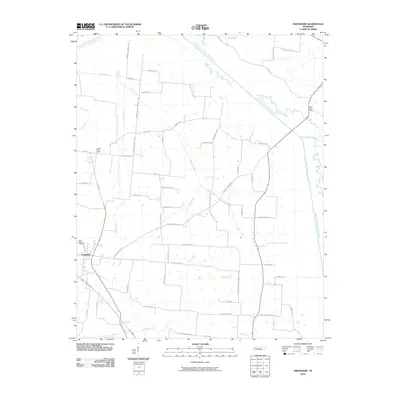 2010 Friendship2010 Print · USGSFriendship and its surrounding Tennessee farmsteads are mapped here at the turn of the twenty-first century as they border the Forked Deer River forks. Genealogists can trace family lands near Belle Vernon Cemetery, Tigrett Post Office, and the winding Odell Creek.
 - 2010 Map of Knob Creek, 2010 Print
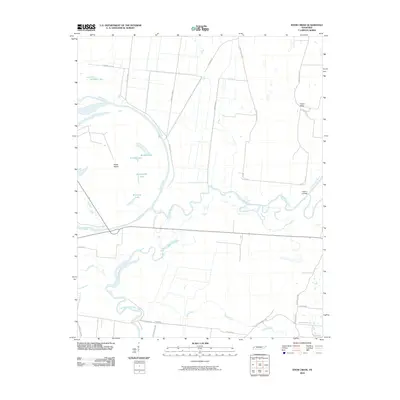 2010 Knob Creek2010 Print · USGSLauderdale County's river-bottom lands are mapped here in the decade following the millennium, showing where the rivers meet. Researchers can trace local landmarks like Hickory Landing or family-named routes such as Miss Kelly Loop and Dee Webb Rd.
 - 2010 Map of Tennemo, 2010 Print
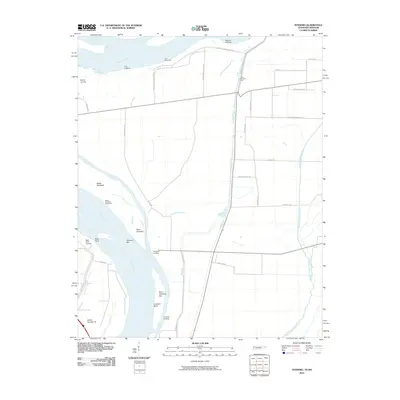 2010 Tennemo2010 Print · USGSIn the early twenty-first century, the Tennessee-Missouri borderlands remained a landscape defined by the shifting currents of the great river. Genealogists and river historians can trace the locations of old shoreline hubs like Tennemo Landing, Bells Point Landing, and Island Number 16.
 - 2010 Map of Trimble, 2010 Print
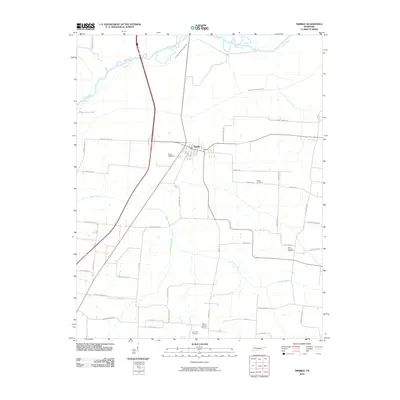 2010 Trimble2010 Print · USGSThe Northwest Tennessee landscape near the start of the new millennium is defined here by the town of Trimble and the managed waters of the Obion River. Genealogists can locate several local landmarks, including Pierce Cemetery, Cool Springs Cemetery, and McCorkle Cemetery.
 - 2010 Map of Caruthersville, 2010 Print
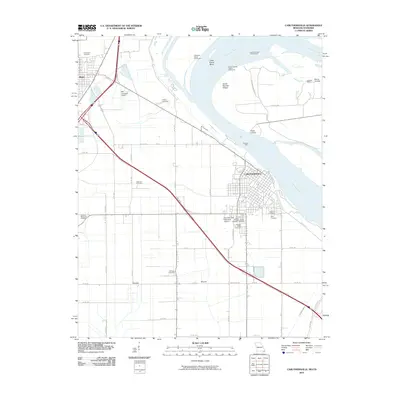 2010 Caruthersville2010 Print · USGSIn the Missouri Bootheel during the early 21st century, Caruthersville serves as a vital river port along the Mississippi River. Genealogists and local historians can trace family burial sites at Little Prairie Cemetery or Patterson Cemetery, and locate river landmarks like Powells Ferry.
 - 2010 Map of Caruthersville SE, 2010 Print
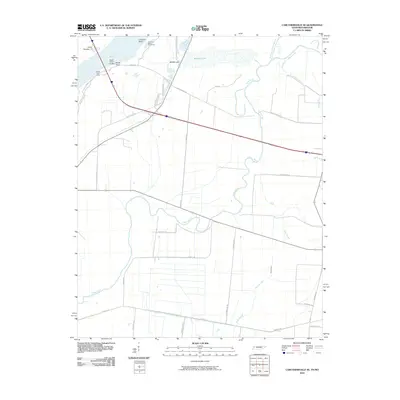 2010 Caruthersville SE2010 Print · USGSThe Tennessee-Missouri borderlands along the Mississippi River are shown here in the early twenty-first century, defined by dynamic waterways and river engineering. Genealogists and local historians can trace family-named routes and river features like Booth Point Landing, Island Number 17, and Yarbro Rd.
 - 2010 Map of Dyersburg, 2010 Print
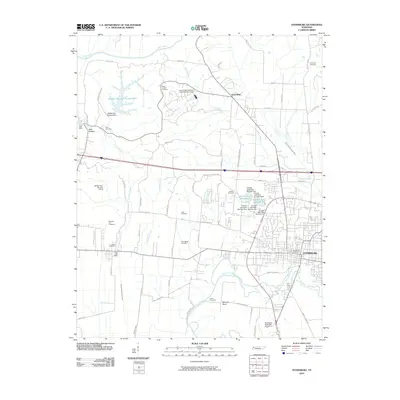 2010 Dyersburg2010 Print · USGSDyersburg and the surrounding bottomlands of the Forked Deer River are shown here in the early twenty-first century. Family history researchers can locate several rural landmarks including the Finley Post Office and Neely Chapel Cemetery.
 - 2010 Map of Newbern, 2010 Print
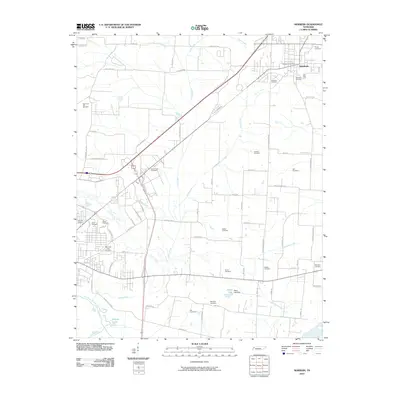 2010 Newbern2010 Print · USGSIn the early twenty-first century, western Tennessee’s rural character and family history remain deeply etched into the landscape around Newbern. Genealogists and historians can trace dozens of local burial sites like Gauldin Cemetery, Self Cemetery, and Viar Cemetery tucked among the creeks.
 - 2010 Map of Lane, 2010 Print
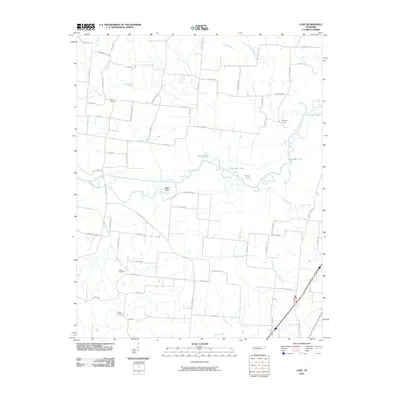 2010 Lane2010 Print · USGSDyer County is defined by the winding waters of the Obion River and its sprawling wetlands in the early twenty-first century. Genealogists can trace family heritage through landmarks like Zion Cemetery, Sharps Ferry, and the many family-named roads.
 - 2010 Map of Miston, 2010 Print
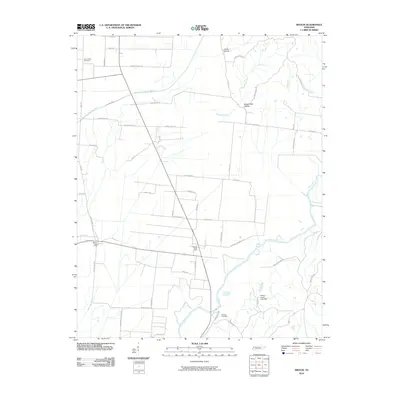 2010 Miston2010 Print · USGSNorthwestern Tennessee was a landscape of bayous and river bottoms at the start of the twenty-first century. Genealogists and researchers can trace the rural pulse of Lake and Dyer counties through the Miston Post Office, Horn Ridge Cemetery, and the Obion River crossings.
 - 2010 Map of Tatumville, 2010 Print
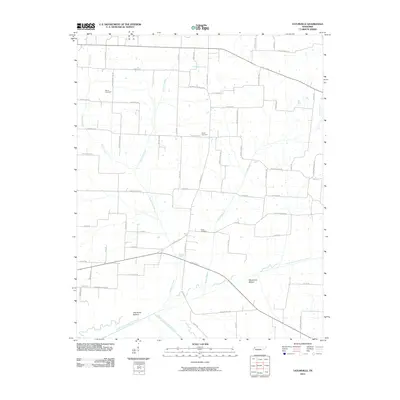 2010 Tatumville2010 Print · USGSDyer County in the early twenty-first century reveals a landscape of family-named roads and river bottoms. Genealogists can locate family landmarks such as Atkins Cemetery or Shaw Cemetery and trace the drainage of Doakville Creek toward the river forks.
 - 2011 Map of Chic, 2011 Print
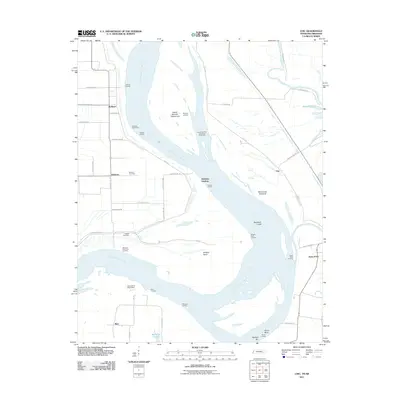 2011 Chic2011 Print · USGSThe Tennessee and Arkansas riverlands are captured here in the early twenty-first century, showing a landscape shaped by the Mississippi River. Researchers can trace old family names and sites like Buckner Cemetery, Hales Point, and the Needham Cutoff.
 - 2011 Map of Cottonwood Point, 2011 Print
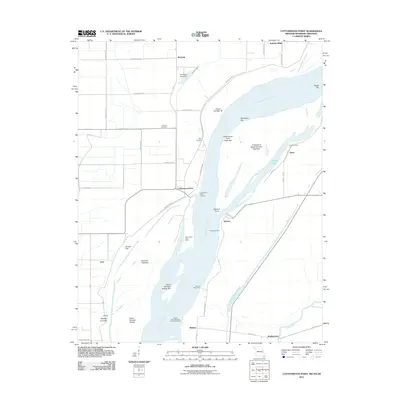 2011 Cottonwood Point2011 Print · USGSThe tri-state riverlands of Missouri, Tennessee, and Arkansas are shown here during the early twenty-first century as the Mississippi continues to shape the local geography. Researchers can trace riverside heritage at Cottonwood Point, locate the Taylor Cemetery, and explore historic water access points like Ayers Landing.
 - 2012 Map of Caruthersville, 2012 Print
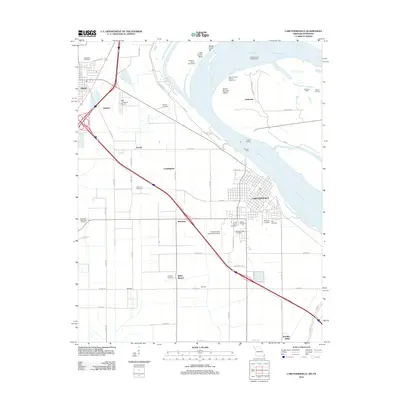 2012 Caruthersville2012 Print · USGSThe Missouri Bootheel near the Mississippi River comes into focus during the early twenty-first century, showing a landscape of river engineering and ancestral sites. Researchers can trace family names at Morgan Ridge Cemetery or investigate local landmarks like Kinfolks Ridge and the Indian Mound.
 - 2012 Map of Cottonwood Point, 2012 Print
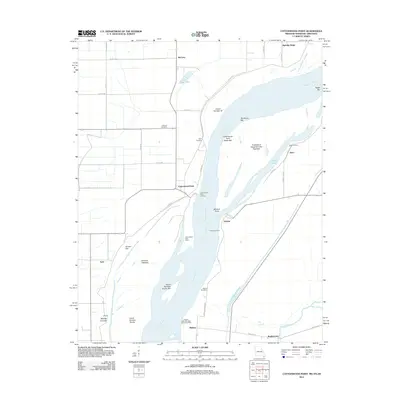 2012 Cottonwood Point2012 Print · USGSThe tri-state riverlands of Tennessee, Missouri, and Arkansas are shown here in the early twenty-first century, centered on the shifting bends of the Mississippi River. Researchers can trace old family burial grounds at Hickman Cemetery and riverfront heritage at Cottonwood Point Landing and Heloise.
 - 2013 Map of Tatumville, 2013 Print
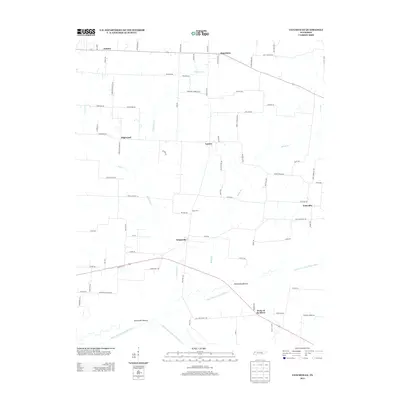 2013 Tatumville2013 Print · USGSDyer County's river-bottom lands are captured here in the early 21st century as the agricultural landscape remains tied to the Forked Deer River system. Genealogists and local historians can trace family-named routes like Adkins Cemetery Rd and locate rural hubs such as Tatumville and Neboville.
 - 2013 Map of Miston, 2013 Print
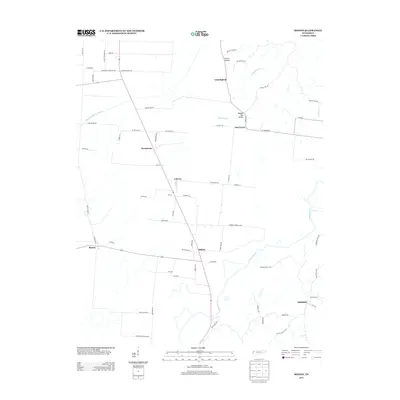 2013 Miston2013 Print · USGSNorthwest Tennessee’s river bottomlands are captured in this recent survey, showing the rural communities between the Obion River and Horn Ridge. Genealogists can trace family-named roads and locate the centers of Miston, Bogota, and Millsfield.
 - 2013 Map of Lane, 2013 Print
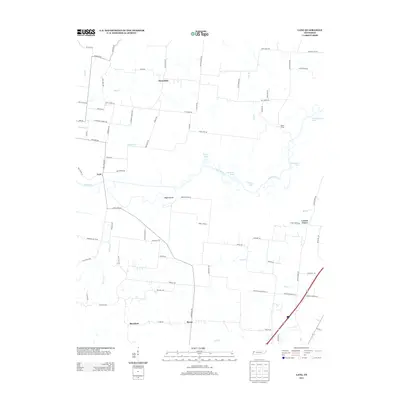 2013 Lane2013 Print · USGSWest Tennessee river life is centered on the bottomlands of the Obion River in this early 21st-century record. Genealogists and local historians can trace family land via roads like Phillips Rd and locate historic river crossings at Sharps Ferry and Lane.
 - 2013 Map of Trimble, 2013 Print
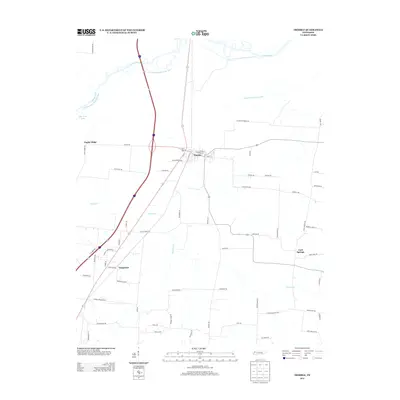 2013 Trimble2013 Print · USGSThe Dyer County countryside near the Obion River comes into focus in this early 21st-century record of rural West Tennessee. Researchers can trace land patterns and local roads connecting Trimble, Templeton, and the waters of the Old Obion River Drainage Canal.
 - 2013 Map of Tennemo, 2013 Print
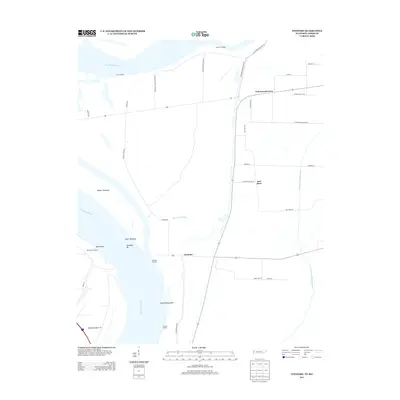 2013 Tennemo2013 Print · USGSThe West Tennessee riverfront and the community of Tennemo are captured here in the early twenty-first century. Genealogists and local historians can trace the network of old river landings and bayous, including Tennemo Landing, Owl Hoot, and Blue Bank Bayou.
 - 2013 Map of Newbern, 2013 Print
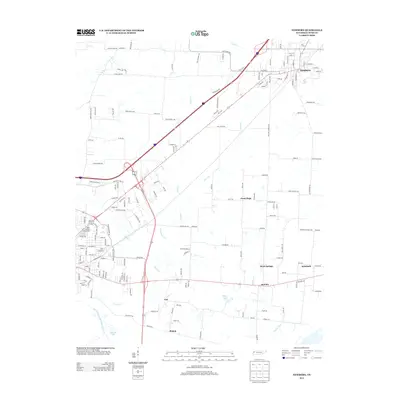 2013 Newbern2013 Print · USGSNorthwest Tennessee's agricultural heartland is documented here in the early twenty-first century, centered on the growing town of Newbern. Local historians can trace established settlements like Roellen and Rehoboth, or locate landmarks such as the Dyer County Fairgrounds.
 - 2013 Map of Caruthersville SE, 2013 Print
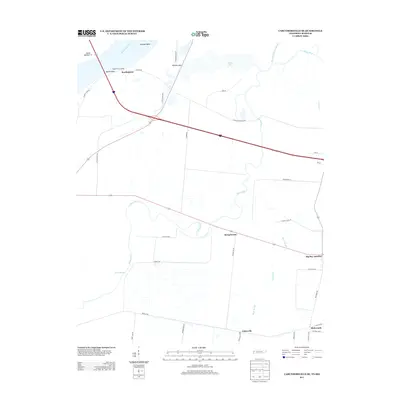 2013 Caruthersville SE2013 Print · USGSThe Mississippi River bottomlands in Dyer County come to life in this early twenty-first-century survey. Genealogists and local historians can trace the roads and waterways connecting riverfront settlements like Boothpoint to inland communities such as Mengelwood and Tylersville.
 - 2013 Map of Dyersburg, 2013 Print
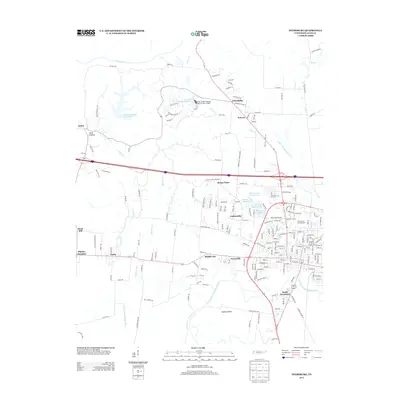 2013 Dyersburg2013 Print · USGSDyer County at the start of the 2010s shows a landscape defined by its river bends and expanding local hubs. Researchers can trace family-named roads and rural settlements like Finley, Big Boy Junction, and the riverside terrain of Samaria Bend.
Showing maps 1-25 of 75
Top cities of Dyer County
Frequently asked questions
- What are the different types of historical maps available for Dyer County?
- What is the oldest map of Dyer County?
- Where can I purchase historical maps of Dyer County for my home or office?
- Where can I download high-res historical maps of Dyer County?
- Are there historical topographic maps available for Dyer County?
- Is there historical aerial imagery available for Dyer County?
- Where are historical maps of Dyer County sourced from?