1900s (20th Century) Maps of Greenback, Tennessee
Explore 12 historic maps of Greenback from the 1900s (20th Century). These maps offer a rare glimpse into what life looked like during the 1900s — showing old roads, neighborhoods, homes, and landmarks that have changed or disappeared over time.
Whether you're researching your family's past, planning a metal detecting trip, or studying how Greenback's landscape evolved across the 1900s, these high-resolution maps are a powerful tool for exploring the history of this region.
- Focus on a specific era: All maps on this page are from the 1900s, giving you a focused view of this time period.
- See what’s changed: Compare century-old streets, trails, and buildings to today's modern landscape using overlays and satellite layers.
- Research with precision: Use these maps for genealogy, historical research, land use analysis, or educational projects.
- View, download, or print: Maps are fully viewable online in high resolution, and can be downloaded or printed for your own records.
Start exploring Greenback's history through authentic maps from the 1900s. This is your window into the past.
Greenback, TN maps
(12)- 1935 Map of Meadow
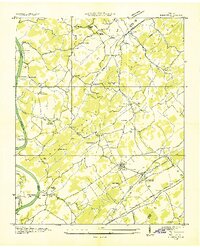 1935 Meadow1935 Print · USGSThe Little Tennessee River riverfront was still defined by historic crossings in the mid-1930s before modern bridges changed the landscape. You can trace early family landholdings and community sites like Morganton Ferry, Unitia Sch, and Greenback.
 - 1935 Map of Vonore
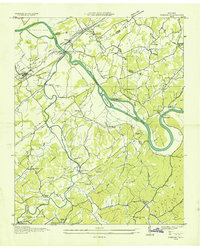 1935 Vonore1935 Print · USGSThe river valleys of eastern Tennessee are captured here in the mid-1930s, showing the early infrastructure of Monroe and Loudon counties. Genealogists can trace family landmarks like Bacon Ferry, the Fort Loudoun Monument, and Trigonia Sch.
 - 1940 Map of Meadow
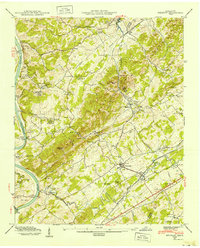 1940 Meadow1940 Print · USGSLoudon and Blount Counties appear here in the early 1940s, just as the local river-and-rail economy defined daily life. Genealogists and researchers can trace historic river crossings like Morganton Ferry or find rural landmarks like Axley Chapel and Greenback.
 - 1941 Map of Vonore, 1960 Print
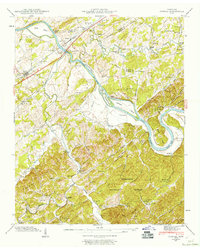 1941 Vonore1960 Print · USGSThe Little Tennessee River valley comes alive in the early 1940s, showing a landscape of ferry crossings and river islands before modern flooding. Researchers can trace family roots through Toqua Sch, Bacon Ferry, and landmarks like Fort Loudon.5 unique versions available
 - 1942 Map of Vonore
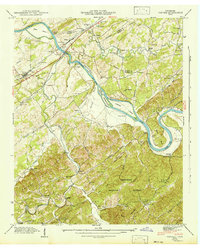 1942 Vonore1942 Print · USGSMonroe County's river valleys are shown here in the early 1940s, just as the Tennessee Valley Authority was reshaping the region's waters. Genealogists can trace family footprints at Shaddon Mill, Montgomery Cem, and the old river crossing at Bacon Ferry.
 - 1952 Map of Meadow, 1954 Print
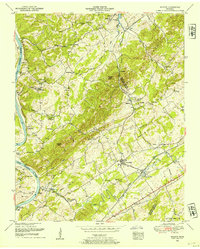 1952 Meadow1954 Print · USGSThe river valleys of East Tennessee are captured here in the early fifties, showing a landscape defined by ferry crossings and hilltop family cemeteries. Trace historic sites like the National Camp Ground, the settlement of Morganton, and the LOUISVILLE AND NASHVILLE rail line.3 unique versions available
 - 1953 Map of Chattanooga
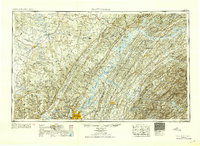 1953 Chattanooga1953 Print · USGSSoutheast Tennessee in the early fifties shows a landscape reshaped by river management and rail power. Trace the rail lines of the Southern Ry through riverside towns or locate the preserved grounds of the Chickamauga and Chattanooga National Military Park.
 - 1957 Map of Chattanooga, 1966 Print
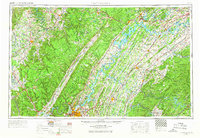 1957 Chattanooga1966 Print · USGSEast Tennessee in the mid-1960s shows a landscape of massive hydroelectric reservoirs and emerging industrial sites like the Atomic Energy Commission (Oak Ridge Area). Trace the rail networks of the Southern Ry through Chattanooga or locate family-named ridges across the Cumberland Plateau.3 unique versions available
 - 1959 Map of Chattanooga
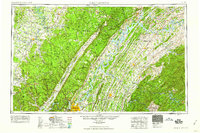 1959 Chattanooga1959 Print · USGSSoutheast Tennessee is shown here during a decade of industrial growth and hydroelectric development. Trace the regional rail networks of the Southern Ry and find landmark sites like Lookout Mountain, Fall Creek Falls State Park, and Chattanooga.
 - 1960 Map of Chattanooga
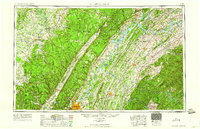 1960 Chattanooga1960 Print · USGSSoutheast Tennessee and the southern Appalachians are shown here at the height of the river-management era. You can trace the valley rail lines and locate Lookout Mountain and the expansive waters of Chickamauga Reservoir.
 - 1964 Map of Chattanooga
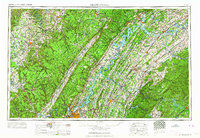 1964 Chattanooga1964 Print · USGSSoutheast Tennessee and the western Carolinas appear in the mid-sixties as a powerhouse of river-driven industry and mountain wilderness. Genealogists and historians can trace rail-town lineages along the Southern Ry or locate family landmarks near Watts Bar Lake and Tellico Plains.
 - 1981 Map of Watts Bar Lake, 1984 Print
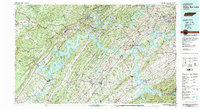 1981 Watts Bar Lake1984 Print · USGSEast Tennessee's river valleys and industrial corridors are captured here during the expansion of the TVA power system in the early eighties. Researchers can trace the legacy of the Southern Railway and the development of Watts Bar Lake and Tellico Lake.2 unique versions available
End of results
Showing maps 1-12 of 12
Top cities near Greenback
- Knoxville historical maps
- Maryville historical maps
- Farragut historical maps
- Alcoa historical maps
- Lenoir City historical maps
- Tellico Village historical maps
See more
Top neighborhoods of Greenback
Frequently asked questions
- What are the different types of historical maps available for Greenback?
- What is the oldest map of Greenback?
- Where can I purchase historical maps of Greenback for my home or office?
- Where can I download high-res historical maps of Greenback?
- Are there historical topographic maps available for Greenback?
- Is there historical aerial imagery available for Greenback?
- Where are historical maps of Greenback sourced from?