Old Maps of Lafayette, Tennessee for Hiking & Exploration
Hike through history with 36 historic maps of Lafayette. Explore old trails, ghost towns, and forgotten backroads — perfect for outdoor adventurers and local explorers.
- Rediscover forgotten places: Map out old mining camps, roads, and footpaths that no longer exist on modern maps.
- Layer with modern tools: Combine with LiDAR or satellite views to plan hikes through historical terrain.
- Made for exploration: Popular among hikers, overlanders, and local history lovers.
Use these maps to find adventure and explore the hidden past of Lafayette.
Lafayette, TN maps
(36)- 1931 Map of Lafayette
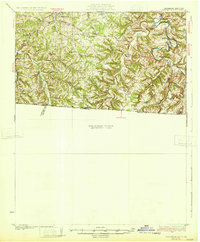 1931 Lafayette1931 Print · USGSThe Kentucky and Tennessee borderlands in the late twenties were a network of tight-knit rural communities connected by winding river hollows. Genealogists and local historians can trace family roots through numerous small landmarks like Austin Sch, Mt Zion Ch, and the settlement of Holland.2 unique versions available
 - 1931 Map of Red Boiling Springs
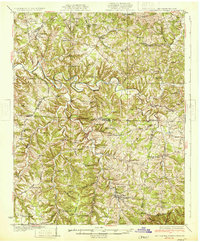 1931 Red Boiling Springs1931 Print · USGSCrossing the state line during the late twenties, this survey captures a landscape of ridge-top schools and creek-side settlements. Genealogists can trace family footprints through numerous rural landmarks like Sadlers Chapel, Akersville, and Hermitage Springs PO.3 unique versions available
 - 1932 Map of Carthage
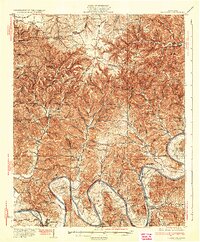 1932 Carthage1932 Print · USGSNorth Central Tennessee comes alive in the early 1930s as the Cumberland River winds past the county seat of Carthage. Genealogists and researchers can trace family roots through numerous country schools and landmarks like Holliman Ferry and Difficult.3 unique versions available
 - 1956 Map of Corbin, 1966 Print
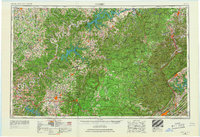 1956 Corbin1966 Print · USGSThe Kentucky and Tennessee borderlands are captured here in the mid-fifties, showing the region's shift toward modern interstate travel and reservoir development. Genealogists and historians can trace old community lines near Albany and Monticello or locate early rail junctions along the Southern and Tennessee Central lines.3 unique versions available
 - 1956 Map of Nashville, 1971 Print
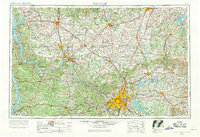 1956 Nashville1971 Print · USGSThe Tennessee-Kentucky borderlands come into focus in the mid-1960s as major reservoir projects transformed the Cumberland and Tennessee river valleys. Researchers can trace the rail networks of the Louisville and Nashville and visit sites like Fort Campbell and Fort Donelson National Military Park.2 unique versions available
 - 1958 Map of Corbin
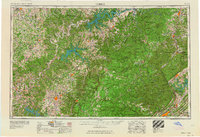 1958 Corbin1958 Print · USGSThe Upper Cumberland borderlands appear in the late 1950s as massive reservoirs and early atomic-era growth reshape the region. Trace family roots and vanished landmarks near Lake Cumberland, Oak Ridge, and the Cumberland National Forest.
 - 1958 Map of Lafayette, 1959 Print
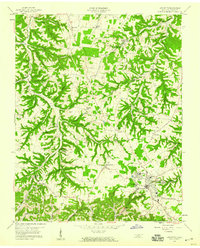 1958 Lafayette1959 Print · USGSMacon County in the late fifties was a landscape of deep hollows and family homesteads centered on the growing hub of Lafayette. Genealogists and researchers can locate old landmarks like New Bethel Ch, the Orphanage, and the Drive-in Theater.3 unique versions available
 - 1959 Map of Nashville
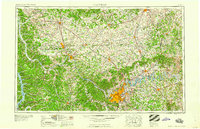 1959 Nashville1959 Print · USGSMiddle Tennessee and Southern Kentucky come into focus during the late fifties, showing the region's transition into a modern transportation and military hub. Researchers can trace the sprawling Fort Campbell Military Reservation or locate historic rail stops along the Tennessee Central Ry and Illinois Central RR.
 - 1959 Map of Hillsdale, 1960 Print
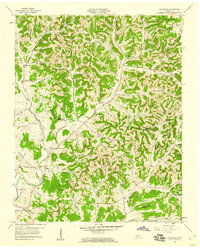 1959 Hillsdale1960 Print · USGSMacon and Trousdale counties come into focus during the late fifties, showcasing a rural Tennessee landscape defined by narrow hollows and ridge-top roads. Genealogists can trace family names through dozens of landmarks like Wilburn Cem, Stafford Cem, and the community of New Harmony.2 unique versions available
 - 1968 Map of Pleasant Shade, 1970 Print
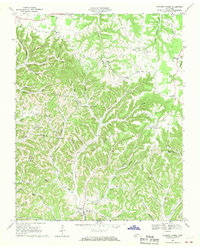 1968 Pleasant Shade1970 Print · USGSUpper Middle Tennessee in the late sixties reveals a landscape of family-run farms and ridge-top communities at the junction of Macon and Smith counties. Genealogists can trace family names through landmarks like Butler Cem, Ebenezer Ch, and the small settlement of Pleasant Shade.2 unique versions available
 - 1969 Map of Galen, 1971 Print
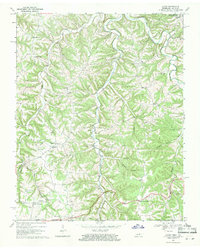 1969 Galen1971 Print · USGSThe Tennessee-Kentucky borderlands in the late sixties featured a dense network of hollows and family-named landmarks. Trace the history of rural communities like Sycamore Valley or Bugtussle and locate old sites like Morgan Cem and Enon Sch.2 unique versions available
 - 1982 Map of Cookeville, 1983 Print
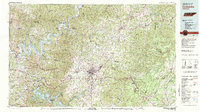 1982 Cookeville1983 Print · USGSThe Upper Cumberland region comes into focus during the early eighties as Cookeville and its surrounding counties adapt to new reservoirs and highways. Researchers can trace the Louisville and Nashville rail line and locate landmarks like Tennessee Technological University and Standing Stone State Forest.
 - 1984 Map of Nashville, 1985 Print
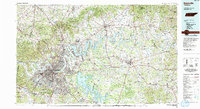 1984 Nashville1985 Print · USGSMiddle Tennessee in the mid-1980s reveals a region balancing urban expansion with its deep river-valley roots. Genealogists and historians can trace family locations near Old Hickory Lake, explore the grounds of Vanderbilt University, or locate ancestral sites like Greenwood Cem.
 - 1985 Map of Bowling Green
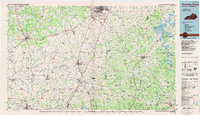 1985 Bowling Green1985 Print · USGSThe rolling borderlands of Kentucky and Tennessee are captured here in the mid-eighties, showing a landscape shaped by the Barren River and deep-rooted rail networks. Genealogists and researchers can trace local landmarks like Prices Mill, Highland Academy, and Green Lawn Cem.3 unique versions available
 - 1985 Map of Tompkinsville, 1986 Print
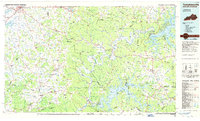 1985 Tompkinsville1986 Print · USGSThe Kentucky-Tennessee borderlands come into focus in the mid-1980s, showcasing a landscape of river-fed valleys and rural crossroads. Genealogists and local historians can trace family locations from Glasgow and Edmonton to the distinctively named Eighty Eight, Bugtussle, and Akersville.2 unique versions available
 - 1994 Map of Hillsdale, 1997 Print
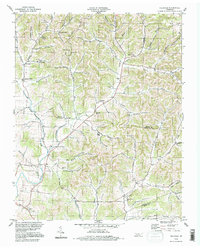 1994 Hillsdale1997 Print · USGSThe rural borders of Macon and Trousdale counties come into focus in the mid-1990s, revealing a landscape of family-named hollows and ridge-top settlements. Genealogists and local researchers can trace historic community hubs like Hillsdale, Horsleys, and Beech Hill alongside numerous unnamed cemeteries and local landmarks.
 - 2010 Map of Lafayette, 2010 Print
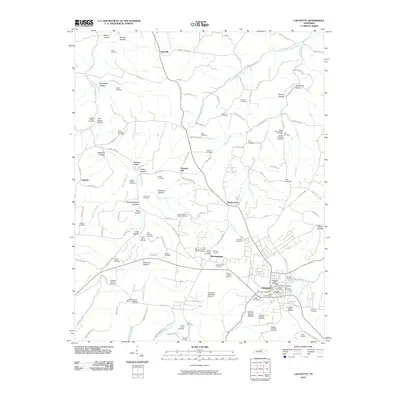 2010 Lafayette2010 Print · USGSLafayette and the surrounding Macon County countryside are captured here in the early twenty-first century, showing a landscape of deep hollows and family homesteads. Genealogists can trace dozens of family burial sites, including the Elijah Adams Cemetery, Joseph Harrison White Cemetery, and Wesley Crowder Cemetery.
 - 2010 Map of Hillsdale, 2010 Print
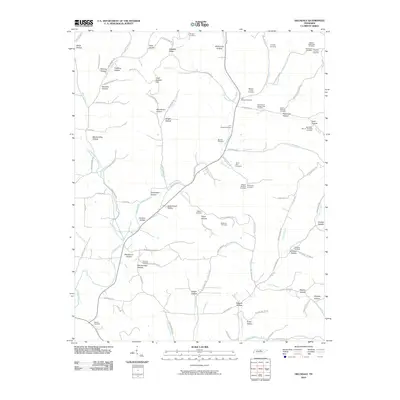 2010 Hillsdale2010 Print · USGSMacon County's rural landscape is documented here in the early twenty-first century, showing a terrain defined by narrow hollows and family homesteads. Genealogists can locate numerous family burial sites like Stalcup Cemetery, Wallace Cemetery, and the Meador Family Cemetery.
 - 2010 Map of Galen, 2010 Print
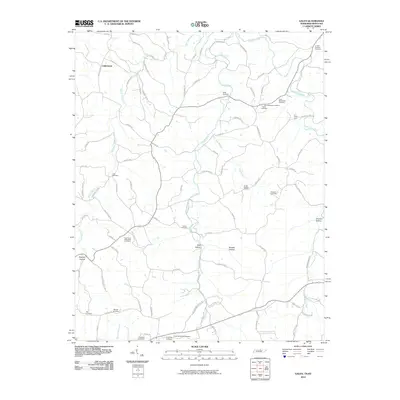 2010 Galen2010 Print · USGSThe Tennessee-Kentucky borderlands come into focus in this recent survey of the rural communities north of Lafayette. Genealogists can trace family heritage across a landscape dotted with sites like the Enon Cemetery, Poney McDonald Cemetery, and Underwood.
 - 2010 Map of Pleasant Shade, 2010 Print
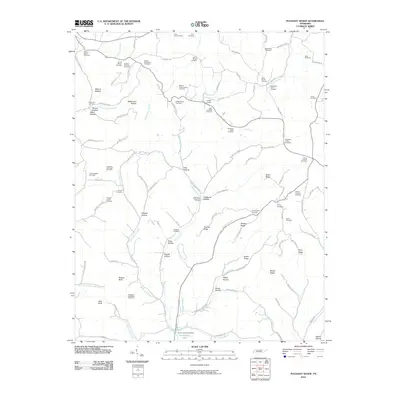 2010 Pleasant Shade2010 Print · USGSPleasant Shade and the surrounding Macon County countryside are captured here in the early twenty-first century as a landscape of family farms and deep hollows. Researchers can locate dozens of ancestral burial sites, including the Frogpond-Friendship Cemetery, Union Camp, and the John R Brooks Cemetery.
 - 2013 Map of Hillsdale, 2013 Print
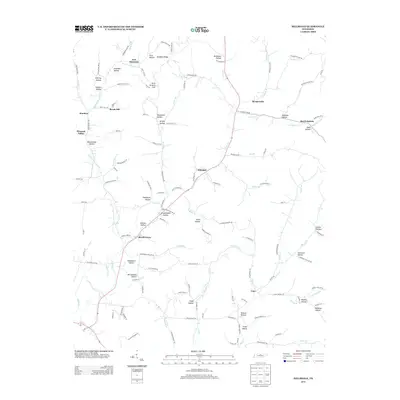 2013 Hillsdale2013 Print · USGSIn the early 2010s, this pocket of northern Tennessee reveals a landscape deeply etched by its creek-bed settlements. Researchers can trace historical family locations in McClanahan Hollow or follow the valley roads between Hillsdale and Meadorville.
 - 2013 Map of Galen, 2013 Print
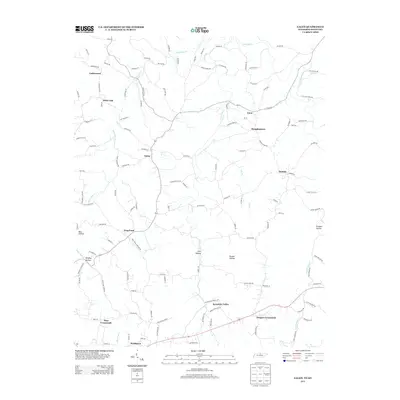 2013 Galen2013 Print · USGSThe Tennessee and Kentucky borderlands are documented here in the early twenty-first century, showing a landscape of deep hollows and rural crossroads. Local historians can trace family locations and community hubs like Pumpkintown, Sycamore Valley, and Frog Pond.
 - 2013 Map of Pleasant Shade, 2013 Print
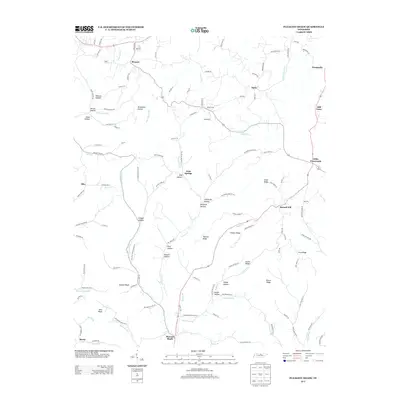 2013 Pleasant Shade2013 Print · USGSThis Tennessee countryside near the Macon and Smith county line shows a landscape defined by deep hollows and high ridges. Genealogists can trace family footprints across Pleasant Shade, Mill-Town, and the bluffs at Mutton Bluff or Alex Bluff.
 - 2013 Map of Lafayette, 2013 Print
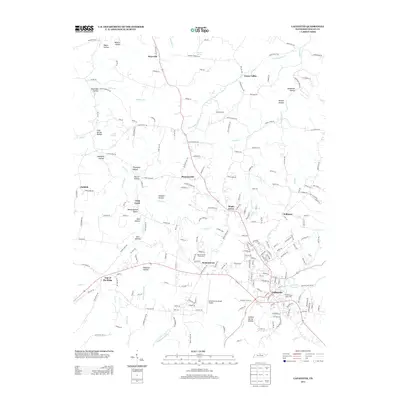 2013 Lafayette2013 Print · USGSMacon County's rolling hills and deep hollows are captured here during a period of modern growth centered around the county seat. Genealogists and local historians can trace family land near Harper Cemetery, Brattontown, and the remote Speakman Hollow.
 - 2016 Map of Lafayette, 2016 Print
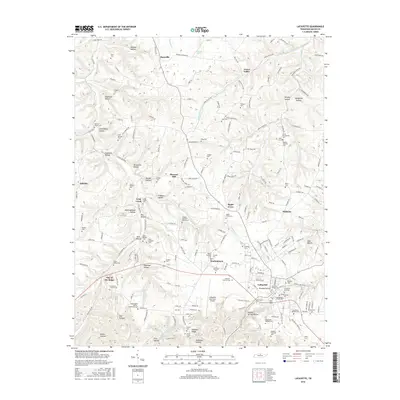 2016 Lafayette2016 Print · USGSMacon County's rural character is on full display in this mid-2010s survey centered on the seat of Lafayette. Researchers can locate dozens of ancestral burial grounds, from the New Bethel Cem to the Vester Crowder Cem, and trace the winding paths through Gap of the Ridge.
Showing maps 1-25 of 36
Top cities near Lafayette
- Scottsville historical maps
- Westmoreland historical maps
- Red Boiling Springs historical maps
- Gamaliel historical maps
- Fountain Run historical maps
Top neighborhoods of Lafayette
Frequently asked questions
- What are the different types of historical maps available for Lafayette?
- What is the oldest map of Lafayette?
- Where can I purchase historical maps of Lafayette for my home or office?
- Where can I download high-res historical maps of Lafayette?
- Are there historical topographic maps available for Lafayette?
- Is there historical aerial imagery available for Lafayette?
- Where are historical maps of Lafayette sourced from?