Old Maps of Springfield, Tennessee for Metal Detecting
Plan your next treasure hunt with 31 historic maps of Springfield. Find old homesites, ghost towns, trails, and gathering spots that may be lost to time — perfect for identifying promising metal detecting locations.
- Locate forgotten sites: Uncover places like long-lost settlements, abandoned rail lines, or gathering spots.
- Plan better hunts: Use map overlays combined with LiDAR or satellite views to narrow in on historically rich areas.
- Made for detectorists: Thousands of hobbyists use these maps to discover relics, coins, and hidden history.
Use these historic maps to boost your research and find new opportunities beneath the surface of Springfield.
Springfield, TN maps
(31)- 1903 Map of Nashville
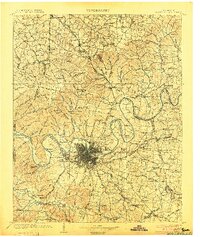 1903 Nashville1903 Print · USGSTennessee's capital region is captured at the dawn of the 1900s, when iron pikes and river locks dominated local commerce. Trace ancestral routes along Stewarts Ferry Pike, find rural landmarks like Curry Mill, or locate historical sites like The Hermitage.4 unique versions available
 - 1931 Map of Ridgetop, 1957 Print
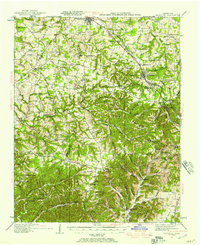 1931 Ridgetop1957 Print · USGSUpper Middle Tennessee in the early thirties reveals a landscape of ridge-top towns and deep hollows. Genealogists can trace family footprints through dozens of rural landmarks like St Michaels Ch, Gordons Store, and the old Ridgetop Sta.2 unique versions available
 - 1935 Map of Ridgetop
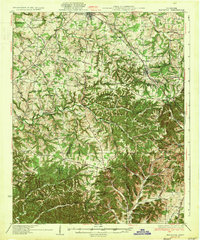 1935 Ridgetop1935 Print · USGSNorthern Tennessee's ridge country is captured here between the mid-twenties and early thirties, showing a landscape tied to the Louisville and Nashville railroad. Genealogists can trace family roots through numerous local landmarks like Bethlehem Sch, Gordons Store, and St Michaels Ch.2 unique versions available
 - 1952 Map of Springfield North, 1953 Print
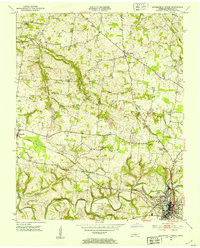 1952 Springfield North1953 Print · USGSMid-century Robertson County was a landscape of rail-linked towns and rural school districts defined by the winding Sulphur Fork. Genealogists can trace family footprints at Bartlett Cem, Elmwood Cem, and rural centers like Barren Plain or Cedar Hill.2 unique versions available
 - 1952 Map of Youngville, 1953 Print
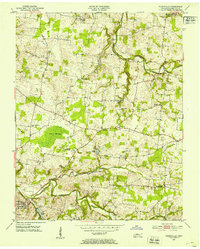 1952 Youngville1953 Print · USGSRobertson County in the early fifties was a landscape of small crossroads settlements and winding river valleys. Genealogists and researchers can trace rural life through landmarks like Brick Sch, the Janie Bell Cem, and the State Fish Hatchery.2 unique versions available
 - 1956 Map of Nashville, 1971 Print
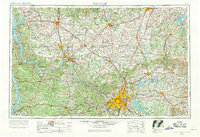 1956 Nashville1971 Print · USGSThe Tennessee-Kentucky borderlands come into focus in the mid-1960s as major reservoir projects transformed the Cumberland and Tennessee river valleys. Researchers can trace the rail networks of the Louisville and Nashville and visit sites like Fort Campbell and Fort Donelson National Military Park.2 unique versions available
 - 1959 Map of Nashville
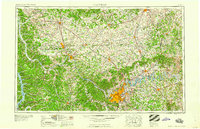 1959 Nashville1959 Print · USGSMiddle Tennessee and Southern Kentucky come into focus during the late fifties, showing the region's transition into a modern transportation and military hub. Researchers can trace the sprawling Fort Campbell Military Reservation or locate historic rail stops along the Tennessee Central Ry and Illinois Central RR.
 - 1961 Map of Greenbrier, 1963 Print
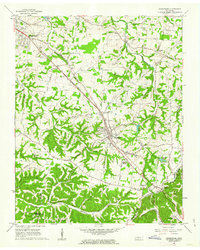 1961 Greenbrier1963 Print · USGSRobertson County's rail-and-road corridor comes alive in the early sixties as communities grew along the Louisville and Nashville line. Genealogists can trace family landmarks like the Bloodworth Cem, Lights Chapel Cem, and Hygeia Springs.3 unique versions available
 - 1961 Map of Springfield South, 1963 Print
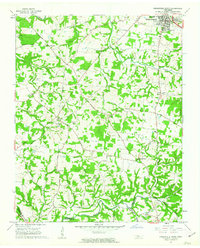 1961 Springfield South1963 Print · USGSRobertson County's rural landscapes and agricultural crossroads are captured here in the early sixties. Researchers can locate family landmarks like Martins Chapel Cem, the County Farm, and community hubs like Glover Crossroad.4 unique versions available
 - 1984 Map of Nashville, 1985 Print
 1984 Nashville1985 Print · USGSMiddle Tennessee in the mid-1980s reveals a region balancing urban expansion with its deep river-valley roots. Genealogists and historians can trace family locations near Old Hickory Lake, explore the grounds of Vanderbilt University, or locate ancestral sites like Greenwood Cem.
 - 1985 Map of Bowling Green
 1985 Bowling Green1985 Print · USGSThe rolling borderlands of Kentucky and Tennessee are captured here in the mid-eighties, showing a landscape shaped by the Barren River and deep-rooted rail networks. Genealogists and researchers can trace local landmarks like Prices Mill, Highland Academy, and Green Lawn Cem.3 unique versions available
 - 2010 Map of Youngville, 2010 Print
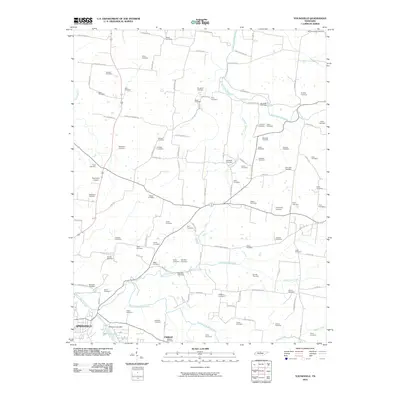 2010 Youngville2010 Print · USGSRobertson County at the turn of the decade is shown here in its transition from traditional farmland to modern settlement patterns. Genealogists and local historians can pinpoint dozens of family burial sites such as Lunsford Cemetery and the Zech Cemetery near Wartrace Lake.
 - 2010 Map of Springfield North, 2010 Print
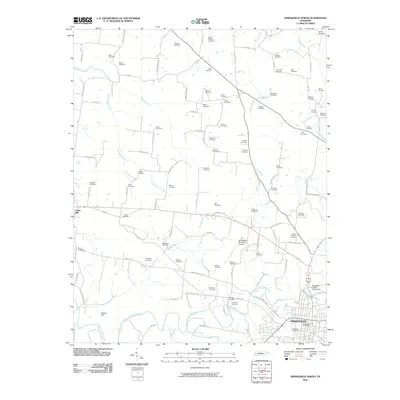 2010 Springfield North2010 Print · USGSRobertson County in 2010 shows a landscape where modern aviation and regional traditions meet deeply rooted family histories. Genealogists can trace decades of local heritage through numerous burial sites like Needmore Cemetery and Winn Cemetery near the Sulphur Fork Red River.
 - 2010 Map of Greenbrier, 2010 Print
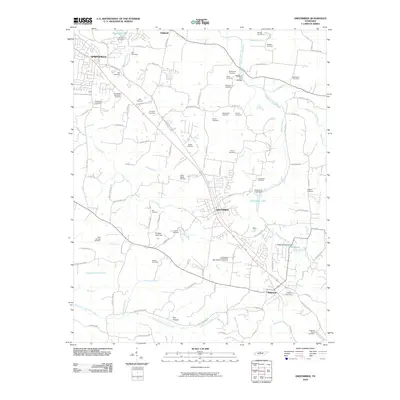 2010 Greenbrier2010 Print · USGSGreenbrier and Ridgetop are shown in the early twenty-first century as they grew along the historic ridges north of Nashville. Genealogists can trace family names through dozens of sites like Lights Chapel Cemetery, Krisle Cemetery, and the Springfield Memorial Gardens.
 - 2010 Map of Springfield South, 2010 Print
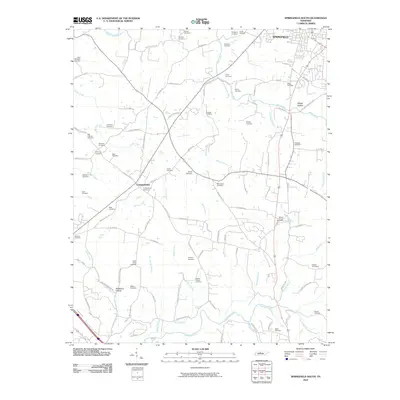 2010 Springfield South2010 Print · USGSThe rural southern outskirts of Springfield come to life in this detailed study of the Middle Tennessee landscape at the start of the 2010s. Genealogists can trace family heritage through dozens of local sites including Saint Michaels Cemetery, Coopertown, and Martins Chapel Cemetery.
 - 2013 Map of Youngville, 2013 Print
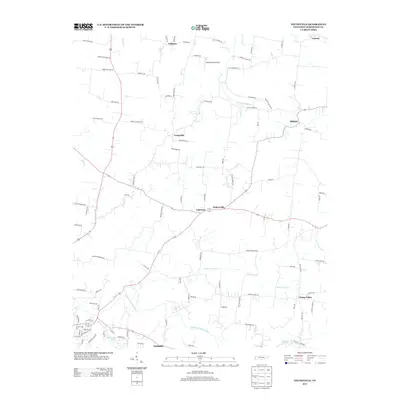 2013 Youngville2013 Print · USGSRobertson County's rural character is on full display in this early twenty-first-century map of the Tennessee tobacco country. Genealogists and local historians can trace family land ties along Jones Roe Rd or explore the settlements of Milldale and Ashburn.
 - 2013 Map of Springfield South, 2013 Print
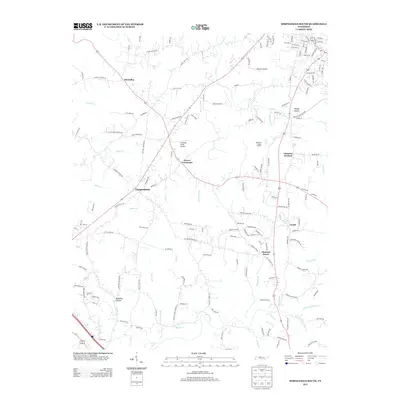 2013 Springfield South2013 Print · USGSThe rural stretches south of Springfield were characterized by small settlements and winding creek valleys at the start of the century. Genealogists and local historians can trace the roads around Coopertown, Chestnut Grove, and the Lipscomb Cemetery Rd as they appeared in this era.
 - 2013 Map of Greenbrier, 2013 Print
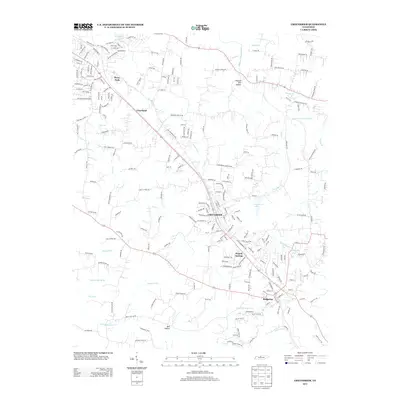 2013 Greenbrier2013 Print · USGSThe Greenbrier and Ridgetop area of Tennessee is shown here in the early twenty-first century, capturing a period of steady residential expansion. Researchers can trace local development around Greenbrier, Hygeia Springs, and the waters of the Sulphur Fork Red River.
 - 2013 Map of Springfield North, 2013 Print
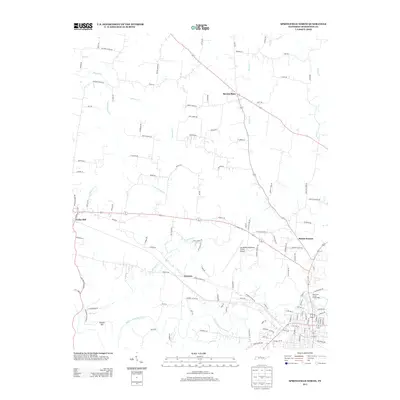 2013 Springfield North2013 Print · USGSRobertson County at the start of the 2010s reveals a blend of deep-rooted rural crossroads and expanding municipal services. Researchers can trace family-named land markers and historic centers like Barren Plain, Kinneys, and the Robertson County Fairgrounds.
 - 2016 Map of Springfield South, 2016 Print
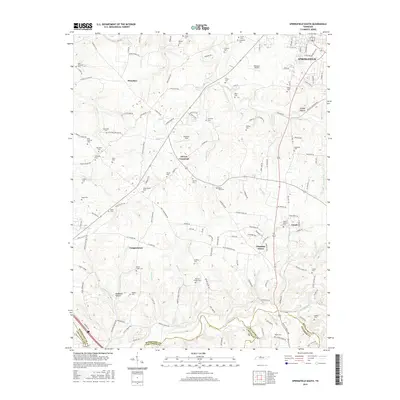 2016 Springfield South2016 Print · USGSSpanning Robertson and Davidson counties in the twenty-tens, this survey captures a landscape of rural communities and historic family burial grounds. Researchers can trace ancestral locations near Coopertown, the Saint Michaels Catholic Church, and numerous sites like Mount Sharon Cem.
 - 2016 Map of Youngville, 2016 Print
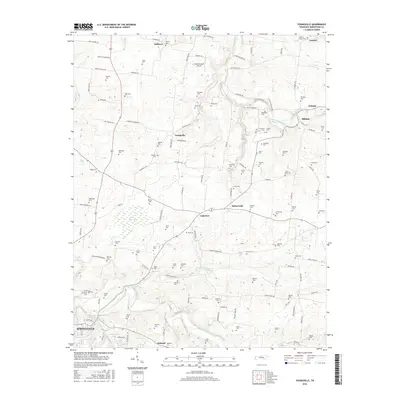 2016 Youngville2016 Print · USGSRobertson County's rural landscape is documented here in the mid-2010s, showing the agricultural heritage north of the county seat. Genealogists can trace family holdings and burials at Durham Cem, Oakland Cem, and near the historic crossroads of Youngville.
 - 2016 Map of Springfield North, 2016 Print
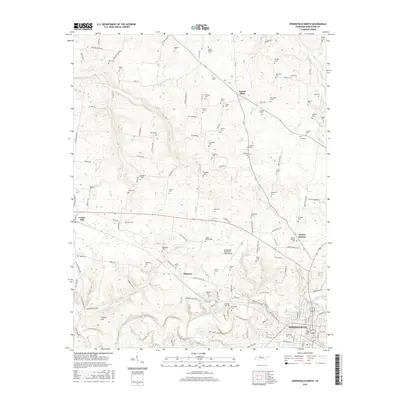 2016 Springfield North2016 Print · USGSRobertson County's fertile farming plateau and the northern outskirts of Springfield are captured here in the mid-2010s. Researchers can trace dozens of family burial sites like Sherrod Cem and Winn Cem or explore the landscape around Barren Plain.
 - 2016 Map of Greenbrier, 2016 Print
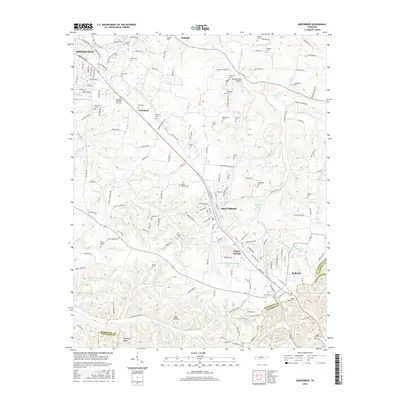 2016 Greenbrier2016 Print · USGSThe Tennessee highlands between Robertson and Davidson counties come into focus here during the mid-2010s. Researchers can trace dozens of family burial sites like Bloodworth Cem and Coggins-Greer Cem or locate the historic waters of Hygeia Springs.
 - 2019 Map of Springfield North, 2019 Print
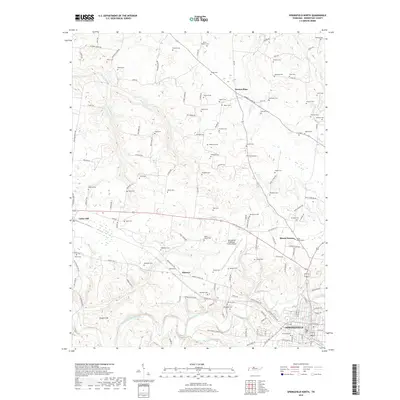 2019 Springfield North2019 Print · USGSNorthern Robertson County is shown here in the late twenty-tens, capturing the rural landscape between Barren Plain and the city of Springfield. Genealogists can locate dozens of family burial sites, from Needmore Cem to the Stark-Baldwin Cem.
 - 2019 Map of Springfield South, 2019 Print
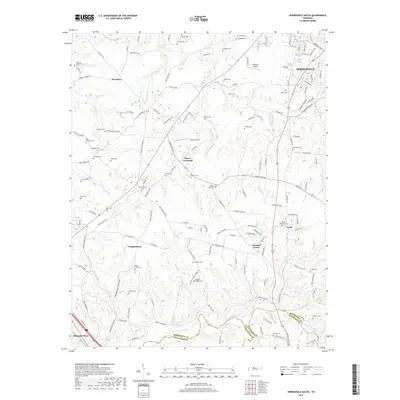 2019 Springfield South2019 Print · USGSRobertson and Davidson counties are revealed here in the late twenty-tens, showing a landscape shaped by rural tradition and modern growth. Genealogists can trace family heritage through numerous burial grounds like Battle Creek Cem, Mount Sharon Cem, and Anthony Cem.
Showing maps 1-25 of 31
Top cities near Springfield
- Nashville historical maps
- Hendersonville historical maps
- Goodlettsville historical maps
- White House historical maps
- Millersville historical maps
- Greenbrier historical maps
See more
Top neighborhoods of Springfield
Frequently asked questions
- What are the different types of historical maps available for Springfield?
- What is the oldest map of Springfield?
- Where can I purchase historical maps of Springfield for my home or office?
- Where can I download high-res historical maps of Springfield?
- Are there historical topographic maps available for Springfield?
- Is there historical aerial imagery available for Springfield?
- Where are historical maps of Springfield sourced from?