Old Maps of Scotts Hill, Tennessee for Academic Research
Study the evolution of Scotts Hill with 32 high-resolution historic maps. Whether you're teaching, researching, or modeling changes in land use, these maps provide essential visual documentation of urban, environmental, and geographic change.
- Analyze long-term change: Track patterns in development, transportation, and natural features.
- Ideal for environmental or urban studies: Support academic projects with primary historical map data.
- Use in the classroom or lab: Educators and researchers rely on these maps to bring historical context to life.
These maps are a powerful tool for teaching, research, and visualizing how Scotts Hill has changed over the decades.
Scotts Hill, TN maps
(32)- 1936 Map of Scotts Hill
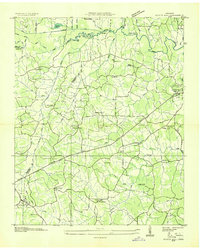 1936 Scotts Hill1936 Print · USGSHenderson and Decatur counties appear here in the mid-1930s, showing a rural landscape before modern development altered the river valleys. Researchers can locate many vanished community hubs like Dixie Mills, the County Farm, and New Hope Ch.
 - 1936 Map of Thurman
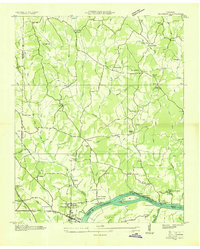 1936 Thurman1936 Print · USGSThe Tennessee River valley at Pitts Bend is captured here in the mid-thirties, showing a landscape of riverfront landings and upland farms. Genealogists can trace family names at Altillo Cem and Bethel Cem or find old school sites like Doe Creek Sch.
 - 1936 Map of Sardis
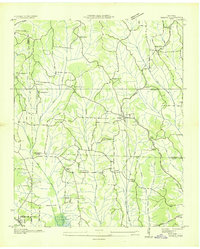 1936 Sardis1936 Print · USGSWest Tennessee rural life is documented here during the mid-1930s as the regional electrical grid began to expand across the landscape. Genealogists and local historians can locate early landmarks such as Taylors Store, New Hurricane Ch, and the Tri County Sch near the county lines.
 - 1936 Map of Reagan
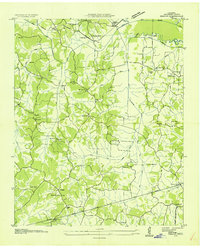 1936 Reagan1936 Print · USGSHenderson County was a landscape of small farming communities and river bottomlands during the mid-1930s. Researchers can trace ancestral locations through numerous rural schools and churches, including Reagan Sch, Mt Moriah Ch, and the remote Ridley Chapel.
 - 1949 Map of Sardis, 1952 Print
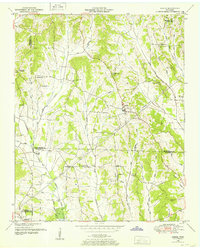 1949 Sardis1952 Print · USGSSardis and the borderlands of Henderson, Chester, and Hardin Counties are captured here at the end of the 1940s. Genealogists and historians can locate family landmarks such as Brazelton Cem, Maria Bluff Ch, and the rural Tri-County School among the area's many drainage canals.2 unique versions available
 - 1949 Map of Thurman, 1952 Print
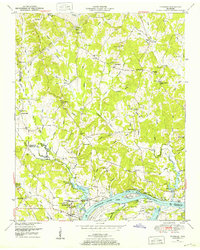 1949 Thurman1952 Print · USGSThe Tennessee River shoreline at the turn of the 1950s is captured here in detail, showing the river-based economy of Decatur County. Researchers can trace old family names and settlements like Lick Skillet, find the Union Hall School, or locate river landings at Swallow Bluff.2 unique versions available
 - 1950 Map of Reagan, 1952 Print
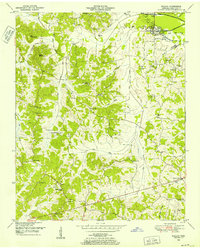 1950 Reagan1952 Print · USGSHenderson County's rural communities and river bottomlands are captured here at mid-century during a time of changing transportation and land use. Genealogists can trace family roots through numerous sites like Mt Gilead Ch, Judson School, and the Dismantled RR near Warrens Bluff.2 unique versions available
 - 1950 Map of Scotts Hill, 1952 Print
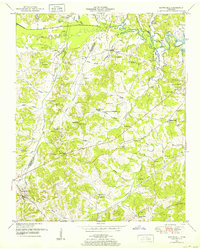 1950 Scotts Hill1952 Print · USGSHenderson and Decatur Counties are captured here in the early fifties, showing a rural landscape anchored by Scotts Hill and the western shore of Kentucky Lake. Genealogists can trace deep local roots at Rushing Grove Church, Dixie Mills, and numerous family cemeteries.3 unique versions available
 - 1956 Map of Blytheville, 1964 Print
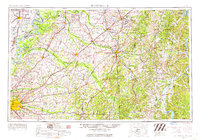 1956 Blytheville1964 Print · USGSWest Tennessee and the Arkansas Delta come alive in this mid-century survey of the river-and-rail corridor connecting Memphis to Jackson. Genealogists and historians can trace the rail lines of the Louisville and Nashville RR and locate landmarks like Western State Hospital or Fort Pillow State Prison Farm.2 unique versions available
 - 1959 Map of Blytheville
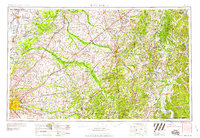 1959 Blytheville1959 Print · USGSWest Tennessee and Northeast Arkansas meet along the river in the late fifties, during a period of steady industrial and agricultural growth. Genealogists can trace the rail corridors of the Illinois Central through Jackson or explore landmarks like Shiloh National Military Park and Fort Pillow State Prison.
 - 1986 Map of Milan
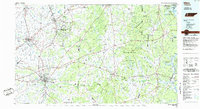 1986 Milan1986 Print · USGSWest Tennessee in the mid-eighties shows a landscape defined by industrial military sites and expansive state forests. Trace the rail lines of the Seaboard System RR, locate the Milan Arsenal, or explore the protected lands of Natchez Trace State Forest.2 unique versions available
 - 1986 Map of Selmer
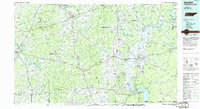 1986 Selmer1986 Print · USGSThe Tennessee River valley and the West Tennessee highlands come into focus in the mid-eighties, showing the region's unique intersection of Civil War history and modern infrastructure. Genealogists and researchers can trace family landmarks like Gillisses Mills, the campus of Freed-Hardeman College, and the hallowed grounds of Shiloh National Military Park.3 unique versions available
 - 2010 Map of Sardis, 2010 Print
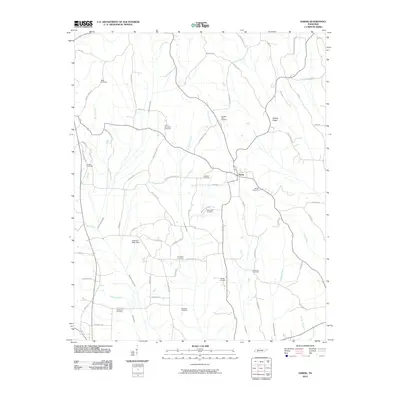 2010 Sardis2010 Print · USGSSardis and the surrounding Henderson County countryside are documented here in the early twenty-first century. Genealogists can trace family footprints across dozens of small burial grounds like Edge Cemetery, Hanna Cemetery, and Brazelton Cemetery.
 - 2010 Map of Reagan, 2010 Print
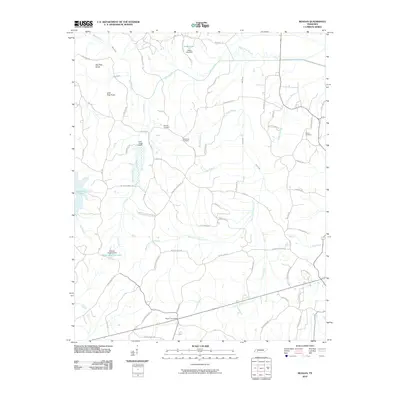 2010 Reagan2010 Print · USGSHenderson County's rural agricultural heartland is documented here in the early twenty-first century as family farms and creekside settlements continued to thrive. Researchers can trace ancestral connections at Buckley Cemetery or locate the historic Reagan Post Office and Hesse Lake Dam.
 - 2010 Map of Thurman, 2010 Print
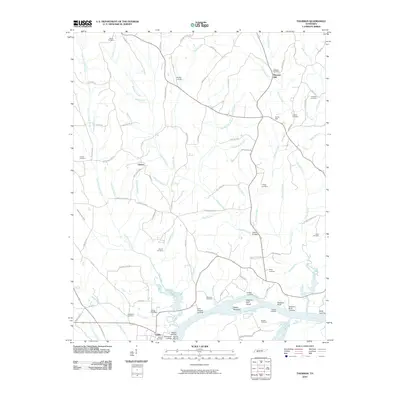 2010 Thurman2010 Print · USGSHardin County river life and rural settlements are captured here in the decade following the millennium. Genealogists and local historians can locate dozens of family burial sites like Holland Cemetery and river landmarks such as Swallow Bluff.
 - 2010 Map of Scotts Hill, 2010 Print
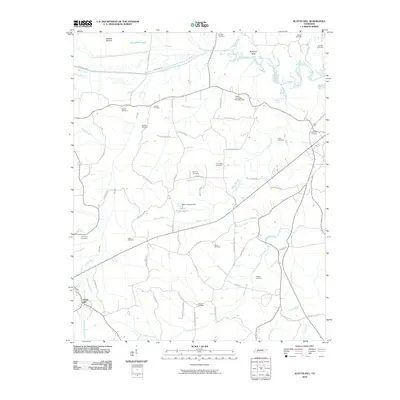 2010 Scotts Hill2010 Print · USGSIn the hills of West Tennessee, this survey captures the rural community of Scotts Hill and its surrounding family farmsteads. Genealogists can trace decades of local history through dozens of named sites like Myracle Cemetery, Hensley Cemetery, and Bumpers Bluff.
 - 2013 Map of Sardis, 2013 Print
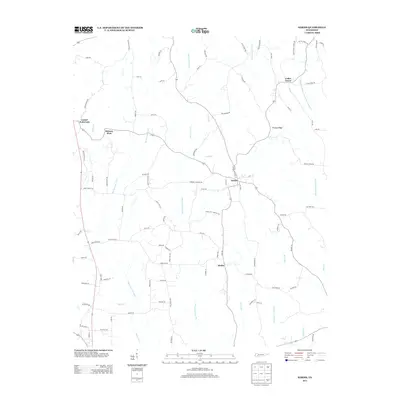 2013 Sardis2013 Print · USGSSardis and Henderson County are seen here in the early twenty-first century, showing a landscape defined by traditional farming and sophisticated water management. Genealogists and local historians can locate Mcbride Cemetery, the small community of Hinkle, and the Middle Tennessee Agricultural Station.
 - 2013 Map of Reagan, 2013 Print
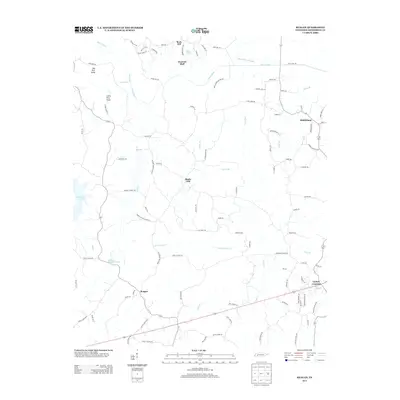 2013 Reagan2013 Print · USGSHenderson County in the early 2010s remains a landscape of quiet rural settlements and winding river bottoms. Researchers can trace local genealogy and landmarks from Reagan and Middleburg to the distinctive heights of Big Pine Knob and Little Pine Knob.
 - 2013 Map of Scotts Hill, 2013 Print
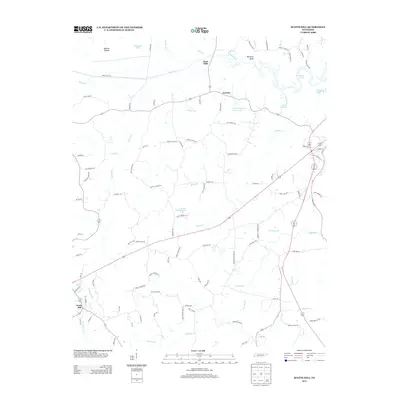 2013 Scotts Hill2013 Print · USGSDecatur County near the Beech River reflects a long history of rural settlement and water-based land use. Researchers can trace family-named landmarks and local sites like Dixie Mills, Bumpers Bluff, and the waters of Festus Jackson Lake.
 - 2013 Map of Thurman, 2013 Print
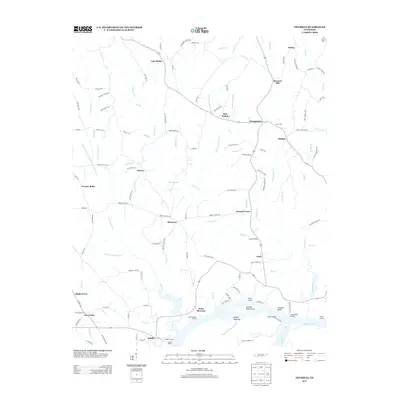 2013 Thurman2013 Print · USGSThe Tennessee River valley north of Saltillo is captured here in the early twenty-first century, showing a landscape defined by Kentucky Lake and rural crossroads. Researchers can trace family history through sites like Gardner Cemetery, the Haney School, and the riverfront at Point Pleasant.
 - 2016 Map of Thurman, 2016 Print
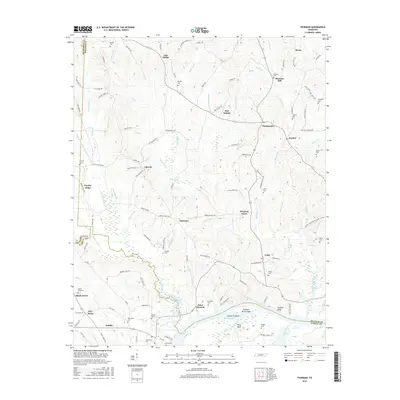 2016 Thurman2016 Print · USGSHardin and Decatur Counties are captured in this mid-2010s survey as the Tennessee River winds past established riverfront settlements. Genealogists can locate family-named landmarks like Adkisson Cem and Lafferty Cem or trace the rural layouts of Lick Skillet and Saltillo.
 - 2016 Map of Scotts Hill, 2016 Print
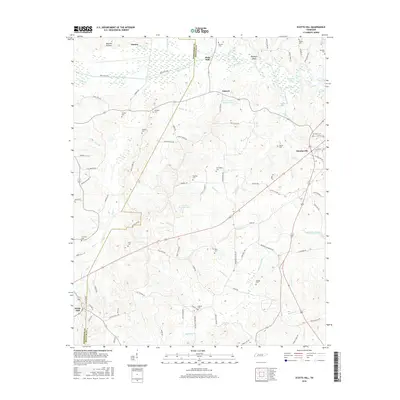 2016 Scotts Hill2016 Print · USGSDecatur and Henderson counties appear here in the mid-2010s, showing the rural communities of Decaturville and Scotts Hill near the Beech River. Local history researchers can trace family landmarks like Myracle Cem, Bumpers Bluff, and the historic site of Dixie Mills.
 - 2016 Map of Sardis, 2016 Print
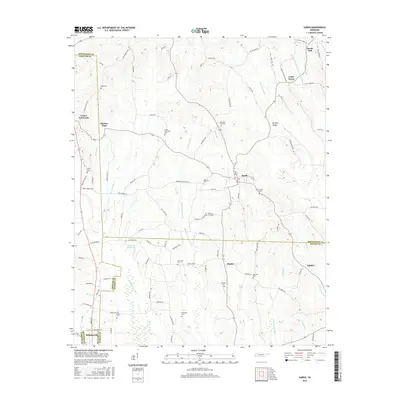 2016 Sardis2016 Print · USGSWest Tennessee’s rural landscape is captured here in the mid-2010s at the junction of four counties. Genealogists can locate family burial sites like Little Hurricane Cem or Brazelton Cem and trace water routes like the Middleton Cr Canal.
 - 2016 Map of Reagan, 2016 Print
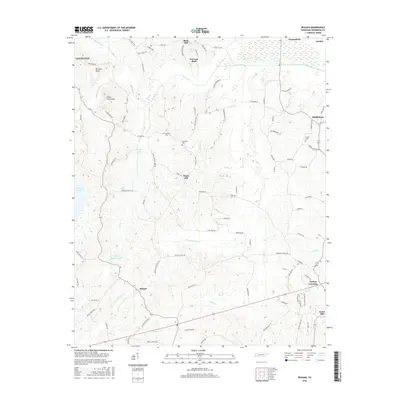 2016 Reagan2016 Print · USGSHenderson County's rural character is preserved in this mid-2010s survey of the crossroads and creek-bottom lands south of the Beech River. Local historians can trace family land near Reagan and Shady Hill, or locate ancestral plots at Buckley Cem and Powers Cem.
 - 2019 Map of Thurman, 2019 Print
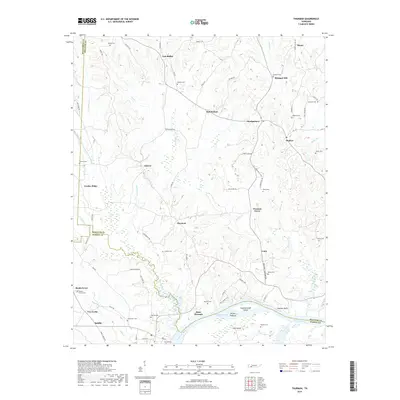 2019 Thurman2019 Print · USGSThe riverfront and rural interior of Hardin and Decatur counties come into focus in this late-era survey. Genealogists and local historians can trace family ties through numerous rural burial sites like Bethel Cem, Murphy Cem, and the riverfront landing at Saltillo.
Showing maps 1-25 of 32
Top cities near Scotts Hill
- Lexington historical maps
- Parsons historical maps
- Adamsville historical maps
- Decaturville historical maps
- Sardis historical maps
- Saltillo historical maps
Top neighborhoods of Scotts Hill
Frequently asked questions
- What are the different types of historical maps available for Scotts Hill?
- What is the oldest map of Scotts Hill?
- Where can I purchase historical maps of Scotts Hill for my home or office?
- Where can I download high-res historical maps of Scotts Hill?
- Are there historical topographic maps available for Scotts Hill?
- Is there historical aerial imagery available for Scotts Hill?
- Where are historical maps of Scotts Hill sourced from?