1900s (20th Century) Maps of Los Indios, Texas
Explore 11 historic maps of Los Indios from the 1900s (20th Century). These maps offer a rare glimpse into what life looked like during the 1900s — showing old roads, neighborhoods, homes, and landmarks that have changed or disappeared over time.
Whether you're researching your family's past, planning a metal detecting trip, or studying how Los Indios's landscape evolved across the 1900s, these high-resolution maps are a powerful tool for exploring the history of this region.
- Focus on a specific era: All maps on this page are from the 1900s, giving you a focused view of this time period.
- See what’s changed: Compare century-old streets, trails, and buildings to today's modern landscape using overlays and satellite layers.
- Research with precision: Use these maps for genealogy, historical research, land use analysis, or educational projects.
- View, download, or print: Maps are fully viewable online in high resolution, and can be downloaded or printed for your own records.
Start exploring Los Indios's history through authentic maps from the 1900s. This is your window into the past.
Los Indios, TX maps
(11)- 1929 Map of Santa Maria
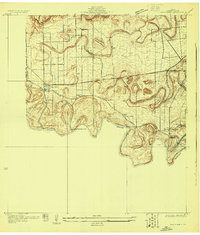 1929 Santa Maria1929 Print · USGSThe Lower Rio Grande Valley in the late twenties was a hub of river-driven irrigation and ranching. Researchers can trace the layout of early pumping plants and traditional settlements like Santa Maria, Bluetown, and the remote Galveston Ranch along the river's edge.
 - 1929 Map of La Paloma
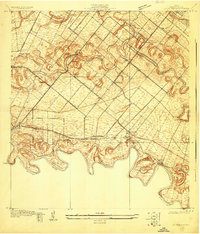 1929 La Paloma1929 Print · USGSCoastal South Texas is depicted here in the late twenties as the agricultural valley relied on the irrigation of the old river resacas. Genealogists and historians can trace the early rail stops and schools like Rangerville Sch, Carricitos Siding, and the riverside village of La Paloma.
 - 1936 Map of Santa Maria
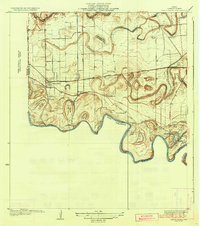 1936 Santa Maria1936 Print · USGSLower Rio Grande Valley ranching and early irrigation systems are preserved in this pre-war survey of Cameron County. Genealogists and historians can trace family-named outposts and infrastructure like Gloria Ranch, Bluetown, and the Santa Maria Pumping Sta.3 unique versions available
 - 1936 Map of La Paloma
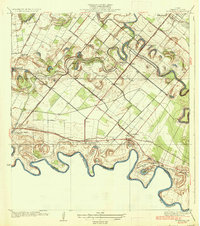 1936 La Paloma1936 Print · USGSThe Lower Rio Grande Valley comes into focus during the mid-1930s as irrigation and rail lines transformed the borderlands. Genealogists and researchers can trace family landmarks and early school sites like Highland Sch, the Missouri Pacific rail stops, and the river benches at Capote Banco No 13.2 unique versions available
 - 1953 Map of Brownsville
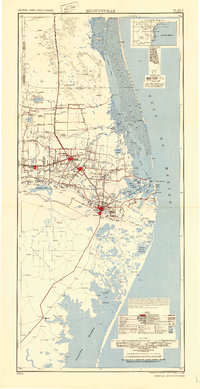 1953 Brownsville1953 Print · USGSSouth Texas ranchlands and the Lower Rio Grande Valley are captured here in the early fifties as the region's irrigation and shipping networks expanded. Genealogists and historians can trace family landholdings like Tecolote Ranch or follow the route of the St Louis Brownsville and Mexico rail line through Sebastian and Yturria.
 - 1956 Map of La Paloma, 1958 Print
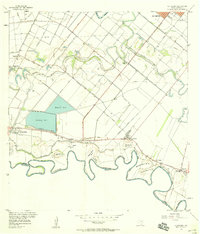 1956 La Paloma1958 Print · USGSThe Lower Rio Grande Valley in the mid-fifties shows a landscape of intricate irrigation and river-border settlements. Genealogists can trace family footprints near Rangerville, El Calaboz, and the river bends at Esparza-Vera Bend.3 unique versions available
 - 1956 Map of Santa Maria, 1959 Print
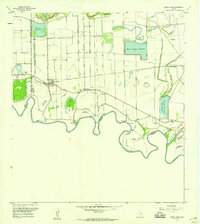 1956 Santa Maria1959 Print · USGSThe Lower Rio Grande Valley in the mid-fifties is captured here during a period of complex water management and border definition. Researchers can trace the shifting river course through numerous bancos like Palma Banco No 25 and locate early settlements such as Bluetown and Las Rusias.2 unique versions available
 - 1956 Map of Brownsville, 1969 Print
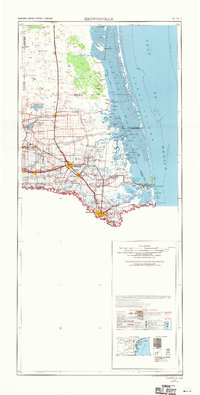 1956 Brownsville1969 Print · USGSThe Texas-Mexico borderlands and the Gulf coast come alive in this mid-century survey of the Rio Grande Valley. Genealogists and historians can trace the reach of the Missouri Pacific rail lines through citrus country to schools like Las Yescas and Palm Grove.2 unique versions available
 - 1956 Map of Port Isabel, 1983 Print
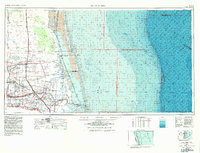 1956 Port Isabel1983 Print · USGSCoastal Texas and the Rio Grande Valley are shown here in the mid-twentieth century as the region balanced intensive agriculture with maritime trade. Researchers can trace historic rail lines like the SOUTHERN PACIFIC and locate rural landmarks such as Las Yescas Sch or the Armstrong Ranch.
 - 1962 Map of Brownsville
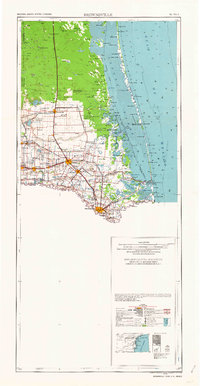 1962 Brownsville1962 Print · USGSThe Lower Rio Grande Valley in the early sixties was a landscape of coastal wildlands, booming oil fields, and international border commerce. Trace the development of this frontier region through landmarks like Harlingen Air Force Base, Boca Chica Island, and the Willamar Oil Field.
 - 1992 Map of Harlingen
 1992 Harlingen1992 Print · USGSSouth Texas in the early nineties shows a landscape defined by industrial growth and coastal conservation along the Rio Grande. Trace the rail lines of the Missouri Pacific through Raymondville or locate the historic Palo Alto Battlefield near Port Isabel.
End of results
Showing maps 1-11 of 11
Top cities near Los Indios
- Brownsville historical maps
- Harlingen historical maps
- Weslaco historical maps
- San Benito historical maps
- Mercedes historical maps
- La Feria historical maps
See more
Top neighborhoods of Los Indios
- Carricitos historical maps
- Carricitos-Landrum Colonia historical maps
- Landrum historical maps
- Las Rusias historical maps
- Venadito historical maps
- El Venadito Colonia historical maps
See more
Frequently asked questions
- What are the different types of historical maps available for Los Indios?
- What is the oldest map of Los Indios?
- Where can I purchase historical maps of Los Indios for my home or office?
- Where can I download high-res historical maps of Los Indios?
- Are there historical topographic maps available for Los Indios?
- Is there historical aerial imagery available for Los Indios?
- Where are historical maps of Los Indios sourced from?