Old Maps of Delta County, Texas for Genealogy
Trace your family roots with 70 historic maps of Delta County. These high-res maps reveal old neighborhoods, homesites, landmarks, and streets — helping you uncover where your ancestors lived and how the area evolved over time.
- Explore historic neighborhoods: Identify where your relatives may have lived in the 1800s or 1900s.
- Compare maps over time: Trace the changes in streets, buildings, and landmarks for multi-generational research.
- Perfect for genealogy & ancestry research: Used by family historians and researchers to map out lineage and migration.
These maps are an incredible resource for exploring your personal connection to Delta County's past.
Delta County, TX maps
(70)- 1953 Map of Texarkana, 1964 Print
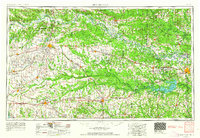 1953 Texarkana1964 Print · USGSThe Texas-Arkansas borderlands are captured here in the mid-fifties, during a decade of massive military and hydraulic engineering projects. Genealogists and researchers can locate family landmarks like Old Boston Cem, Siloam Ch, and the vast Red River Arsenal.4 unique versions available
 - 1956 Map of Texarkana
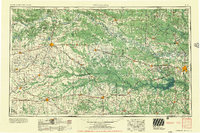 1956 Texarkana1956 Print · USGSThe Ark-La-Tex borderlands come alive in the mid-fifties, showing the transition from a rail-dependent rural economy to a post-war industrial landscape. Researchers can trace the massive Red River Ordnance Depot and find towns like Talco, Bogata, and Naples.
 - 1962 Map of Sulphur Bluff, 1964 Print
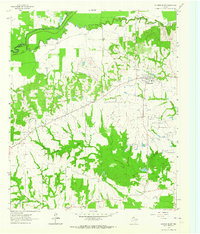 1962 Sulphur Bluff1964 Print · USGSIn the early 1960s, the boundary between Delta and Hopkins Counties was defined by the meandering course of the South Sulphur River. Researchers can trace the rural layout of Sulphur Bluff, Nelta, and the East Dike Ch during a period of active local oil exploration.
 - 1963 Map of Mitchell Creek, 1964 Print
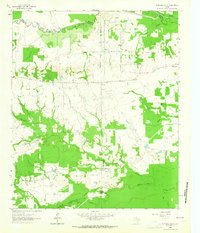 1963 Mitchell Creek1964 Print · USGSNortheast Texas rural life and industrial growth intersect in the 1960s at the convergence of four counties. Trace family history at Fairview Ch or the Shell Oil Field and explore the bottoms of the South Sulphur River.
 - 1963 Map of Minter, 1964 Print
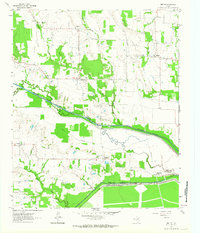 1963 Minter1964 Print · USGSLamar and Delta Counties in the early sixties reveal a landscape of river-bottom farms and small rural settlements. Genealogists and historians can locate family landmarks like Minter Cem, Rockford Ch, and the community of Taylor Town.
 - 1963 Map of Cunningham, 1964 Print
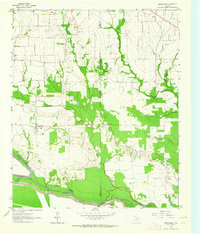 1963 Cunningham1964 Print · USGSNortheast Texas river country in the early sixties reveals a landscape shaped by the meeting of the North and South Sulphur Rivers. Researchers can locate family landmarks like Restland Cem and Morris Chapel Cem near the historic settlements of Cunningham and Halesboro.
 - 1964 Map of Cumby, 1968 Print
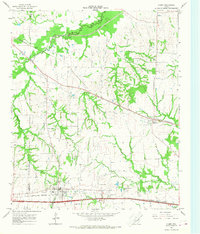 1964 Cumby1968 Print · USGSThe rural landscape of Hopkins and Hunt Counties in the 1960s is defined by its rail-and-river network before major landscape changes. Genealogists can trace family landmarks like Oakland Cem and small settlements such as Ridgeway and Branom.2 unique versions available
 - 1964 Map of Klondike, 1968 Print
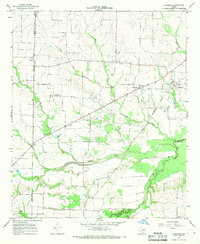 1964 Klondike1968 Print · USGSDelta County agricultural life is captured here in the mid-sixties, showing a landscape defined by the Southern Pacific rail line and the Sulphur River forks. Genealogists can locate family landmarks like Shiloh Cem, Wintermute Mem Hosp, and the community of Klondike.2 unique versions available
 - 1964 Map of Charleston, 1968 Print
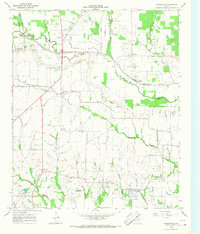 1964 Charleston1968 Print · USGSThe North Sulphur River valley comes into focus during the mid-1960s, showing the rural homesteads and river crossings along the Lamar-Delta county line. Genealogists can trace family names at Hazel Dell Cem or locate the community hubs of Charleston and Lake Creek.
 - 1964 Map of Tira, 1968 Print
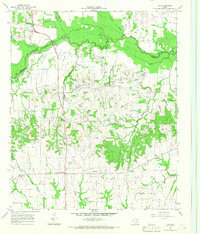 1964 Tira1968 Print · USGSNorth Texas in the mid-sixties remains a landscape of small agricultural settlements and family-named cemeteries. Genealogists can trace local roots at the North Hopkins Sch or through family sites like Aiguier Cem, Self Cem, and the community of Birthright.2 unique versions available
 - 1964 Map of Cooper North, 1968 Print
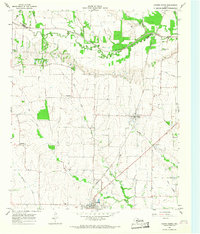 1964 Cooper North1968 Print · USGSDelta County agricultural life in the mid-1960s centers on the Southern Pacific rail line and the North Sulphur River bottomlands. Genealogists and historians can trace family locations near Simmons Cem, Enloe, and the rural community at Crossroads.
 - 1964 Map of Pecan Gap, 1968 Print
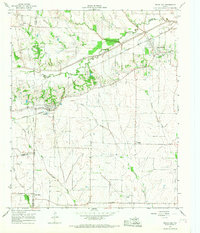 1964 Pecan Gap1968 Print · USGSPecan Gap and its surrounding farm country appear here in the mid-sixties, dominated by the winding Sulphur River. Genealogists can trace family sites via the many local burial grounds like Bledsoe Cem or the oddly named Jot Em Down community.2 unique versions available
 - 1964 Map of Cooper South, 1968 Print
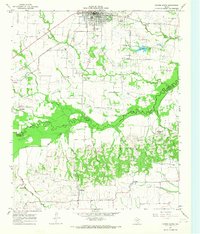 1964 Cooper South1968 Print · USGSDelta and Hopkins counties in the mid-1960s are defined by the river bottom and the iron rails of the Southern Pacific. Genealogists and local historians can trace rural life through the Free Hope Ch and old burial sites like Dawson Cem or Hickory Grove Cem.
 - 1985 Map of Sulphur Springs
 1985 Sulphur Springs1985 Print · USGSNortheast Texas in the mid-eighties shows a landscape transitioning between its deep-rooted rail towns and a new era of reservoir development. Genealogists and historians can trace family locations near Shooks Chapel, the rural Farmers Academy, and the banks of the South Sulphur River.
 - 1991 Map of Sulphur Springs
 1991 Sulphur Springs1991 Print · USGSNortheast Texas in the early nineties shows a transition from rail-dependent agriculture to a landscape defined by massive reservoirs. Researchers can trace rural lineages through sites like Gafford Chapel and the Forest Academy Cem, or follow the path of the St Louis Southwestern RR.
 - 2010 Map of Cooper South, 2010 Print
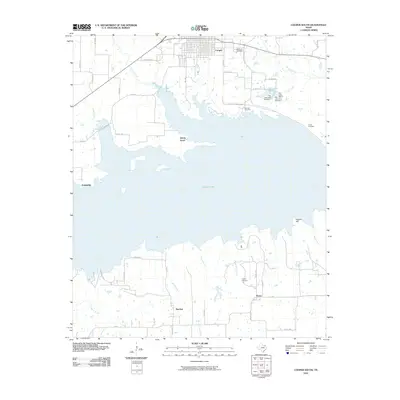 2010 Cooper South2010 Print · USGSDelta County's rural landscape is centered around the expanse of Cooper Lake in the early twenty-first century. Genealogists and local historians can trace family roots at Oak Lawn Cemetery and Lindley Cemetery or locate old community centers like Peerless and Liberty Grove.
 - 2010 Map of Cumby, 2010 Print
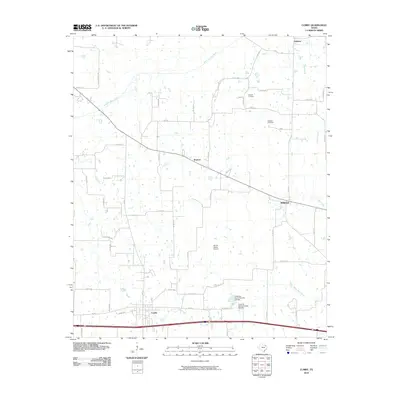 2010 Cumby2010 Print · USGSHunt County's rural landscape is captured here during the first decade of the millennium, showing the region's agricultural and transportation hubs. Researchers can locate family sites near Oakland Cemetery or trace the routes through Ridgeway, Branom, and Emblem.
 - 2010 Map of Cooper North, 2010 Print
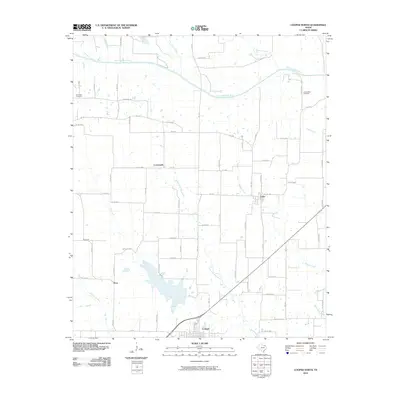 2010 Cooper North2010 Print · USGSNorth Delta County is captured here in the early twenty-first century as a landscape of river bottoms and rural crossroads. Genealogists can locate family burial sites at Simmons Cemetery and Camp Shed Cemetery or trace the small communities of Enloe and Price.
 - 2010 Map of Charleston, 2010 Print
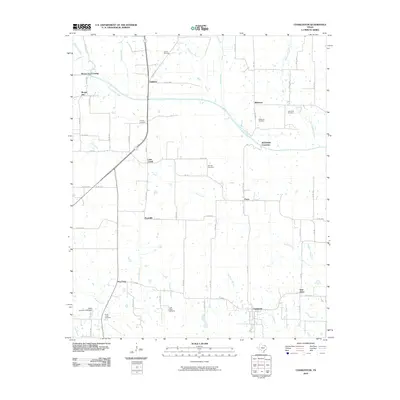 2010 Charleston2010 Print · USGSNortheast Texas at the start of the 2010s remains a landscape of small farming communities and historic river crossings. Genealogists can locate family landmarks like Hazel Dell Cemetery, Slabtown, and the old community center at Charleston.
 - 2010 Map of Tira, 2010 Print
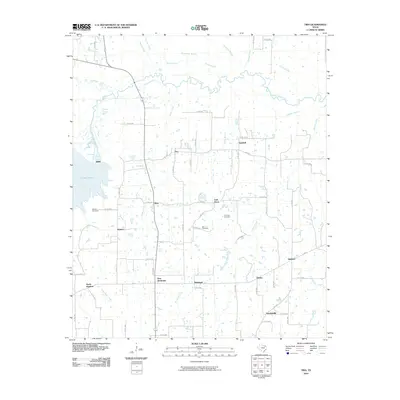 2010 Tira2010 Print · USGSNorthern Hopkins County at the turn of the millennium shows a landscape of small farming communities and river bottomlands. Researchers can locate family landmarks like Aiguier Cemetery and trace the rural layouts of Tira, Birthright, and Oakdale.
 - 2010 Map of Pecan Gap, 2010 Print
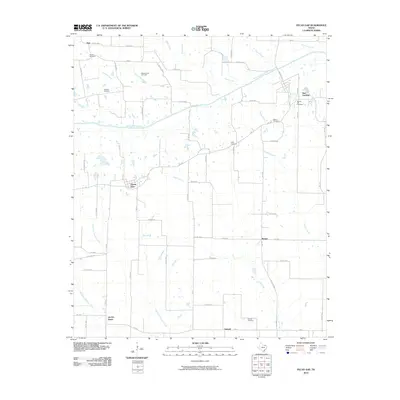 2010 Pecan Gap2010 Print · USGSNortheastern Texas at the start of the decade is documented here through its quiet rural communities and agricultural corridors. Genealogists can trace family footprints across several burial sites including Baptist Hill Cemetery and the settlement at Pecan Gap.
 - 2010 Map of Sulphur Bluff, 2010 Print
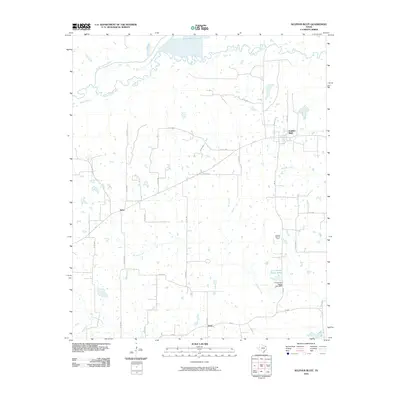 2010 Sulphur Bluff2010 Print · USGSNortheast Texas at the start of the twenty-first century remains a landscape of quiet rural crossroads and cattle country. Researchers can locate family-named landmarks like the D A Jordan Estate Lake and trace the small settlements of Nelta and Flora.
 - 2010 Map of Minter, 2010 Print
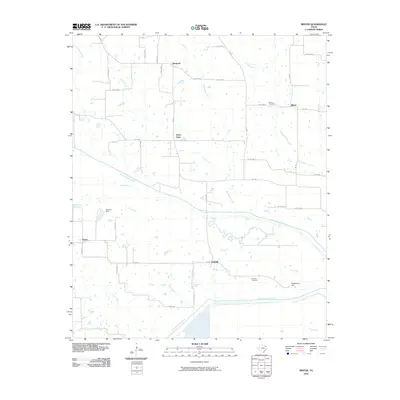 2010 Minter2010 Print · USGSNortheast Texas at the end of the first decade of the millennium shows a landscape defined by the winding forks of the Sulphur River. Researchers can trace rural community roots at the Minter Cemetery, find the former site of Vasco, and locate the waters of Bee Bayou.
 - 2010 Map of Mitchell Creek, 2010 Print
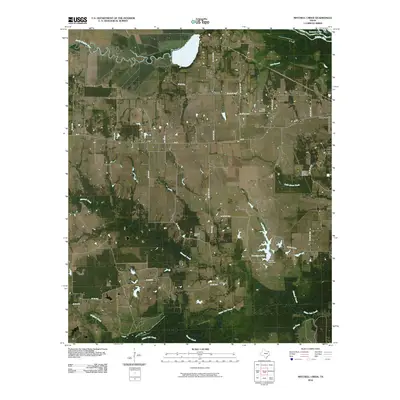 2010 Mitchell Creek2010 Print · USGSFranklin County at the start of the decade reveals a landscape of deep Texas river bottoms and rural oil production. Researchers can trace family history at Keith Cemetery and Colliers Chapel Cemetery or locate industrial sites like the Shell Oil Field.
 - 2010 Map of Cunningham, 2010 Print
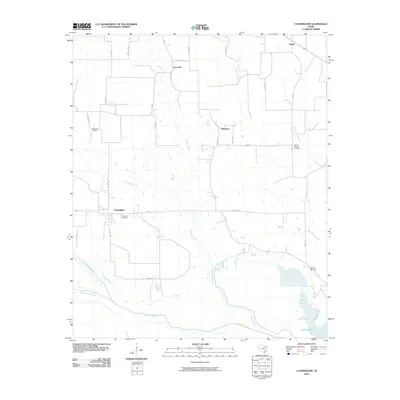 2010 Cunningham2010 Print · USGSCunningham and the rural reaches of Red River County are seen here at the start of the decade, where the north and south forks of the Sulphur River meet. Researchers can trace family history at several local burial grounds, including Restland Cemetery, Woodard Cemetery, and Morris Chapel Cemetery.
Showing maps 1-25 of 70
Top cities of Delta County
Frequently asked questions
- What are the different types of historical maps available for Delta County?
- What is the oldest map of Delta County?
- Where can I purchase historical maps of Delta County for my home or office?
- Where can I download high-res historical maps of Delta County?
- Are there historical topographic maps available for Delta County?
- Is there historical aerial imagery available for Delta County?
- Where are historical maps of Delta County sourced from?