Old Maps of Morning Glory, Texas
Explore 16 old maps of Morning Glory, spanning from 1896 to today. These high-resolution historic maps reveal how streets, neighborhoods, landmarks, and natural features evolved over time — perfect for genealogy, metal detecting, research, and local history exploration.
What you can do with these maps:
- See how Morning Glory changed over time: Compare historical maps to modern-day views to trace roads, homesites, rail lines & more.
- View detailed metadata: Each map includes creators, publishers, year, scale, and archive source.
- Overlay maps with satellite & LiDAR: Visualize the past alongside modern tools to explore terrain & human change.
- Trusted historical sources: Maps sourced from the USGS, Library of Congress, and other archives.
- Access maps your way: View online, download high-res files, or order prints for personal or research use.
Start exploring old maps of Morning Glory to uncover forgotten places, hidden landmarks, and the deep history beneath your feet.
Morning Glory, TX maps
(16)- 1896 Map of El Paso
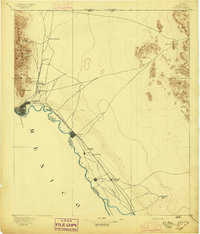 1896 El Paso1896 Print · USGSThe El Paso borderlands were a nexus of rail and river commerce in the 1890s, where international boundaries met the western frontier. Researchers can trace the early layout of El Paso, the military presence at Fort Bliss, and historic valley settlements like Ysleta and San Elizario.2 unique versions available
 - 1908 Map of El Paso
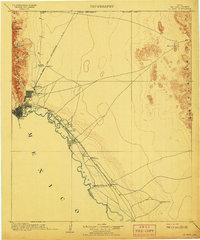 1908 El Paso1908 Print · USGSEl Paso and the lower Rio Grande valley are seen here in the first decade of the century as the railroad and military presence transformed the borderlands. Genealogists can trace family footprints in historic river towns like San Elizario, Ysleta, and Socorro, or find early ranch sites like Newman's Ranch.2 unique versions available
 - 1941 Map of Clint
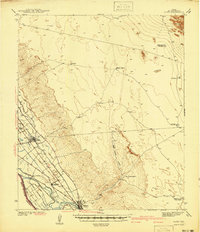 1941 Clint1941 Print · USGSThe Rio Grande valley southeast of El Paso comes alive in the early 1940s, showing a landscape defined by irrigation and iron rails. Researchers can trace the development of Clint, Fabens, and Cuadrilla along the Texas and Pacific railroad.
 - 1945 Map of Clint
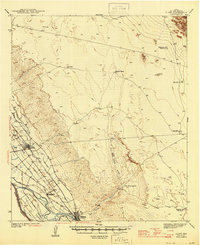 1945 Clint1945 Print · USGSThe irrigated valley of the Rio Grande near El Paso comes alive in this mid-century survey of the West Texas borderlands. Genealogists and historians can trace the rail lines through Clint and Fabens or locate remote outposts like Roberts Ranch and the San Felipe Ranch.
 - 1953 Map of El Paso
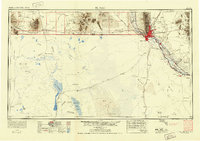 1953 El Paso1953 Print · USGSEl Paso and the border region are shown here in the early fifties, documenting a landscape of shared river life and rising military presence. Genealogists and historians can trace rail-tied communities like Smeltertown, San Elizario, and the grounds of Fort Bliss.
 - 1955 Map of Clint, 1959 Print
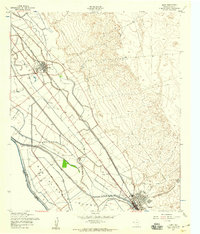 1955 Clint1959 Print · USGSThe El Paso County borderlands are captured here in the mid-1950s, showing the agricultural transformation of San Elizario Island. Genealogists and historians can trace rail-side life in Clint and Fabens, alongside landmarks like San Lorenzo Cemetery and the early Fabens Airfield.2 unique versions available
 - 1959 Map of El Paso, 1968 Print
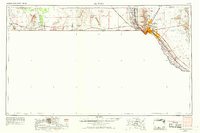 1959 El Paso1968 Print · USGSEl Paso and the international borderlands come alive in this mid-century survey of the Chihuahuan Desert. Genealogists and historians can trace rail-side settlements like Columbus and Fabens, locate the sprawling Fort Bliss, and explore the geologically unique Kilbourne Hole.2 unique versions available
 - 1964 Map of El Paso
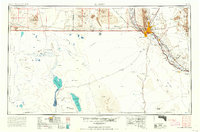 1964 El Paso1964 Print · USGSThe El Paso and Juarez borderlands are shown in detail during the mid-sixties, from the urban center to the remote volcanic craters of the West Potrillo Mountains. Trace the rail-and-river network through Asarco Smeltertown, the Fort Bliss Military Reservation, and Columbus.
 - 1965 Map of El Paso
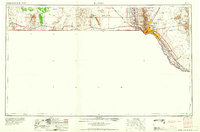 1965 El Paso1965 Print · USGSEl Paso and the Mesilla Valley are shown in the mid-1960s as the region's military and transport infrastructure expanded. Researchers can trace the irrigation network along the Rio Grande, find old border stations like Columbus, and locate Hueco Tanks.
 - 1983 Map of El Paso
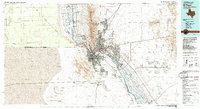 1983 El Paso1983 Print · USGSThe Chihuahuan Desert borderlands come into sharp focus in the early eighties as the binational metro area of El Paso and Ciudad Juarez expands. Genealogists and historians can trace rail lines like the Santa Fe, military grounds at Fort Bliss, and rural valley settlements including Canutillo and Zaragoza.2 unique versions available
 - 1995 Map of Clint
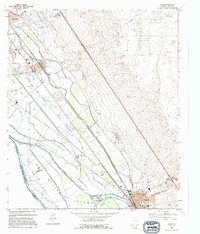 1995 Clint1995 Print · USGSEl Paso County's river valley during the mid-nineties shows a landscape shaped by the Rio Grande and its extensive irrigation canals. Genealogists can trace family footprints at San Lorenzo Cemetery or explore the grids of Clint, Fabens, and Cuadrilla.
 - 2010 Map of Clint, 2010 Print
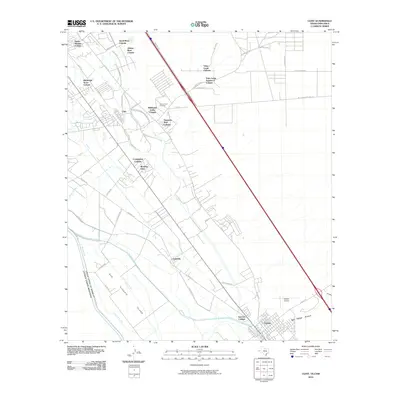 2010 Clint2010 Print · USGSThe Rio Grande valley southeast of El Paso comes into sharp focus during this period of colonia expansion and intensive irrigation. Trace family connections at San Lorenzo Cemetery or explore the layouts of Clint, Cuadrilla, and the agricultural community of Morning Glory.
 - 2012 Map of Clint, 2012 Print
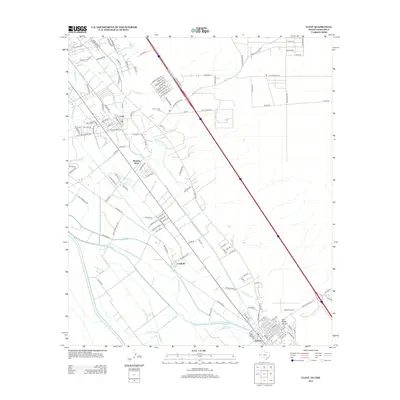 2012 Clint2012 Print · USGSThe Rio Grande valley comes into sharp focus during the early twenty-first century as a complex landscape of irrigation and desert settlement. Local historians can trace the irrigation network from the Riverside Canal to Morning Glory, and locate landmarks like the San Lorenzo Cem and Fabens Airport.
 - 2016 Map of Clint, 2016 Print
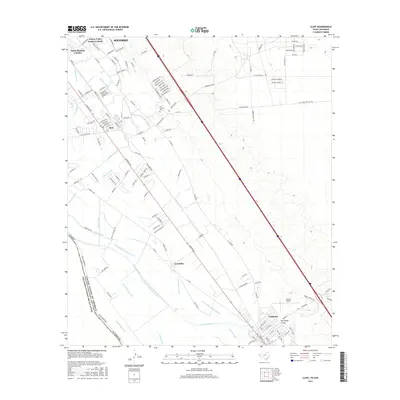 2016 Clint2016 Print · USGSThe Rio Grande Valley southeast of El Paso comes into focus during this mid-2010s survey, showing a landscape defined by international borders and intricate irrigation. Genealogists and local historians can trace the development of Socorro and Fabens or locate the San Lorenzo Cem and Fabens Airport.
 - 2019 Map of Clint, 2019 Print
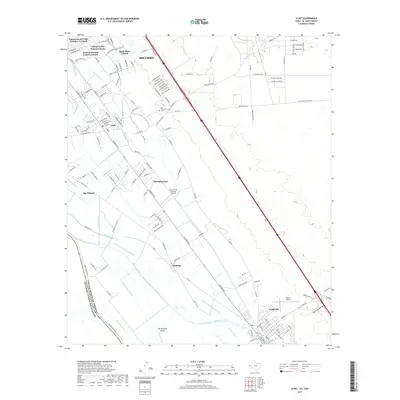 2019 Clint2019 Print · USGSThe Lower El Paso Valley thrives along the border in the late twenty-teens, showing a complex landscape of irrigation and desert settlement. Researchers can trace the development of colonias like Quail Mesa Colonia alongside historic sites like San Lorenzo Cemetery and the town of Clint.
 - 2022 Map of Clint, 2022 Print
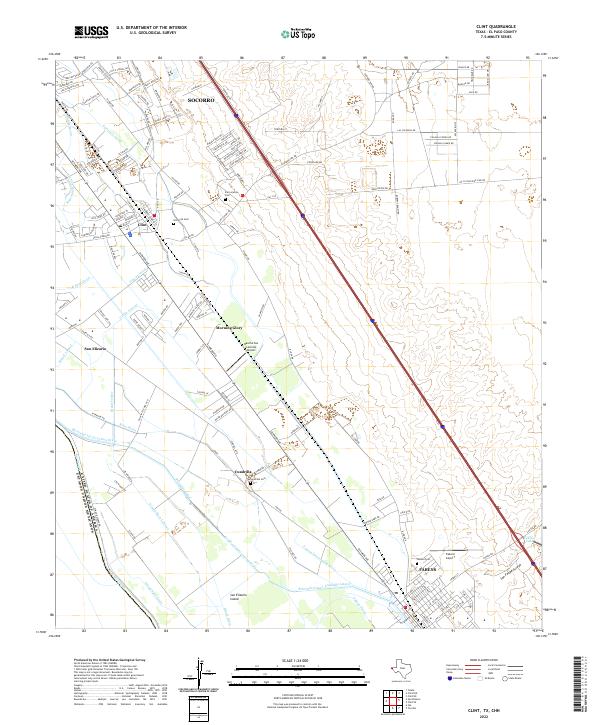 2022 Clint2022 Print · USGSThe El Paso Valley at the start of the 2020s shows a landscape woven with irrigation canals and borderland settlements. Researchers can trace local heritage through sites like Old Clint Cem, San Elizario, and the Lee-Moore-Intercepting-Drain.
End of results
Showing maps 1-16 of 16
Top cities near Morning Glory
- El Paso historical maps
- Socorro historical maps
- Horizon City historical maps
- San Elizario historical maps
- Fabens historical maps
- Tornillo historical maps
See more
Frequently asked questions
- What are the different types of historical maps available for Morning Glory?
- What is the oldest map of Morning Glory?
- Where can I purchase historical maps of Morning Glory for my home or office?
- Where can I download high-res historical maps of Morning Glory?
- Are there historical topographic maps available for Morning Glory?
- Is there historical aerial imagery available for Morning Glory?
- Where are historical maps of Morning Glory sourced from?