Old Maps of Hannibal, Texas for Genealogy
Trace your family roots with 11 historic maps of Hannibal. These high-res maps reveal old neighborhoods, homesites, landmarks, and streets — helping you uncover where your ancestors lived and how the area evolved over time.
- Explore historic neighborhoods: Identify where your relatives may have lived in the 1800s or 1900s.
- Compare maps over time: Trace the changes in streets, buildings, and landmarks for multi-generational research.
- Perfect for genealogy & ancestry research: Used by family historians and researchers to map out lineage and migration.
These maps are an incredible resource for exploring your personal connection to Hannibal's past.
Hannibal, TX maps
(11)- 1890 Map of Stephenville
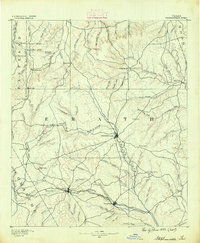 1890 Stephenville1890 Print · USGSErath County at the close of the frontier era centers on the rising trade hub of Stephenville and its surrounding hill country. Researchers can trace the original Texas Central Railroad corridor through Dublin and find vanished locales like Duffau Wells.5 unique versions available
 - 1920 Map of Stephenville
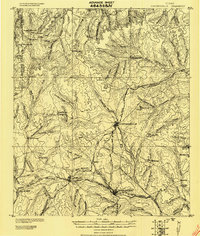 1920 Stephenville1920 Print · USGSErath County thrived at the intersection of three major railroads during the early twentieth century. Genealogists and historians can trace the foundations of Stephenville and Dublin, alongside rural landmarks like Morgan Mill and Tanner School.
 - 1954 Map of Abilene, 1966 Print
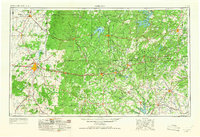 1954 Abilene1966 Print · USGSThe Texas Big Country comes into focus in the mid-1950s as petroleum and new water projects reshape the landscape. Local historians can trace the Butterfield Trail, find the Fort Phantom Hill Ruins, and locate numerous small communities along the Texas & Pacific line.2 unique versions available
 - 1958 Map of Abilene
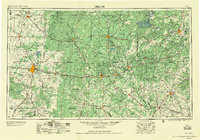 1958 Abilene1958 Print · USGSMid-century West Texas comes alive in this survey of the Abilene and Stephenville region during a period of steady oil expansion and military growth. Genealogists and local historians can trace the paths of the Texas & Pacific RR through historic towns, locate the Fort Griffin Ruins, and find smaller settlements like Desdemona and Lueders.
 - 1965 Map of Huckabay, 1967 Print
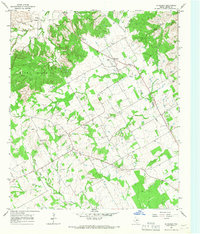 1965 Huckabay1967 Print · USGSThe rolling ranchlands of Erath County are documented here in the mid-1960s, showing the early rural character of the Blue Hills region. Researchers can locate the Hannibal Cem, the Mt Pleasant Cem, and various Gravel Pits along the North Fork Bosque River.2 unique versions available
 - 1985 Map of Stephenville
 1985 Stephenville1985 Print · USGSNorth Central Texas in the mid-eighties shows a landscape defined by ranching, rail history, and early oil towns. Genealogists and historians can trace the paths of the Texas Central railroad and locate rural communities like Desdemona, Lingleville, and Punkin Center.2 unique versions available
 - 2010 Map of Huckabay, 2010 Print
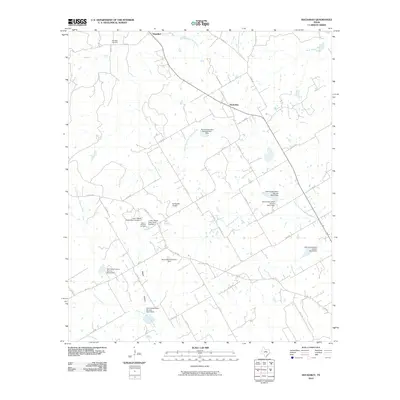 2010 Huckabay2010 Print · USGSErath County's ranching and dairy heartland is captured here in the early twenty-first century, showing the rural communities of Huckabay and Hannibal. Genealogists can locate family landmarks like Hannibal Cemetery and Mount Pleasant Cemetery among the many conservation dams.
 - 2012 Map of Huckabay, 2012 Print
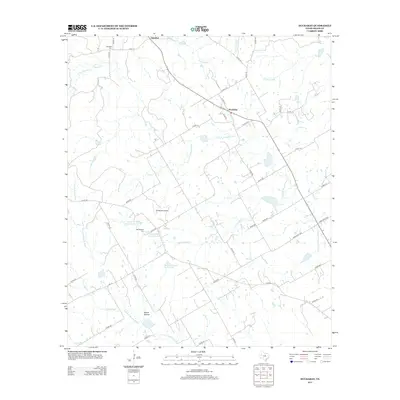 2012 Huckabay2012 Print · USGSHuckabay and the surrounding Erath County ranch lands are detailed here as they appeared in the early twenty-first century. Genealogists and local researchers can locate family sites near the Hannibal Cem, the Ed Shadle Airport, and the Mt Pleasant Cem.
 - 2016 Map of Huckabay, 2016 Print
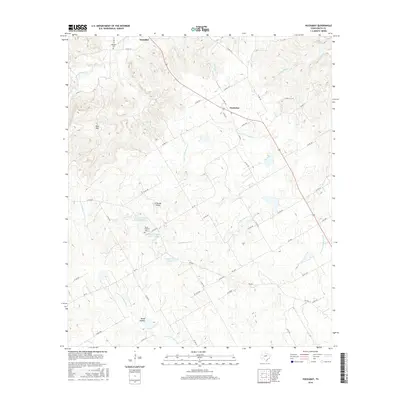 2016 Huckabay2016 Print · USGSHuckabay and the high ranchlands of Erath County are captured here just before the close of the two-thousands-tens. Genealogists and local historians can locate Hannibal Cem, the settlement of Wood Hollow, and the landing strip at Ed Shadle Airport.
 - 2019 Map of Huckabay, 2019 Print
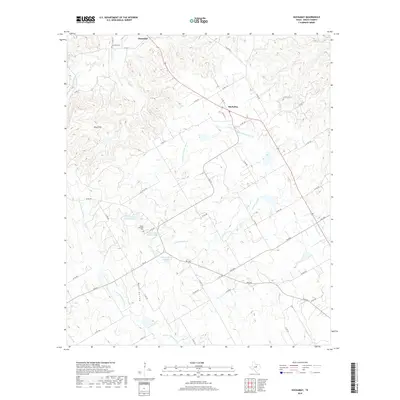 2019 Huckabay2019 Print · USGSErath County's rural ranching and dairy landscapes are documented in this recent survey of the Huckabay and Hannibal areas. Researchers can trace land use through named features like Mount Pleasant Dairy Pond or locate family sites at Hannibal Cem and Mount Pleasant Cem.
 - 2022 Map of Huckabay, 2022 Print
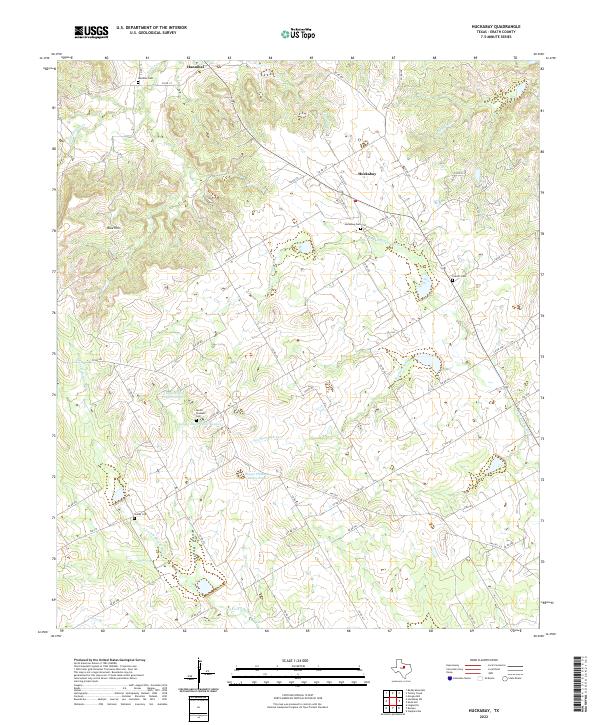 2022 Huckabay2022 Print · USGSHuckabay and the surrounding Erath County countryside are captured here in the early twenty-first century as the landscape remains tied to its river forks and ranching roots. Researchers can trace family history through numerous rural burial sites like Hannibal Cem, Everett Cem, and Mount Pleasant Cem.
End of results
Showing maps 1-11 of 11
Top cities near Hannibal
- Stephenville historical maps
- Strawn historical maps
- Gordon historical maps
- Mingus historical maps
- Stephenville Country Club Lake historical maps
- Thurber historical maps
Frequently asked questions
- What are the different types of historical maps available for Hannibal?
- What is the oldest map of Hannibal?
- Where can I purchase historical maps of Hannibal for my home or office?
- Where can I download high-res historical maps of Hannibal?
- Are there historical topographic maps available for Hannibal?
- Is there historical aerial imagery available for Hannibal?
- Where are historical maps of Hannibal sourced from?