2000s (21st Century) Maps of Garza County, Texas
Explore 125 historic maps of Garza County from the 2000s (21st Century). These maps offer a rare glimpse into what life looked like during the 2000s — showing old roads, neighborhoods, homes, and landmarks that have changed or disappeared over time.
Whether you're researching your family's past, planning a metal detecting trip, or studying how Garza County's landscape evolved across the 2000s, these high-resolution maps are a powerful tool for exploring the history of this region.
- Focus on a specific era: All maps on this page are from the 2000s, giving you a focused view of this time period.
- See what’s changed: Compare century-old streets, trails, and buildings to today's modern landscape using overlays and satellite layers.
- Research with precision: Use these maps for genealogy, historical research, land use analysis, or educational projects.
- View, download, or print: Maps are fully viewable online in high resolution, and can be downloaded or printed for your own records.
Start exploring Garza County's history through authentic maps from the 2000s. This is your window into the past.
Garza County, TX maps
(125)- 2010 Map of Cooper Creek, 2010 Print
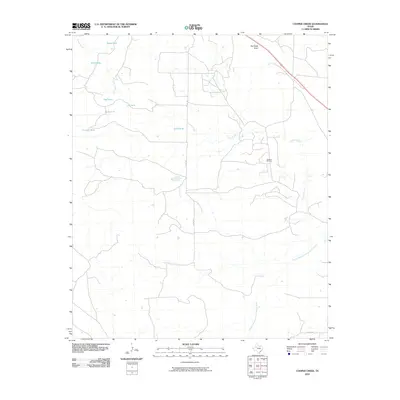 2010 Cooper Creek2010 Print · USGSGarza County, Texas, was a landscape defined by water management and energy production in the early twenty-first century. Researchers can trace the infrastructure of the Rocker A Oil Field and the scattered livestock waters of Pipe Tank and Kelly Tank.
 - 2010 Map of Cap Rock SE, 2010 Print
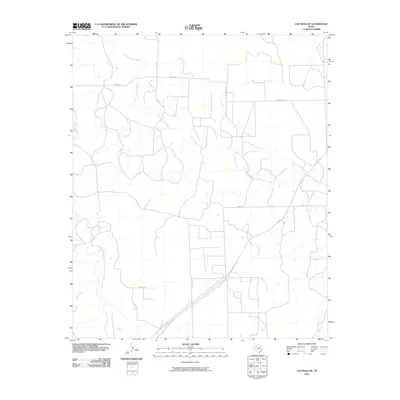 2010 Cap Rock SE2010 Print · USGSGarza County at the turn of the decade is defined by the winding paths of the Salt Fork Brazos River and the rural road grid. Researchers can trace land access via Mc Donald Rd and Co Rd 190 near the confluence with Falls Creek.
 - 2010 Map of Slaton NE, 2010 Print
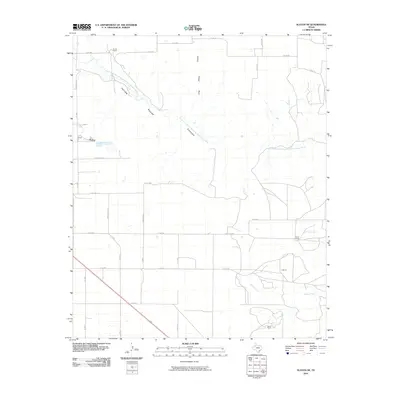 2010 Slaton NE2010 Print · USGSNortheast of Slaton in the early twenty-first century, the Lubbock County landscape is defined by the deep incision of Yellow House Canyon. Researchers can trace the rural property boundaries of Forest Ranch and V Ranch along the North Fork Double Mountain Fork Brazos River.
 - 2010 Map of Post East, 2010 Print
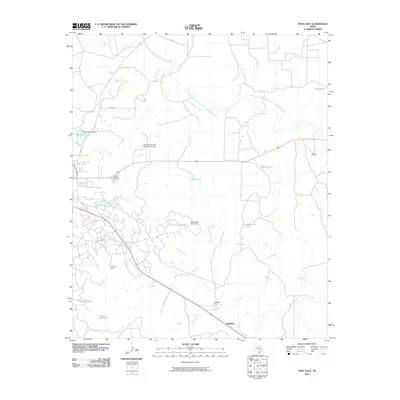 2010 Post East2010 Print · USGSGarza County's ranching and petroleum landscape is captured here in the early twenty-first century, just east of the city of Post. Researchers can locate the Garza Oil Field, family landmarks like Kirkpatrick Ranch, and the Terrace Cemetery.
 - 2010 Map of South Dokegood Creek, 2010 Print
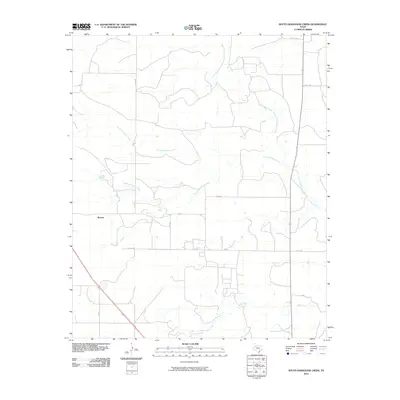 2010 South Dokegood Creek2010 Print · USGSGarza County's rural landscape is captured here in the early twenty-first century, showing the intersection of ranch roads and river forks. Researchers can trace the layout of Buenos and the winding paths of North Dokegood Creek and South Dokegood Creek.
 - 2010 Map of Post West, 2010 Print
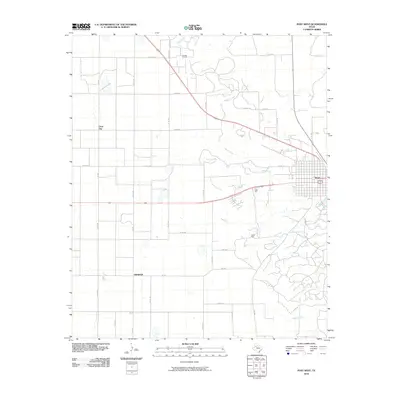 2010 Post West2010 Print · USGSThe Garza County plains are captured here in the early twenty-first century as rural homesteads and agricultural tracts surround Close City. Researchers can trace local landmarks and drainage patterns along Sand Creek and Falls Creek as they wind through the regional road grid.
 - 2010 Map of Kalgary, 2010 Print
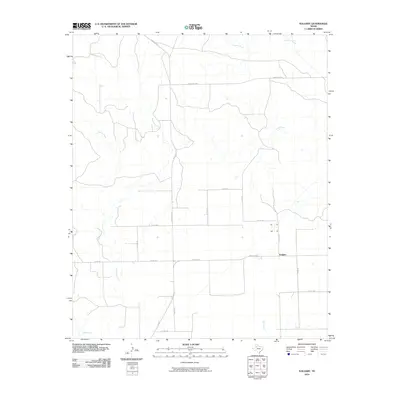 2010 Kalgary2010 Print · USGSCrosby County ranching country is centered on the small community of Kalgary in the early twenty-first century. Researchers can trace the rural road network and identify local landmarks like McDonald Creek, Yankee Creek, and Ranch Rd 2794.
 - 2010 Map of Justiceburg NW, 2010 Print
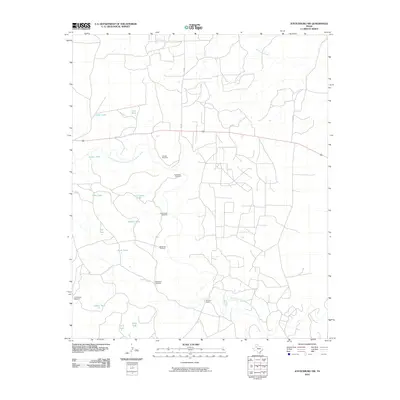 2010 Justiceburg NW2010 Print · USGSGarza County ranching country is documented here during the early twenty-first century, showing a landscape shaped by water and wind. Researchers can trace historic family operations at McCrary Ranch or locate old water landmarks like Twin Sisters Tanks and the Red Tower Windmill.
 - 2010 Map of Justiceburg, 2010 Print
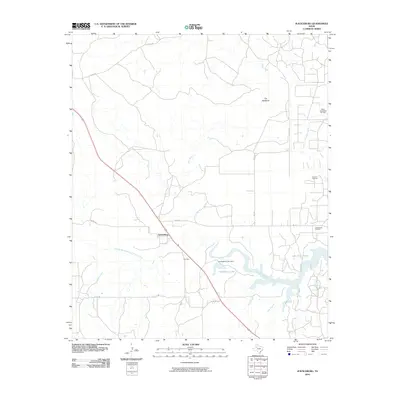 2010 Justiceburg2010 Print · USGSJusticeburg and the surrounding Garza County canyons are documented here in the early twenty-first century as a landscape of reservoirs and oil exploration. Trace the development of Lake Alan Henry, the localized Justiceburg Oil Field, and rugged terrain like The Badlands.
 - 2010 Map of Flat Top Mountain, 2010 Print
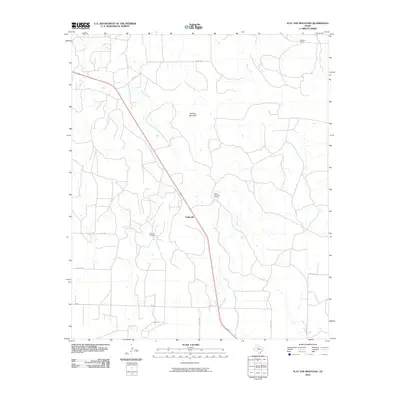 2010 Flat Top Mountain2010 Print · USGSScurry County ranch lands and petroleum interests are captured here during the first decade of the new millennium. Researchers can trace the legacy of local families through the Fuller Brothers L P Ranch and Williams Ranch, or locate the Lozone Oil Field near Fullerville.
 - 2010 Map of Twomile Creek, 2010 Print
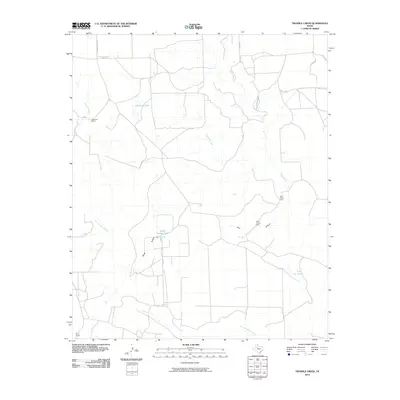 2010 Twomile Creek2010 Print · USGSGarza County ranch lands and the winding Salt Fork Brazos River are documented here in the early twenty-first century. Genealogists and historians can trace established homesteads and outposts like Swenson Ranch, Red Arroyo Camp, and the Bird Ranch.
 - 2010 Map of Fluvanna, 2010 Print
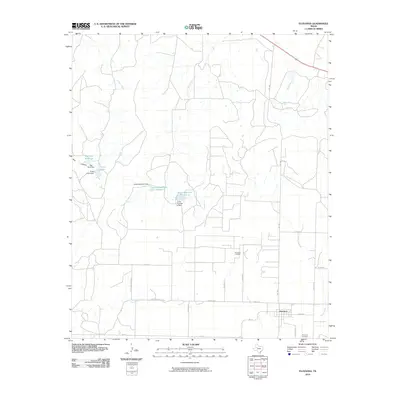 2010 Fluvanna2010 Print · USGSFluvanna and the high plains of Scurry County are documented here in the early twenty-first century as petroleum and ranching define the land. Researchers can trace local lineage at the Fluvanna Cemetery and locate industrial landmarks like the Fluvanna Oil Field or Parks Lake.
 - 2010 Map of Grassland, 2010 Print
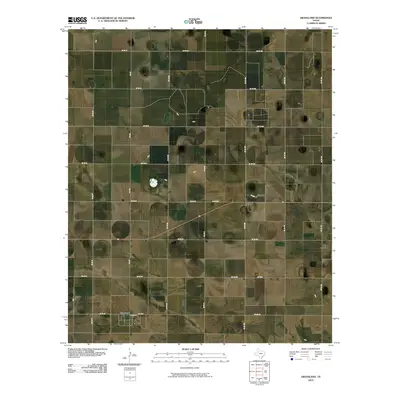 2010 Grassland2010 Print · USGSLynn County agricultural life is captured here in the decade following the millennium, showing a landscape defined by its rigid grid of section roads. Researchers can trace the rural layout of Grassland and the network of routes like Fm 212 and Co Rd HH.
 - 2010 Map of Cottonwood Creek, 2010 Print
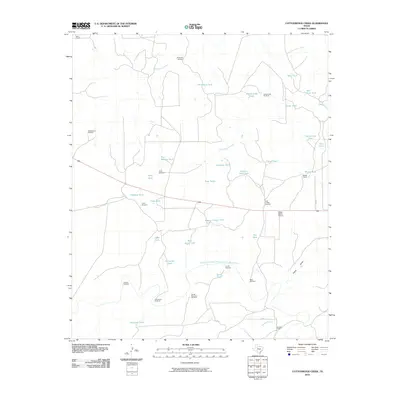 2010 Cottonwood Creek2010 Print · USGSTexas ranching culture is on full display in this early 2000s study of the Brazos River drainage. Genealogists and local historians can trace legacy properties like Bird Ranch or find distinct landmarks such as Schoolhouse Windmill and Beggs Ranch Airport.
 - 2010 Map of Grassland SE, 2010 Print
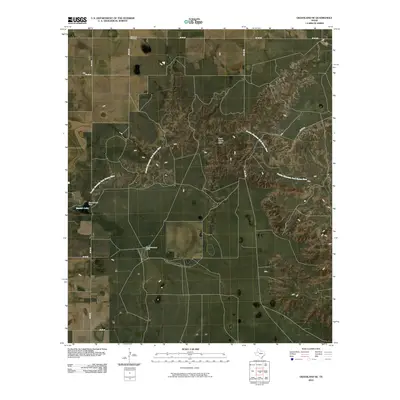 2010 Grassland SE2010 Print · USGSGarza County, Texas, is shown in the early twenty-first century as a landscape defined by ranching and the Double Mountain Fork Brazos River. Researchers can locate family landmarks like Post Montgomery Ranch and Grassland Cemetery among the rural county road grid.
 - 2010 Map of Middle Creek, 2010 Print
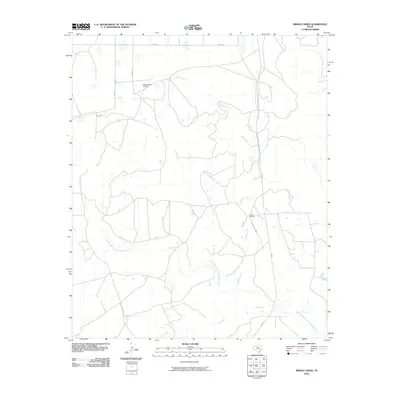 2010 Middle Creek2010 Print · USGSGarza County ranch lands are documented here in the early twenty-first century, showing the intersection of waterway systems and large-scale cattle operations. Researchers can locate the U Lazy S Ranch and Macy Ranch Airport, or trace the winding course of the Double Mountain Fork Brazos River.
 - 2010 Map of Cap Rock, 2010 Print
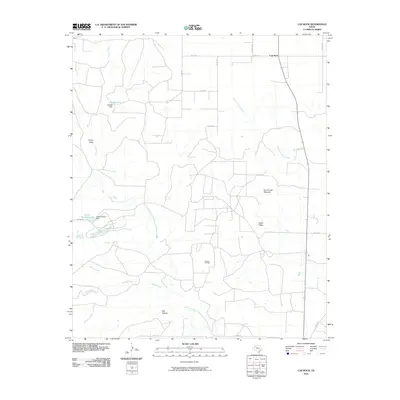 2010 Cap Rock2010 Print · USGSThe Crosby County breaks are on full display in this 2010 survey of the Brazos River headwaters. Trace the rugged terrain from Courthouse Mountain and Indian Ridge down to the Forbes Oil Field and the waters of Caddell Lake.
 - 2010 Map of Canyon Valley, 2010 Print
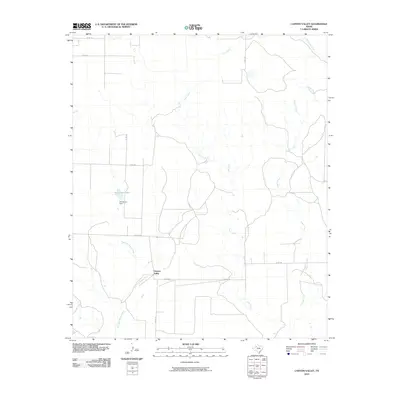 2010 Canyon Valley2010 Print · USGSCrosby County, Texas, was defined by its winding waterways and ranching infrastructure at the start of the decade. Researchers can trace family land along the Salt Fork Brazos River and locate features like Henderson Dam and the Canyon Valley settlement.
 - 2010 Map of Justiceburg SE, 2010 Print
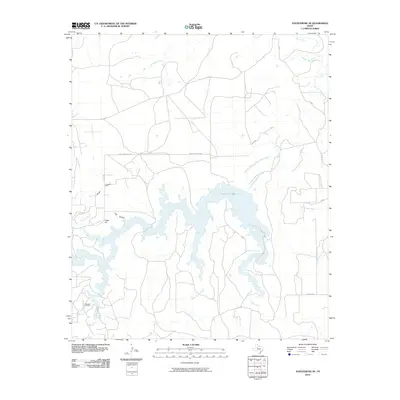 2010 Justiceburg SE2010 Print · USGSGarza County, Texas, was defined by its water resources and energy production in the early twenty-first century. Researchers can map the footprint of the Dorward Oil Field or trace the drainage of Lake Alan Henry and the Double Mountain Fork Brazos River.
 - 2010 Map of Smith Tank, 2010 Print
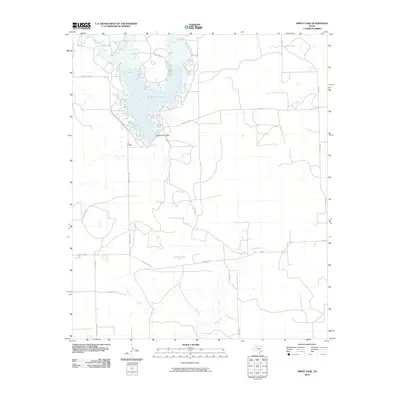 2010 Smith Tank2010 Print · USGSGarza County, Texas, is mapped here in the early twenty-first century, centered on the vital waters of White River Lake. Researchers can trace the rural road network including Chimney Creek Rd and locate landmarks like White River Dam and Smith Tank.
 - 2010 Map of Verbena, 2010 Print
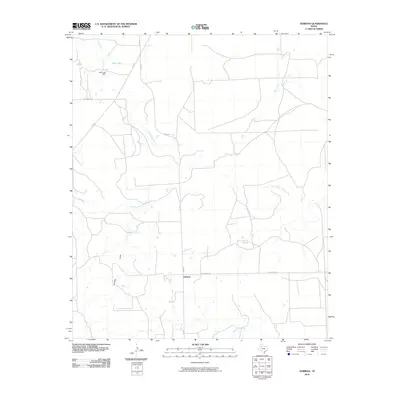 2010 Verbena2010 Print · USGSThe rural landscape of Garza County is captured here in the early 2000s, centered on the small crossroads of Verbena. Researchers can trace the winding Salt Fork Brazos River and locate local landmarks such as Cash Lake Dam and the path of Slicknasty Creek.
 - 2010 Map of Beal Hollow, 2010 Print
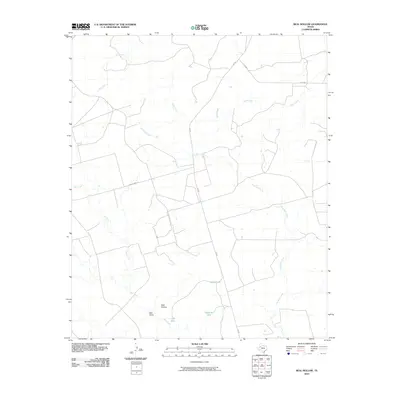 2010 Beal Hollow2010 Print · USGSGarza County, Texas, is shown in the early twenty-first century as a landscape defined by its essential water management and ranching roads. Researchers can trace the drainages of Little Bull Creek and locate landmarks like Cliff Tank and Beal Hollow.
 - 2010 Map of Gail NE, 2010 Print
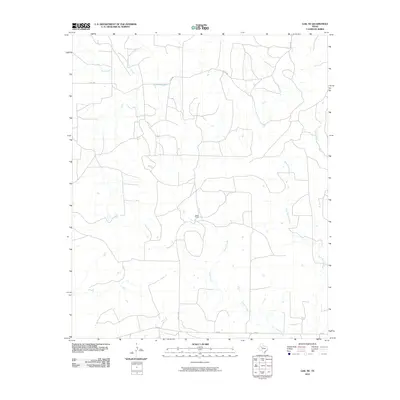 2010 Gail NE2010 Print · USGSGarza County in the early twenty-first century is a landscape of expansive ranchlands and winding tributaries. Researchers can trace rural property lines and water sources from the Miller Ranch to the Double Mountain Fork Brazos River and Gavett Creek.
 - 2010 Map of Indian Canyon NE, 2010 Print
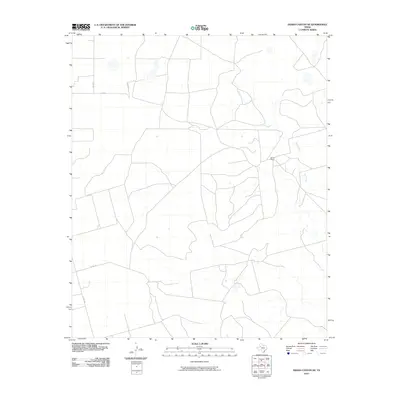 2010 Indian Canyon NE2010 Print · USGSGarza County at the turn of the decade remains a landscape of sprawling cattle operations and quiet creek beds. Genealogists and land researchers can pinpoint the location of Dennis Ranch and trace the paths of CO RD 138 and Bull Creek.
 - 2010 Map of Southland, 2010 Print
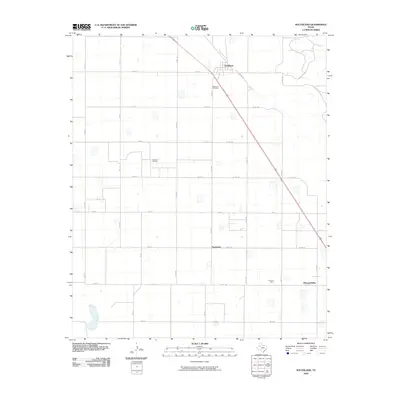 2010 Southland2010 Print · USGSThe High Plains of Garza County are captured here during a period of established agricultural and energy production. Genealogists and local historians can trace the grid of rural life through Resthaven Cemetery, the settlement at Southland, and the Suniland Oil Field.
Showing maps 1-25 of 125
Top cities of Garza County
Frequently asked questions
- What are the different types of historical maps available for Garza County?
- What is the oldest map of Garza County?
- Where can I purchase historical maps of Garza County for my home or office?
- Where can I download high-res historical maps of Garza County?
- Are there historical topographic maps available for Garza County?
- Is there historical aerial imagery available for Garza County?
- Where are historical maps of Garza County sourced from?