Old Maps of Otis Chalk, Texas for Metal Detecting
Plan your next treasure hunt with 11 historic maps of Otis Chalk. Find old homesites, ghost towns, trails, and gathering spots that may be lost to time — perfect for identifying promising metal detecting locations.
- Locate forgotten sites: Uncover places like long-lost settlements, abandoned rail lines, or gathering spots.
- Plan better hunts: Use map overlays combined with LiDAR or satellite views to narrow in on historically rich areas.
- Made for detectorists: Thousands of hobbyists use these maps to discover relics, coins, and hidden history.
Use these historic maps to boost your research and find new opportunities beneath the surface of Otis Chalk.
Otis Chalk, TX maps
(11)- 1941 Map of Big Spring South, 1949 Print
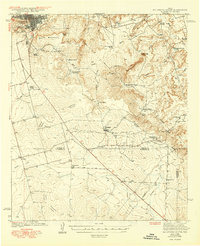 1941 Big Spring South1949 Print · USGSHoward County ranching and early oil development are captured here in the late thirties. Genealogists can trace family holdings like W T Roberts Ranch and find rural landmarks such as Chalk Sch or the remote Hollis siding.2 unique versions available
 - 1942 Map of Big Spring South
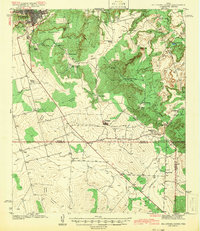 1942 Big Spring South1942 Print · USGSThe West Texas ranchlands south of Big Spring come alive in this late Depression-era survey. Genealogists and historians can locate family landmarks like the Wasson Ranch, Panther Draw Sch, and the early oil-era settlement of Forsan.
 - 1954 Map of Big Spring, 1965 Print
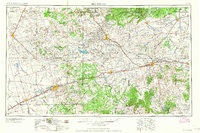 1954 Big Spring1965 Print · USGSWest Texas in the mid-1950s shows a landscape of growing oil towns and vital rail links along the Texas and Pacific RR. Researchers can trace the development of Big Spring, find smaller settlements like Knott and Lomax, or locate landmarks such as Boyds Chapel and Signal Mountain.4 unique versions available
 - 1958 Map of Big Spring
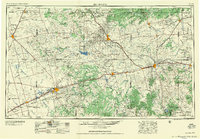 1958 Big Spring1958 Print · USGSThe West Texas oil boom was in full swing during the late fifties, transforming the landscape around Howard and Mitchell counties. Genealogists and historians can trace the growth of Big Spring and Snyder alongside industrial landmarks like the Kelly-Snyder Oil Field and the Santa Fe rail lines.
 - 1971 Map of Moss Creek Lake, 1974 Print
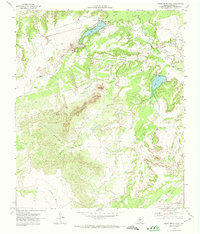 1971 Moss Creek Lake1974 Print · USGSThe High Plains of Howard County are shown here in the early 1970s, at a time when oil production and water management shaped the local landscape. Researchers can locate the Howard Glasscock Oil Field, the community of Otis Chalk, and landmarks like Signal Peak.
 - 1986 Map of Big Spring
 1986 Big Spring1986 Print · USGSWest Texas in the mid-eighties was a landscape defined by the deep roots of the petroleum industry and the path of the railroad. You can trace the expansive Snyder Oil Field, follow the Missouri Pacific line, or locate rural centers like Coahoma and Knott.2 unique versions available
 - 2010 Map of Moss Creek Lake, 2010 Print
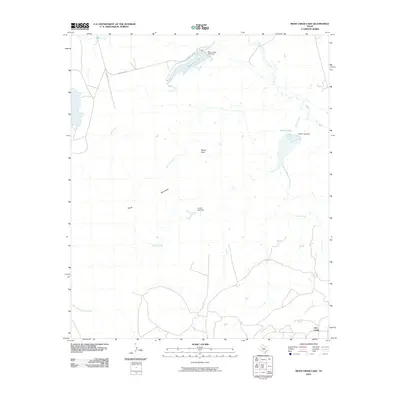 2010 Moss Creek Lake2010 Print · USGSThe rural landscape around Otis Chalk is captured here in the early twenty-first century, showing a region shaped by its reservoirs and prominent high points. Researchers can trace local water infrastructure and landmarks like Signal Peak, Moss Creek Lake, and the small settlement at Otis Chalk.
 - 2012 Map of Moss Creek Lake, 2012 Print
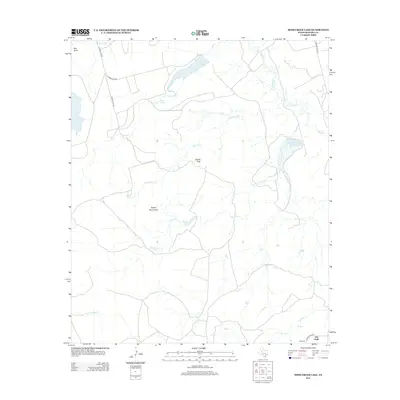 2012 Moss Creek Lake2012 Print · USGSHoward County and the settlement of Otis Chalk are captured here in the early twenty-first century, showcasing a landscape of intermittent creeks and high peaks. Researchers can trace local water sources like Barnett Spring or explore the heights of Signal Peak.
 - 2016 Map of Moss Creek Lake, 2016 Print
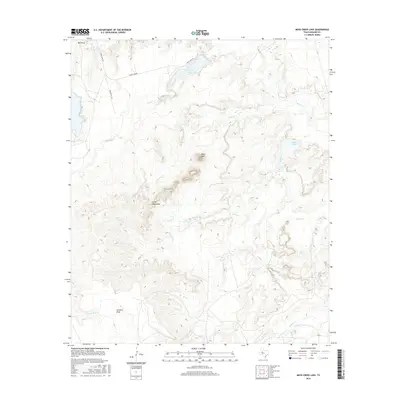 2016 Moss Creek Lake2016 Print · USGSHoward County in the mid-2010s reveals a landscape of high-plains water sources and prominent peaks. Researchers can trace the drainage of Beals Cr and Devils Cr or locate family-named landmarks like Barnett Spring and the Signal Mountains.
 - 2019 Map of Moss Creek Lake, 2019 Print
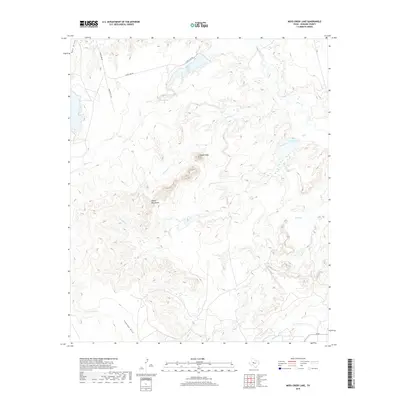 2019 Moss Creek Lake2019 Print · USGSThe West Texas landscape of Howard County is defined here by its critical water sources and high-ground landmarks. Researchers can trace the drainages of Cannibal Draw and find notable points like Moss Spring and the prominent Signal Peak.
 - 2022 Map of Moss Creek Lake, 2022 Print
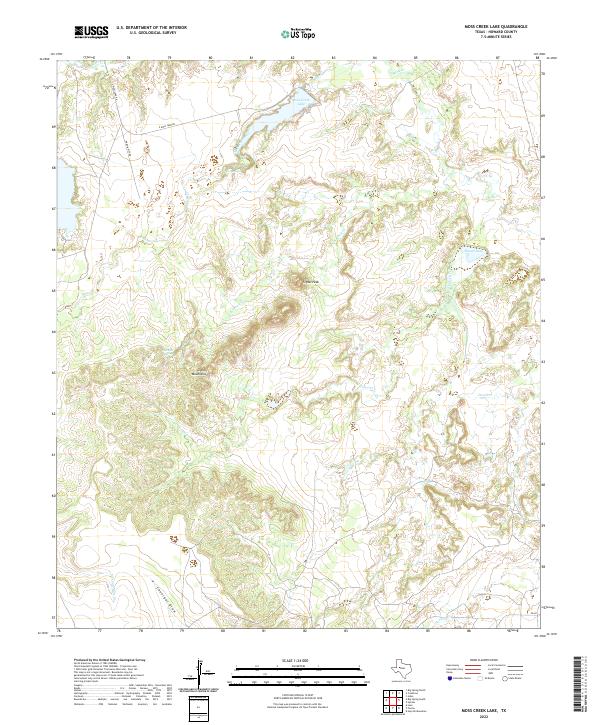 2022 Moss Creek Lake2022 Print · USGSHoward County's high plains and deep draws are shown here in the early twenty-first century, centered on the waters of Moss Creek Lake. Trace the local topography from the heights of Signal Peak down to historic water sources like Barnett Spring and Moss Spring.
End of results
Showing maps 1-11 of 11
Top cities near Otis Chalk
Frequently asked questions
- What are the different types of historical maps available for Otis Chalk?
- What is the oldest map of Otis Chalk?
- Where can I purchase historical maps of Otis Chalk for my home or office?
- Where can I download high-res historical maps of Otis Chalk?
- Are there historical topographic maps available for Otis Chalk?
- Is there historical aerial imagery available for Otis Chalk?
- Where are historical maps of Otis Chalk sourced from?