Old Maps of Grow, Texas
Explore 8 old maps of Grow, spanning from 1954 to today. These high-resolution historic maps reveal how streets, neighborhoods, landmarks, and natural features evolved over time — perfect for genealogy, metal detecting, research, and local history exploration.
What you can do with these maps:
- See how Grow changed over time: Compare historical maps to modern-day views to trace roads, homesites, rail lines & more.
- View detailed metadata: Each map includes creators, publishers, year, scale, and archive source.
- Overlay maps with satellite & LiDAR: Visualize the past alongside modern tools to explore terrain & human change.
- Trusted historical sources: Maps sourced from the USGS, Library of Congress, and other archives.
- Access maps your way: View online, download high-res files, or order prints for personal or research use.
Start exploring old maps of Grow to uncover forgotten places, hidden landmarks, and the deep history beneath your feet.
Grow, TX maps
(8)- 1954 Map of Lubbock, 1958 Print
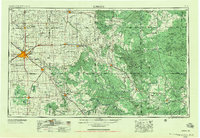 1954 Lubbock1958 Print · USGSThe High Plains and Caprock region of West Texas come alive in the mid-1950s, showing a landscape defined by oil discovery and the Brazos River headwaters. Genealogists and historians can trace rail-connected towns like Roaring Springs, find the Pleasant Valley church, or locate family-named landmarks such as Soldier Mound.4 unique versions available
 - 1968 Map of Grow, 1970 Print
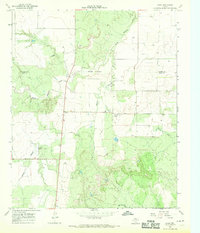 1968 Grow1970 Print · USGSThe West Texas ranchlands of King County are captured here in the late sixties, where the North Wichita River meets a network of rural outposts. Genealogists and historians can trace local life at the Finney Community Center, Grow, and the settlement of Richards.
 - 1985 Map of Dickens
 1985 Dickens1985 Print · USGSThe West Texas ranchlands near the Dickens and King County lines are shown here in the mid-eighties as a network of rural settlements and canyon terrain. Trace family roots or land boundaries near Roaring Springs, Soldier Mound, or the Fort Worth and Denver Railroad.2 unique versions available
 - 2010 Map of Grow, 2010 Print
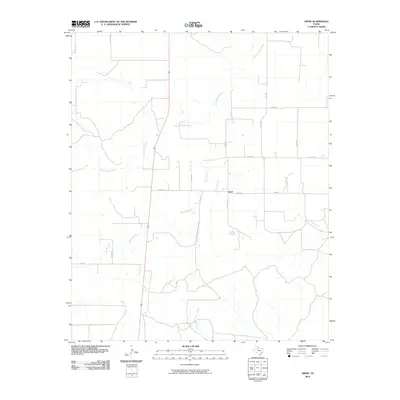 2010 Grow2010 Print · USGSKing County ranching country is captured here during the first decade of the new millennium. Researchers can trace the drainage of the North Wichita River and Buford Branch or locate rural landmarks near Grow and FM 1168.
 - 2012 Map of Grow, 2012 Print
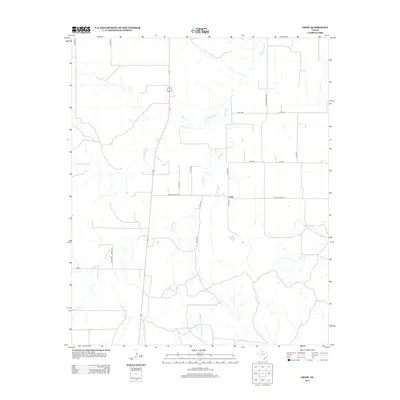 2012 Grow2012 Print · USGSTexas ranching country in King County is captured here in the early twenty-first century. Researchers can trace the drainage of the N Wichita River and locate the small community of Grow along the intersection of Ranch Road 1168 and FM-1168.
 - 2016 Map of Grow, 2016 Print
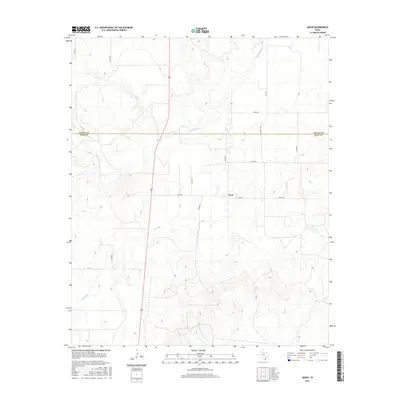 2016 Grow2016 Print · USGSThe rural landscape of the Texas Rolling Plains comes into focus in this recent survey of the area surrounding Grow. Genealogists and local historians can trace the paths of FM 1168 and FM 193 as they cross the N Wichita River and Buford Br.
 - 2019 Map of Grow, 2019 Print
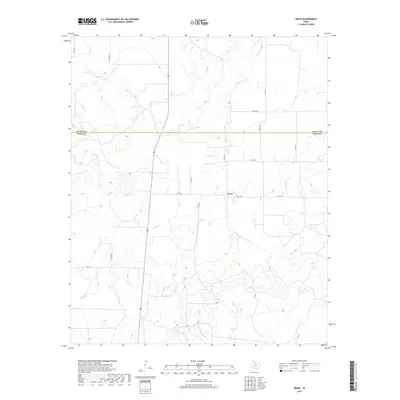 2019 Grow2019 Print · USGSThe rural boundary between King and Cottle Counties comes into focus in the late twenty-teens, centered on the small community of Grow. Researchers can trace the winding paths of the N Wichita River and find local landmarks like Buford Br and FM 1168.
 - 2022 Map of Grow, 2022 Print
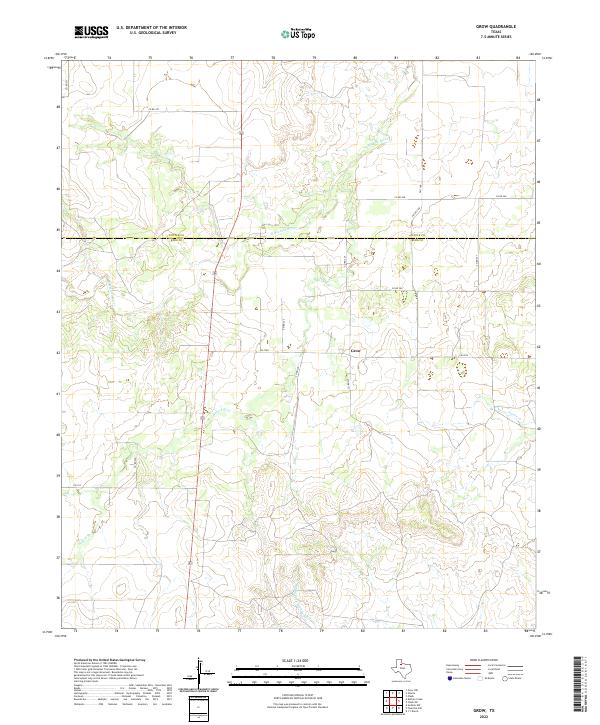 2022 Grow2022 Print · USGSThe northern edge of King County comes into focus in this recent survey, centered on the ranching community of Grow. Researchers can trace the winding paths of the N Wichita River and Buford Br through this characteristic Texas plains landscape.
End of results
Showing maps 1-8 of 8
Top cities near Grow
Frequently asked questions
- What are the different types of historical maps available for Grow?
- What is the oldest map of Grow?
- Where can I purchase historical maps of Grow for my home or office?
- Where can I download high-res historical maps of Grow?
- Are there historical topographic maps available for Grow?
- Is there historical aerial imagery available for Grow?
- Where are historical maps of Grow sourced from?