Old Maps of Cool, Texas
Explore 25 old maps of Cool, spanning from 1891 to today. These high-resolution historic maps reveal how streets, neighborhoods, landmarks, and natural features evolved over time — perfect for genealogy, metal detecting, research, and local history exploration.
What you can do with these maps:
- See how Cool changed over time: Compare historical maps to modern-day views to trace roads, homesites, rail lines & more.
- View detailed metadata: Each map includes creators, publishers, year, scale, and archive source.
- Overlay maps with satellite & LiDAR: Visualize the past alongside modern tools to explore terrain & human change.
- Trusted historical sources: Maps sourced from the USGS, Library of Congress, and other archives.
- Access maps your way: View online, download high-res files, or order prints for personal or research use.
Start exploring old maps of Cool to uncover forgotten places, hidden landmarks, and the deep history beneath your feet.
Cool, TX maps
(25)- 1891 Map of Weatherford
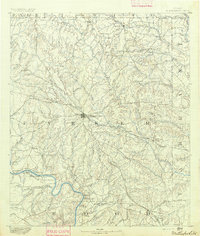 1891 Weatherford1891 Print · USGSParker County and the surrounding ranchlands are shown here in the 1890s as the rail network transformed the region. Researchers can trace early river transport at Powell Ferry or locate vanished sites like Veal Station, Center Mill, and the Bear Creek P.O.
 - 1891 Map of Palo Pinto
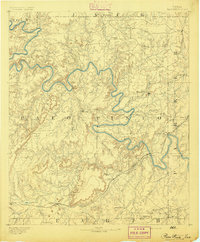 1891 Palo Pinto1891 Print · USGSNorth Texas in the late nineteenth century was a landscape of winding river bends and emerging coal towns. Genealogists and historians can trace early river crossings at Oaks Ferry, the path of the Texas and Pacific Railroad, and the Coal Mines at Coalville.7 unique versions available
 - 1893 Map of Weatherford
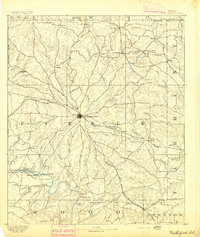 1893 Weatherford1893 Print · USGSParker County was at a pivotal turning point in the late nineteenth century as railroads began to stitch together the North Texas cattle country. Genealogists and local historians can trace early crossings like Powell Ferry and landmarks like Center Mill or Veal Station.5 unique versions available
 - 1918 Map of Palo Pinto
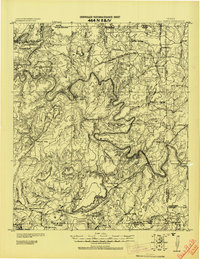 1918 Palo Pinto1918 Print · USGSPalo Pinto County and the Brazos River valley appear here in the final year of the Great War, showing a landscape shaped by coal and steam. Genealogists and historians can locate defunct river crossings like Oaks Ferry, early rural education at Marsden School, and the extensive Coal Mines that once powered the regional economy.
 - 1927 Map of Mineral Wells
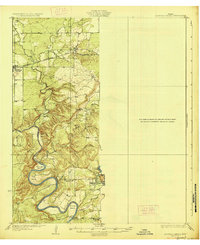 1927 Mineral Wells1927 Print · USGSThe Brazos River carves a winding path through Palo Pinto County in the mid-1920s, defining a landscape of deep hollows and sharp river bends. Researchers can trace early rural schools like Union Hill School and the route of the Weatherford Mineral Wells and Northwestern rail line.2 unique versions available
 - 1954 Map of Dallas, 1963 Print
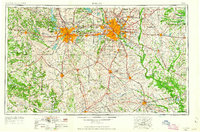 1954 Dallas1963 Print · USGSNorth Texas in the mid-fifties and early sixties reveals a landscape of rapid urban growth and water management. Genealogists and historians can trace the evolution of the metroplex through landmarks like Hensley Field, Boles Orphan Home, and the Texas & Pacific RR.4 unique versions available
 - 1954 Map of Abilene, 1966 Print
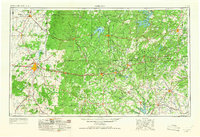 1954 Abilene1966 Print · USGSThe Texas Big Country comes into focus in the mid-1950s as petroleum and new water projects reshape the landscape. Local historians can trace the Butterfield Trail, find the Fort Phantom Hill Ruins, and locate numerous small communities along the Texas & Pacific line.2 unique versions available
 - 1958 Map of Dallas
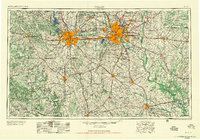 1958 Dallas1958 Print · USGSNorth Texas in the late fifties shows the dramatic expansion of the Metroplex as it absorbs surrounding farm towns. Genealogists and historians can trace old rail lines like the Missouri-Kansas-Texas and locate early lakefront developments at Eagle Mountain Lake and Lake Worth Village.
 - 1958 Map of Abilene
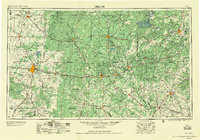 1958 Abilene1958 Print · USGSMid-century West Texas comes alive in this survey of the Abilene and Stephenville region during a period of steady oil expansion and military growth. Genealogists and local historians can trace the paths of the Texas & Pacific RR through historic towns, locate the Fort Griffin Ruins, and find smaller settlements like Desdemona and Lueders.
 - 1959 Map of Mineral Wells, 1960 Print
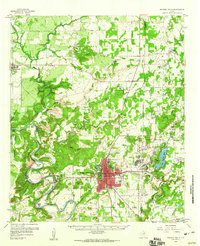 1959 Mineral Wells1960 Print · USGSMineral Wells and the surrounding Palo Pinto ranch lands are captured here during the height of the Cold War helicopter training era. Researchers can trace the massive footprint of Camp Wolters, the winding Brazos River bends, and local landmarks like Staggs Prairie Cem.2 unique versions available
 - 1959 Map of Garner, 1960 Print
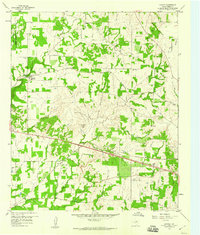 1959 Garner1960 Print · USGSIn the late 1950s, this part of Parker County was a crossroads of the Texas and Pacific and Northwestern railroads. Researchers can locate family landmarks such as Author Cem, rural congregations like Newberry Ch, and the small settlement at Garner.3 unique versions available
 - 1959 Map of Weatherford, 1960 Print
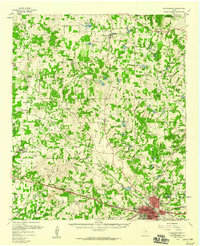 1959 Weatherford1960 Print · USGSParker County at the end of the fifties reveals a landscape of growing towns and established rural crossroads. Genealogists and historians can trace family-named sites from Poolville to Peaster, including Zion Hill Ch and Weatherford College.2 unique versions available
 - 1984 Map of Mineral Wells East, 1986 Print
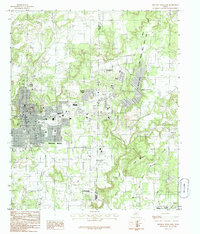 1984 Mineral Wells East1986 Print · USGSMineral Wells and its eastern neighbors are shown in the early 1980s as the region transitioned from military influence to recreation and education. Genealogists can trace family connections in Wolters Village, Sturdivant, or Millsap and locate landmarks like Weatherford College.
 - 1985 Map of Fort Worth
 1985 Fort Worth1985 Print · USGSMid-1980s Tarrant County and Parker County emerge from a transition between urban sprawl and rural cattle country. Researchers can trace the expansion of Fort Worth and Arlington alongside older landmarks like Nebo Mtn and Kikapoo Falls.2 unique versions available
 - 1985 Map of Mineral Wells
 1985 Mineral Wells1985 Print · USGSNorth-central Texas in the mid-eighties shows a landscape of deep river valleys and massive reservoirs. Genealogists and historians can trace the Missouri Pacific rail line and locate rural settlements like Thurber, Necessity, and Palo Pinto.2 unique versions available
 - 2010 Map of Mineral Wells East, 2010 Print
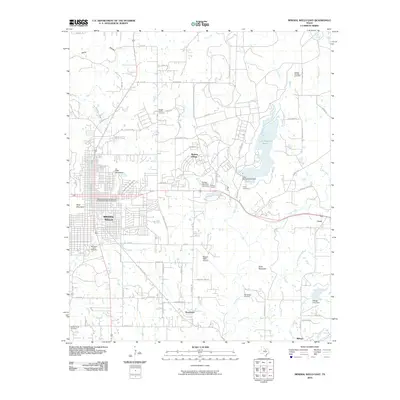 2010 Mineral Wells East2010 Print · USGSMineral Wells and the eastern Palo Pinto County landscape are documented here at the start of the 2010s. Genealogists and local historians can trace family plots at Staggs Prairie Cemetery or locate historic landmarks like the Northwestern Railroad Depot.
 - 2010 Map of Garner, 2010 Print
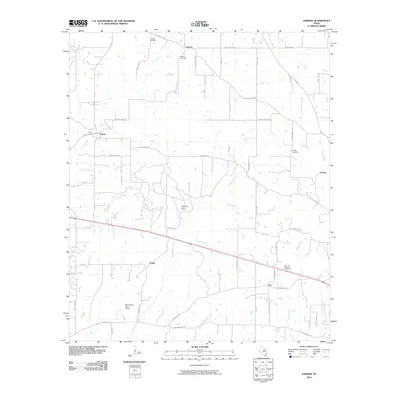 2010 Garner2010 Print · USGSParker County's rural landscape is captured here in the early twenty-first century, showing a network of ranch roads and historic settlements. Genealogists can trace family footprints through sites like Fondren Cemetery, Lemley Cemetery, and the community of Authon.
 - 2012 Map of Mineral Wells East, 2012 Print
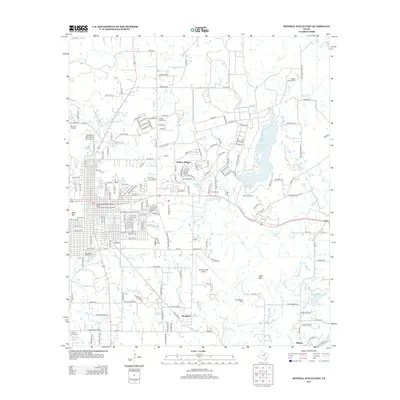 2012 Mineral Wells East2012 Print · USGSMineral Wells and its eastern surroundings are captured here just after the first decade of the millennium. Local researchers can trace old rail lines at the Weatherford Mineral Wells and Northwestern Railroad Depot or locate family sites like Staggs Prairie Cem and the community of Sturdivant.
 - 2012 Map of Garner, 2012 Print
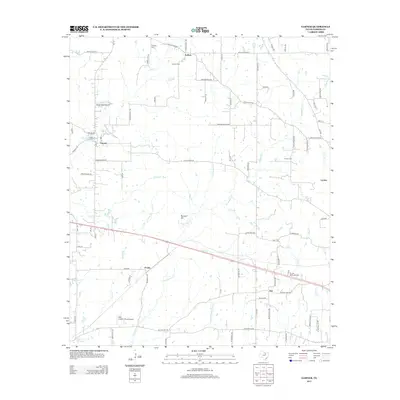 2012 Garner2012 Print · USGSParker County's rural character and family-held lands are preserved here in the early twenty-first century. Researchers can trace ancestral lines through the Authon Cem and Lemley Cem or locate the small hubs of Garner and Fox along Grindstone Cr.
 - 2016 Map of Mineral Wells East, 2016 Print
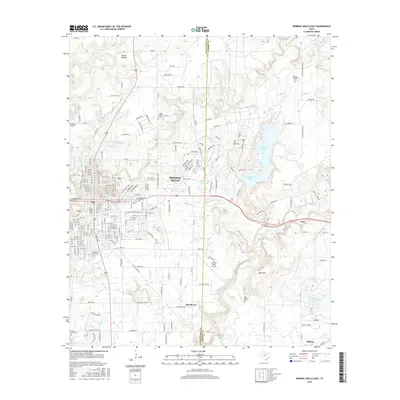 2016 Mineral Wells East2016 Print · USGSThe Mineral Wells area at the Palo Pinto and Parker county line shows a landscape of modern aviation and rural heritage. Researchers can trace family sites at Staggs Prairie Cem or follow the waters of Lake Mineral Wells.
 - 2016 Map of Garner, 2016 Print
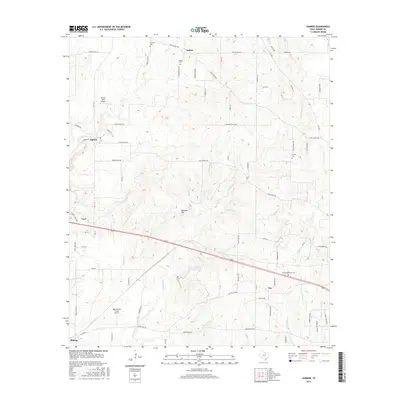 2016 Garner2016 Print · USGSParker County's rural ranch lands and aviation strips come into focus in the mid-2010s. Genealogists and local historians can trace family locations near Authon Cem, Buzzard Hill, and the small community of Garner.
 - 2019 Map of Garner, 2019 Print
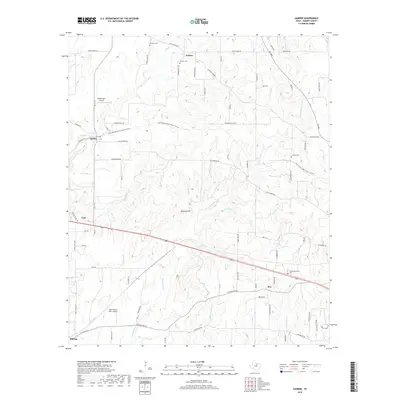 2019 Garner2019 Print · USGSParker County's rural western stretches are documented here in the late twenty-teens, showing a landscape defined by ranching and small aviation. Family historians can trace ancestral sites at Authon Cem, Lemley Cem, and the old crossroads of Garner.
 - 2019 Map of Mineral Wells East, 2019 Print
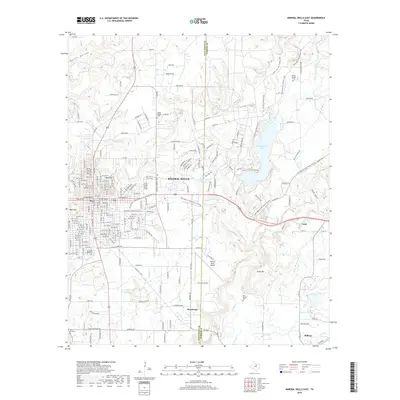 2019 Mineral Wells East2019 Print · USGSMineral Wells and the surrounding Palo Pinto and Parker County landscape are captured here in the late 2010s. Researchers can locate family sites at Staggs Prairie Cem and Woodland Park Cem or trace the rural routes connecting Sturdivant and Millsap.
 - 2022 Map of Mineral Wells East, 2022 Print
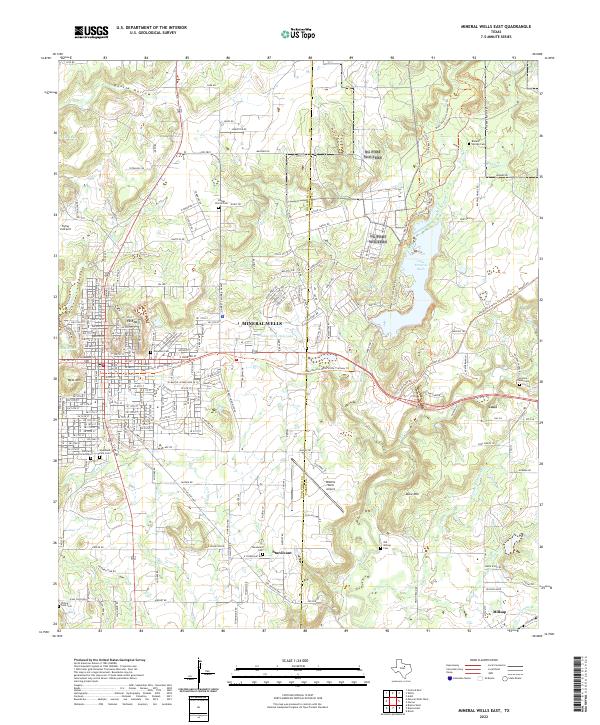 2022 Mineral Wells East2022 Print · USGSPalo Pinto and Parker counties meet in this 2022 survey of the area surrounding the Mineral Wells community. Genealogists can trace family burial sites at Staggs Prairie Cem, Sturdivant Cem, and the Richard Underwood Gravesite.
 - 2022 Map of Garner, 2022 Print
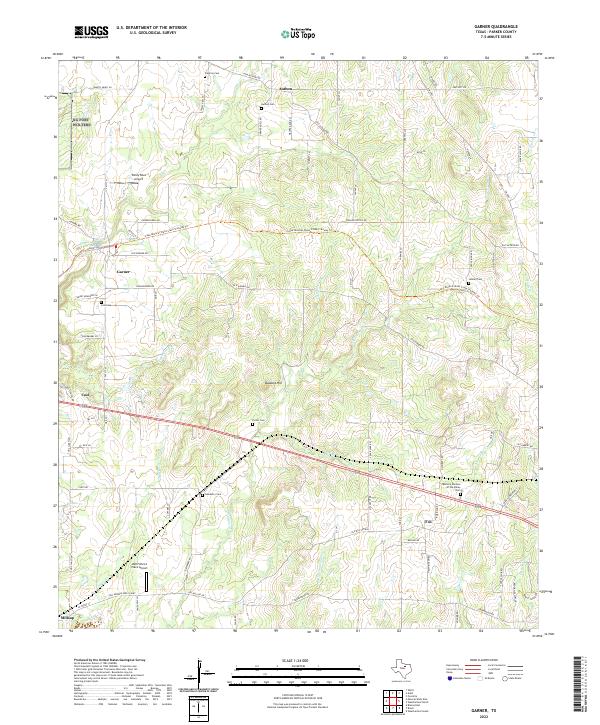 2022 Garner2022 Print · USGSParker County's rolling landscape near the modern era is defined by historical crossroads like Garner and Authon. Genealogists can trace family names through numerous burial sites including Newberry Cem and Lemley Cem or follow the Lake Mineral Wells State Trailway Trl.
End of results
Showing maps 1-25 of 25
Top cities near Cool
- Weatherford historical maps
- Mineral Wells historical maps
- Graford historical maps
- Millsap historical maps
Frequently asked questions
- What are the different types of historical maps available for Cool?
- What is the oldest map of Cool?
- Where can I purchase historical maps of Cool for my home or office?
- Where can I download high-res historical maps of Cool?
- Are there historical topographic maps available for Cool?
- Is there historical aerial imagery available for Cool?
- Where are historical maps of Cool sourced from?