Old Maps of Flint, Texas for Academic Research
Study the evolution of Flint with 12 high-resolution historic maps. Whether you're teaching, researching, or modeling changes in land use, these maps provide essential visual documentation of urban, environmental, and geographic change.
- Analyze long-term change: Track patterns in development, transportation, and natural features.
- Ideal for environmental or urban studies: Support academic projects with primary historical map data.
- Use in the classroom or lab: Educators and researchers rely on these maps to bring historical context to life.
These maps are a powerful tool for teaching, research, and visualizing how Flint has changed over the decades.
Flint, TX maps
(12)- 1946 Map of Bullard, 1960 Print
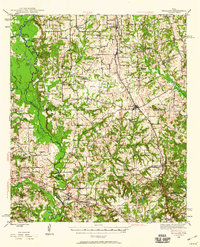 1946 Bullard1960 Print · USGSEast Texas rail and river life converge in the 1940s as the St Louis Southwestern tracks link rural farming hubs. Trace local family history through numerous landmarks like Larissa Cem, the Kickapoo Monument, and Mount Selman.2 unique versions available
 - 1948 Map of Bullard
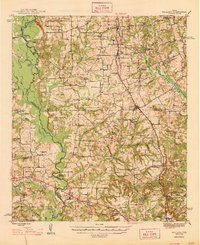 1948 Bullard1948 Print · USGSNortheastern Cherokee and southern Smith counties are captured here in the late forties, showcasing a network of rural schools and rail-fed towns. Genealogists can trace family sites at Larissa Cem, Mount Comfort Ch, and the high ground of Kickapoo Mtn.
 - 1956 Map of Tyler
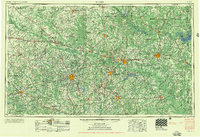 1956 Tyler1956 Print · USGSEast Texas was a powerhouse of oil production and rail transport during the mid-fifties, centered on the sprawling East Texas Oil Field. Researchers can trace the heritage of industrial hubs like Kilgore, military sites such as the Longhorn Ordnance Works, and many rural landmarks like Mount Enterprise.5 unique versions available
 - 1973 Map of Bullard, 1977 Print
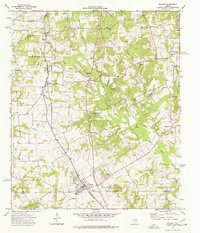 1973 Bullard1977 Print · USGSThe ST LOUIS SOUTHWESTERN rail line cuts through the heart of East Texas in the early seventies, connecting rural communities across Smith and Cherokee counties. Genealogists can trace family landmarks like Barron Cem, Rather Cem, and the community of Flint.
 - 1984 Map of Tyler
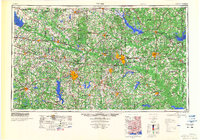 1984 Tyler1984 Print · USGSEast Texas at the peak of its reservoir-building era shows a landscape defined by new lakes and established rail corridors. Trace the path of the St Louis Southwestern RR or locate industrial sites like the Longhorn Ordnance Works.3 unique versions available
 - 1985 Map of Tyler
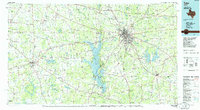 1985 Tyler1985 Print · USGSEast Texas in the mid-eighties centers on the growth of Tyler and the expansive waters of Lake Palestine. Genealogists and researchers can trace family landmarks like Henry's Chapel and Browning Cem alongside the routes of the Southern Pacific RR.
 - 1991 Map of Tyler
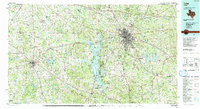 1991 Tyler1991 Print · USGSEast Texas in the early nineties centered on the expansion of Tyler and the recreational draw of Lake Palestine. Researchers can trace the layout of smaller communities like Ben Wheeler, Frankston, and Troup as they existed before modern suburban growth.
 - 2010 Map of Bullard, 2010 Print
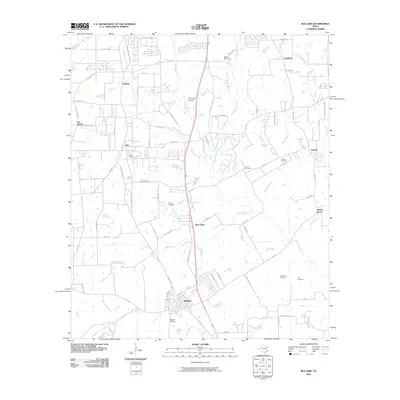 2010 Bullard2010 Print · USGSThe communities south of Tyler are captured here in the early twenty-first century as suburban growth met rural Smith County roots. Genealogists and local historians can locate many family burial grounds, including Flint Cemetery, Douglas Cemetery, and Rather Cemetery.
 - 2012 Map of Bullard, 2012 Print
 2012 Bullard2012 Print · USGSThe Bullard area of East Texas showed a blend of deep-rooted rural history and emerging residential development in the early 2010s. Genealogists and historians can trace numerous local burial sites like Flint Cem and Douglas Cem or locate regional landmarks such as Rhome Spring.
 - 2016 Map of Bullard, 2016 Print
 2016 Bullard2016 Print · USGSThe Smith and Cherokee county line in the mid-2010s shows a landscape of growing towns and preserved family heritage. Genealogists and local historians can trace old homestead sites near Antioch Cem, Rhome Spring, and the community of Walnut Grove.
 - 2019 Map of Bullard, 2019 Print
 2019 Bullard2019 Print · USGSThe southern suburbs of Tyler and the communities of Smith and Cherokee Counties are shown here during a period of steady growth. Local researchers can locate several family and community burial grounds including Antioch Cem, Rather Cem, and Thompson Cem.
 - 2022 Map of Bullard, 2022 Print
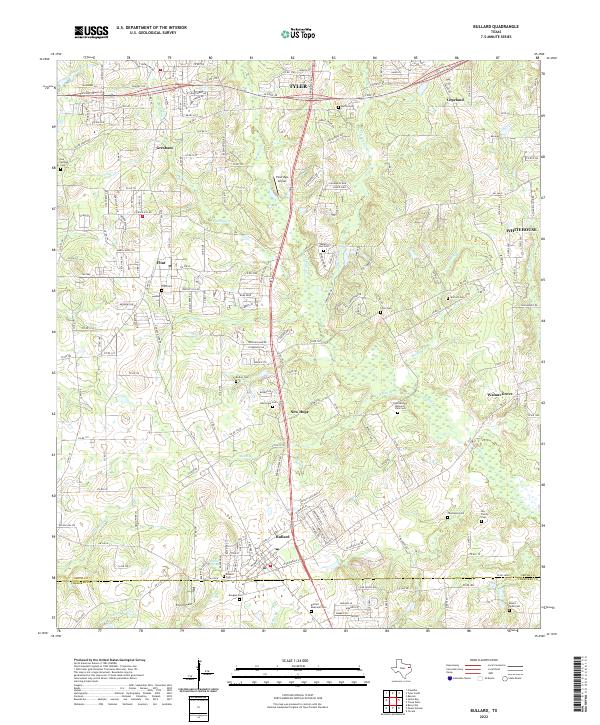 2022 Bullard2022 Print · USGSThe rural-to-suburban transition south of Tyler is captured here in detail during the early 2020s. Genealogists can locate dozens of burial sites including Lee Springs Cem, Faith Mission Memorial Park Cem, and Douglas Cem.
End of results
Showing maps 1-12 of 12
Top cities near Flint
- Tyler historical maps
- Jacksonville historical maps
- Whitehouse historical maps
- Chandler historical maps
- Bullard historical maps
- Troup historical maps
See more
Frequently asked questions
- What are the different types of historical maps available for Flint?
- What is the oldest map of Flint?
- Where can I purchase historical maps of Flint for my home or office?
- Where can I download high-res historical maps of Flint?
- Are there historical topographic maps available for Flint?
- Is there historical aerial imagery available for Flint?
- Where are historical maps of Flint sourced from?