Old Maps of Trinity Hill, Texas for Academic Research
Study the evolution of Trinity Hill with 13 high-resolution historic maps. Whether you're teaching, researching, or modeling changes in land use, these maps provide essential visual documentation of urban, environmental, and geographic change.
- Analyze long-term change: Track patterns in development, transportation, and natural features.
- Ideal for environmental or urban studies: Support academic projects with primary historical map data.
- Use in the classroom or lab: Educators and researchers rely on these maps to bring historical context to life.
These maps are a powerful tool for teaching, research, and visualizing how Trinity Hill has changed over the decades.
Trinity Hill, TX maps
(13)- 1896 Map of Austin
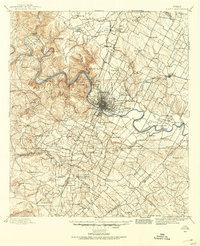 1896 Austin1896 Print · USGSAustin and its surrounding counties are shown in the mid-1890s, capturing the transition from frontier river crossings to a rail-centered regional hub. Researchers can trace historic river access points like Cameron Ferry alongside vanished landmarks such as Johnson's Institute and Moore & Berry's Store.
 - 1897 Map of Austin
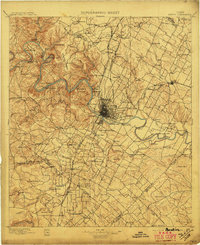 1897 Austin1897 Print · USGSTexas in the late 1890s reveals a capital city defined by its river and an expanding railroad network. Genealogists and historians can trace family-named landmarks and early centers of learning like Saint Edward's College, Johnson's Institute, and Anderson Mill.
 - 1910 Map of Austin
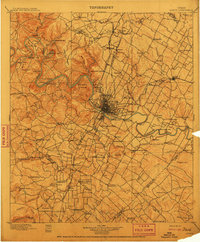 1910 Austin1910 Print · USGSAustin and the surrounding Travis County hill country are captured here at the start of the twentieth century. Genealogists and researchers can locate pioneer landmarks like Anderson Mill, Mc.Kinney Falls, and numerous river crossings including Lohmann Ford.3 unique versions available
 - 1954 Map of Austin, 1964 Print
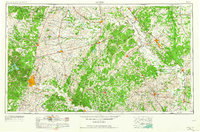 1954 Austin1964 Print · USGSCentral Texas is captured during a period of steady growth as the capital city and its neighboring farm towns began to modernize. Researchers can trace historic rail corridors like the Southern Pacific RR or locate landmarks such as Bergstrom Air Force Base and Pilot Knob.4 unique versions available
 - 1955 Map of Austin, 1956 Print
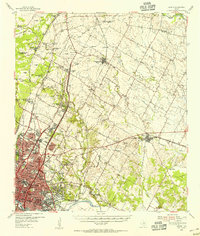 1955 Austin1956 Print · USGSAustin and its northern Travis County neighbors appear here in the mid-1950s, just as suburban growth began to reach toward the Williamson County line. Researchers can trace historic family locations and vanished institutions like the Travis County Tuberculosis Sanitarium, McNeil, and New Sweden.
 - 1968 Map of Manor, 1971 Print
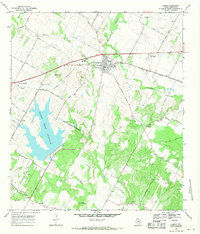 1968 Manor1971 Print · USGSNortheast of Austin in the late sixties, this area shows the growth of Manor along the Southern Pacific rail line. Researchers can trace numerous family burial grounds like Easley Cem and Glasscock Cem near the new Decker Creek Reservoir.3 unique versions available
 - 1985 Map of Austin
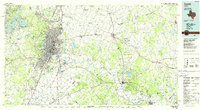 1985 Austin1985 Print · USGSCentral Texas in the mid-eighties reveals a region in transition, balancing rapid urban growth in Austin with deep-rooted rural landscapes. Genealogists and historians can trace family locations near St Johns Ch, the Science Hall schoolhouse, and long-standing communities like Webberville and Manchaca.3 unique versions available
 - 1988 Map of Manor
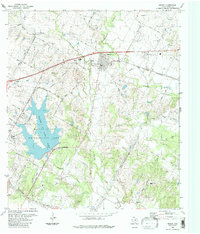 1988 Manor1988 Print · USGSNortheastern Travis County appears in the late eighties as Austin's city limits began to reach toward the farming community of Manor. Researchers can locate several historical burial sites including Rosehill Cem and Glasscock Cem, alongside the waters of Walter E Long Lake.
 - 2010 Map of Manor, 2010 Print
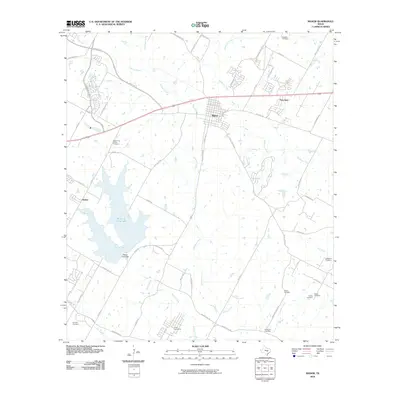 2010 Manor2010 Print · USGSManor and its surrounding Travis County ranch lands are captured here in the early twenty-first century as the area continued its transition from rural to suburban. Genealogists and historians can trace many family legacy sites, from Rosehill Cemetery and Decker Free Church to the small settlement of New Katy.
 - 2013 Map of Manor, 2013 Print
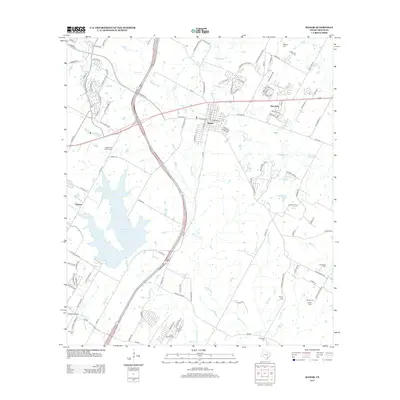 2013 Manor2013 Print · USGSEastern Travis County is seen here during a period of suburban expansion and lake development. Genealogists and local historians can trace family burial sites like Decker Free Church Cem and Jones Cemeteries or locate the settlement at New Katy.
 - 2016 Map of Manor, 2016 Print
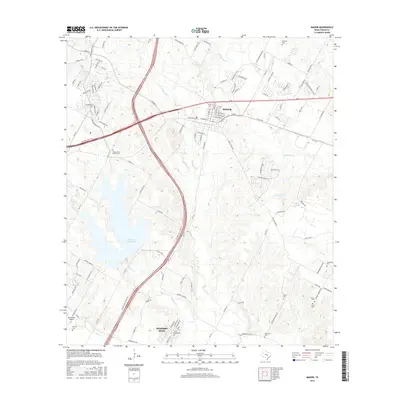 2016 Manor2016 Print · USGSEastern Travis County enters a period of modern expansion in this mid-2010s survey of the areas around Manor and Hornsby Bend. Genealogists and historians can locate numerous burial sites and landmarks like Decker Free Church Cem, Jones Cemeteries, and Bud Dryden Airport.
 - 2019 Map of Manor, 2019 Print
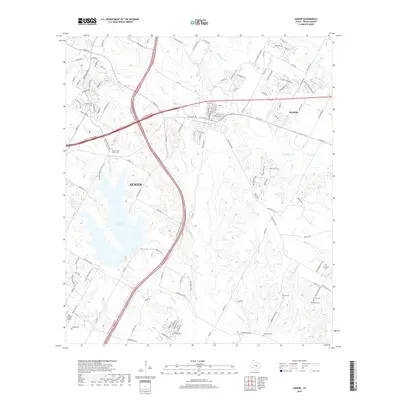 2019 Manor2019 Print · USGSThe eastern edges of Travis County appear in this 2019 survey as suburban growth meets a landscape of old family burial grounds. Researchers can trace local roots at the Decker Free Church Cem, Hornsby Cem, and Jones Cemeteries near Walter E. Long Lake.
 - 2022 Map of Manor, 2022 Print
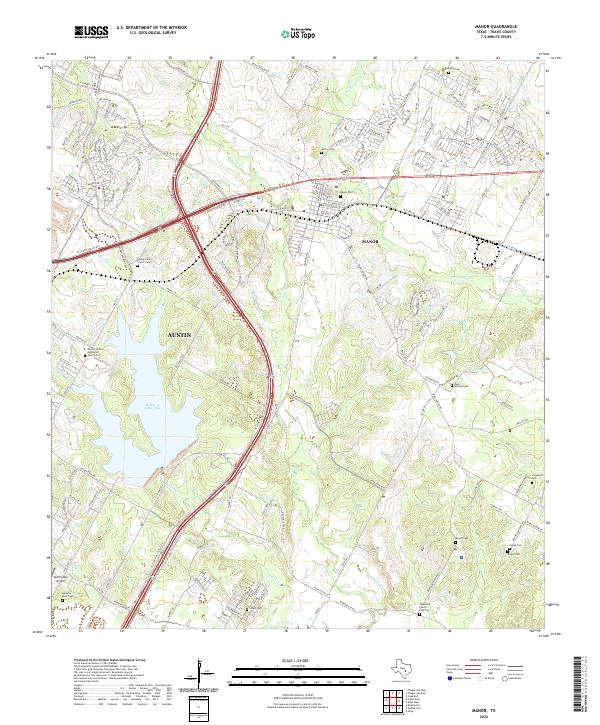 2022 Manor2022 Print · USGSNortheastern Travis County at the edge of the Texas state capital shows a landscape of modern transit corridors intersecting old rural foundations. Trace family history through numerous small burial sites like Hornsby Bend Cemetery and Easley Cemetery near the waters of Walter E. Long Lake.
End of results
Showing maps 1-13 of 13
Top cities near Trinity Hill
- Austin historical maps
- Round Rock historical maps
- Pflugerville historical maps
- Cedar Park historical maps
- Manor historical maps
- Elgin historical maps
See more
Frequently asked questions
- What are the different types of historical maps available for Trinity Hill?
- What is the oldest map of Trinity Hill?
- Where can I purchase historical maps of Trinity Hill for my home or office?
- Where can I download high-res historical maps of Trinity Hill?
- Are there historical topographic maps available for Trinity Hill?
- Is there historical aerial imagery available for Trinity Hill?
- Where are historical maps of Trinity Hill sourced from?